Understanding Sway Bars: A Quick Dive
When it comes to vehicle handling, sway bars are your unsung heroes. They help minimize body roll during cornering, enhancing stability and control. Now, whether you're looking at OEM (Original Equipment Manufacturer) parts or aftermarket options, making an informed choice is crucial.
OEM vs. Aftermarket: What's the Difference?
OEM sway bars are made by the vehicle’s original manufacturer, ensuring a perfect fit and adherence to factory specifications. On the flip side, aftermarket sway bars can be crafted by a variety of companies, offering potentially better performance or customization options. But hey, it’s not all about brands; you gotta consider quality too.
- Assurance Qualité :Many reputable brands offer warranties.
- Améliorations des performances :Aftermarket parts may improve handling.
- Cost Variation:OEM tends to be pricier but sometimes worth it.
Factors to Consider When Choosing Sway Bars
Size, shape, and material—these elements play a vital role in determining how well a sway bar performs. For instance, larger diameter bars typically provide more stiffness and improved handling. Meanwhile, consider if you want a tubular or solid design, as they differ significantly in weight and strength.
Installation: DIY or Professional Help?
If you’ve got a wrench and some elbow grease, installing sway bars can be a fun weekend project. However, if you’re unsure, hiring a professional might save you time and headaches. Proper installation ensures safety and optimal performance. Plus, nobody wants to be rolling around with loose parts, right?
RubberSealsforHighTemperatureAutomotiveApplications.png)
Choosing the Right Type for Your Vehicle
Not all vehicles are created equal, and neither are their suspension setups. If your car is primarily for daily driving, a stock replacement might suffice. But for those who love spirited drives or track days, investing in a high-performance sway bar can be game-changing. Brands like Guanghua often hit the sweet spot between performance and price, making them worth considering.
Compatibility Matters
Always check compatibility before purchasing. Some sway bars may require additional components for installation, such as bushings or brackets. If you're looking into aftermarket options, don’t forget to see if they come with the necessary hardware. It’s the little things that can trip you up!
Conseils d'entretien pour la longévité
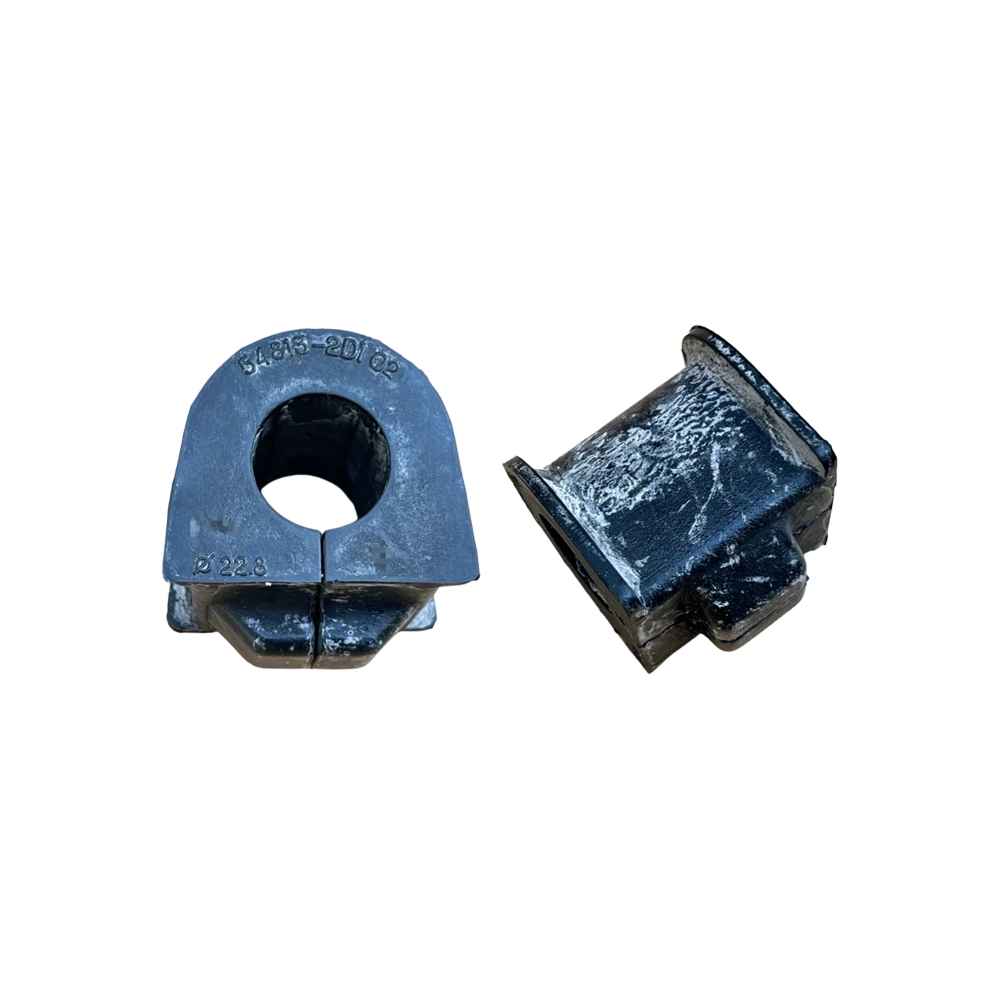
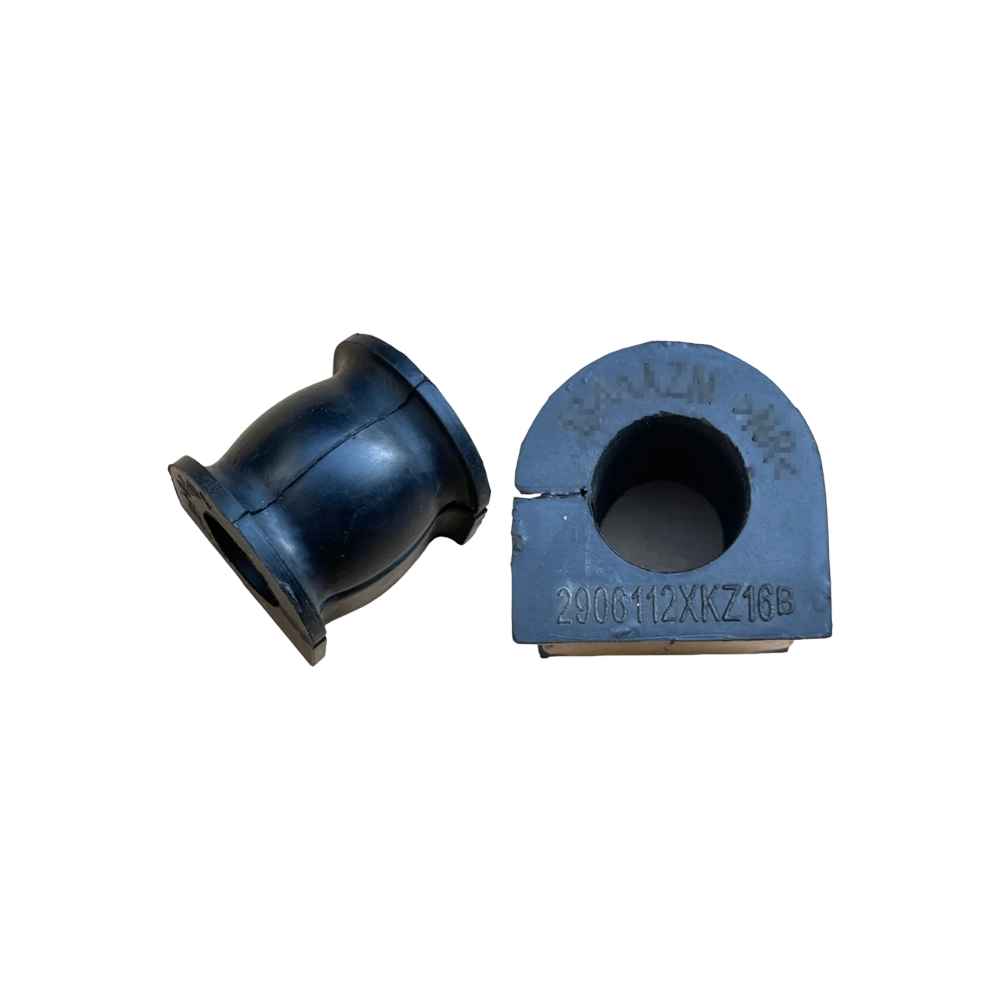
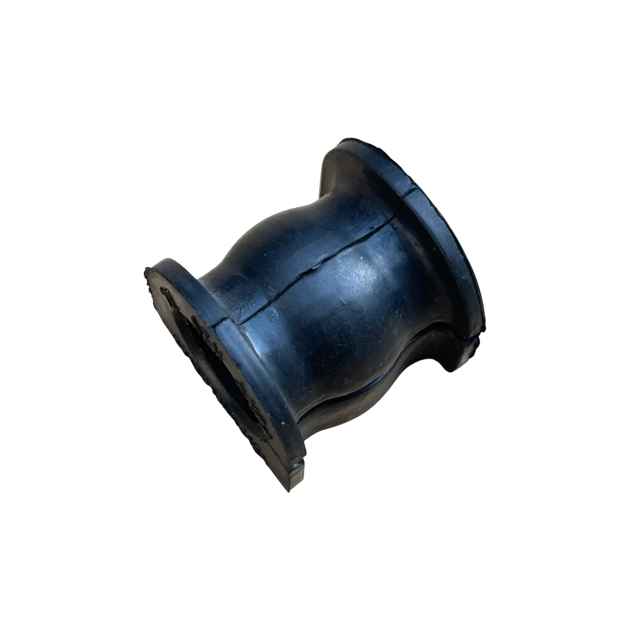
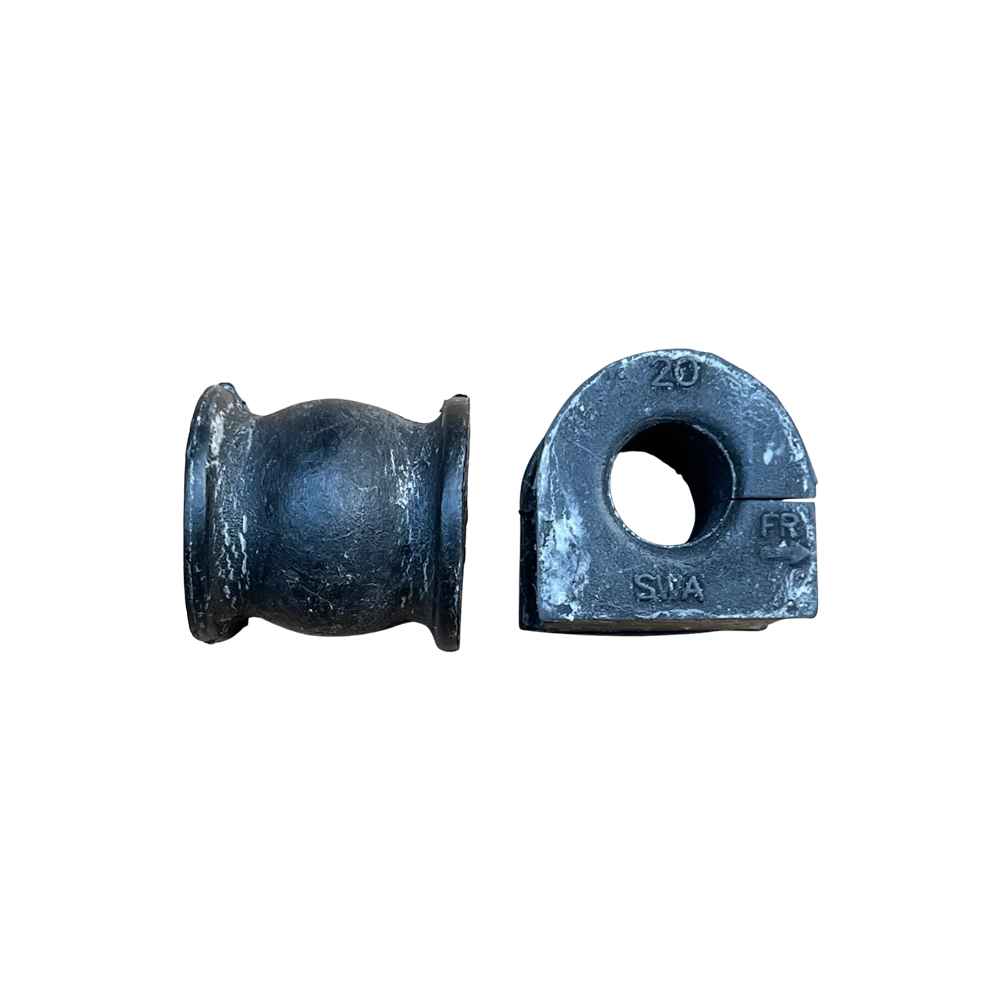
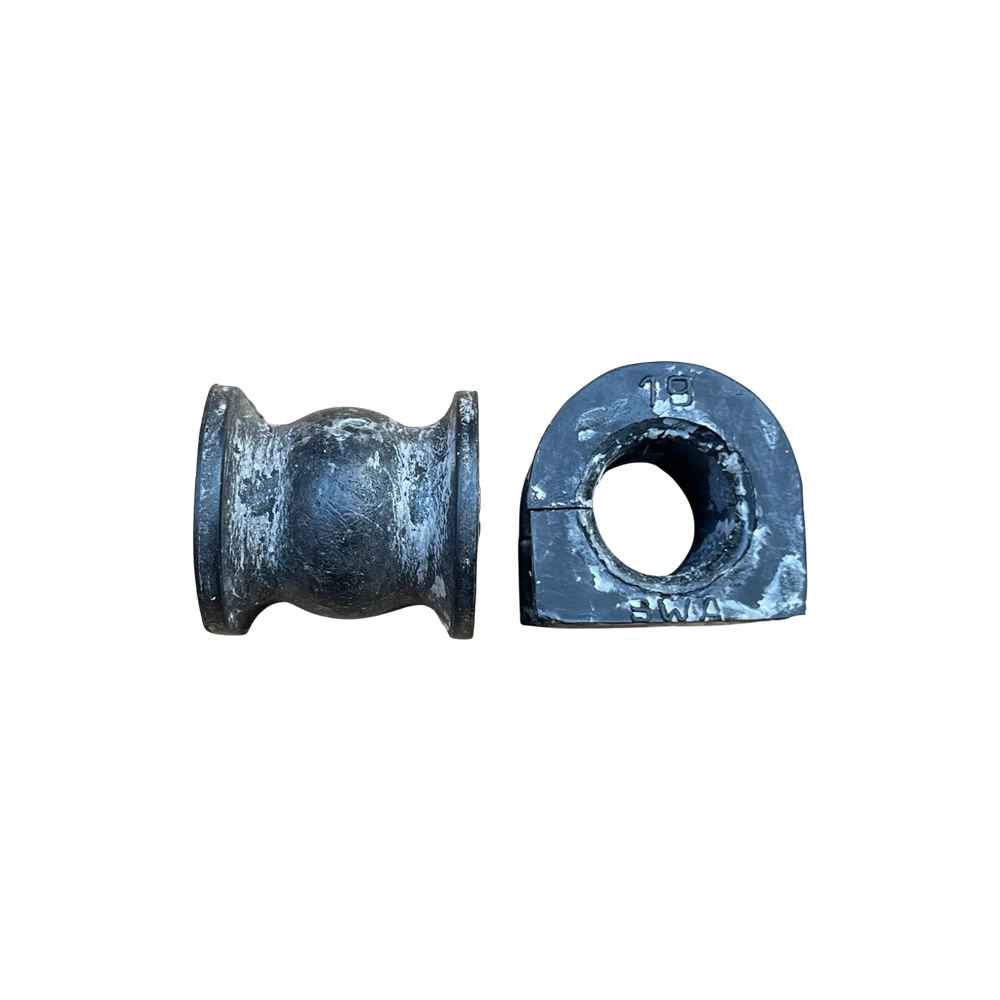
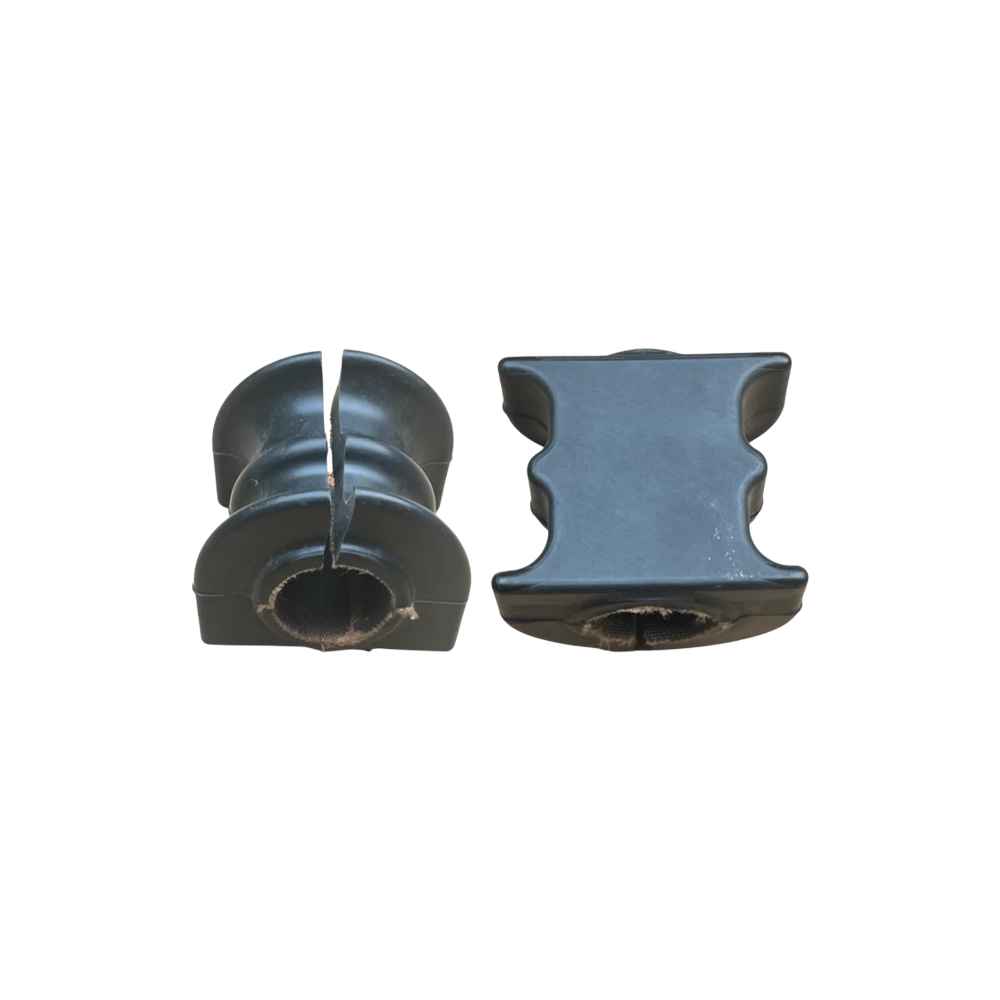
Sway bars don’t need much attention, but a little maintenance goes a long way. Inspect the bushings for wear and tear, particularly if you've opted for rubber types. Swapping out worn bushings can improve performance drastically.
Additionally, keep an eye on the end links—they take quite a beating. Any signs of rust or excessive play? Time to replace 'em!
- Vérifiez les fissures ou les déformations.
- Lubrifiez si nécessaire pour éviter les grincements.
- Inspectez régulièrement les supports et les connexions.
What About Upgrades?
Thinking of going beyond just sway bars? Upgrading related components likeBottes d'amortisseurouSilentblocs de barre stabilisatricecan enhance your ride's overall feel. A well-rounded approach to suspension tuning can yield noticeable differences in handling and comfort.
La conclusion
Whether you’re opting for OEM or venturing into the realm of aftermarket parts, understanding what your vehicle needs is key. Take the time to research, read reviews, and consult with professionals when needed. A wise choice today could lead to smoother rides tomorrow!