Understanding the Driveline Components
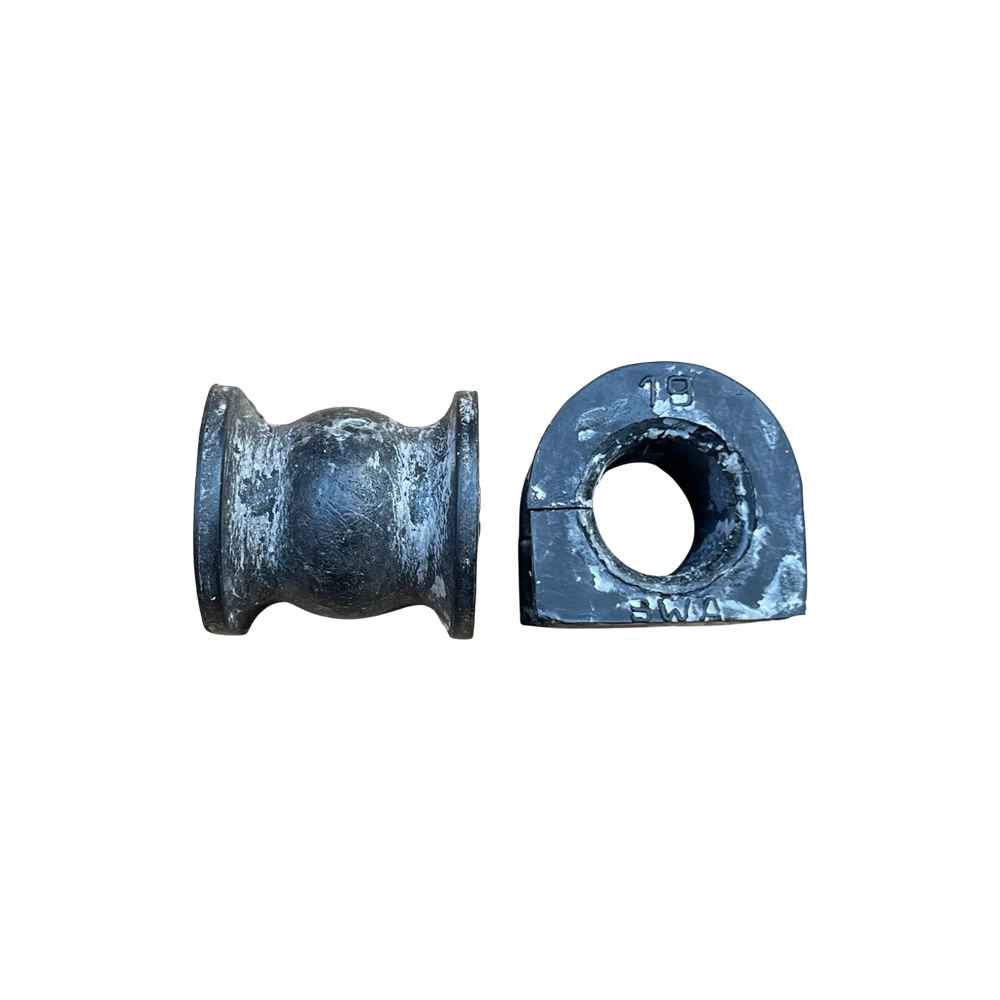
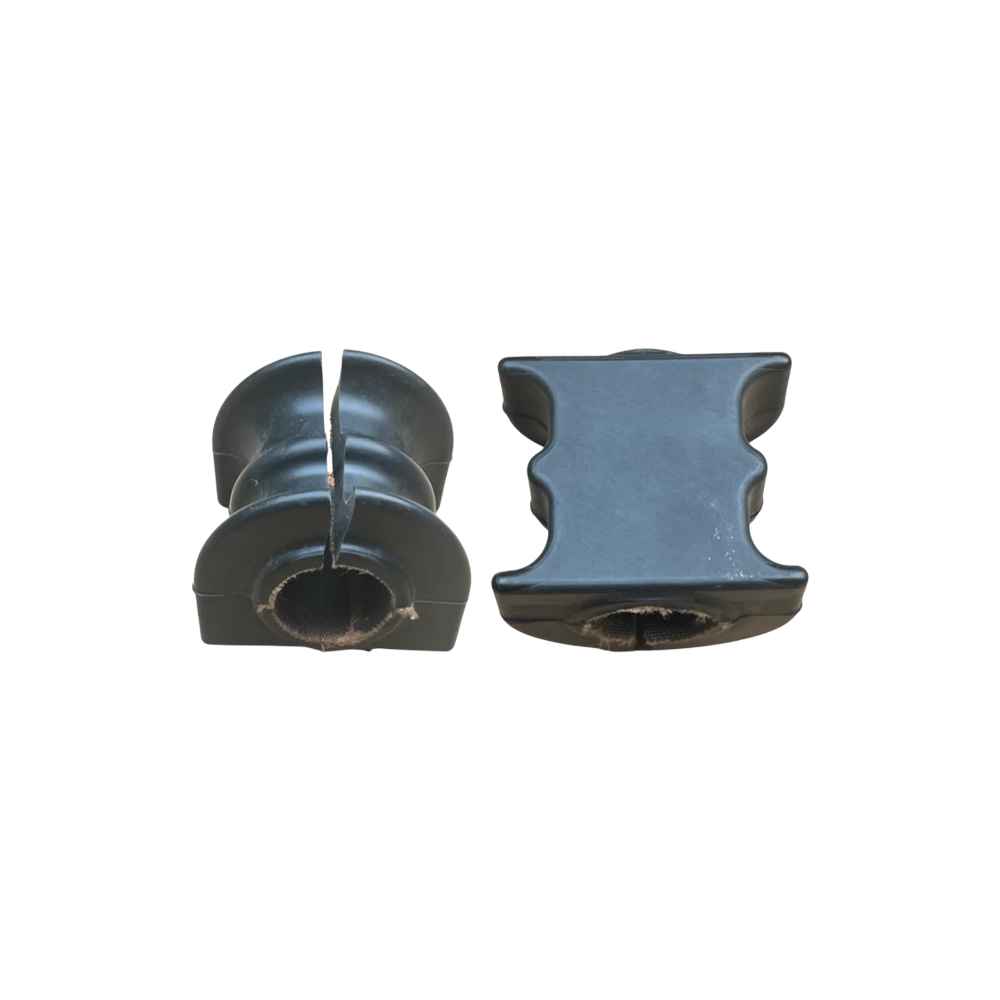
The vehicle driveline plays a crucial role in transferring power from the engine to the wheels. It consists of various components like the driveshaft, CV joints, and axles. Each part has its own function, but they need to work together seamlessly for optimal performance. If you're not familiar with these parts, don't worry! We’ll dive into them step by step.
What Are CV Joints?
CV joints, or Constant Velocity joints, are essential for allowing the axle to flex while still transmitting power. They are often found at both ends of the driveshaft. Over time, these joints can wear out, leading to issues like clicking noises when turning or vibration during acceleration. So, keep an ear out for those signs!
Importance of Inner vs Outer CV Joints
Now, there's a difference between inner and outer CV joints. The inner CV joint connects to the transmission, handling the angle changes in a straight line. The outer CV joint, on the other hand, provides flexibility during turns. Both should be checked regularly; if one goes bad, it could lead to more serious problems down the line.
Axle Repairs: A Practical Approach
When it comes to axle repairs, you don't want to take any shortcuts. A damaged axle can cause all sorts of trouble, from poor handling to complete failure. If you're tackling this yourself, make sure to have the right tools and safety gear on hand. Trust me; you don’t want to mess around with heavy machinery without proper precautions.
Identifying Axle Issues
- Bruits :Un bruit de grincement peut indiquer des roulements usés.
- Vibrations :Des vibrations inhabituelles en conduisant peuvent indiquer un essieu tordu.
- Fuites de liquide :Vérifiez s'il y a des fuites d'huile près des joints d'essieu ; cela pourrait être un problème !
Replacing Axles: What You Need
If you're in need of replacing axles, you'll want to grab some quality parts. Brands like Guanghua offer reliable options for aftermarket replacements. Don’t skimp on the quality here; otherwise, you're just asking for trouble.
Boots: Protecting Your Driveline
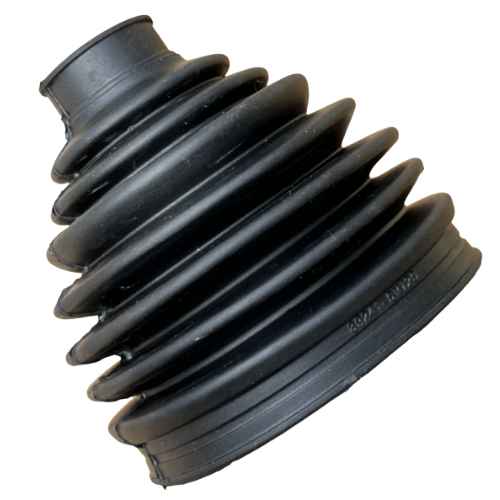
Boots, such asBottes de joint CVetBottes de crémaillère de direction, are your first line of defense against dirt and moisture. These rubber protectors ensure that the grease inside the joints stays intact and prevents contaminants from causing damage. If you notice cracks or tears in these boots, it's time to replace them before bigger issues arise.
Bottes d'amortisseur: Why They Matter
Shock absorber boots play a similar protective role. They help keep dirt out of the shock absorbers and maintain their functionality. A torn boot here can lead to premature wear of the shocks, impacting ride quality. Keep an eye on these, especially if you frequently drive on rough terrain.
Seals and Gaskets: Hidden Heroes
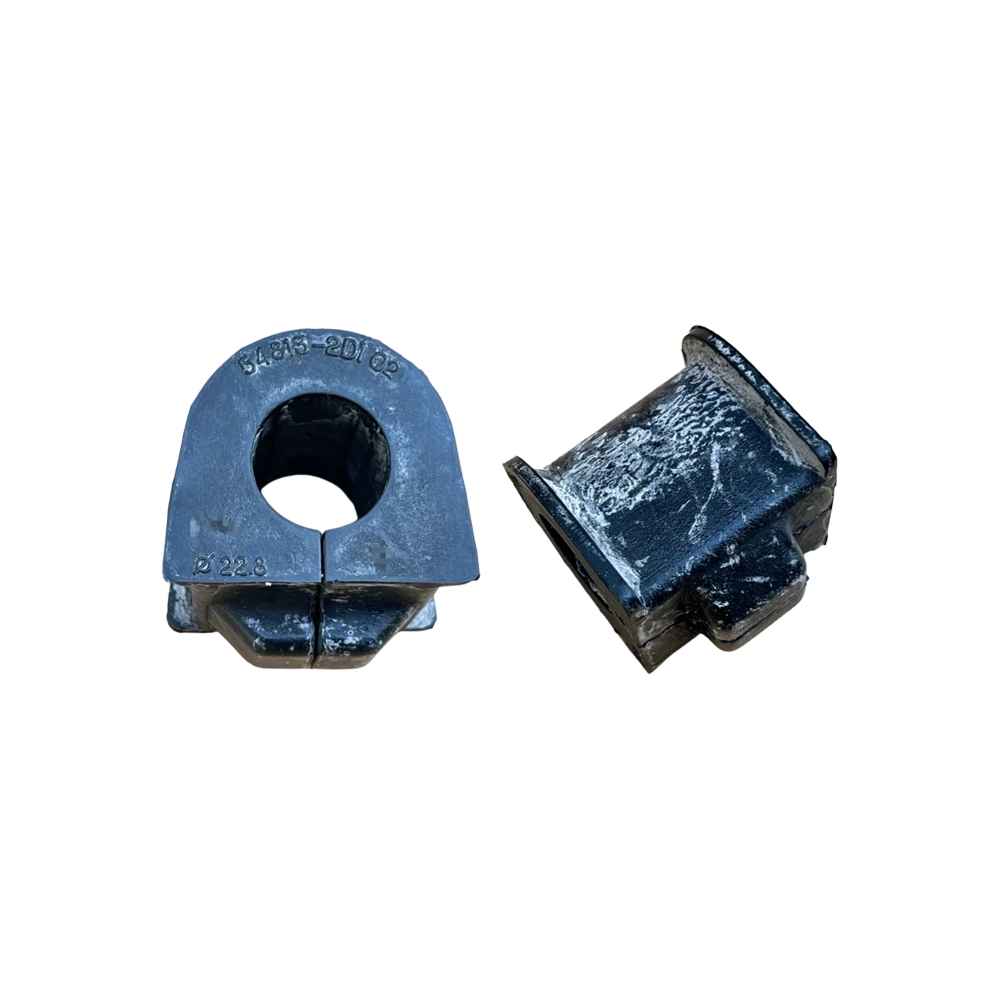
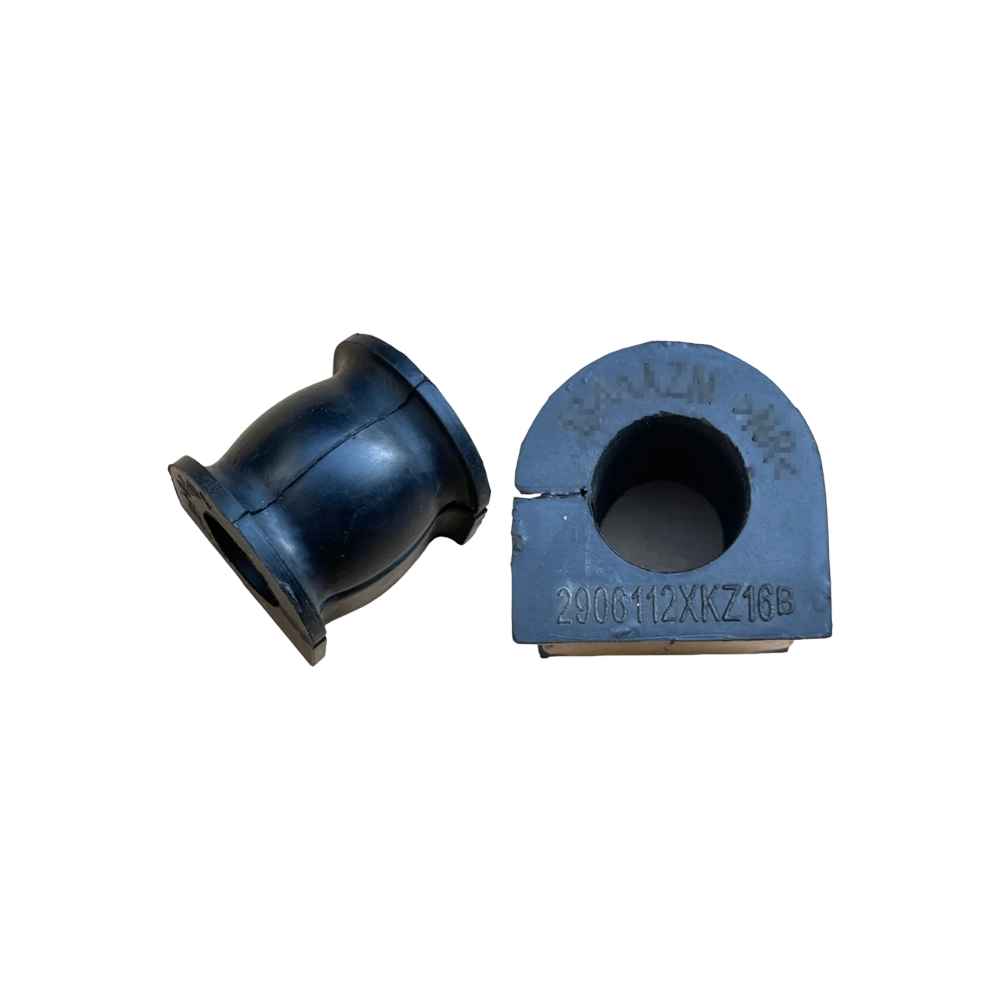
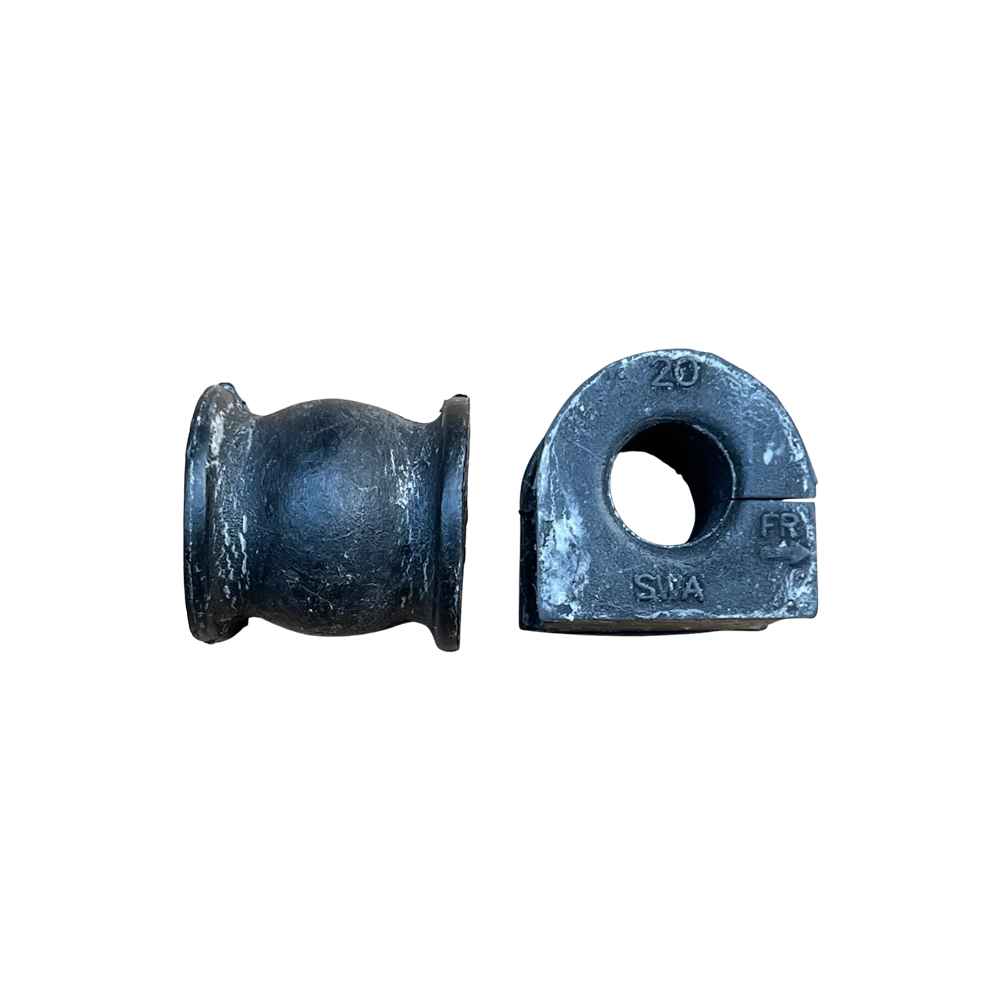
O-rings and rubber sealing rings might not get the spotlight, but they’re vital. These tiny components prevent leaks and ensure everything remains sealed tight. When doing repairs, always inspect these seals. They’re inexpensive and easy to replace but can save you from costly damages later.
Valve Cover Gasket Replacement
Speaking of gaskets, the valve cover gasket is another critical part. If you start seeing oil leaking from the top of the engine, there’s a good chance it’s time for a replacement. Ensure you clean the mating surfaces thoroughly when doing the change; a good seal is essential for keeping oil where it belongs.
Dernières réflexions sur l'entretien
Maintaining your vehicle's driveline and axles doesn't have to be a daunting task. With a bit of knowledge and basic tools, many repairs can be done in your garage. Just stay attentive to signs of wear, do regular inspections, and don’t hesitate to consult professionals when needed. After all, a well-maintained vehicle not only performs better but also lasts longer!