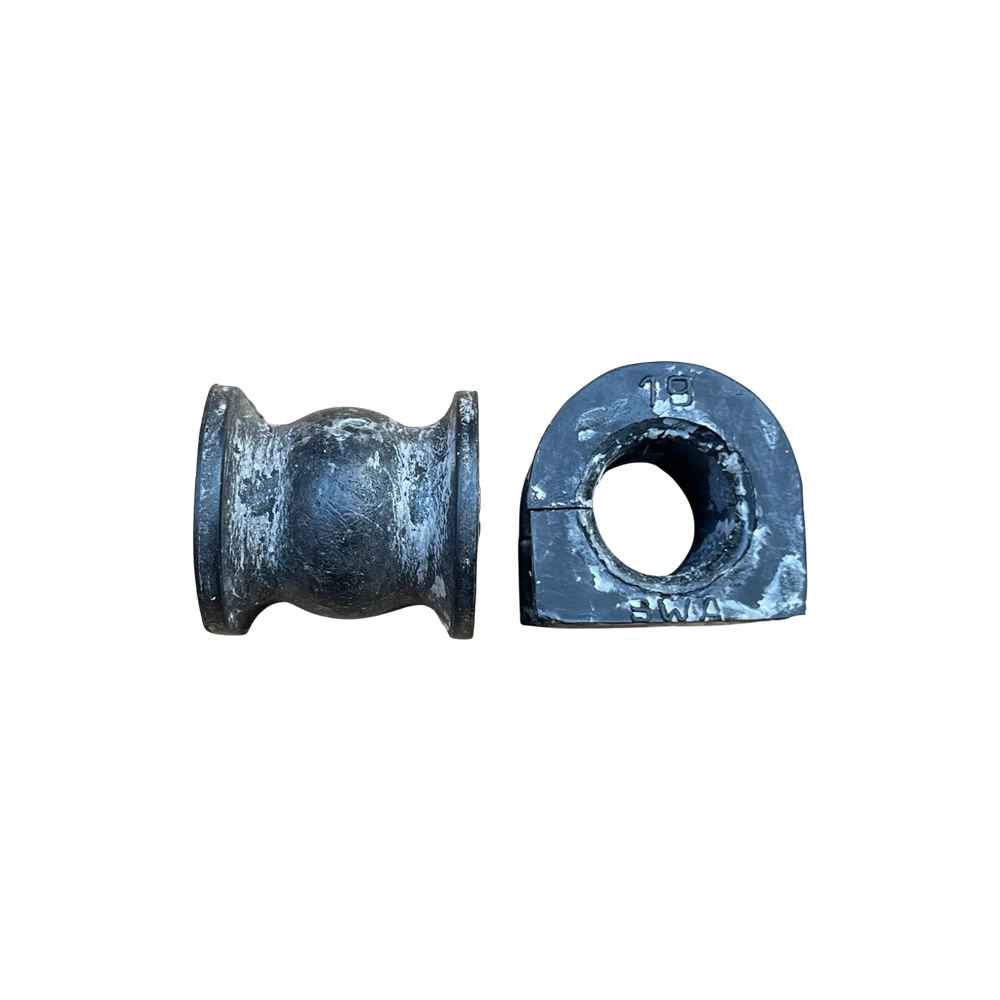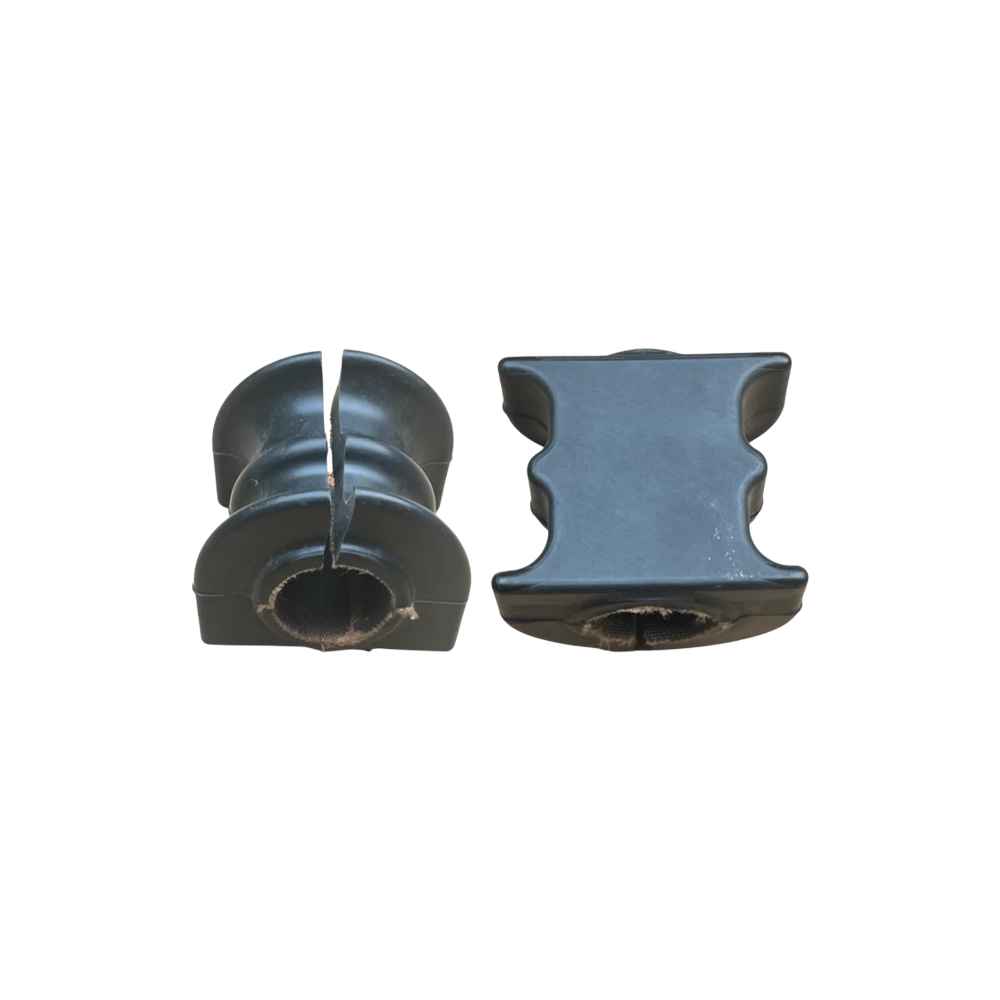
Understanding Engine Gaskets in Hydraulic Systems
Engine gaskets play a critical role in automotive hydraulic systems, serving as a seal to prevent fluid leaks and maintain pressure. The choice of material for these gaskets directly influences the performance and longevity of the system.
Key Functions of Engine Gaskets
In essence, engine gaskets are designed to create a tight seal between various engine components. Their primary functions include:

- Prévenir les fuites de fluides du moteur ou des systèmes hydrauliques.
- Assurer des niveaux de pression appropriés dans le système.
- Minimiser le risque de contamination par des éléments externes.
- Résister à des températures et des pressions élevées sans se dégrader.
Material Types for Engine Gaskets
The selection of gasket materials is paramount. Various materials offer distinct advantages and drawbacks, which can significantly impact an engine's performance. Here are some commonly used materials:
Rubber
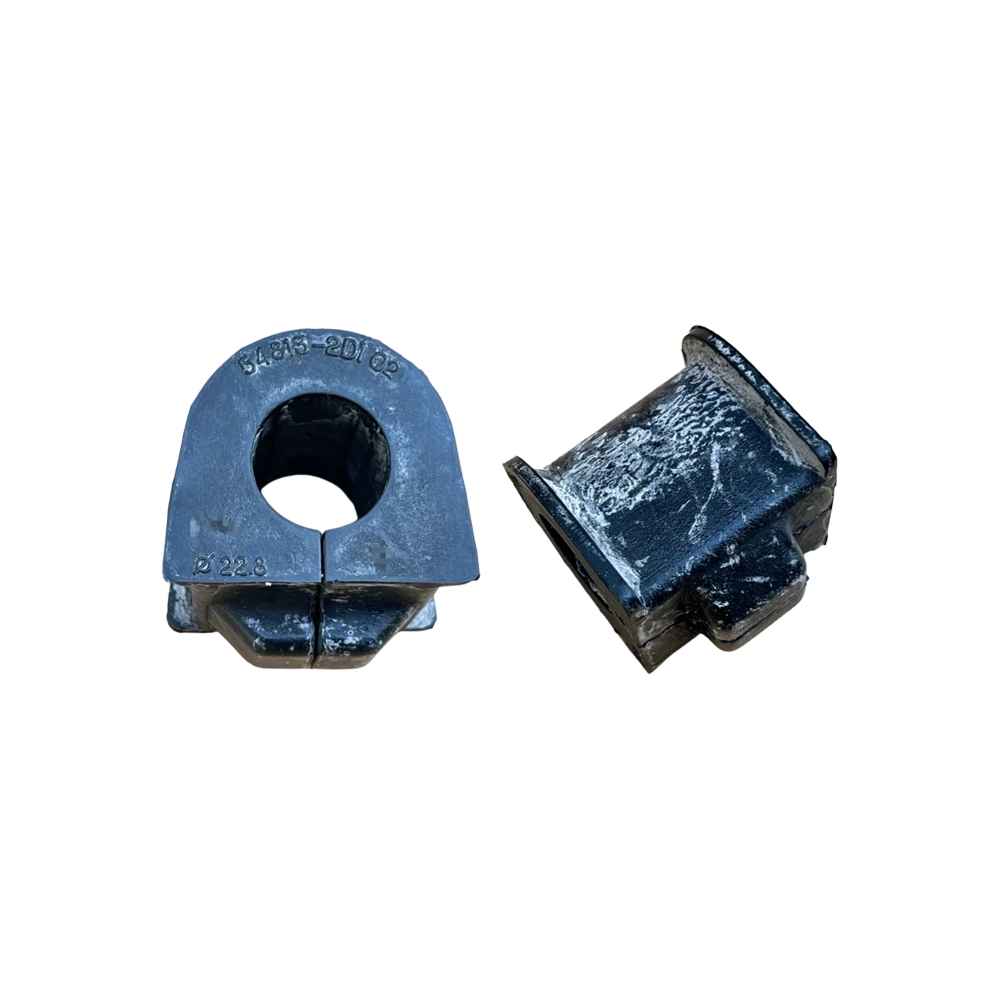
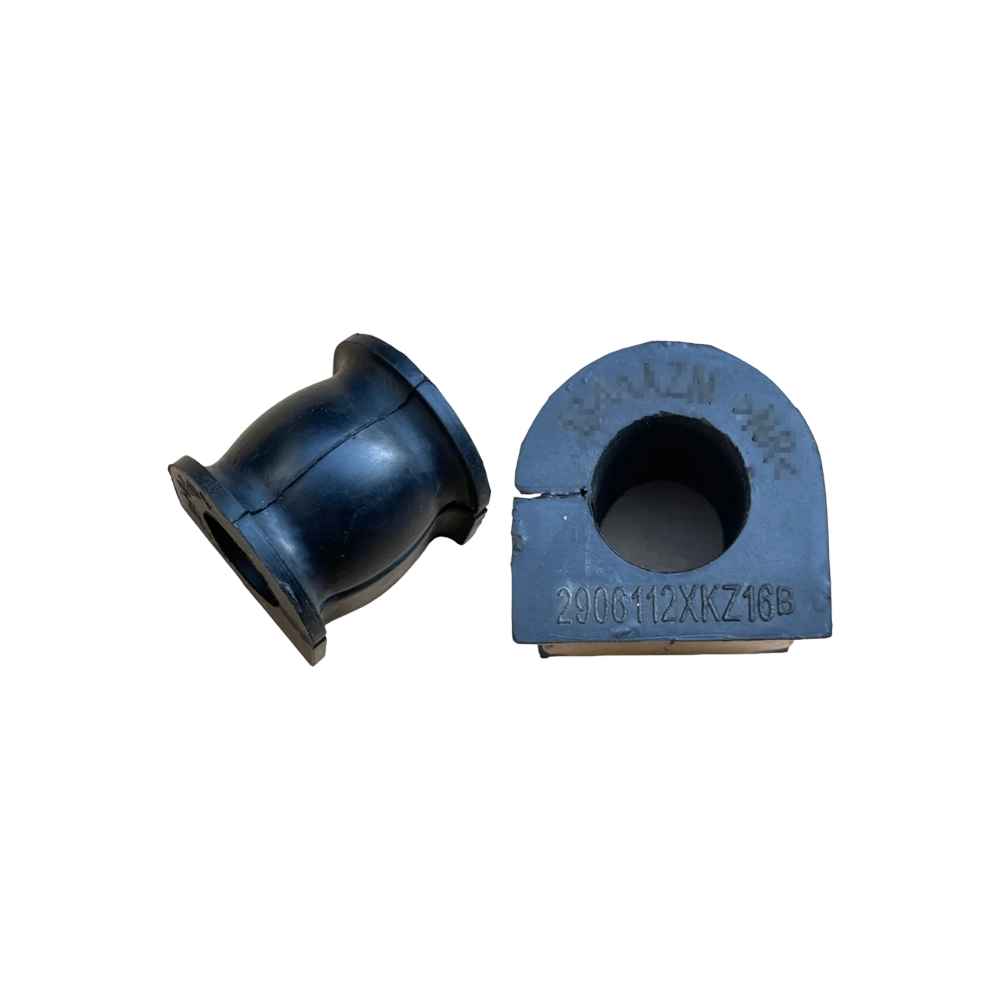
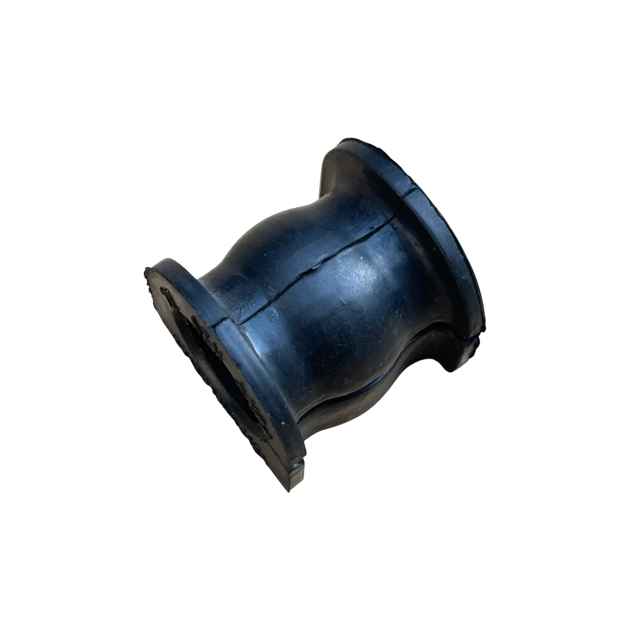
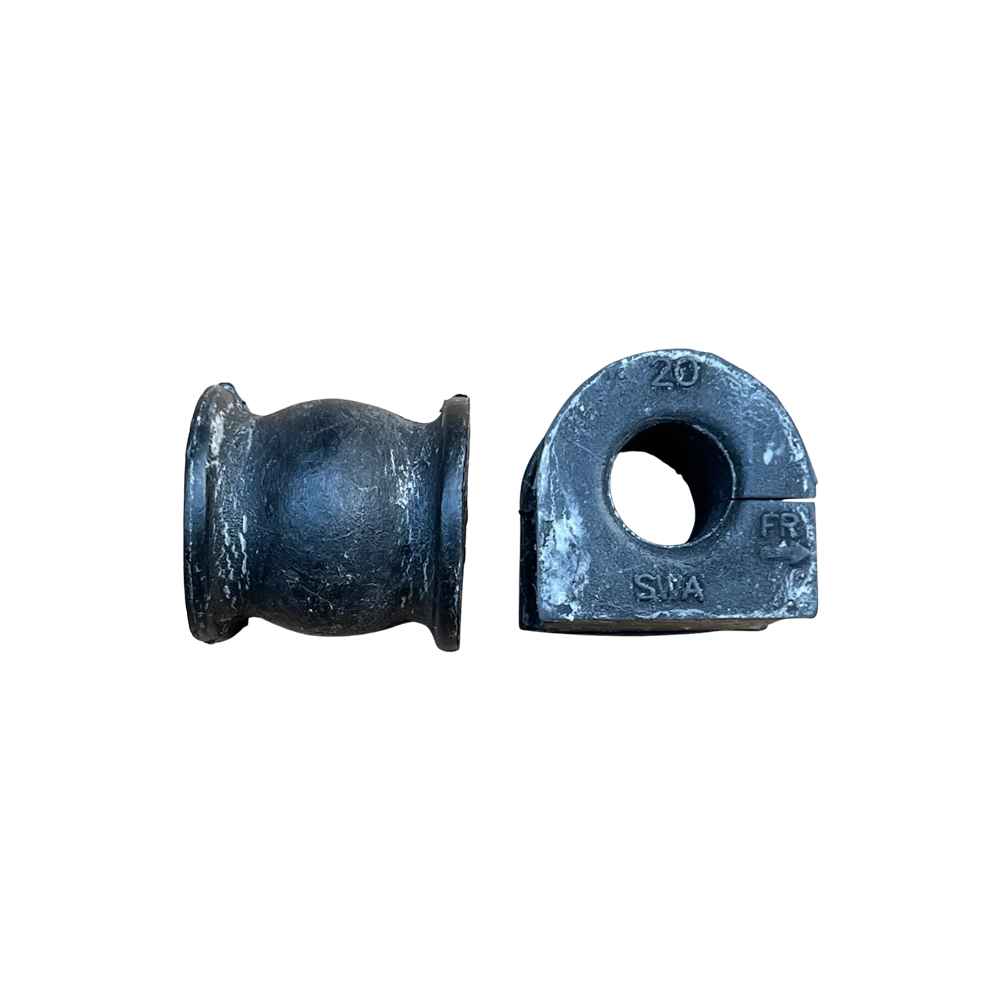
Often utilized in standard applications, rubber gaskets provide flexibility and a good sealing capability. However, they may not be suitable for extreme temperature conditions typically found in high-performance engines.
Cork
Cork gaskets have been widely used due to their compressibility. While they can effectively seal against fluids, they tend to deteriorate over time, especially when exposed to oil and heat.
Composite Materials
Manufacturers frequently use composite materials, combining rubber with other substances to enhance durability. These gaskets often exhibit improved resistance to temperature fluctuations and chemical exposure.
Metal Gaskets
Metal gaskets are particularly robust and frequently employed in high-stress environments. They can withstand extreme temperatures and pressures but require precise machining for effective sealing.
Considerations for Choosing Gasket Material
Selecting the right material requires careful consideration of several factors:
- Plage de température :Chaque matériau a une tolérance de température spécifique ; il est donc crucial de comprendre l'environnement de fonctionnement.
- Compatibilité des Fluides :Tous les matériaux ne peuvent pas résister à l'exposition à des fluides spécifiques, tels que les huiles ou le liquide de refroidissement.
- Conditions de Pression :Les applications à haute pression nécessitent des matériaux robustes capables de maintenir leur intégrité sous contrainte.
- Vieillissement et Dégradation :Les joints doivent être résistants aux facteurs de vieillissement comme l'ozone et la lumière UV, qui peuvent compromettre leurs capacités d'étanchéité.
Impact of Poor Gasket Selection
Choosing an inappropriate gasket material can lead to severe consequences, including:
- Des fuites de fluides, qui peuvent diminuer l'efficacité hydraulique.
- Une usure accrue des composants du moteur en raison d'une étanchéité inadéquate.
- Des risques de contamination dus à l'entrée de saleté et de débris dans le système.
- Des dommages ou des pannes potentielles du moteur en raison de la perte de pression.
Brands and Innovations
Notable brands such as Guanghua have been recognized for their advancements in gasket technology. Utilizing modern manufacturing techniques, they produce gaskets that meet stringent industry standards while enhancing reliability in hydraulic systems.
Maintaining Engine Gaskets
Regular maintenance plays a significant role in prolonging the life of engine gaskets. Periodic inspections can help identify early signs of wear, allowing for timely replacements. Ensuring that gaskets are installed correctly also minimizes the risk of premature failure.
Conclusion : Prendre une décision éclairée
Ultimately, the selection of the appropriate material for engine gaskets in automotive hydraulic systems demands thorough analysis and understanding of the application’s unique requirements. By considering factors such as temperature, fluid compatibility, and pressure conditions, one can make informed decisions that will protect engine integrity and enhance performance.