Comprendre les joints de couvre-culasse
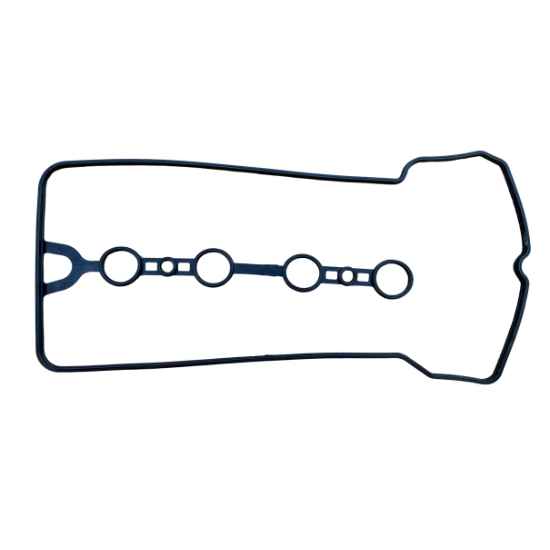
When it comes to vehicle driveline and axle repair, valve cover seals play a significant role. They act as barriers against oil leaks, ensuring that your engine runs smoothly without any hiccups. You know, it’s one of those things that you don’t really think about until it becomes a problem. And trust me, dealing with leaks is no fun!
Types of Materials Used for Valve Cover Seals
So, what materials are commonly used for these seals? There are a few options available, each with its own set of pros and cons.
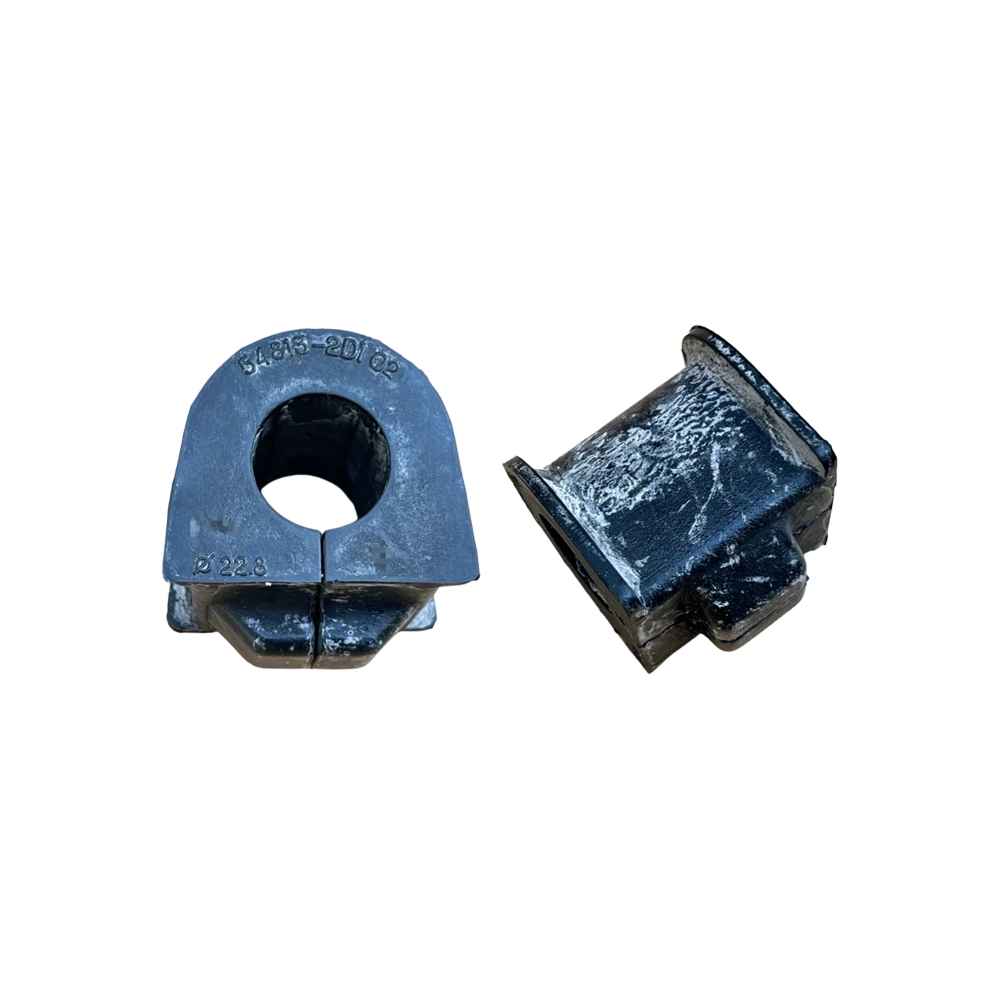
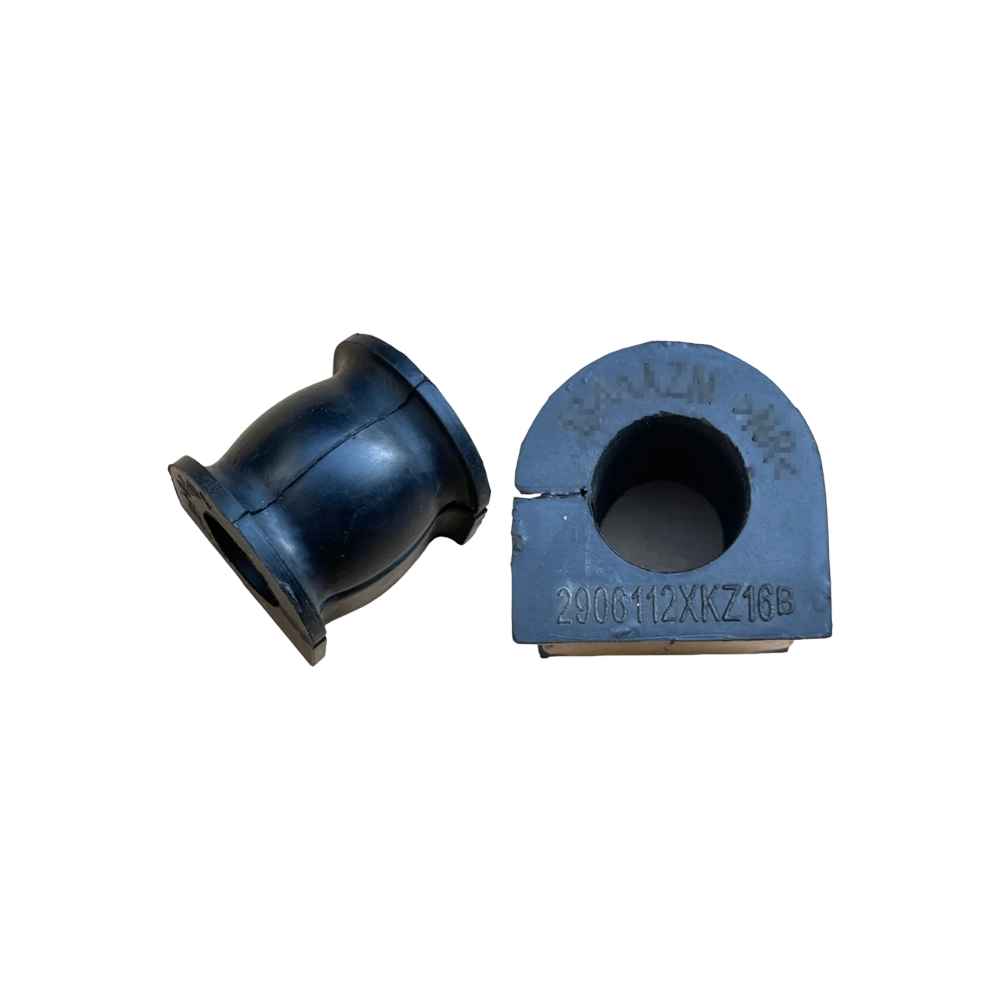
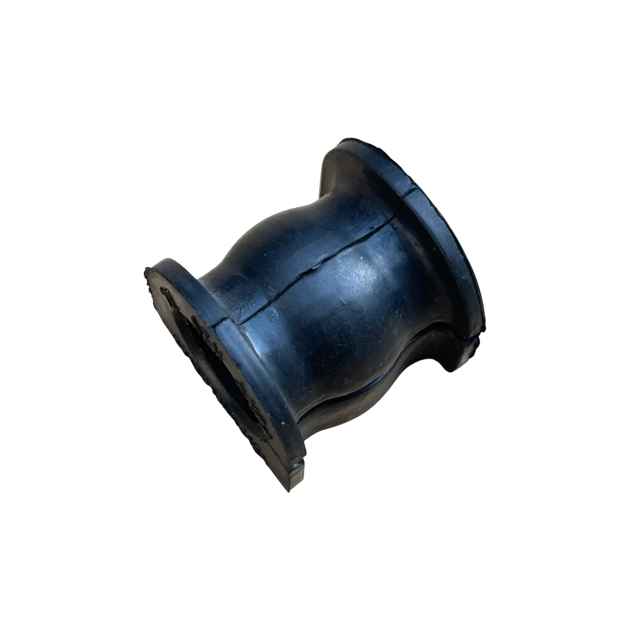
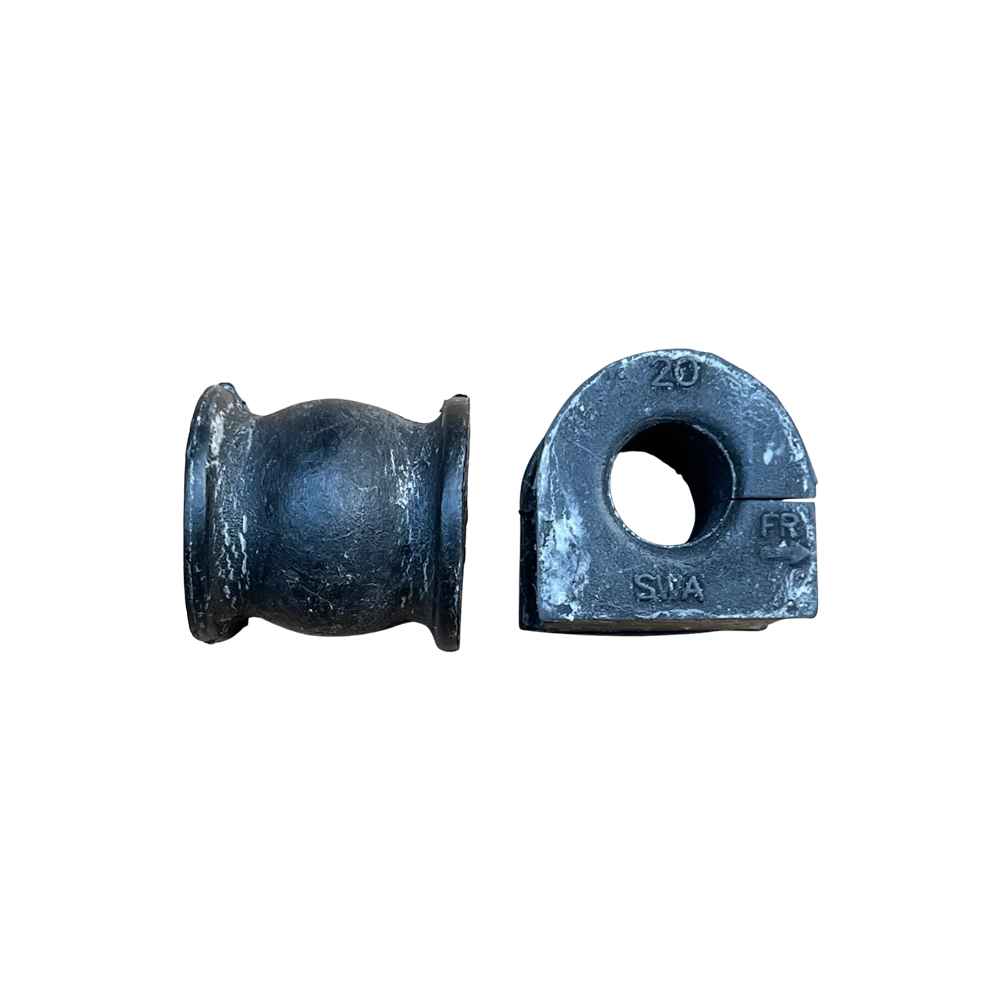
- Caoutchouc :This is the classic choice. Rubber seals are flexible and provide a decent level of resistance to heat and oil. However, they can wear down over time, especially in high-temperature environments.
- Silicone :A step up from rubber, silicone is more durable and offers better sealing properties. It can withstand extreme temperatures and is less prone to cracking. Many manufacturers, like Guanghua, utilize silicone for their seals.
- Matériaux composites :These seals combine different materials to enhance performance. They may include fibers or other elements that improve durability and resistance to various chemicals.
Why Material Choice Matters
You might wonder why you should care about the material of valve cover seals. Well, the right seal can significantly affect the longevity and efficiency of your engine. For instance, if you install a low-quality rubber seal, you could end up with oil leaking all over your engine bay within a short period. That’s not just messy; it can lead to bigger problems down the line.
Environmental Factors to Consider
The environment where your vehicle operates plays a crucial role in material selection. If you're driving in extreme temperatures or harsh weather conditions, the seal needs to be resilient enough to handle such stressors. For example, during winter, seals made from silicone would fare much better than standard rubber seals due to their temperature tolerance.
Conseils d'installation
Alright, this is pretty important. When installing valve cover seals, make sure the surface is clean and free from debris. Even a tiny speck can cause leaks later on! Additionally, applying a little bit of oil to the seal before installation can help it seat properly, reducing the chance of pinching during assembly.
Erreurs courantes à éviter
Let’s talk about some blunders that people often make when choosing valve cover seals.
- Not Considering Compatibility:Always check if the seal is compatible with your vehicle's make and model. A fancy silicone seal won’t do you any good if it doesn’t fit properly!
- Ignorer les spécifications OEM :Original Equipment Manufacturer (OEM) specifications matter. Using aftermarket parts that don’t meet OEM standards can lead to premature failure.
- Over-tightening Bolts:It’s tempting to crank those bolts tight, but over-tightening can crush the seal and create gaps. Just snug them up and you’ll be golden.
Signs of a Failing Valve Cover Seal
If you’re wondering whether your valve cover seal is on its last leg, keep an eye out for a few signs:
- Fuites d'huile visibles autour de la zone du couvercle de soupape.
- Odeur d'huile brûlée, indiquant que l'huile fuit et touche des pièces chaudes du moteur.
- Augmentation du bruit du moteur, ce qui pourrait signifier que l'huile ne lubrifie pas les composants comme elle le devrait.
Conclusion Thoughts on Material Selection
Choosing the right material for valve cover seals is essential for maintaining your vehicle’s health. Whether you opt for durable silicone or stick with reliable rubber, always consider the environmental factors and installation best practices. Remember, a small oversight can lead to a big headache!
When in doubt, consult a professional who knows the ins and outs of driveline and axle repairs. After all, a well-maintained seal leads to smoother rides and fewer trips to the mechanic!