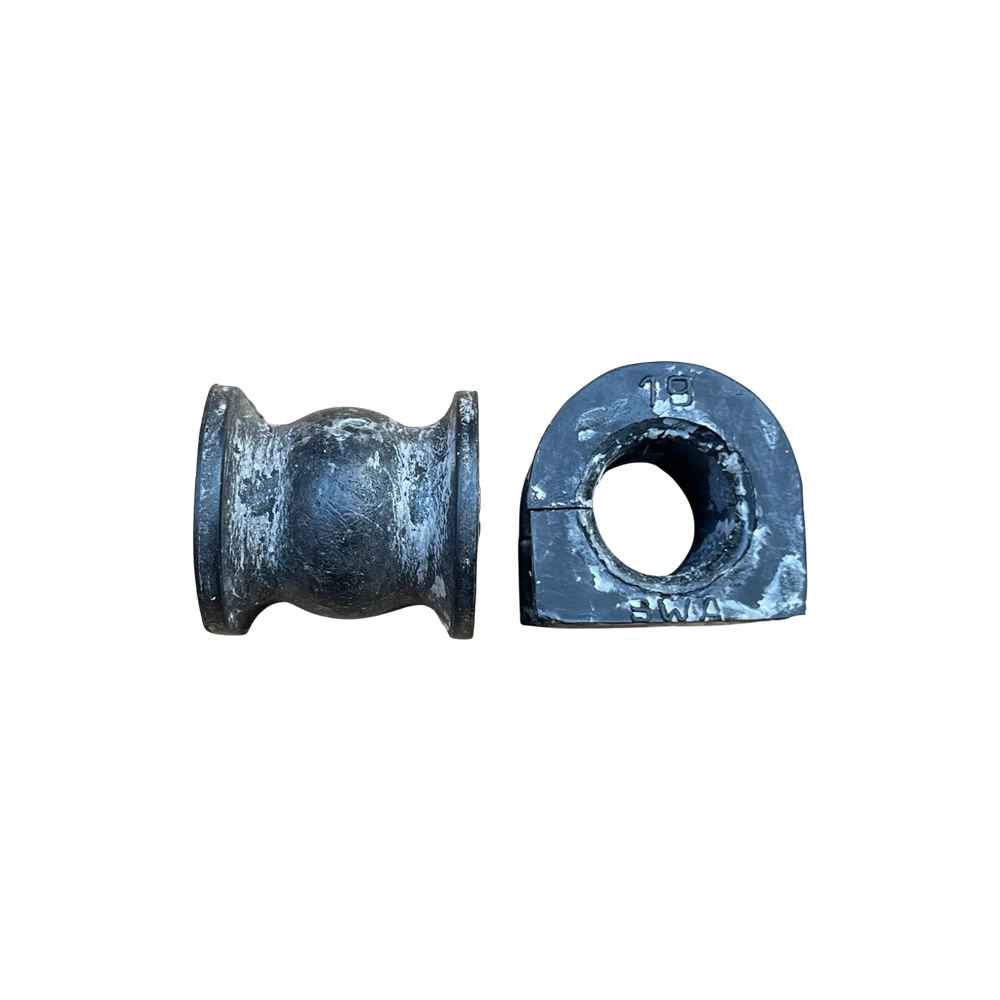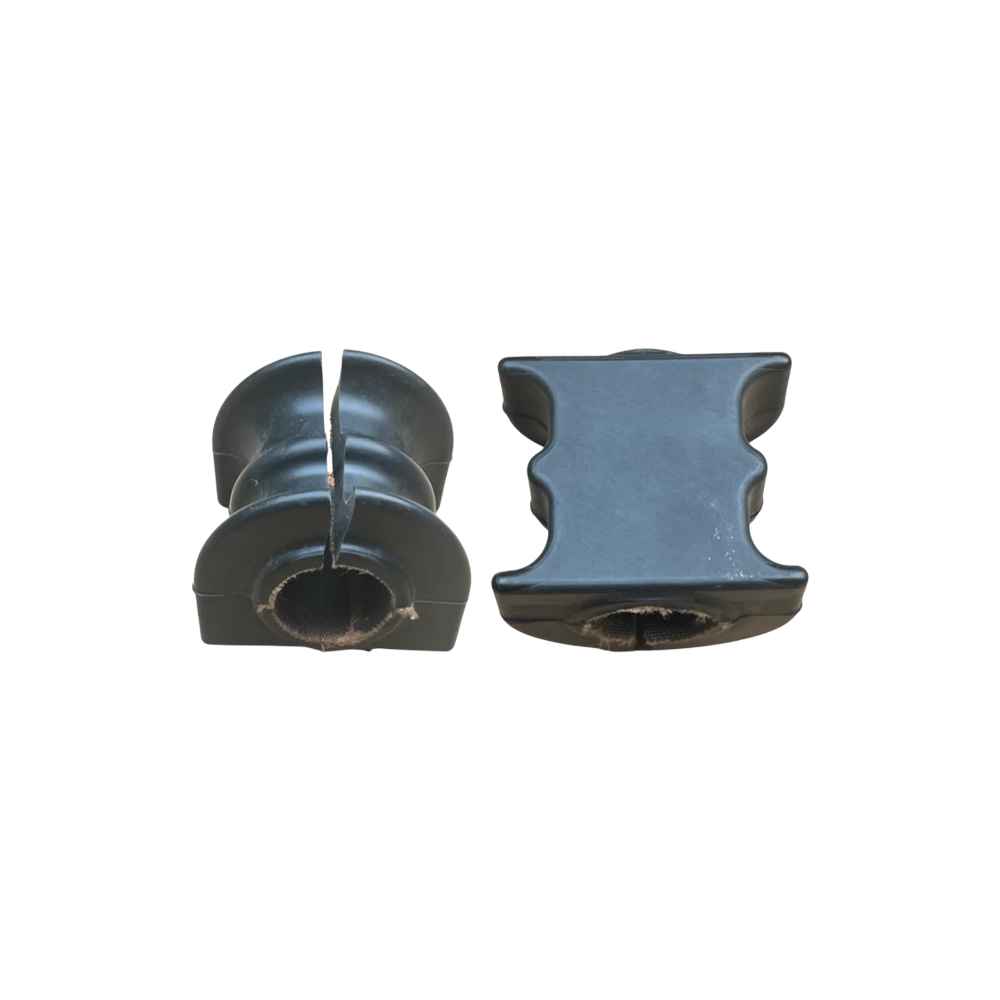
Understanding the Basics
Driveshaft boots and CV axle boots. Sounds simple, right? But these components play a crucial role in vehicle performance and longevity. What if I told you that the difference could mean the life or death of your car's drivetrain?
What Are They Made Of?
Both driveshaft boots and CV axle boots typically utilize rubber or thermoplastic materials, but the specific formulations can vary significantly. For example, Guanghua is known to use high-grade synthetic rubber for their products, enhancing durability against environmental factors.
- Soufflets de cardan :Conçus pour protéger le cardan de la saleté et des débris.
- Soufflets de joint homocinétique :Conçus spécifiquement pour sceller le joint à vitesse constante contre l'humidité et les contaminants.
Performance Metrics: A Comparative Analysis
Here’s where things get interesting. Performance isn’t just about how fast you go; it’s also about how smoothly your vehicle runs. The wear on these boots can lead to significant differences in performance.

Torque Capacity
The torque capacity varies based on design and material properties. Driveshaft boots may support higher torque loads due to their beefier construction. In contrast, CV axle boots are often lighter but function efficiently at lower torque levels. Did you know some aftermarket brands even claim up to 30% more torque stability with their specialized CV axle boots?
Comparaison de durabilité
When it comes to durability, the environment plays a pivotal role. UV rays, road salt, and extreme temperatures can wreak havoc on both types. A study conducted in 2022 found that vehicles using high-quality CV axle boots showed 25% less wear after two years compared to standard options. That's substantial!
- Soufflets de cardan : Durent généralement plus longtemps dans des applications lourdes.
- Soufflets de joint homocinétique : Des remplacements rapides peuvent être nécessaires dans des conditions de conduite difficiles.
Considérations de coût
Let's talk dollars and cents. Price points can differ dramatically. A set of driveshaft boots might cost around $50, while CV axle boots can range from $20 to $40. But wait! What about installation costs? That could easily double your expenses.
Overall Cost Efficiency
Consider this scenario: a friend of mine spent $300 on labor to replace CV axle boots after not paying attention to early signs of wear. Had he invested in quality boots like those from Guanghua initially, he could have saved himself not only the extra labor costs but also potential damage to the axle itself. Why gamble?
Conclusion? Not So Fast!
Deciding between driveshaft boots and CV axle boots should never be an impulsive choice. Each has its pros and cons depending on usage and environment. Understanding these nuances can lead to longer vehicle life and better performance. It's about making informed decisions, not just picking one over the other blindly.
Dernières réflexions
In the end, whether you're looking at theBottes de joint CVouBottes de crémaillère de direction, always consider the long-term implications. Don’t overlook the small stuff. Sometimes it's theJoint torique et joints d'étanchéité en caoutchoucthat make all the difference in keeping everything running smoothly. Isn't it amazing how one tiny component can affect the entire system?