Understanding Oil Seepage and Leakage
In the realm of automotive engineering, oil seepage and leakage are common adversaries that can lead to significant engine performance issues. These problems arise mainly from the inability of sealing components to withstand extreme thermal conditions and pressure fluctuations within the engine. Identifying the root causes of these leaks is essential for effective prevention and maintenance.
What Causes Oil Leaks?
Oil leaks can be attributed to various factors, ranging from worn-out seals to improper installation of components like theJoint de couvercle de soupape. Over time, gaskets and O-rings lose their elasticity, leading to gaps where oil can escape. This phenomenon is exacerbated in heavy-duty applications, where engines must perform under high stress and temperature.
Key Components at Risk
- Culasse du moteur :Cette pièce abrite les soupapes et les bougies d'allumage, ce qui la rend susceptible aux fuites d'huile si elle n'est pas correctement scellée.
- Joint de couvercle de soupape:Un composant essentiel qui scelle la zone entre le bloc moteur et la culasse ; sa défaillance peut provoquer des fuites significatives.
- Joints toriques et joints d'étanchéité en caoutchouc:Ces petits éléments, mais cruciaux, sont souvent négligés, mais jouent un rôle vital dans le maintien d'une étanchéité correcte sous pression.
Heavy-Duty Oil Leak Prevention Techniques
To effectively eliminate oil seepage and leakage, especially in extreme conditions, several strategies can be employed. Implementing robust solutions ensures that engines maintain optimal performance while minimizing the risk of potential damage.
1. Quality Sealing Materials
Utilizing high-quality sealing materials such as those found inGuanghuaproducts can significantly enhance the longevity of gaskets and seals. Heavy-duty materials are engineered to withstand higher temperatures and pressures, making them ideal for demanding applications.
2. Regular Maintenance Checks
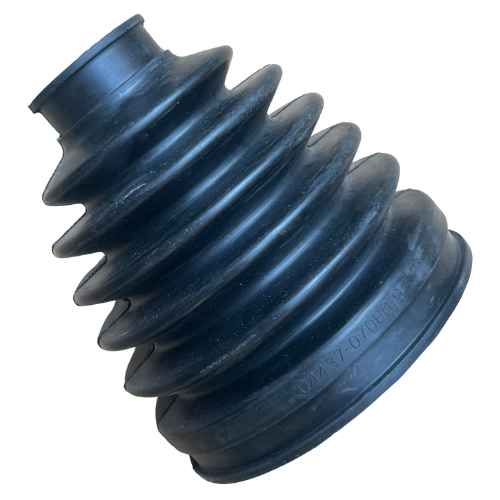
Scheduled inspections of critical components such as CV joint boots and steering rack boots help catch potential issues before they escalate. Regularly replacing worn parts not only prevents leaks but also extends the lifespan of the entire engine system. A proactive approach is far more cost-effective than reactive repairs.
3. Proper Installation Techniques
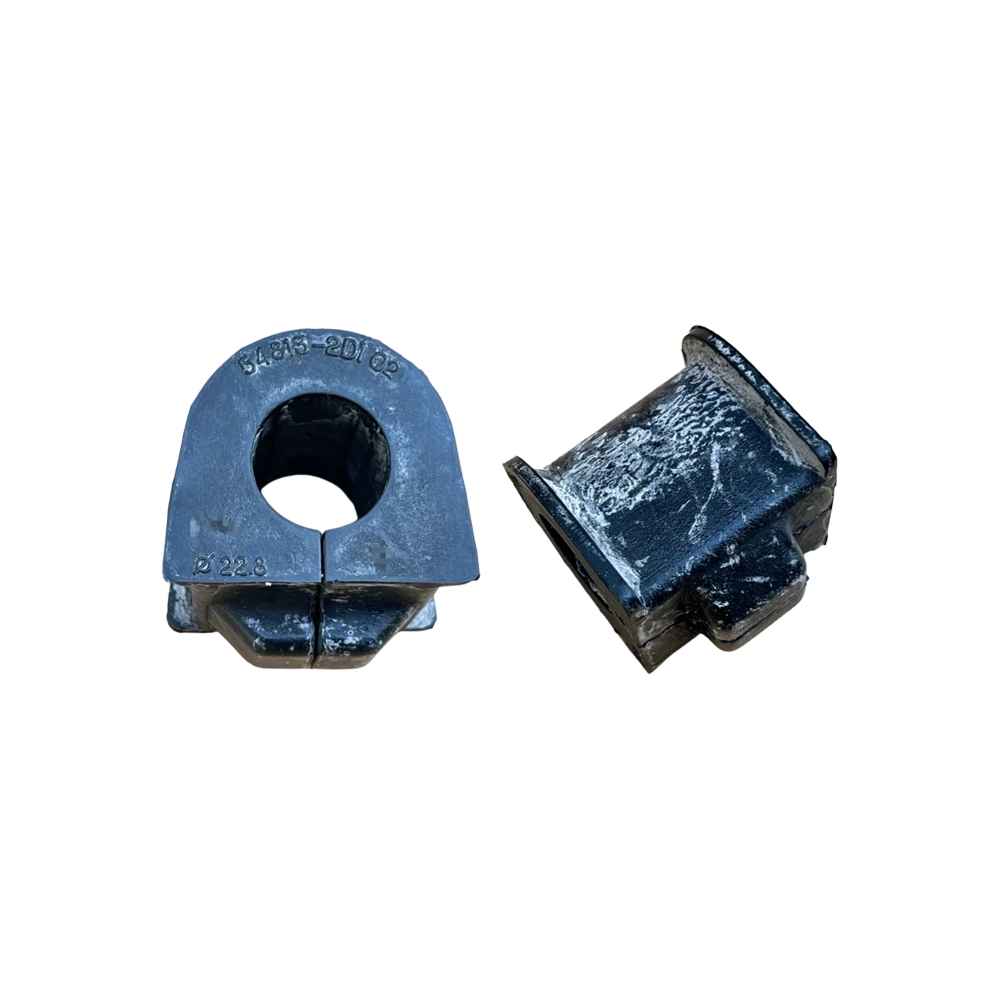
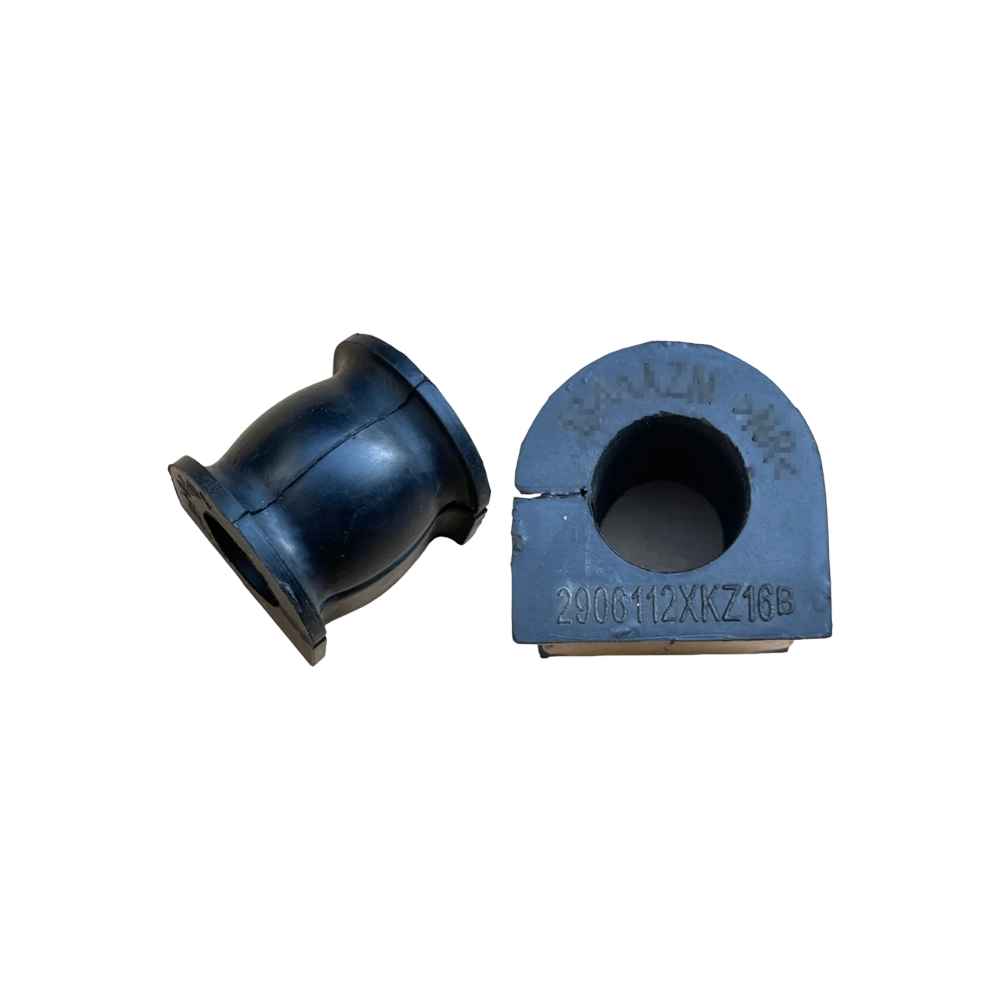
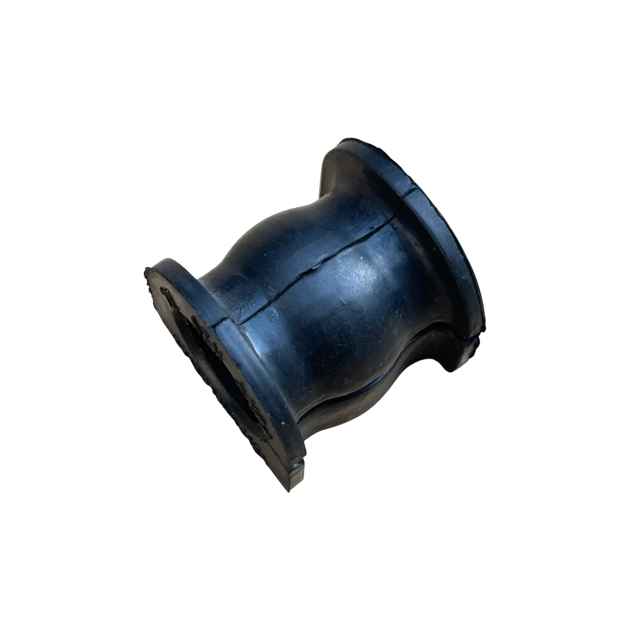
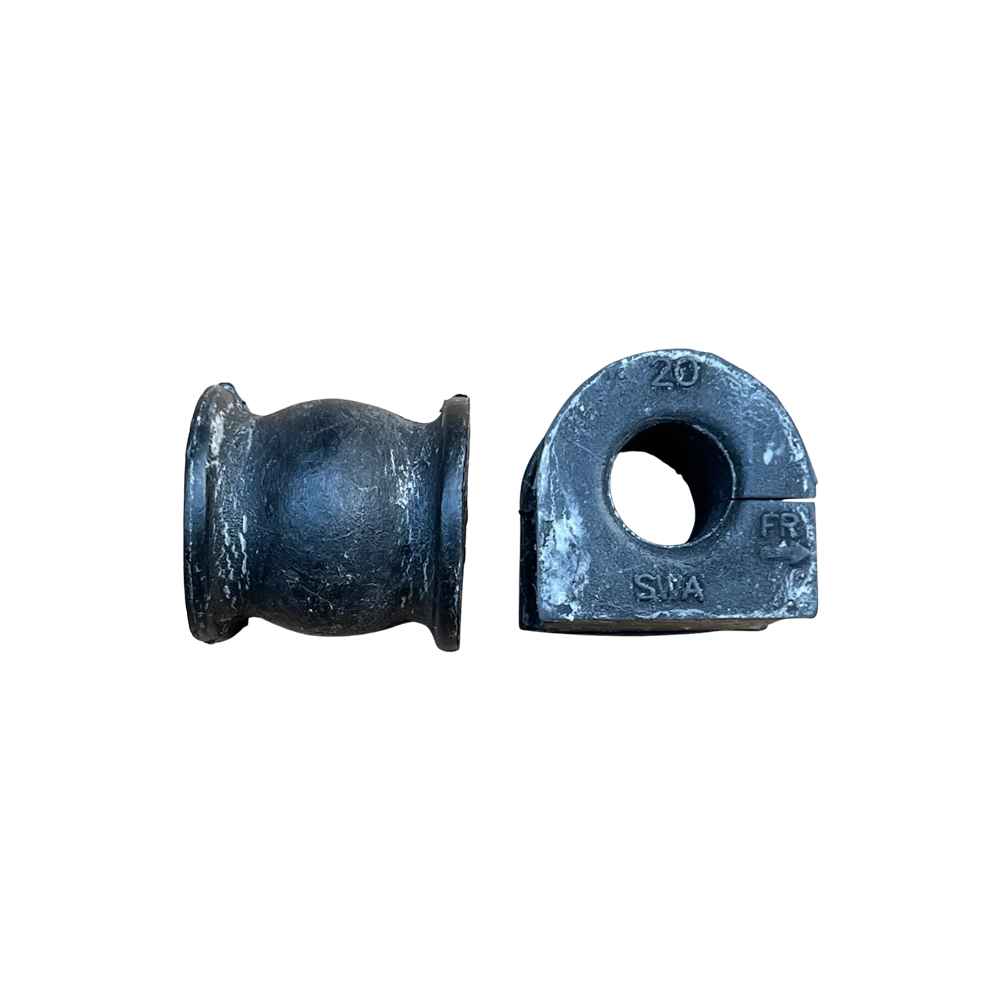
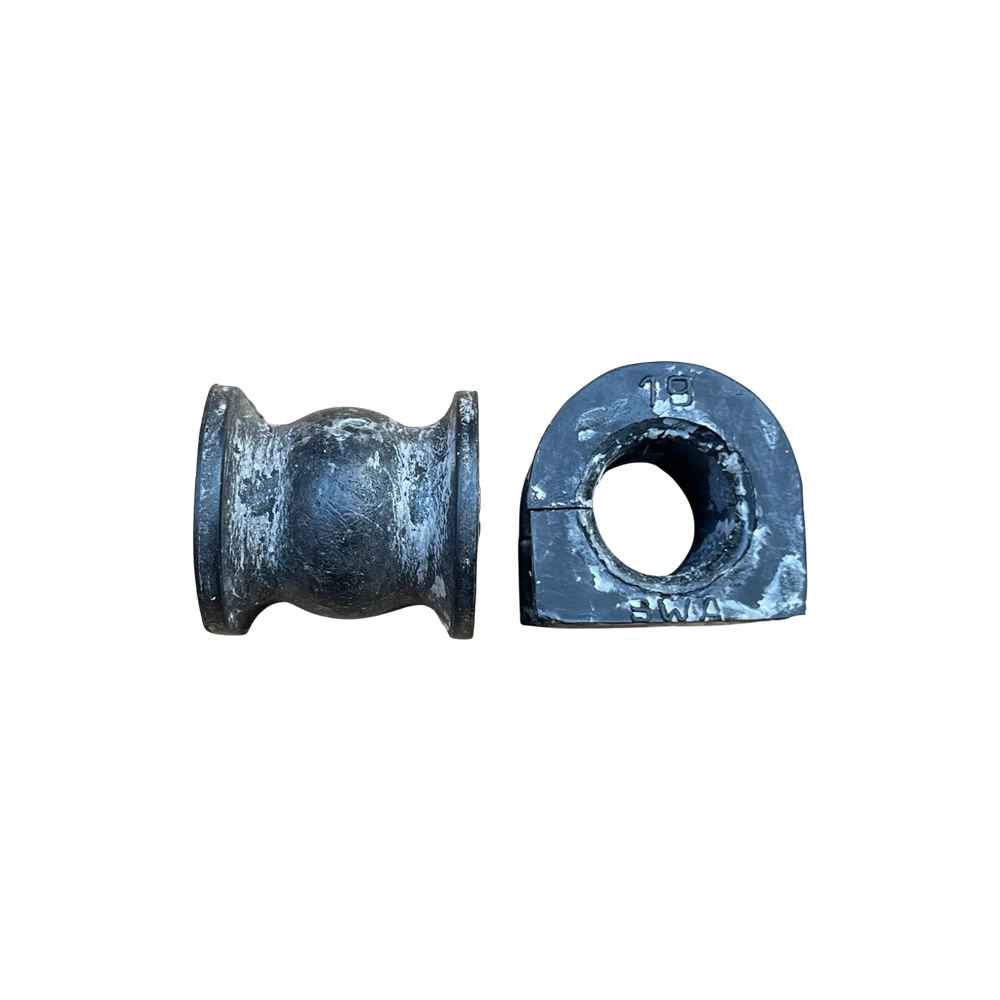
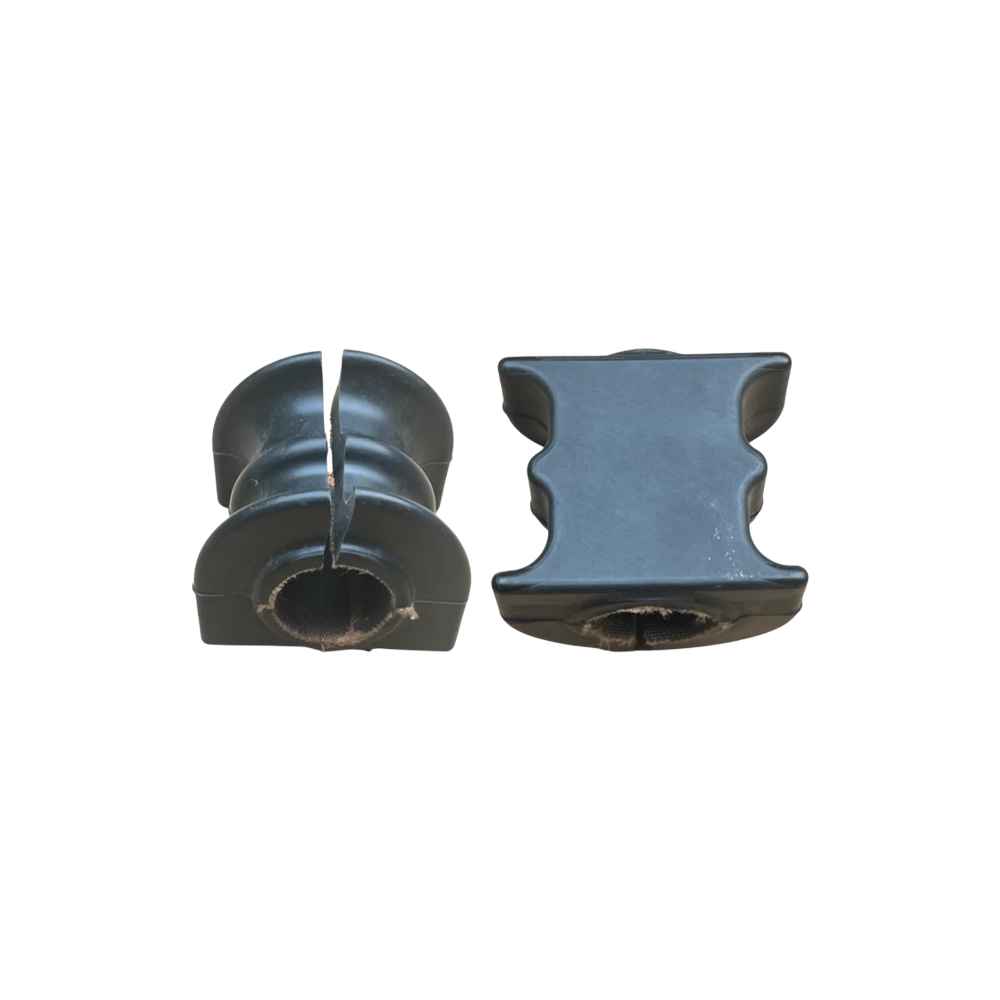
The installation process of components like shock absorber boots and stabilizer bar bushings is vital. Ensuring that each part is fitted correctly helps maintain a tight seal. It’s important to follow the manufacturer's guidelines strictly during installation to avoid future complications.
Advanced Solutions for Extreme Conditions
When dealing with extreme conditions, additional measures may be necessary to ensure comprehensive protection against oil leaks.
1. Engine Treatments
Consider adding advanced engine treatments that provide an extra layer of protection. These treatments can rejuvenate worn seals and gaskets, helping them maintain their elasticity and sealing capabilities even in harsh environments.
2. Sealants and Gasketing Compounds
For certain applications, applying specialized sealants or gasketing compounds can enhance the sealing properties of existing gaskets. This method is particularly useful in high-stress areas where traditional sealing methods have proven inadequate.
3. Monitoring Systems
Installing monitoring systems that detect changes in pressure or temperature can alert you to potential leaks before they cause major issues. This technological advancement allows for immediate action, reducing the risk of extensive engine damage.
Conclusion
Preventing oil seepage and leakage in engine cylinder heads requires a multifaceted approach. By understanding the risks, utilizing quality materials, and implementing advanced techniques, you can ensure your engine performs at its best in even the most challenging conditions. Remember, regular maintenance and vigilance are key to keeping oil leaks at bay.