Comprendre les fuites d'huile
Oil seepage can be a real headache for any vehicle owner. You know that feeling when you spot a dribble under your car, and it just ruins your day? Yeah, I’ve been there too! It’s not just unsightly; it can lead to more significant issues down the road if left unattended. The key is understanding what’s causing it in the first place.
Common Causes of Oil Leakage
There are several culprits behind that pesky oil leak:
- Worn-out Gaskets:Over time, gaskets degrade, leading to leaks.
- Poor Sealing:Sometimes, thoseJoints toriques et joints d'étanchéité en caoutchoucjust don’t seal properly.
- Deteriorated Hose Connections:Hoses, especially if they’re old, may crack or weaken.
The Role of Advanced Hydraulic Steering
Now, you might wonder how hydraulic steering fits into all this. Well, let me tell ya, it’s crucial! Advanced hydraulic steering systems are designed for precision, but they can also be prone to leakage if not maintained well.
Why Choose Advanced Systems?
These systems offer multiple benefits over traditional setups:
- Improved Steering Response:You get better control and feel while driving.
- Moins d'usure sur les composants :With fewer moving parts, there’s less chance of leaking.
- Easier Maintenance:They require less frequent servicing.
Fixing the Issue: Step by Step
Alright, let’s break down how to tackle that oil seepage once and for all!
Step 1: Identify the Leak Source
Start by pinpointing exactly where the leak originates. A good flashlight and some elbow grease can help here. Check around theJoint de couvercle de soupapearea—it's a notorious leak zone!
Step 2: Inspect Components
Look for worn CV joint boots or steering rack boots. If these are cracked or damaged, they could easily be allowing oil to escape. Don’t overlookBottes d'amortisseureither; they can be sneaky little troublemakers.
Étape 3 : Remplacer les pièces endommagées
If you find something amiss, replacing it is crucial. Grab some new O-rings and rubber sealing rings. They’re relatively cheap and can save you a lot of headaches later. Also, consider using products from trusted brands like Guanghua for reliability.
Pro Tips for Prevention
Want to keep those leaks at bay? Here are some expert tips:
- Inspections Régulières :Prenez l'habitude de vérifier votre système périodiquement.
- Fluides de qualité :Utilisez des fluides hydrauliques de haute qualité pour minimiser l'usure.
- Gardez les composants propres :La saleté peut aggraver les fuites, alors nettoyez régulièrement !
Dernières réflexions sur la maintenance
Taking care of your hydraulic steering system doesn’t have to be a chore. A bit of preventive work goes a long way. Remember, a well-maintained system will give you peace of mind—and fewer spills on your driveway!
When to Seek Professional Help
If the leak persists despite your best efforts, it may be time to consult a professional. Sometimes, what looks simple can turn out to be a complex issue. Better safe than sorry, right?

Comprendre les coûts
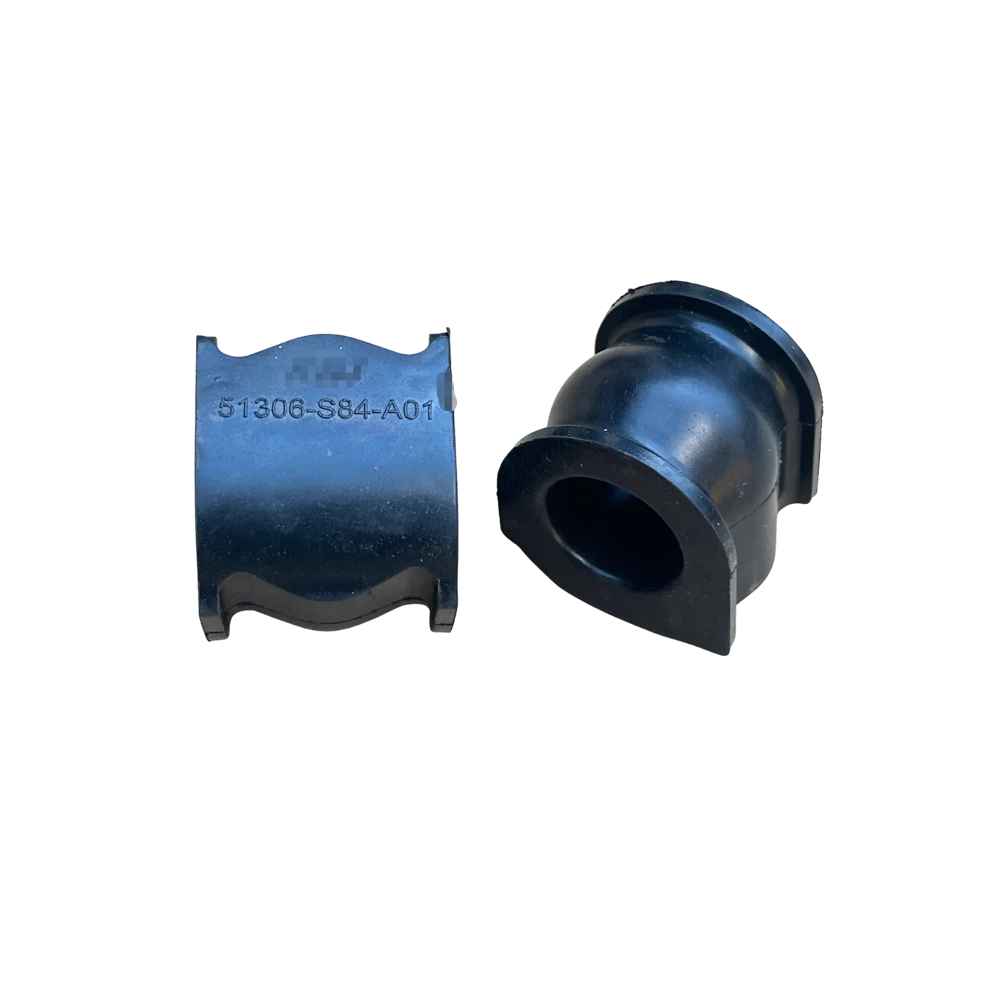
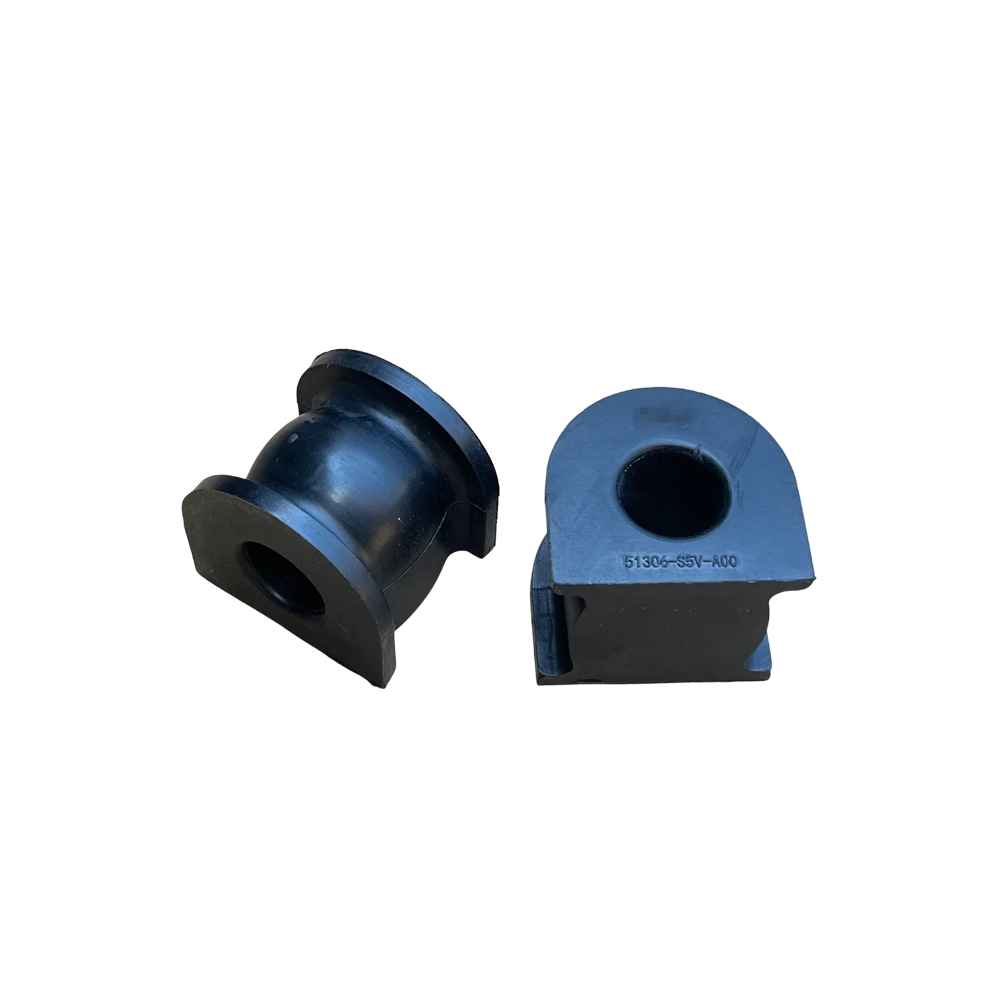
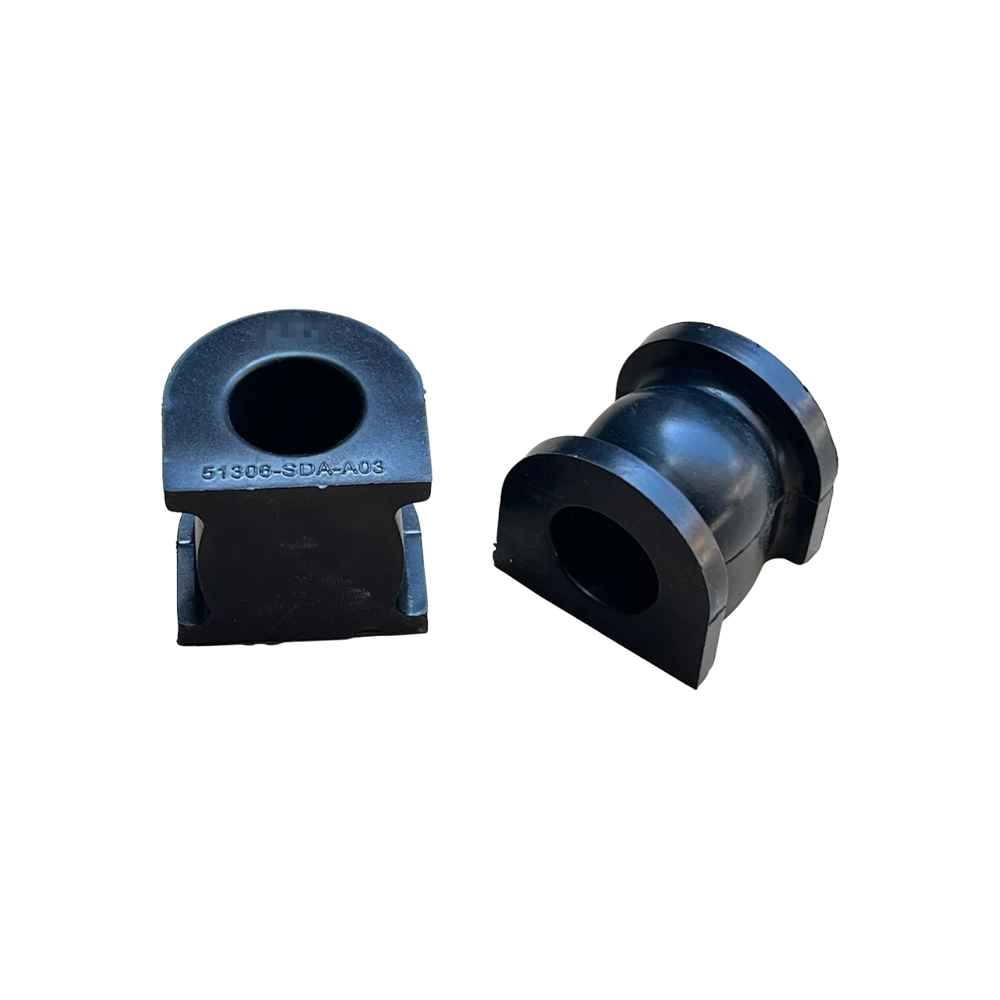
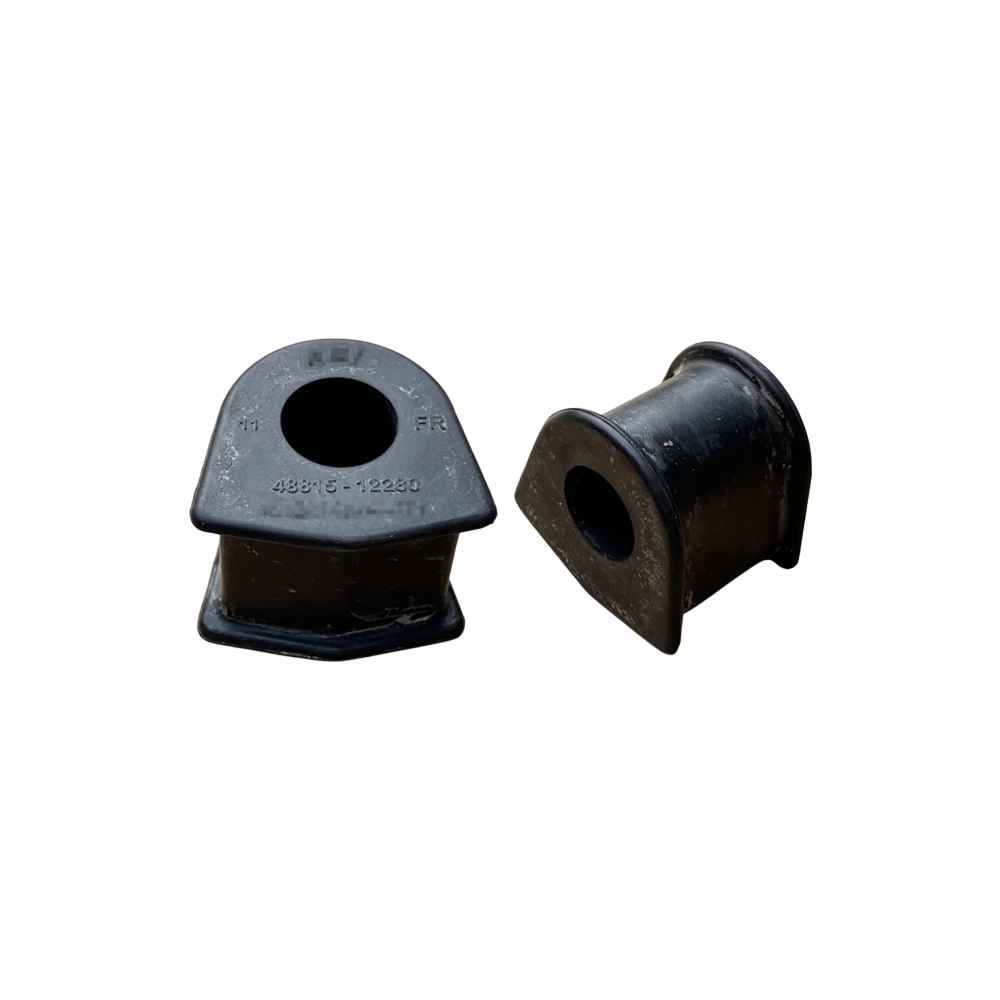
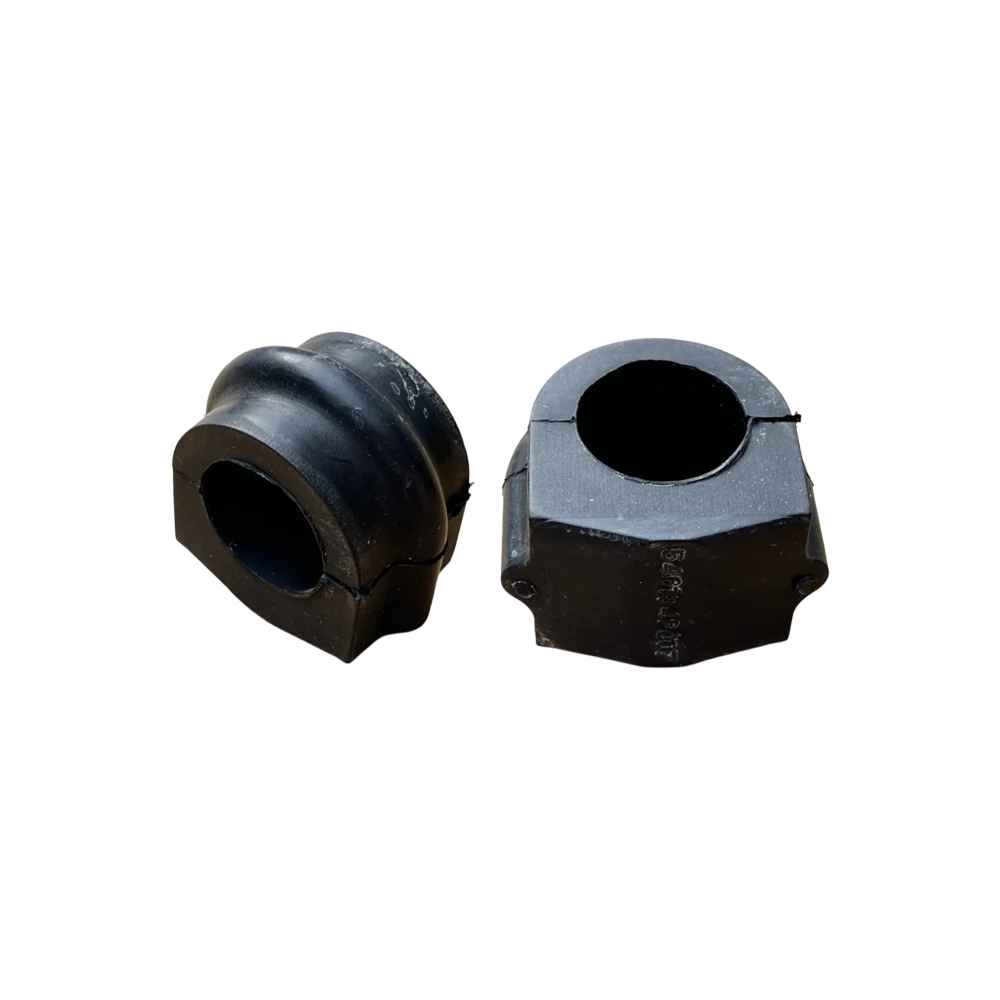
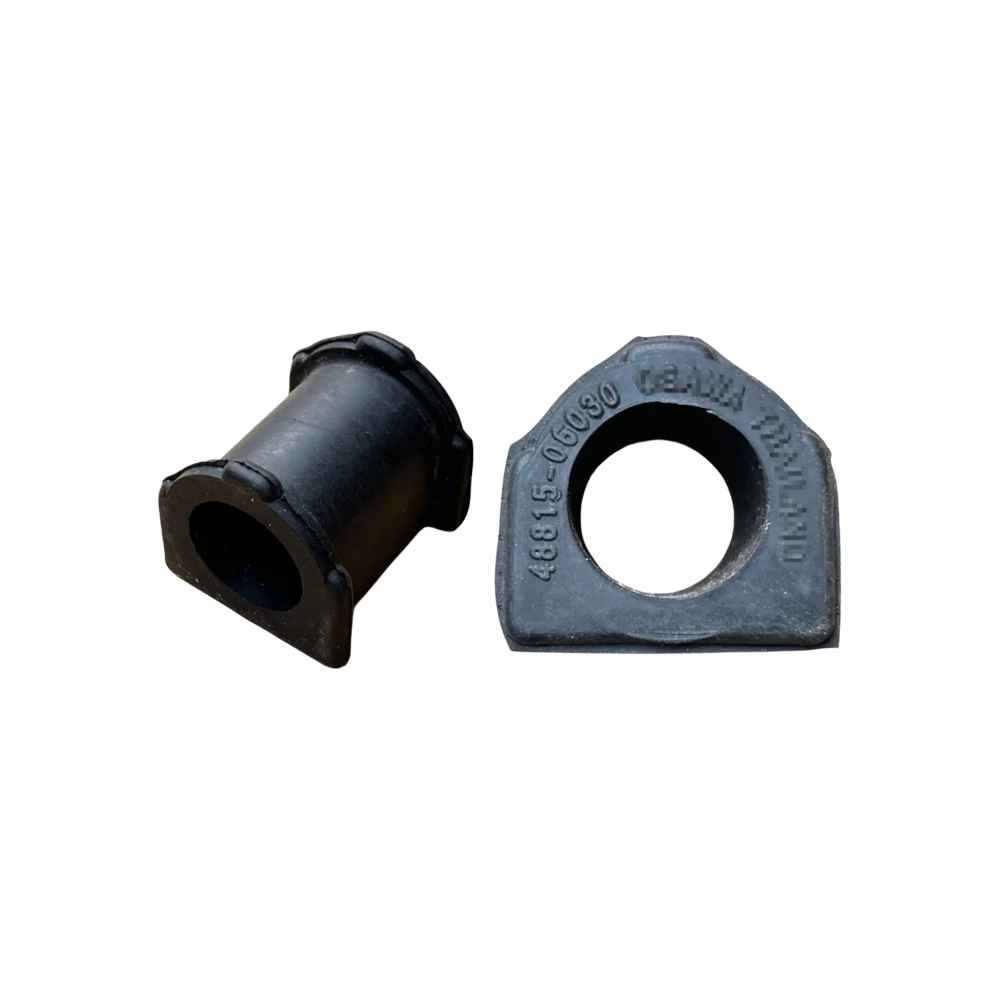
Be prepared for some costs if you're seeking expert help. Depending on what's needed, you might be looking at replacing stabilizer bar bushings or other components. It's worth getting quotes from a few shops before deciding.
Conclusion: Be Proactive!
In summary, dealing with oil seepage and leakage effectively requires diligence and knowledge. Investing time in regular maintenance and being aware of common problems can save you significant amounts of cash down the line. So roll up those sleeves and get to work!