
Understanding OEM Quality in Engine Gaskets
Engine gaskets are vital components in automotive hydraulic systems. They ensure proper sealing, maintain pressure, and prevent leaks. But how do you determine which gaskets meet OEM (Original Equipment Manufacturer) quality standards? The journey to identifying OEM quality requires a keen eye and strategic sourcing.
The Importance of Material Selection
Not all gaskets are created equal. The material used significantly affects durability and performance.OEM gasketstypically utilize high-grade materials like:
- Composite materials
- Rubberized compounds
- Metal reinforcements
- Fluoroélastomères
For instance, consider a scenario involving theGuanghuabrand'sJoint de couvercle de soupape. This product made from a premium fluoroelastomer offers better resistance to high temperatures compared to generic alternatives. Is it really worth risking engine integrity for a few bucks saved?
Identifying Key Specifications
When assessing gaskets, pay attention to specific dimensions and tolerances. Compare these against OEM specifications. A mismatch could lead to catastrophic failures. For example:
- Épaisseur : Les joints OEM ont souvent des mesures d'épaisseur précises ; trop épais ou trop fins peuvent compromettre l'étanchéité.
- Dureté : Mesurée en Shore A, cette métrique indique la flexibilité. Un joint de qualité OEM maintient une dureté constante sur toute sa surface.
Did you know that discrepancies as small as 0.1mm can lead to leaks? It’s a detail that shouldn’t be overlooked.
Testing Methods for Quality Assurance
Quality control measures play a crucial role in identifying OEM gaskets. Manufacturers often employ various testing techniques, including:
- Des tests de déformation à la compression pour évaluer la résilience du matériau
- Des tests de résistance à la traction pour évaluer la durabilité
- Des tests de fuite dans des conditions de fonctionnement simulées
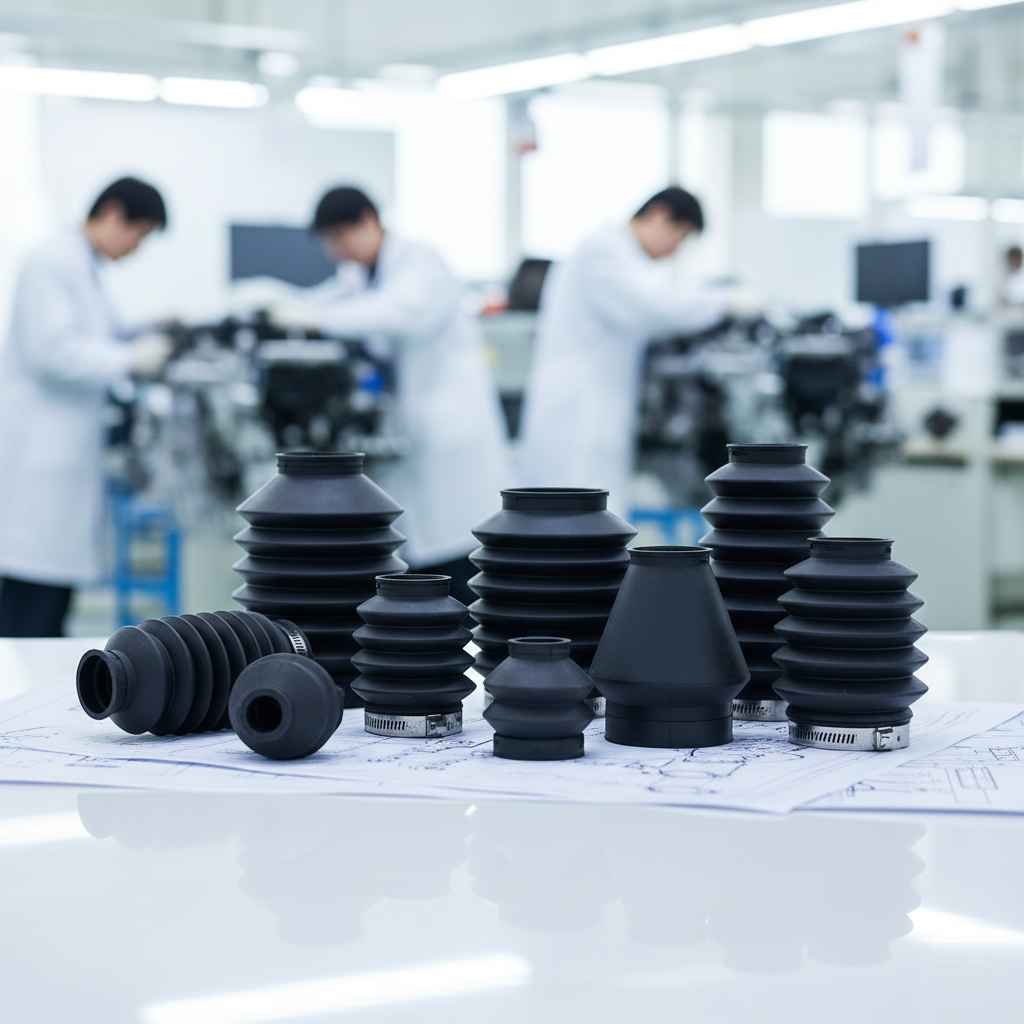
Take the example ofBottes d'amortisseur; they undergo rigorous testing to ensure they can handle extreme pressures without cracking. If a gasket hasn’t been subjected to such comprehensive testing, it may not meet OEM standards.
Supplier Reputation and Certifications
Choosing a supplier is another layer of complexity. Look for those with certifications such as ISO 9001, which indicates adherence to quality management principles. Suppliers offering products like CV joint boots orBottes de crémaillère de directionmust provide evidence of compliance with OEM standards.
Why settle for less when you can partner with reputable suppliers? Their commitment to quality ensures that your sourcing decisions yield reliable results.
Cost vs. Quality: The Dilemma
There’s always a cost factor involved. OEM gaskets might come at a higher price, but the potential savings from avoiding premature wear and tear are undeniable. Think about stabilizer bar bushings; investing in high-quality components can save thousands in repairs later.
A Proven Checklist for Sourcing
As you embark on your sourcing journey, keep this checklist handy:
- Vérifiez la qualité et les spécifications des matériaux.
- Examinez les méthodes de test utilisées par le fabricant.
- Vérifiez les certifications et la réputation du fournisseur.
- Comparez les prix tout en tenant compte de la valeur à long terme.
This checklist serves as a roadmap through the complex landscape of automotive hydraulic systems. Each tick marks progress toward acquiring OEM-quality engine gaskets.
Dernières réflexions
Purchasing engine gaskets isn’t just a routine task—it’s a responsibility. Ensuring you choose parts that meet OEM quality standards safeguards your vehicle’s performance and longevity. Don’t let shortcuts compromise your investment. With careful analysis and informed choices, you’ll be equipped to make the best decisions in 2026 and beyond.







