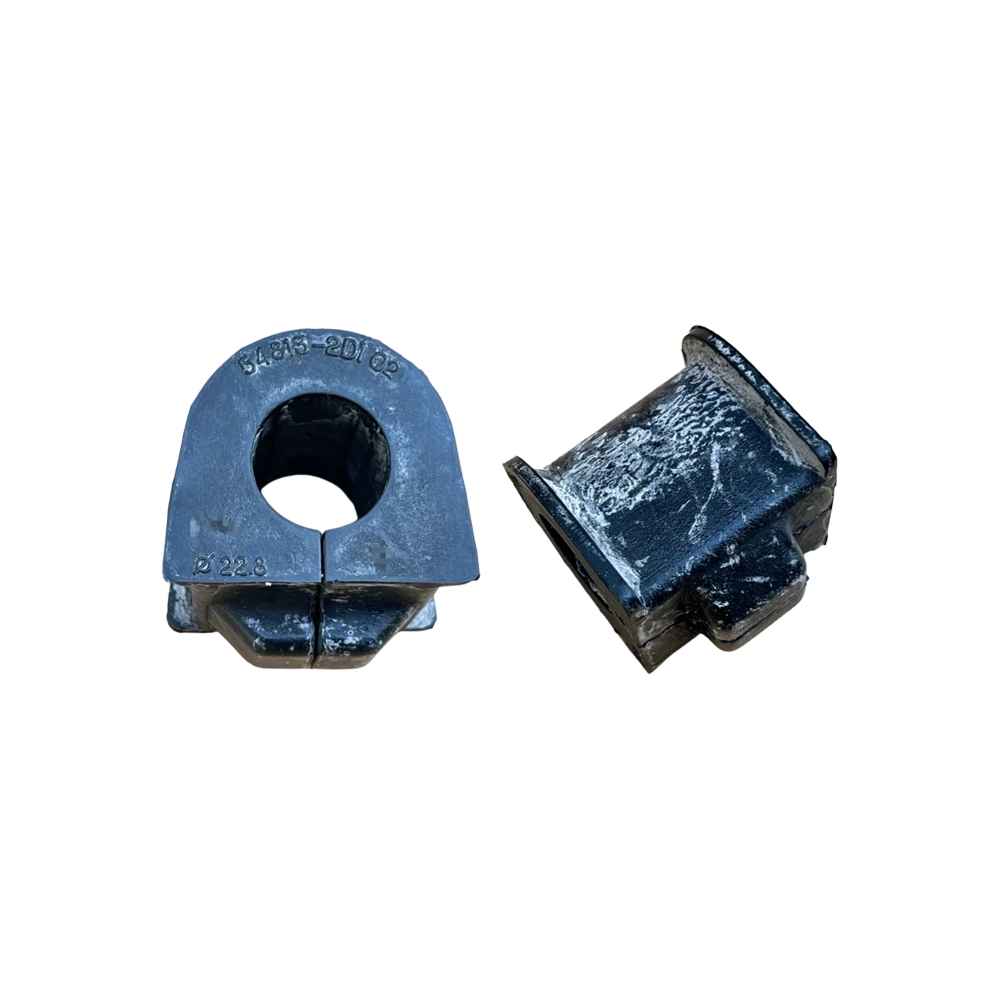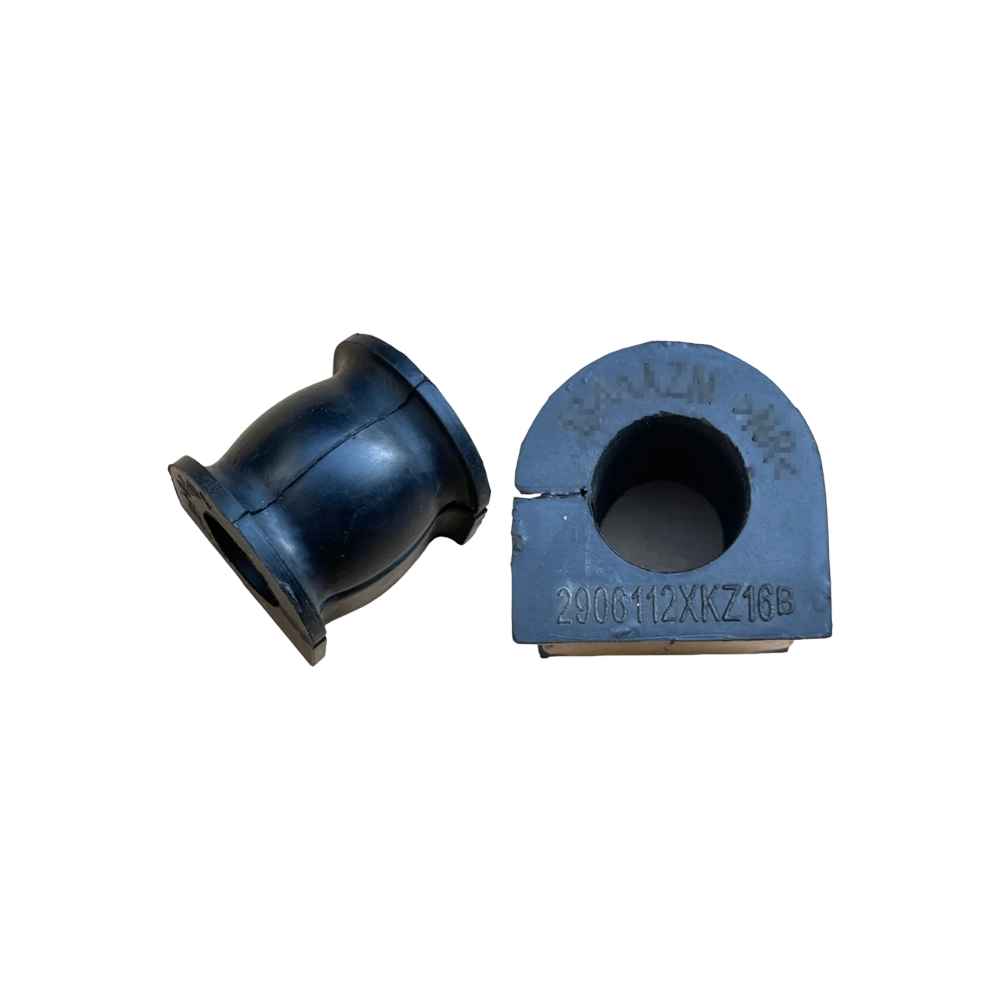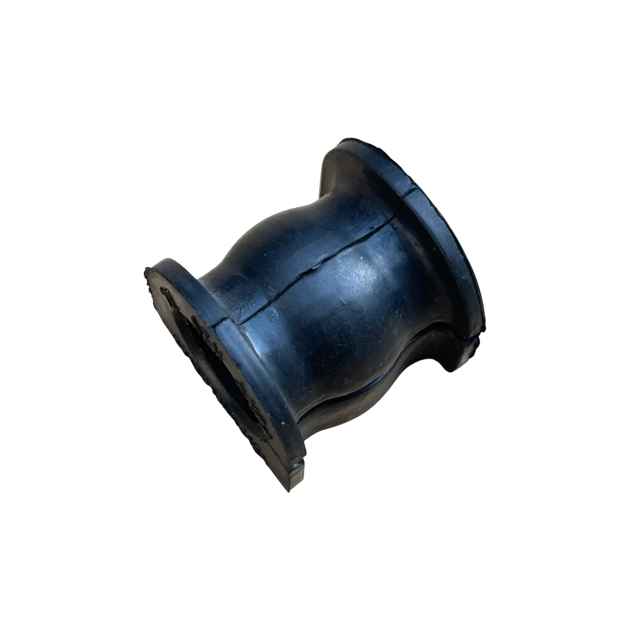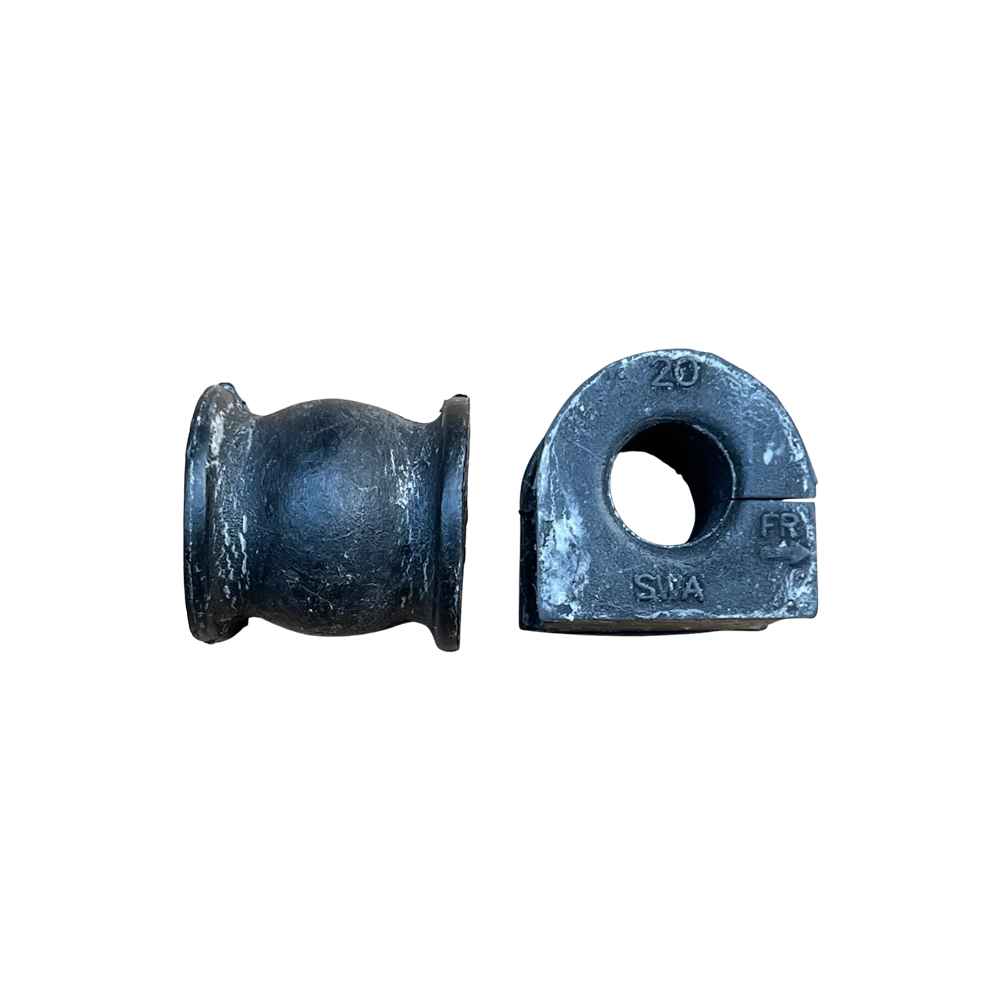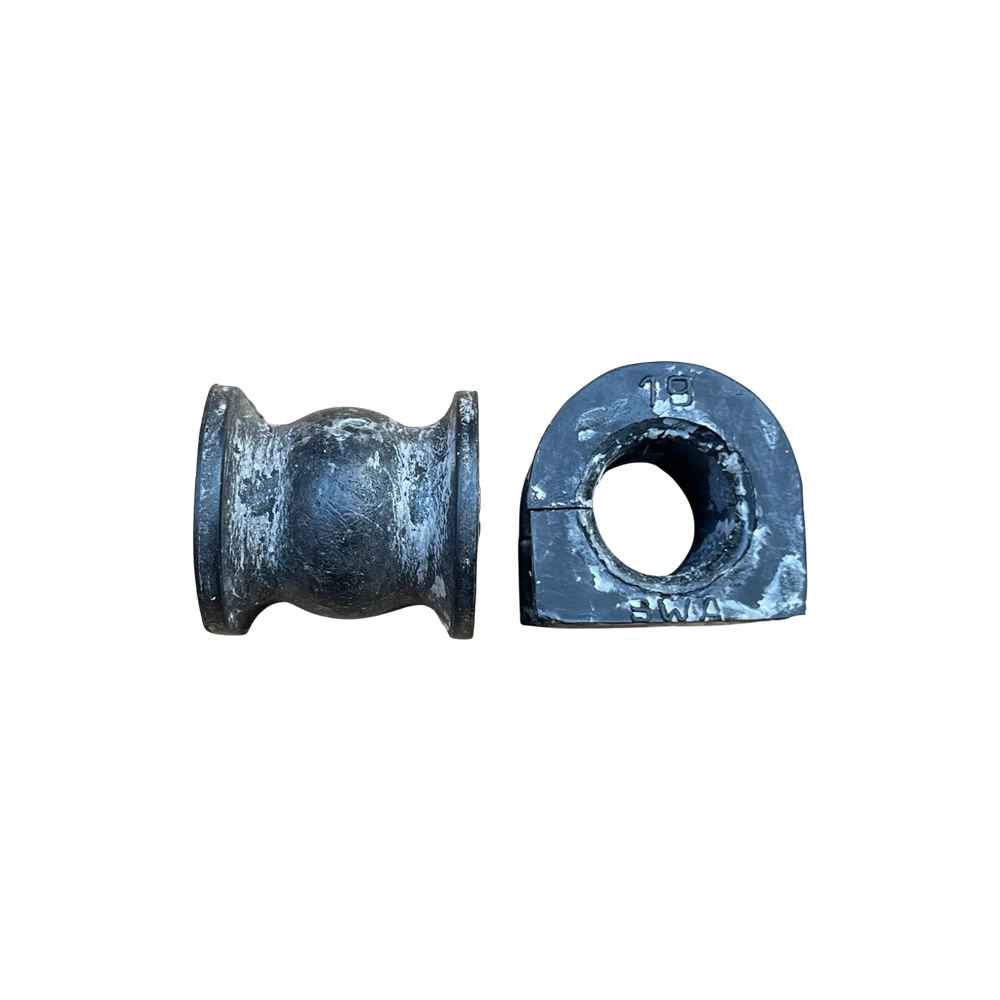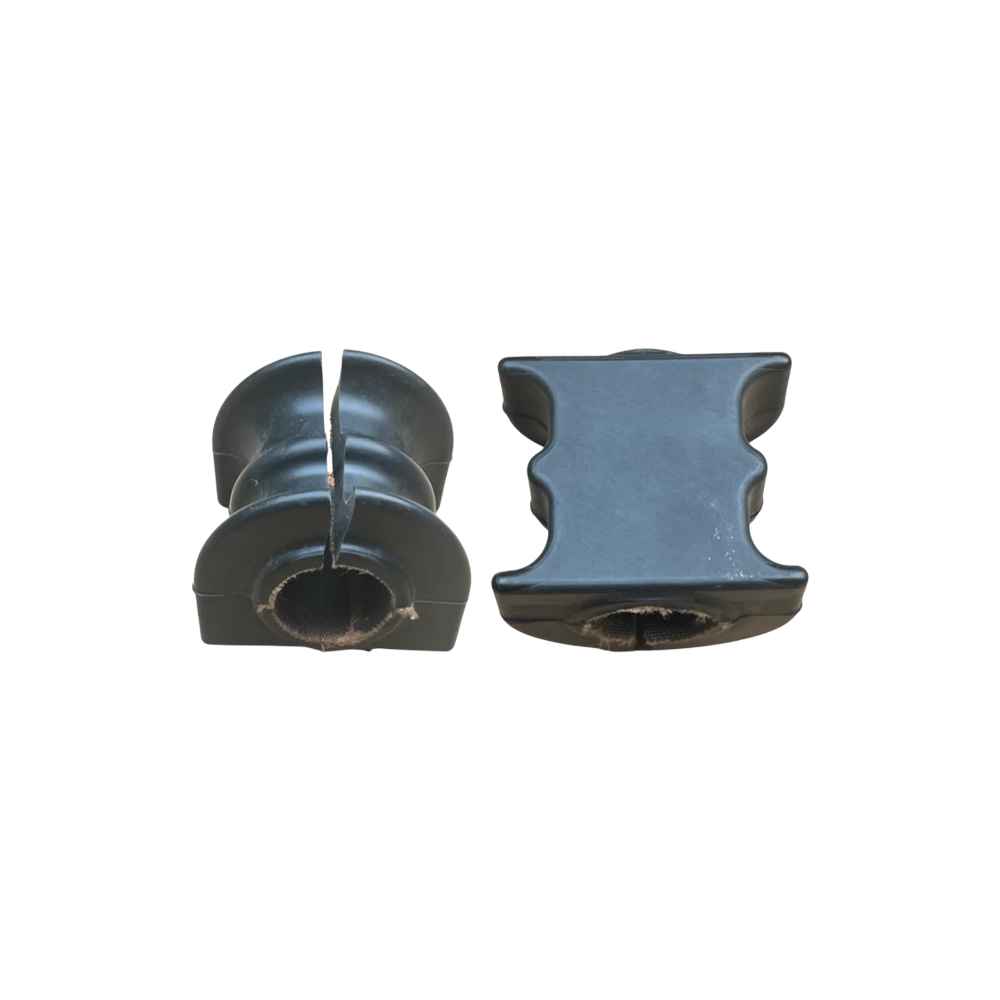
Comprendre le gonflement des matériaux incompatibles
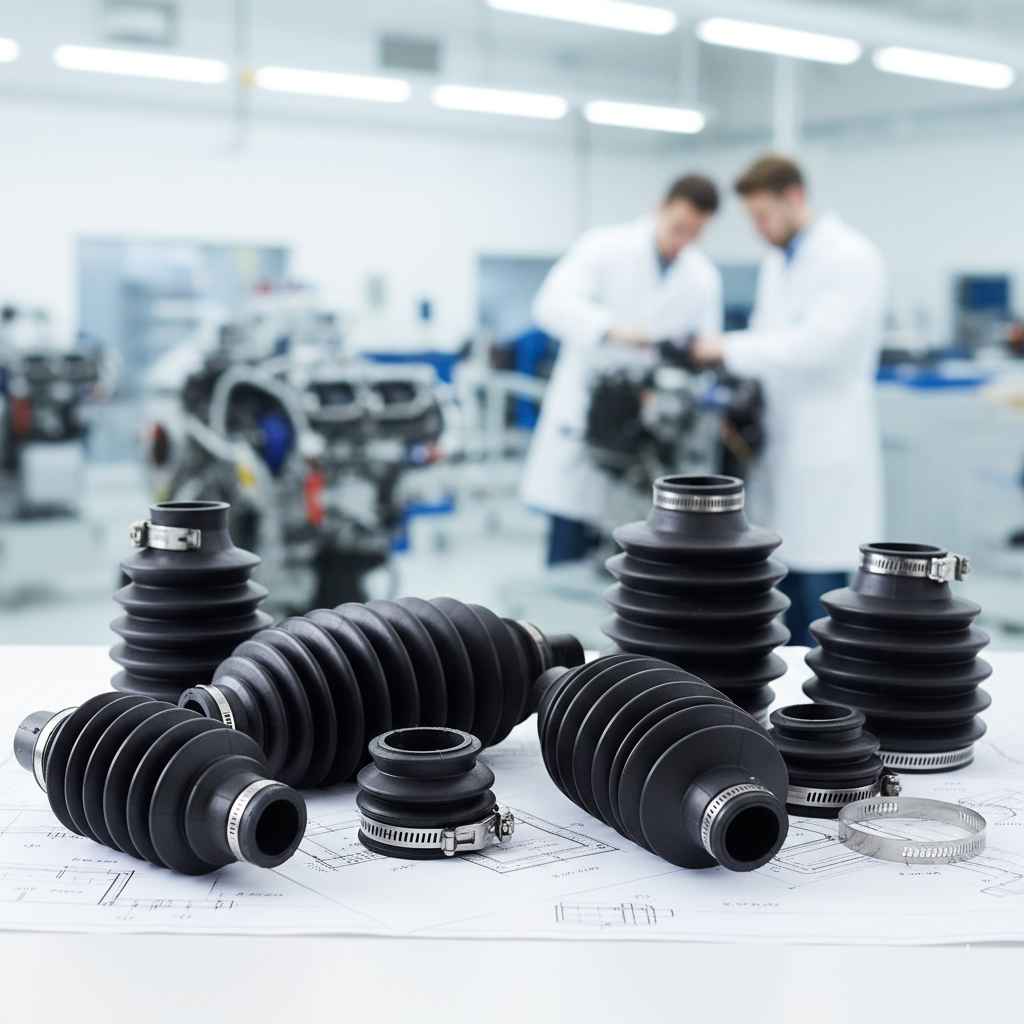
Incompatible material swelling is a common issue faced in various engineering applications, especially when dealing with constant velocity bellows. This phenomenon occurs when different materials react to environmental factors, such as temperature and pressure, leading to unwanted expansion. Trust me, it’s something you don’t want to overlook.
Qu'est-ce qui cause le gonflement des matériaux ?
Several factors contribute to the swelling of materials:
- Fluctuations de température :Des températures élevées peuvent faire en sorte que certains matériaux se dilatent plus que d'autres.
- Moisture Absorption:Certains matériaux sont hygroscopiques, ce qui signifie qu'ils absorbent l'humidité, ce qui les fait gonfler.
- Réactions chimiques :Des matériaux incompatibles peuvent réagir les uns avec les autres ou avec des produits chimiques externes, entraînant un gonflement.
Identifying Incompatibility Issues
When working with constant velocity bellows, it’s essential to identify potential incompatibility issues early on. You might notice signs like uneven wear, cracks, or leaks. If you see these, investigate further. Ignore these symptoms at your peril; they can lead to costly repairs down the line.
Testing for Compatibility
Before diving into a project, perform compatibility tests on the materials you plan to use. This can save you from future headaches. The most reliable method? Conduct chemical resistance tests under simulated operating conditions.
Solutions to Prevent Swelling
There are several strategies to tackle incompatible material swelling:
- Sélection des matériaux :Choisissez des matériaux ayant des coefficients de dilatation thermique et une stabilité chimique similaires. Par exemple, utiliserSoufflets de joint homocinétiquefabriqués à partir de substances compatibles peut aider.
- Revêtements protecteurs :L'application de revêtements peut agir comme des barrières contre l'humidité et les produits chimiques.
- Installation appropriée :Ensure that the installation techniques reduce stress concentrations that could lead to swelling.
Importance of Quality Components
Using high-quality components like those from trusted brands such as Guanghua ensures durability and compatibility. It’s worth investing in top-notch pieces; they can withstand the rigors of operation better than cheaper alternatives.
Conseils pour l'entretien
Regular maintenance plays a crucial role in preventing swelling issues. Keep an eye out for:
- Inspections visuelles :Check for any signs of wear or damage regularly.
- Lubrification :Ensure proper lubrication of moving parts to minimize friction and heat buildup.
- Replacement of Worn Parts:Don’t wait too long to replace any components likeSoufflets d'amortisseurthat show signs of significant wear. It’ll pay off in the long run.
Addressing Existing Swelling Problems
If you find yourself in a situation where swelling has already occurred, don't panic! Here’s what you can do:
- Remove Affected Components:Take out the affected parts carefully. This includes checkingJoints toriques et joints d'étanchéité en caoutchoucfor damage.
- Assess Damage:Determine if the swelling has caused permanent damage or if it’s reversible.
- Remplacez si nécessaire :Sometimes, replacing parts is the best solution. Look for durable replacements that fit well with your system.
Utilizing Technology for Better Solutions
Technology has come a long way in helping us mitigate these issues. Advanced materials and smart design can significantly reduce the risk of swelling in constant velocity bellows. Innovations in sealing technologies, like advanced valve cover gaskets, also play a part in keeping things leak-proof and functioning smoothly.
Conclusion: Stay Ahead of the Game
By staying informed and proactive about incompatible material swelling, you can greatly enhance the lifespan and efficiency of your systems. Remember, prevention is always better than cure!