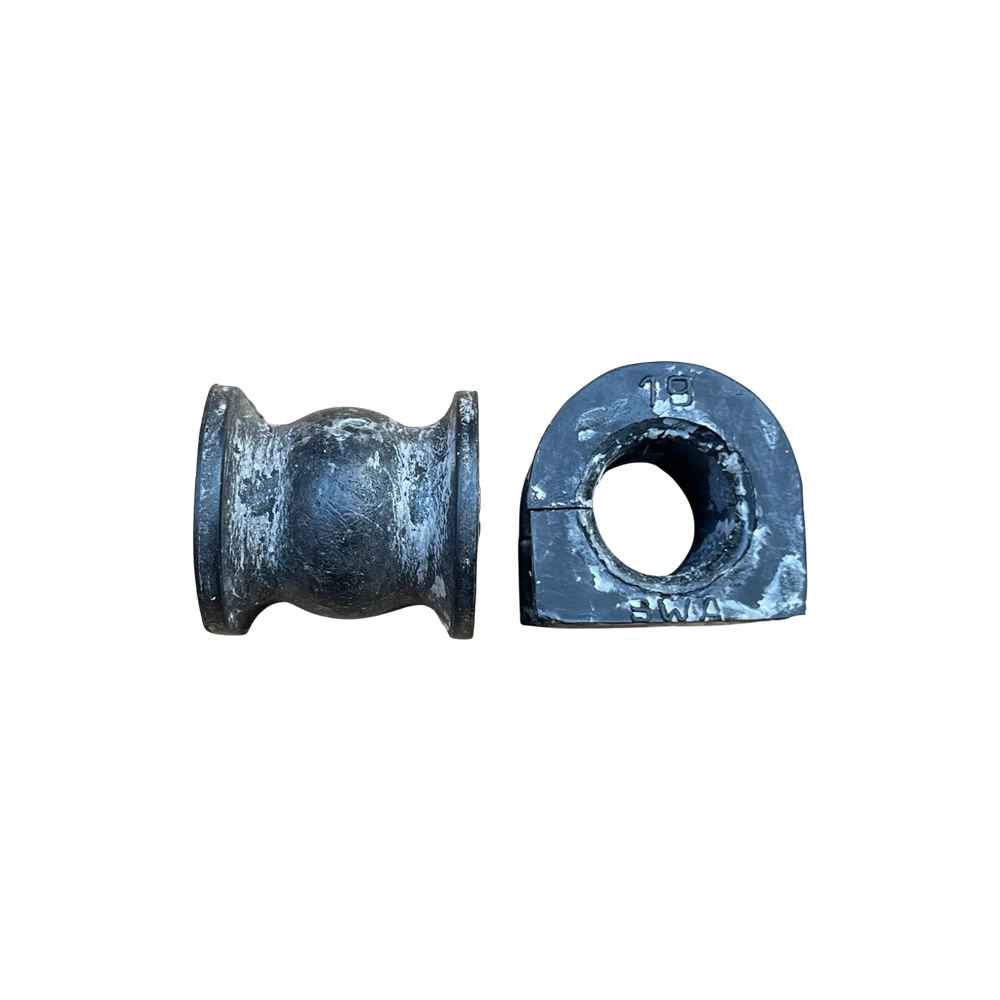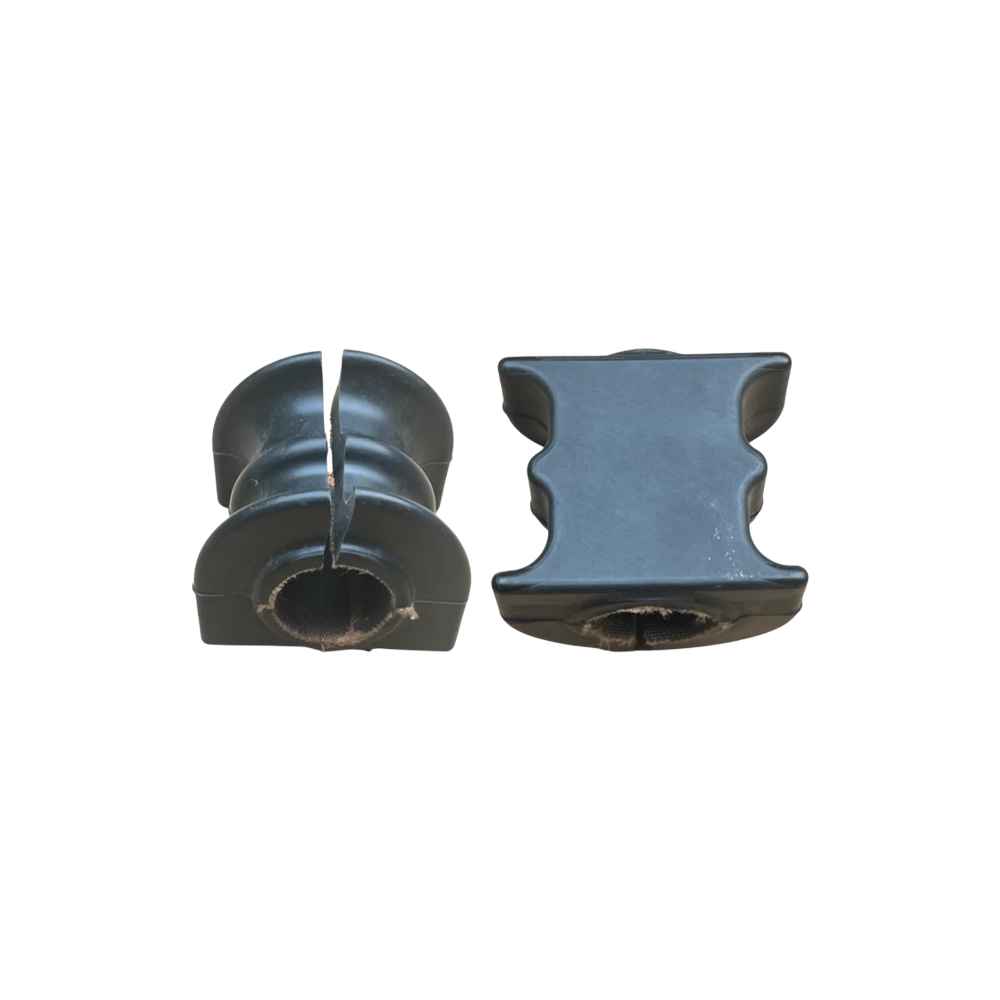
Comprendre le gonflement des matériaux incompatibles
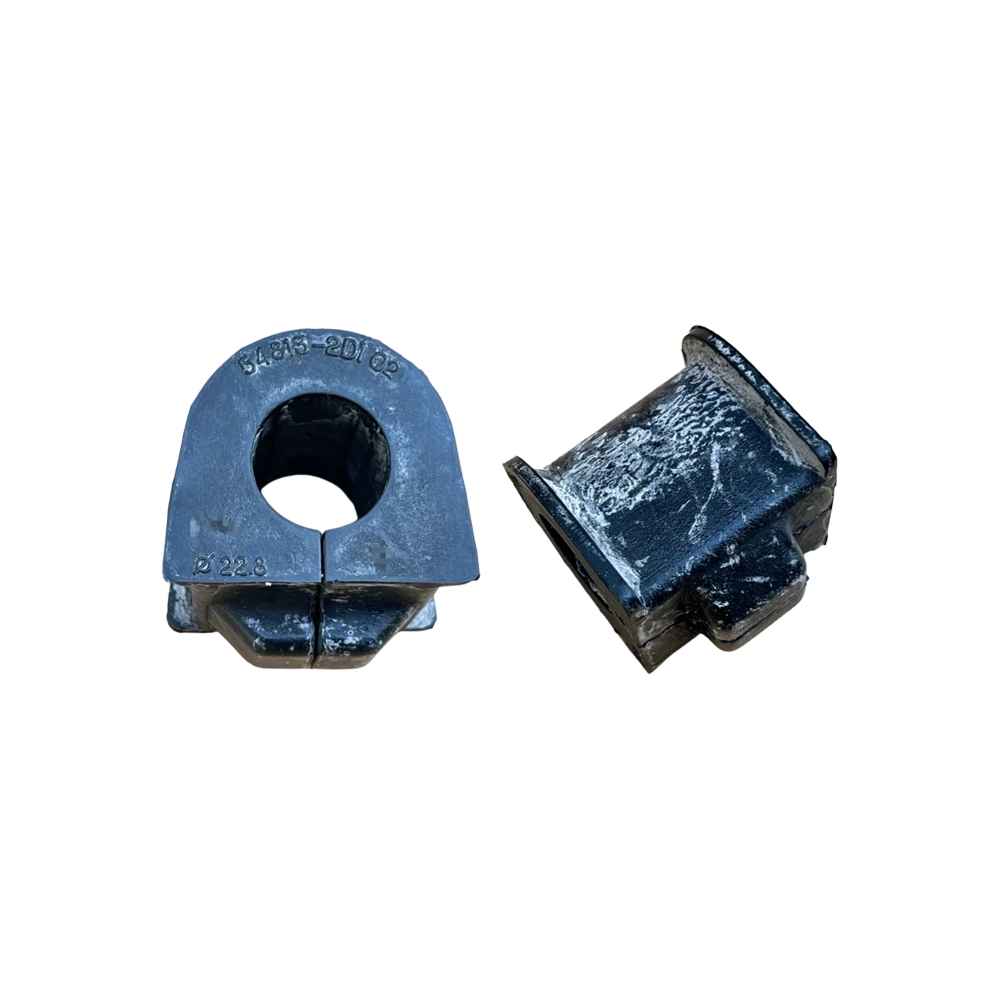
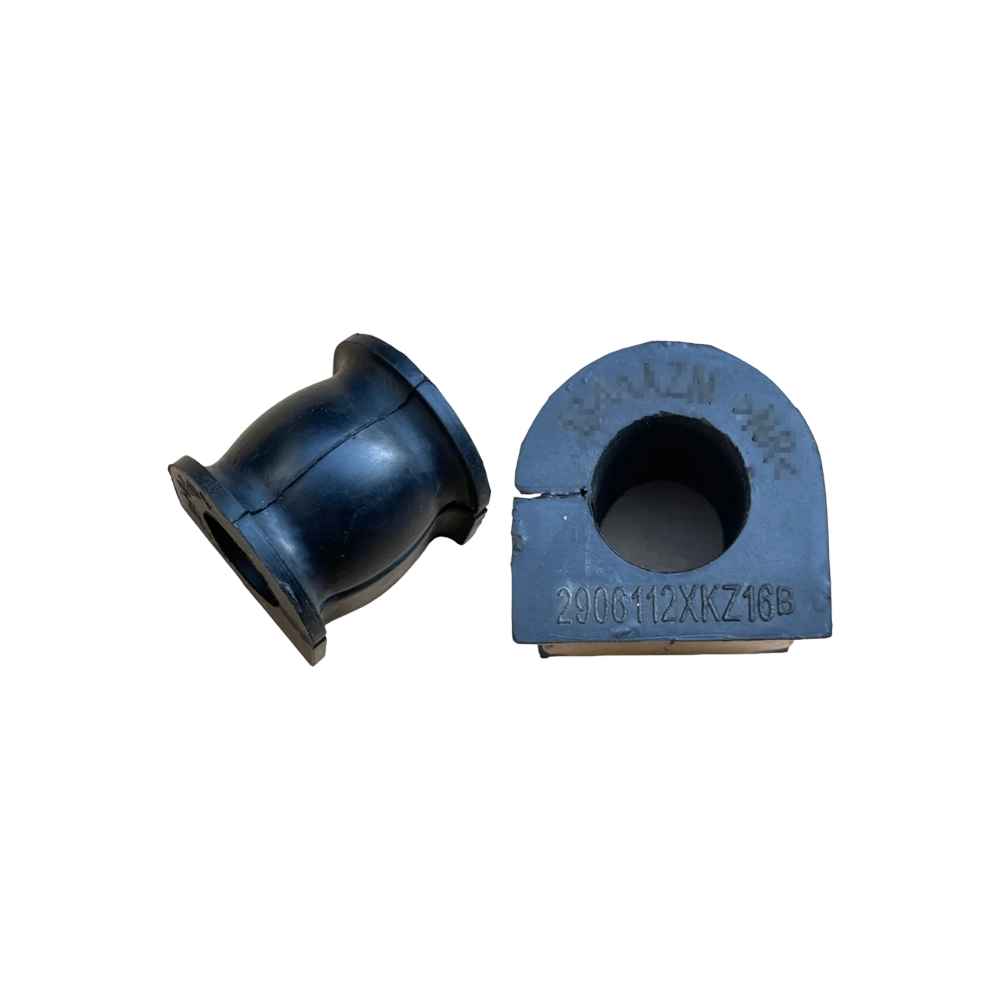
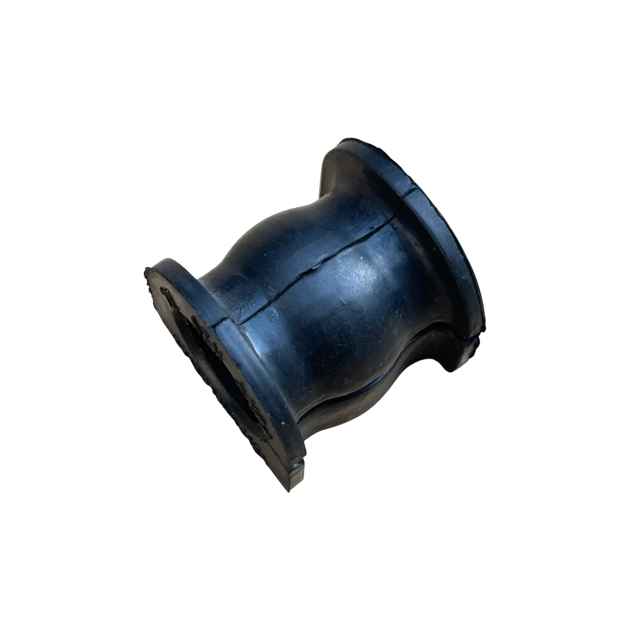
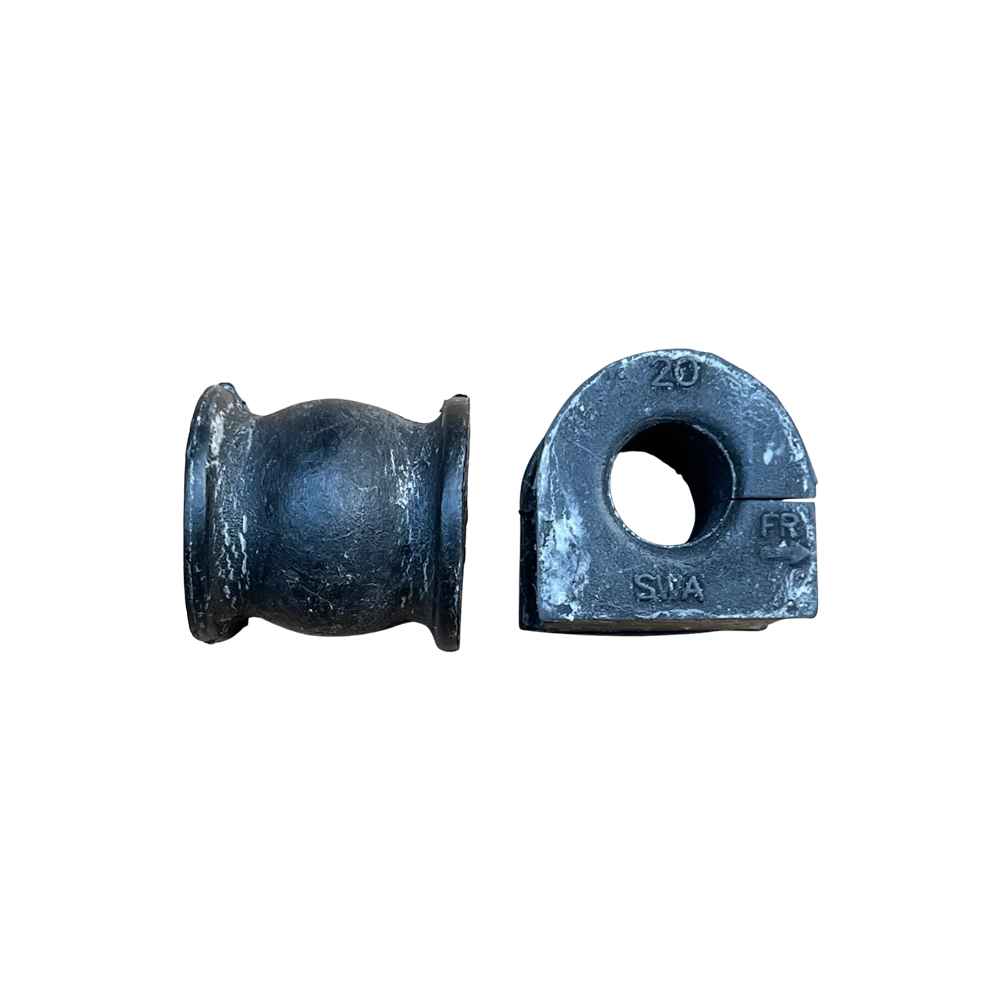
In the automotive industry, material compatibility is crucial for ensuring longevity and reliability. One common issue that arises is the swelling of materials in components like strut dust sleeves. This problem can lead to premature wear and tear, affecting vehicle performance.
What Causes Incompatible Material Swelling?
The phenomenon of incompatible material swelling typically occurs when different materials interact unfavorably. For example, certain rubber compounds may swell when exposed to specific oils or lubricants. This incompatibility often results from:
- Exposition à des produits chimiques non conçus pour le matériau
- Dégradation thermique au fil du temps
- Matériaux de mauvaise qualité utilisés dans la fabrication
Once swelling occurs, it can create gaps or misalignments, ultimately leading to failure. Therefore, understanding these factors is vital for anyone working with strut systems in vehicles.
Identifying Symptoms of Swelling
Recognizing the early signs of material swelling can save time and money in repairs. Here are some key indicators:
- Inspection visuelle : Recherchez des bosses ou des déformations de la manchette de protection.
- Improper Fit: If the sleeve doesn't fit snugly, it might be swollen.
- Noise: Unusual sounds while driving can indicate component failure due to swelling.
If you notice any of these symptoms, it's essential to take action swiftly to prevent further damage.
Solutions for Incompatible Material Swelling
Addressing incompatible material swelling involves multiple strategies, depending on the severity and cause. Here are some effective solutions:
1. Replace with Compatible Materials
The most straightforward approach is to replace the affected parts, such as strut dust sleeves or other components likeBottes de joint CVthat might be experiencing similar issues. Opting for high-quality replacements, such as those from Guanghua, can significantly reduce the risk of recurrence.

2. Use Proper Lubricants
Choosing the right lubricant is critical. Always refer to manufacturer recommendations to ensure compatibility with the materials used in your strut system. Using inappropriate lubes can exacerbate swelling issues.
3. Regular Maintenance Checks
Conduct routine inspections of your vehicle's suspension components. Early detection of swelling can help you address potential problems before they escalate. During these checks, also inspect related parts likeBottes d'amortisseuretBottes de crémaillère de directionfor signs of wear.
Mesures préventives
Prevention is always better than cure. Here are some preventive measures you can take:
- Use OEM or high-quality aftermarket parts to minimize the risk of material incompatibility.
- Ensure proper installation during repairs to avoid undue stress on components.
- Educate yourself about the materials used in various vehicle parts; understanding their properties will aid in making informed decisions.
Conclusion
Incompatible material swelling presents a significant challenge for automotive professionals. By understanding the causes, identifying symptoms, and implementing effective solutions, you can mitigate risks effectively. Remember, investing in quality components and regular maintenance goes a long way in ensuring your vehicle remains reliable and safe.