
L'importance deJoint de couvercle de soupapein Fleet Maintenance
In the world of commercial fleet maintenance, every detail counts. One crucial aspect that often goes overlooked is theJoint de couvercle de soupape. This unassuming yet vital component plays a significant role in ensuring your vehicles run smoothly. Understanding its function can provide a competitive edge when maintaining a fleet.
Que fait unjoint de couvre-culasse ?Considérations pour l'approvisionnement
At its core, the valve cover gasket serves to seal the interface between the valve cover and the engine block. Its primary purpose is to prevent oil leaks, thus protecting the engine’s internal components from contaminants and ensuring proper lubrication. A well-functioning gasket can help avoid costly repairs down the road.
Identifying Signs of a Failing Gasket
It’s crucial to keep an eye on the condition of your valve cover gaskets. Here are some common symptoms of failure:
- Oil leaks around the valve cover area
- Low oil levels leading to engine strain
- Increased engine noise due to inadequate lubrication
- Overheating issues stemming from oil leaks
Ignoring these signs can lead to serious engine damage, resulting in downtime and increased costs for your fleet.
Sourcing Quality Valve Cover Gaskets
When it comes to sourcing quality valve cover gaskets, not all manufacturers are created equal. As someone involved in fleet management, knowing where to find reliable parts is essential. Here are a few tips to ensure you get the best products for your vehicles:
1. Look for Established Manufacturers
Brands like Guanghua have built a reputation for producing high-quality rubber auto parts, including valve cover gaskets. Their experience in the industry means they understand what it takes to make a durable product that withstands the rigors of daily use.
2. Verify Material Quality
The material used in the gasket determines its longevity and performance. Opt for those made from high-grade rubber compounds that resist heat and oil degradation. Cheaper materials may save you money upfront but could lead to frequent replacements and increased maintenance costs.
3. Vérifiez la compatibilité
Always ensure that the valve cover gaskets you source are compatible with the specific engine models in your fleet. Mismatched parts can lead to inefficient sealing and catastrophic failures.
A Broader Perspective: Other Rubber Components
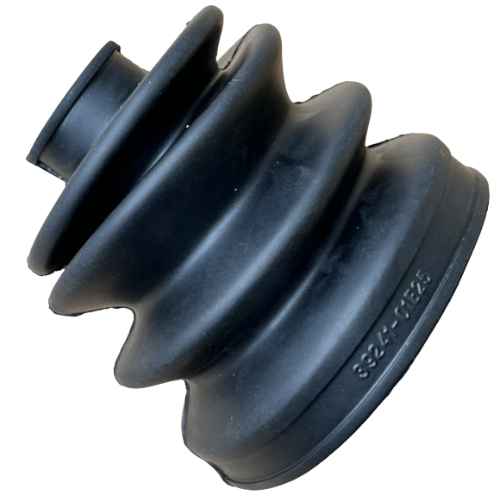
Valve cover gaskets are just the tip of the iceberg when it comes to the rubber components that play critical roles in vehicle maintenance. Just as important are CV Joint Boots, Steering Rack Boots, and Shock Absorber Boots. Each of these components serves a unique function that contributes to overall vehicle safety and performance.
Maintenir une approche holistique
Focusing solely on one part could lead to overlooking other potential issues. For instance, if your fleet’s CV Joint Boots are worn out, it might compromise the functionality of the entire suspension system. Therefore, it’s wise to adopt a comprehensive approach to maintenance, making sure all rubber components—including O-Rings & Rubber Sealing Rings, Stabilizer Bar Bushings, and more—are in top condition.
Maximizing Efficiency with Regular Inspections
Regular inspections are key. It’s not enough to replace parts only when they fail. Schedule routine checks to catch any signs of wear early. This proactive approach can save you time and money while extending the life of your fleet.
Investir dans la formation
An informed workforce is essential for effective fleet maintenance. Invest in training your technicians on how to identify issues related to valve cover gaskets and other rubber components. Knowledgeable staff can diagnose problems quicker and implement solutions sooner, minimizing vehicle downtime.
Understanding Cost-Benefit Analysis
When considering the cost of high-quality rubber parts versus cheap alternatives, it’s essential to perform a thorough cost-benefit analysis. While initial savings may seem appealing, the long-term impact of poor-quality parts, such as frequent replacements and labor costs, could outweigh those benefits.
Choisir le bon fournisseur
Your supplier can make or break your maintenance strategy. Look for suppliers who offer warranties on their products, as this is a good indicator of confidence in quality. A trustworthy supplier will also be willing to provide technical support and guidance, helping you make informed decisions about your fleet’s needs.
A Proactive Maintenance Strategy
In conclusion, leveraging the importance of valve cover gaskets and other rubber components in your fleet maintenance strategy can lead to improved operational efficiency. By sourcing quality parts, investing in training, and maintaining a holistic perspective on vehicle health, you can keep your fleet running reliably and efficiently.







