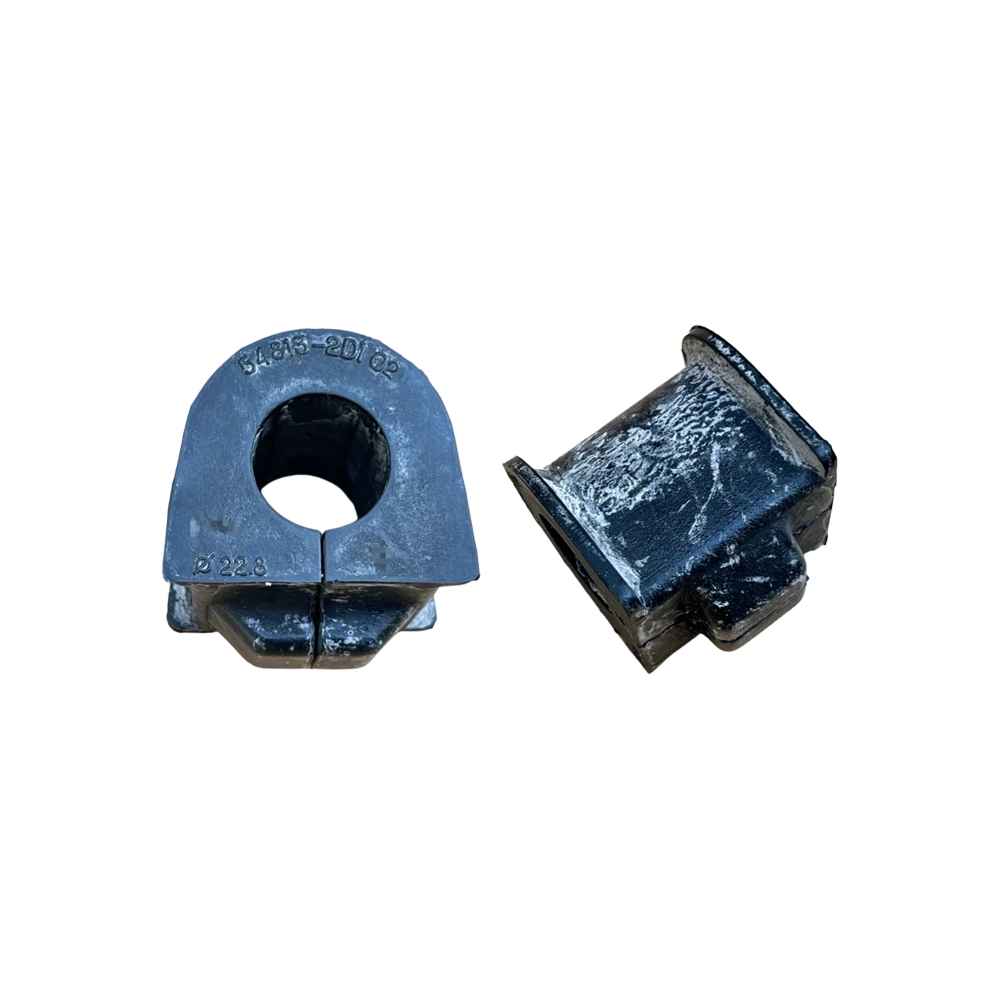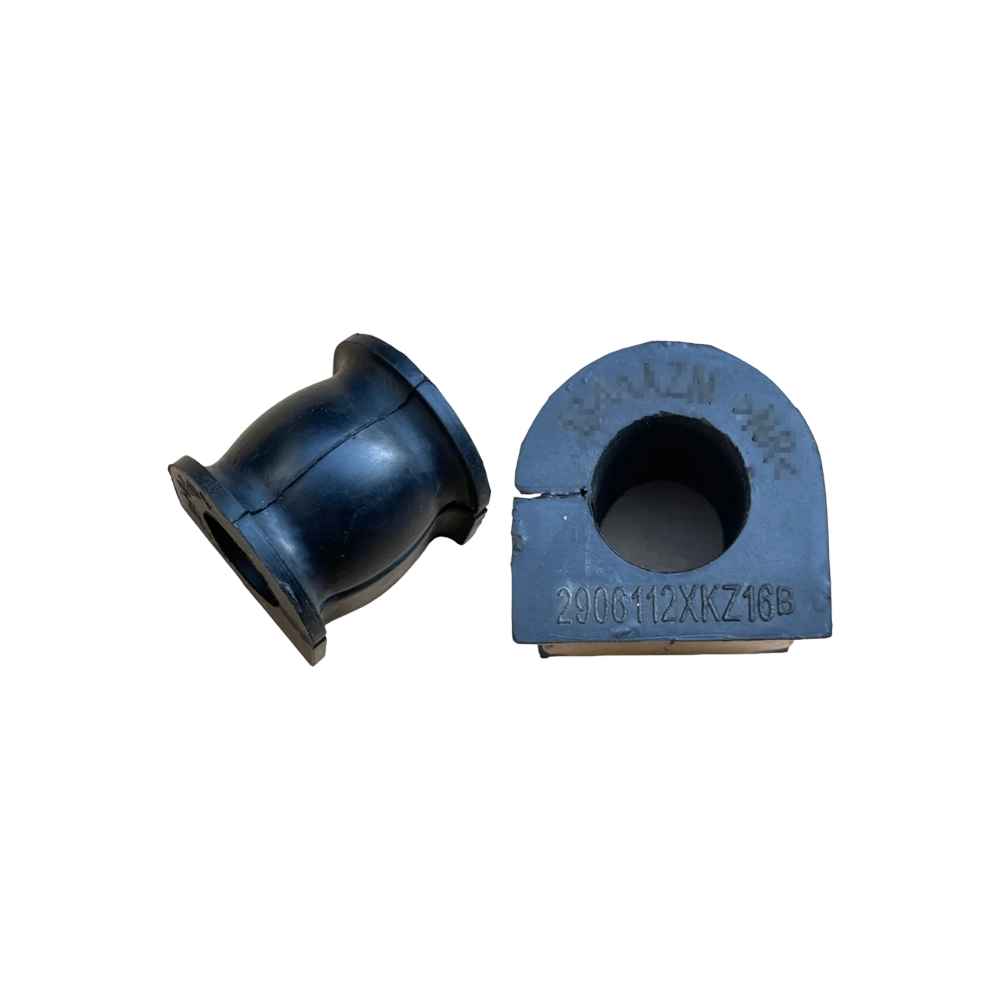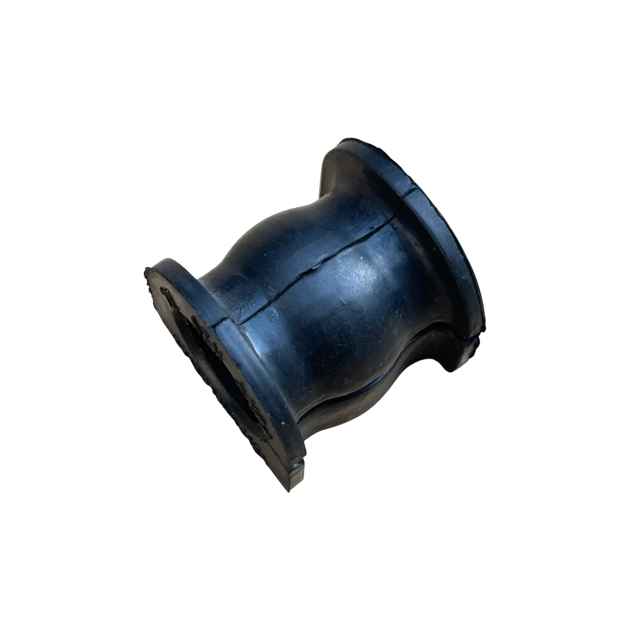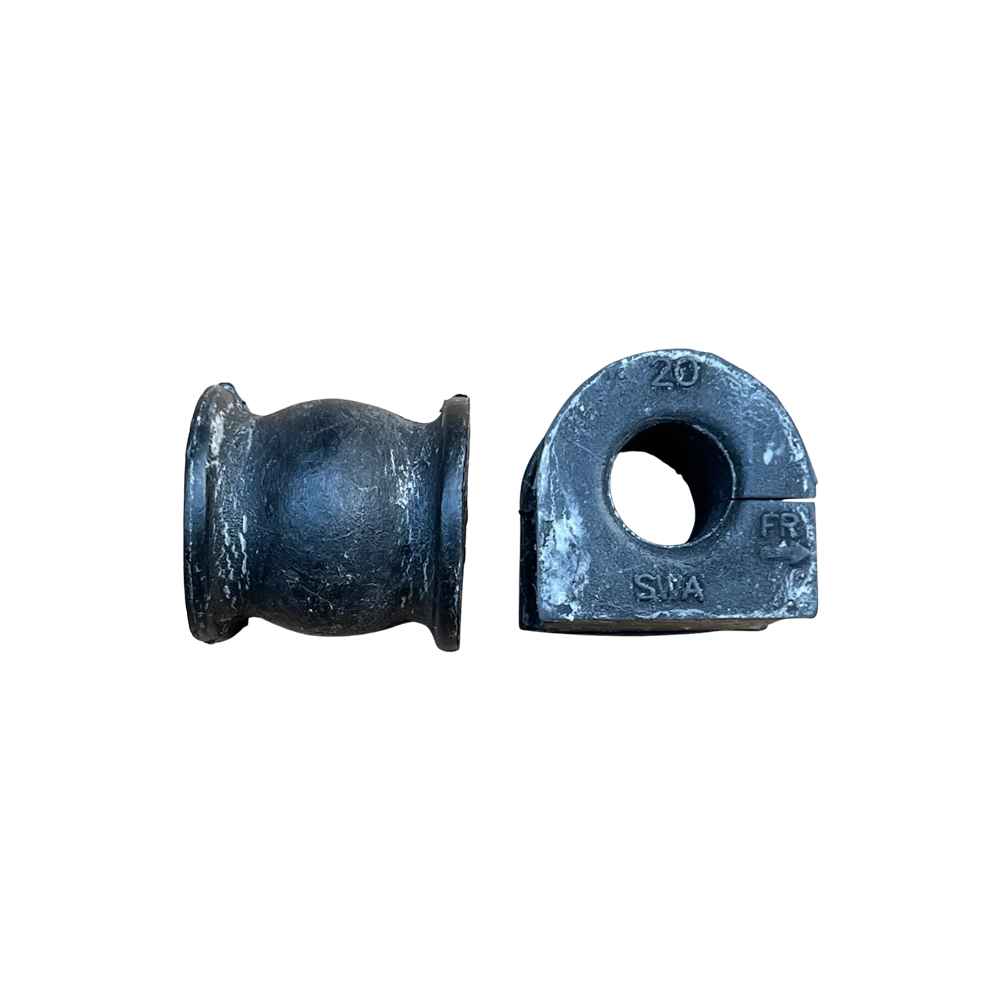
Understanding the Basics
When it comes to vehicle repair, particularly in the driveline and axle systems, the choice of materials for components like bellows is critical. Two common types are Constant Velocity (CV) bellows and steering bellows. Each serves a unique purpose, and understanding their differences can significantly impact the performance and durability of your vehicle.
What are CV Bellows?
CV bellows play a pivotal role in protecting the inner workings of constant velocity joints. These joints help deliver power from the transmission to the wheels while allowing for movement during turns. The bellows act as a protective cover, shielding the joints from dirt, debris, and moisture. If you ignore the wear on these bellows, you might end up with costly repairs down the line.
Steering Bellows: A Different Role
On the flip side, steering bellows are designed specifically for the steering rack. Their main job is to prevent contaminants from entering the steering mechanism. They also help maintain the lubrication within the steering system. A failure in these can lead to premature wear of the steering components, making it crucial to keep an eye on them.
Material Composition
The material used in both CV bellows and steering bellows can vary widely, affecting their longevity and performance. Generally speaking, both types of bellows are made from rubber or synthetic materials. However, the specific formulations differ due to their intended applications.
- CV Bellows:Typically constructed from high-quality rubber compounds that can withstand extreme temperatures and resist cracking.
- Steering Bellows:Often made from similar materials but may incorporate additional reinforcements to handle the pressures encountered during steering motions.
Pourquoi le matériau est important
Using the right material for each application not only extends the life of the component but also enhances overall vehicle safety. For instance, if a CV bellows fails, it can lead to joint failure, which could result in loss of control while driving. Conversely, a damaged steering bellows compromises handling and steering responsiveness.
Performance sous stress
Both CV bellows and steering bellows undergo significant stress during normal operation. CV bellows must accommodate constant movement and flexing, while steering bellows experience compression and expansion as the steering wheel is turned. In terms of performance, CV bellows are often subjected to higher levels of torque and should be more robust compared to steering bellows.

Considérations d'installation
Installing either type of bellow requires precision. Incorrect installation can lead to misalignment and premature failure. It's always advisable to use OEM (Original Equipment Manufacturer) parts whenever possible. Brands like Guanghua offer reliable options that meet strict quality standards, ensuring your vehicle remains in top shape.
Conseils d'entretien
Regular inspections of these components can save you time and money. Look for signs of wear such as cracks, tears, or any bulging that could indicate imminent failure. When you're under the vehicle, give them a gentle squeeze; they should feel firm without any soft spots.
Replacing Damaged Bellows
If you notice that either the CV bellows or steering bellows are damaged, it's essential to replace them promptly. Ignoring minor issues can escalate into major problems. Replacement kits are often available that includeJoint torique et joints d'étanchéité en caoutchoucfor a complete fix.
Cost Implications
While cost shouldn’t be the sole factor in choosing between CV bellows and steering bellows, it’s worth noting that high-quality materials may have a higher upfront cost but can lead to lower maintenance expenses over time. Investing in better materials can enhance your driveline's performance and longevity.
Dernières réflexions
In short, the choice between Constant Velocity bellows and steering bellows is not just about what looks good or costs less. It’s about functionality, safety, and longevity. Make sure to select the right type for your vehicle, and don’t forget—proper installation and regular checks are vital. Whether you’re hitting the road for a long journey or just commuting to work, knowing your vehicle is equipped with reliable components will give you peace of mind.