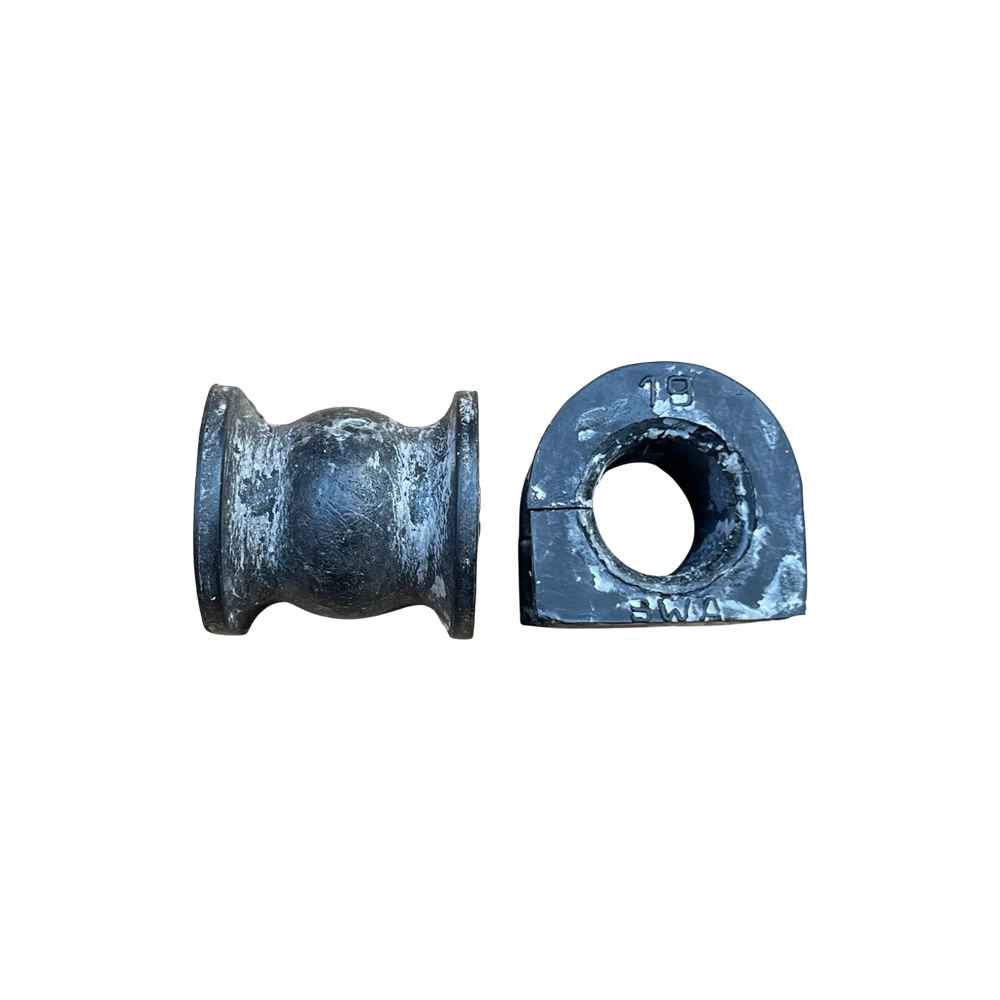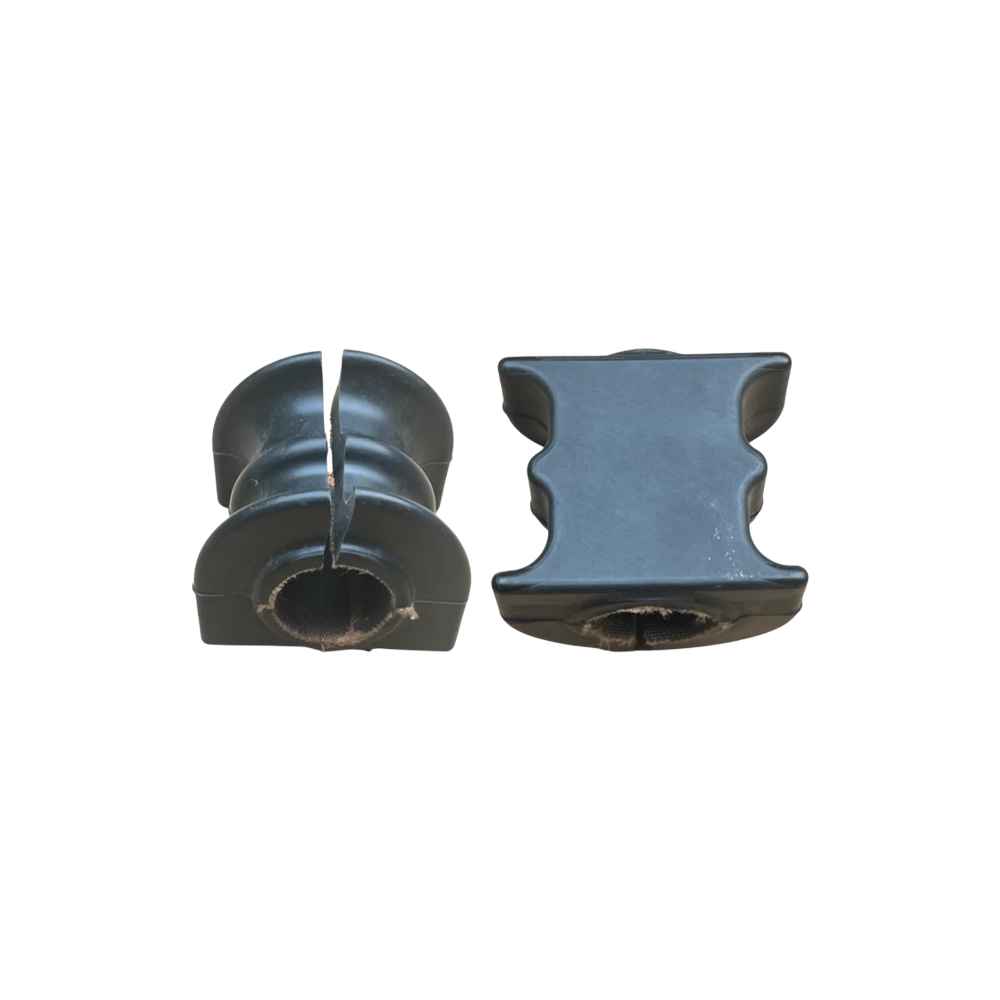
Comprendre les caches de poussière
Dust covers play a crucial role in automotive applications, providing a protective barrier against dirt, moisture, and other contaminants. They are commonly found in various automotive components such as CV joints, steering racks, and shock absorbers. The materials used for these dust covers significantly influence their performance, longevity, and the overall reliability of the parts they protect.
Materials Used for Dust Covers
When it comes to dust covers, two primary categories of materials stand out: rubber-based options like NBR (Nitrile Butadiene Rubber), Viton, and silicone. Each material has its unique properties that lend themselves to specific applications within OEM and aftermarket parts replacement.
NBR (Nitrile Butadiene Rubber)
NBR is a widely-used material due to its excellent resistance to oils and fuels. This characteristic makes it particularly suitable for applications where exposure to lubricants is expected, such as inBottes de joint CVand valve cover gaskets.
- Advantages:
- Bonne résistance à la traction et durabilité.
- Résistant à la dégradation par l'huile et divers produits chimiques.
- Solution économique pour de nombreuses applications.
- Inconvénients :
- Plage de température limitée par rapport au silicone.
- Peut devenir cassant avec le temps si mal formulé.
Viton
Viton is a high-performance fluoropolymer known for its exceptional chemical resistance and ability to withstand extreme temperatures. It finds its use in more demanding environments, especially where synthetic oils and fuels are present.
- Advantages:
- Résistance supérieure aux hautes températures et aux produits chimiques corrosifs.
- Durée de vie plus longue dans des conditions difficiles par rapport au NBR.
- Flexible à basse température, maintenant l'intégrité de l'étanchéité.
- Inconvénients :
- Coût plus élevé que le NBR, ce qui en fait une option moins attrayante pour certains remplacements de rechange.
- Pas aussi largement disponible que les alternatives NBR.
Silicone
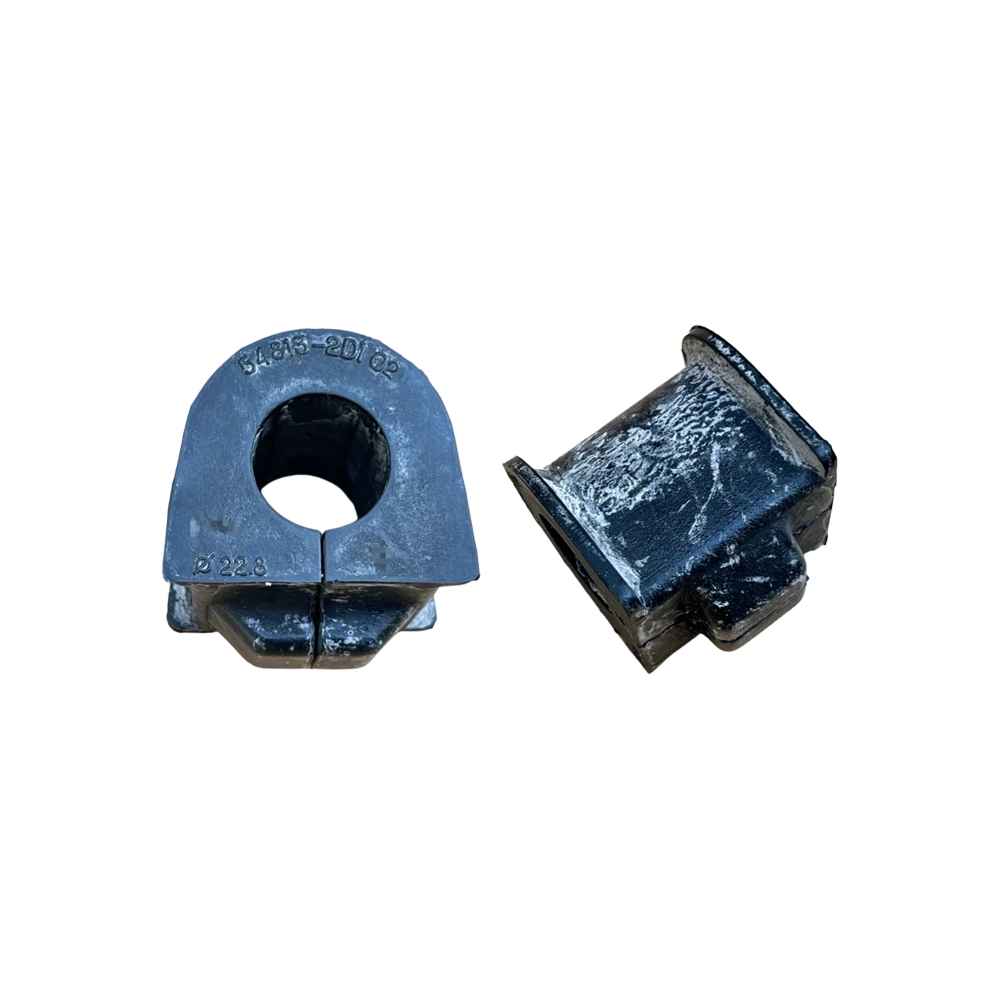
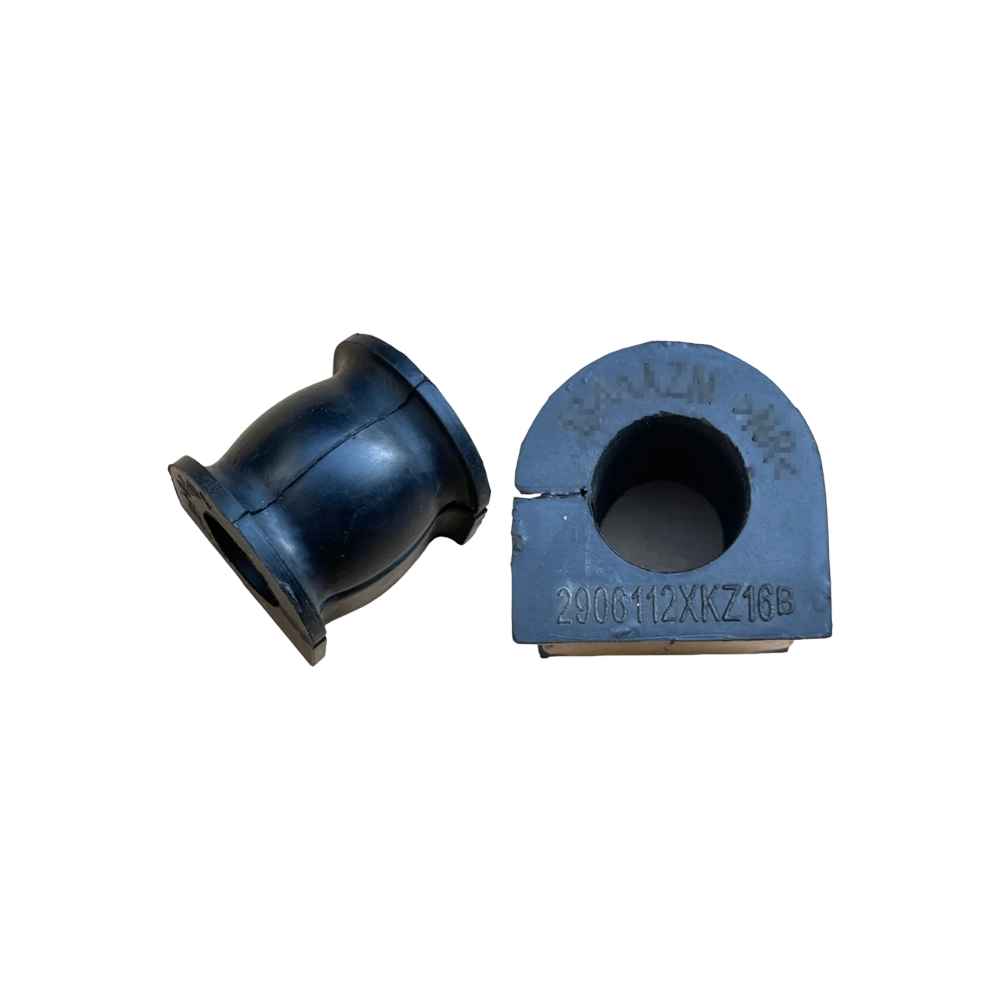
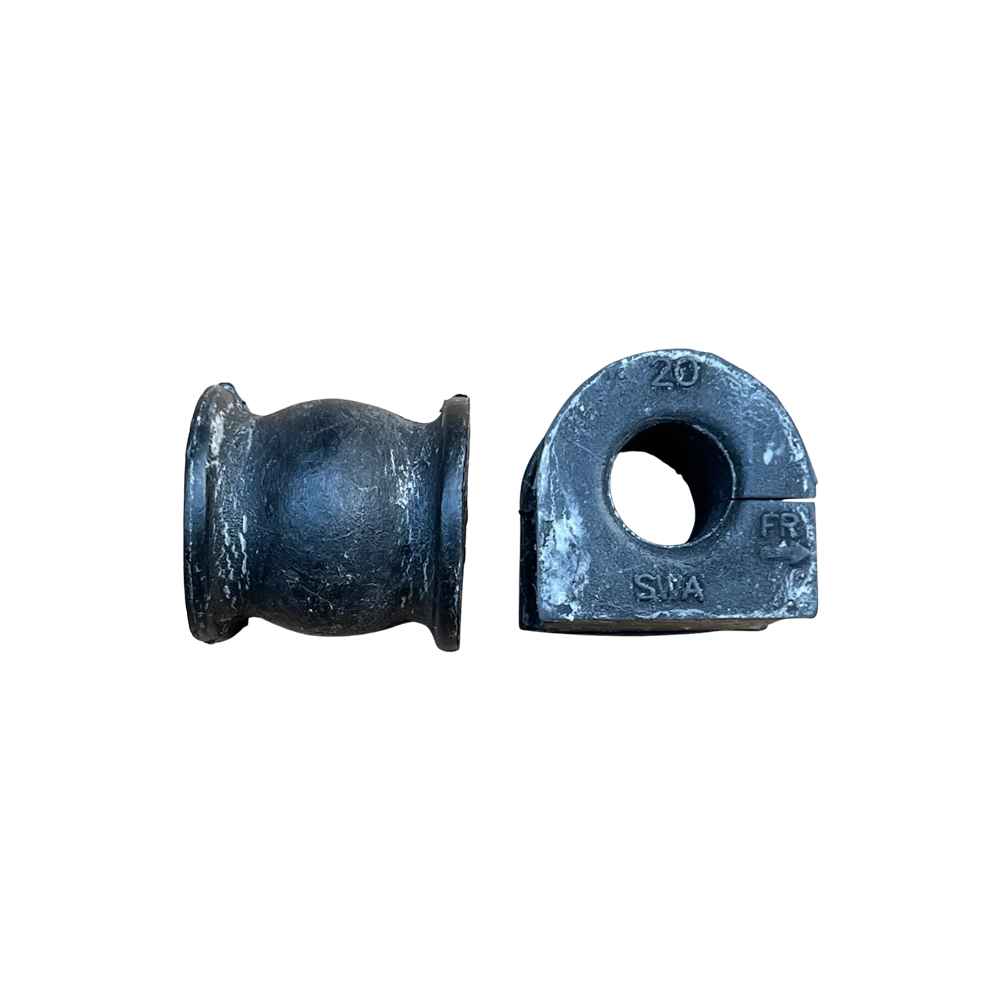
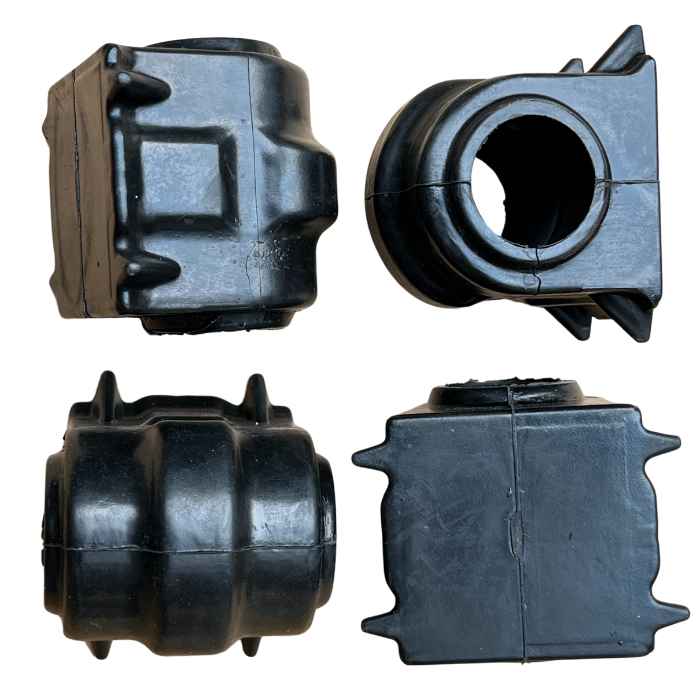
Silicone is often seen as a premium material choice due to its unique properties. It can withstand both high and low temperatures without significant degradation, making it ideal for various automotive applications likeBottes d'amortisseuretSilentblocs de barre stabilisatrice.
- Advantages:
- Excellente résistance à la température, généralement comprise entre -60°C et +200°C.
- Bonne flexibilité et élasticité, garantissant des joints étanches.
- Résistant aux rayons UV et au vieillissement.
- Inconvénients :
- Généralement plus cher que le NBR et le Viton.
- Moins résistant à certains huiles et carburants, ce qui peut limiter son champ d'application.
Comparative Analysis for OEM vs. Aftermarket Parts
When considering the replacement of components like CV joint boots or shock absorber boots, it's essential to weigh the benefits of using OEM parts versus aftermarket alternatives. OEM parts typically utilize high-quality materials that ensure compatibility and performance. However, many aftermarket products are designed with improved materials like Viton or specialized silicone compounds, offering enhanced performance at potentially lower costs.
For instance, using a Guanghua brand silicone dust cover might provide superior protection and longevity compared to standard NBR options. On the other hand, for those on a budget, high-quality NBR dust covers can still offer substantial protection without breaking the bank.
Application Recommendations
The choice of material should depend on the specific application and environmental conditions. Here are some recommendations:
- Soufflets de joint CV :Opt for NBR for general use; consider Viton for high-performance applications exposed to harsh chemicals.
- Soufflets de crémaillère de direction :NBR is sufficient for most vehicles, but silicone is recommended for severe climates.
- Soufflets d'amortisseur :Silicone provides the best temperature tolerance; however, NBR can be used in standard conditions.
Conclusion
Choosing the right material for dust covers is vital for the longevity and performance of OEM and aftermarket parts. Understanding the pros and cons of each material type—whether it's NBR, Viton, or silicone—will empower you to make informed decisions about replacements. Moreover, brands like Guanghua are paving the way for innovative solutions that meet both quality and affordability standards.