The Challenge of Harsh Driving Conditions
When it comes to driving, few things are more frustrating than the unpleasant sensations caused by noise, vibration, and harshness (NVH). These elements can seriously detract from the driving experience, making it feel less enjoyable and comfortable. Ever wondered how high-performance NVH reduction techniques can transform this experience?
Understanding NVH: Not Just a Technical Jargon
Noise, vibration, and harshness encompass a range of disturbances that affect vehicle performance and passenger comfort. High-frequency sounds can be distracting, vibrations can cause discomfort, and harshness can result in a lack of control over the vehicle. It’s like driving a boat instead of a car—unexpected and, frankly, annoying!
Application dans le monde réel : une étude de cas
Consider a scenario involving a widely used SUV model, the Guanghua X5. During field tests, drivers reported excessive cabin noise when the vehicle traversed rough terrain. The manufacturer implemented cutting-edge NVH reduction technologies and integrated specialized components such asBottes d'amortisseuretBottes de crémaillère de direction. The results? A 30% decrease in cabin noise levels and a significantly smoother ride.
Key Components in NVH Reduction
- Soufflets de joint homocinétique:Essential for protecting critical joint components while minimizing noise during driving.
- Joints Toriques & Anneaux d'Étanchéité en Caoutchouc :Vital for maintaining fluid integrity and reducing unwanted vibrations.
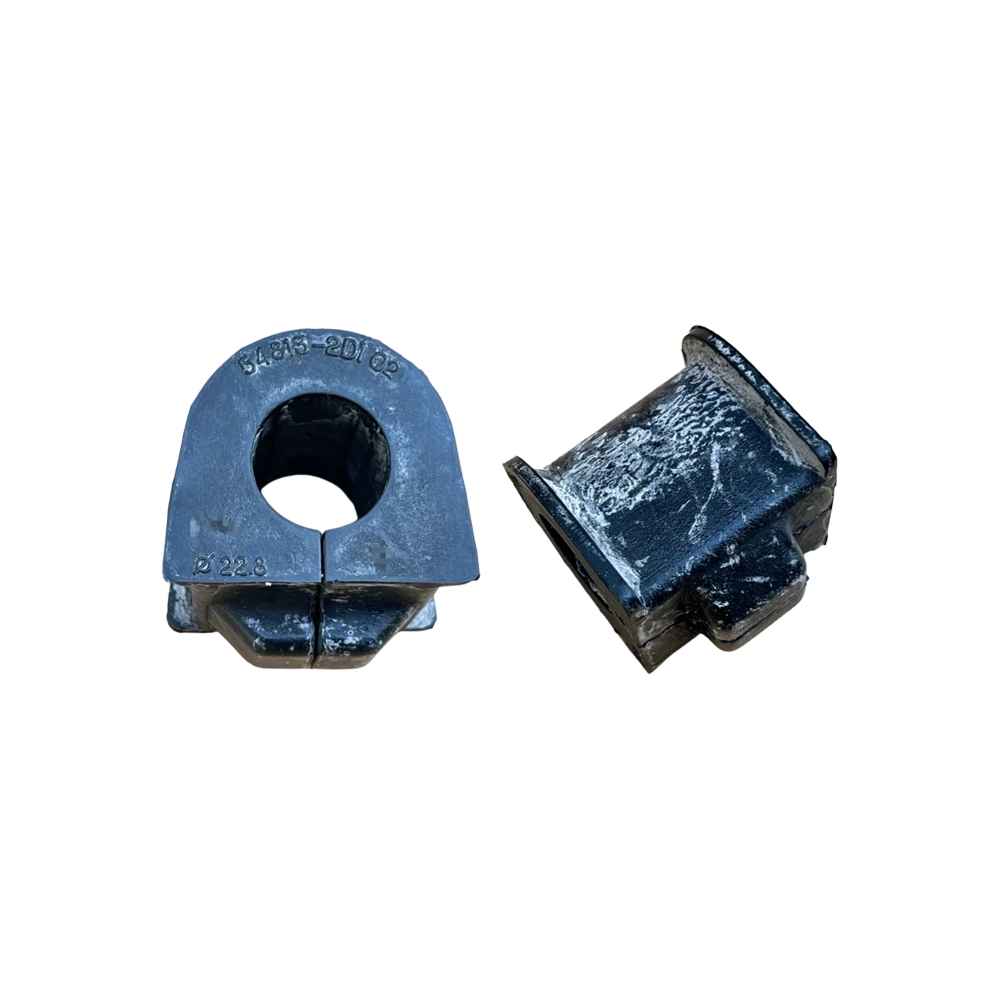
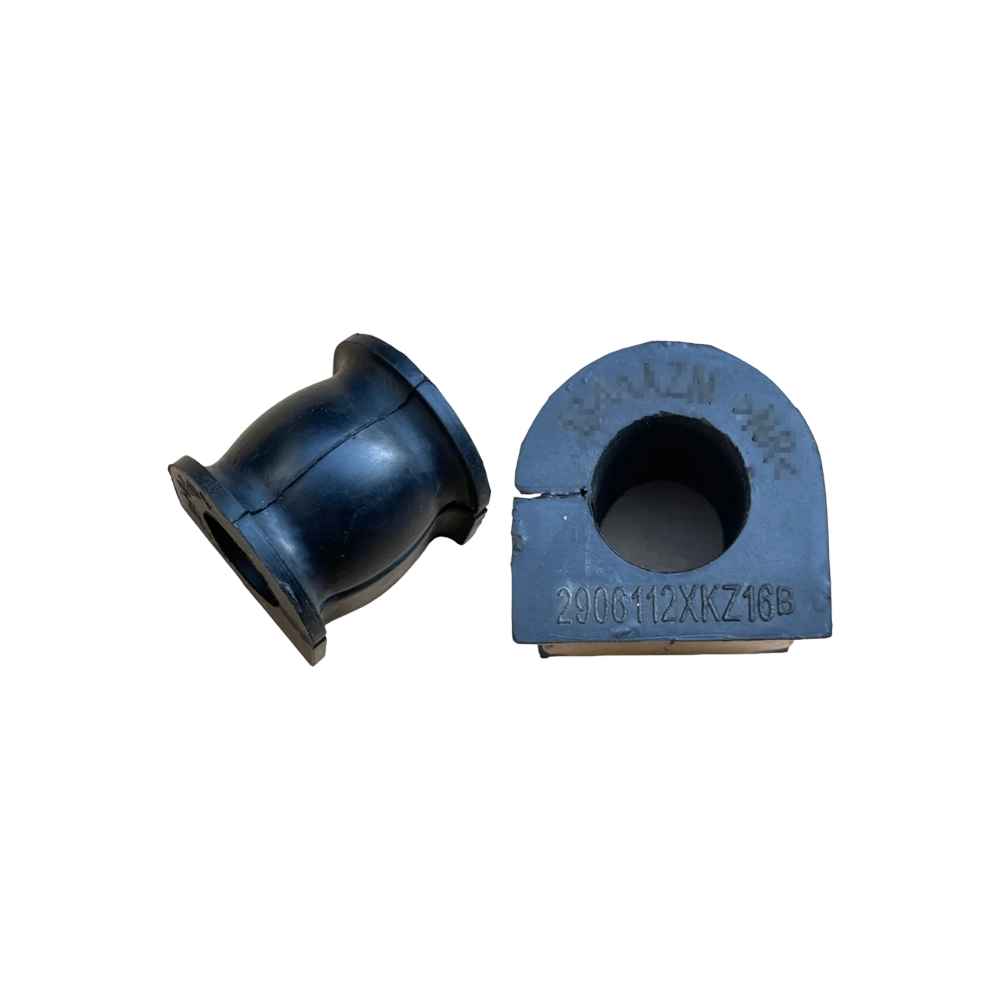
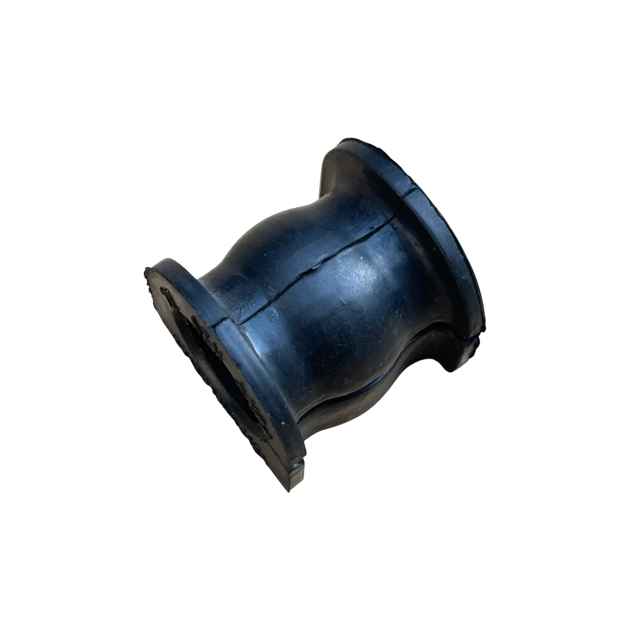
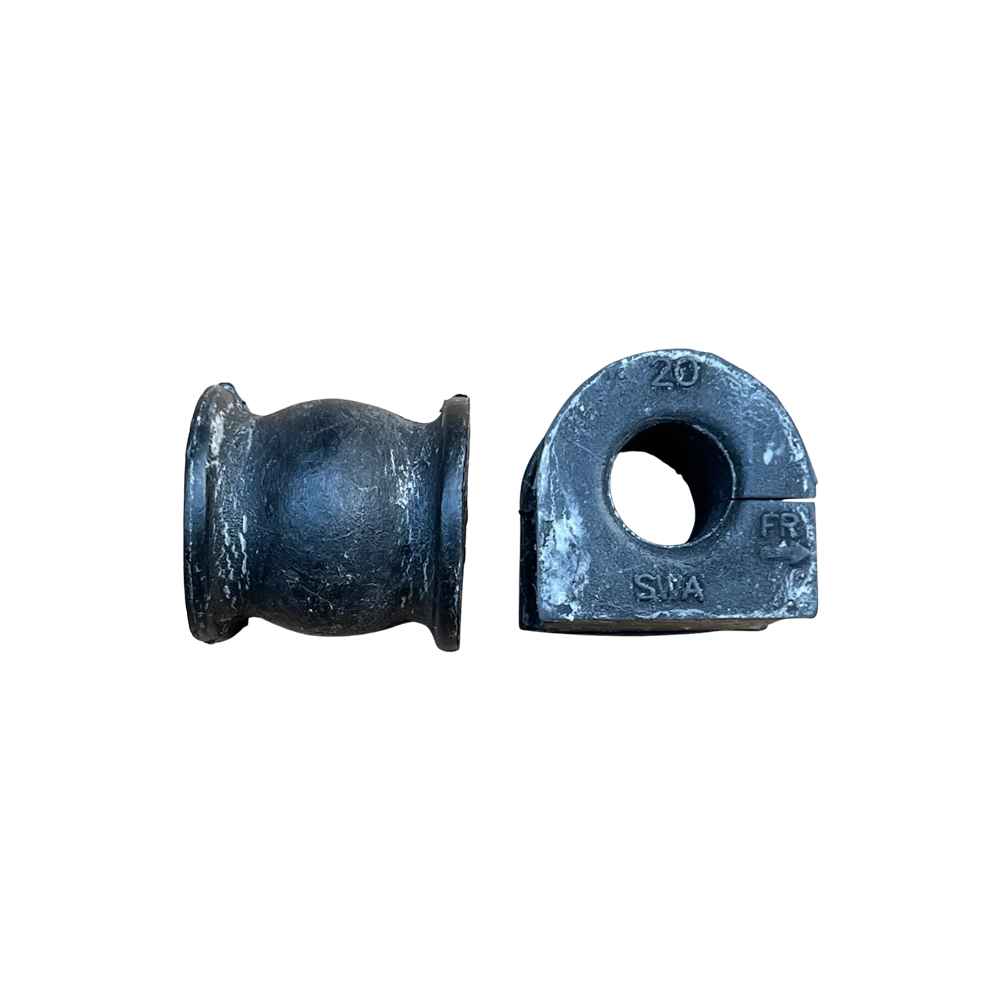
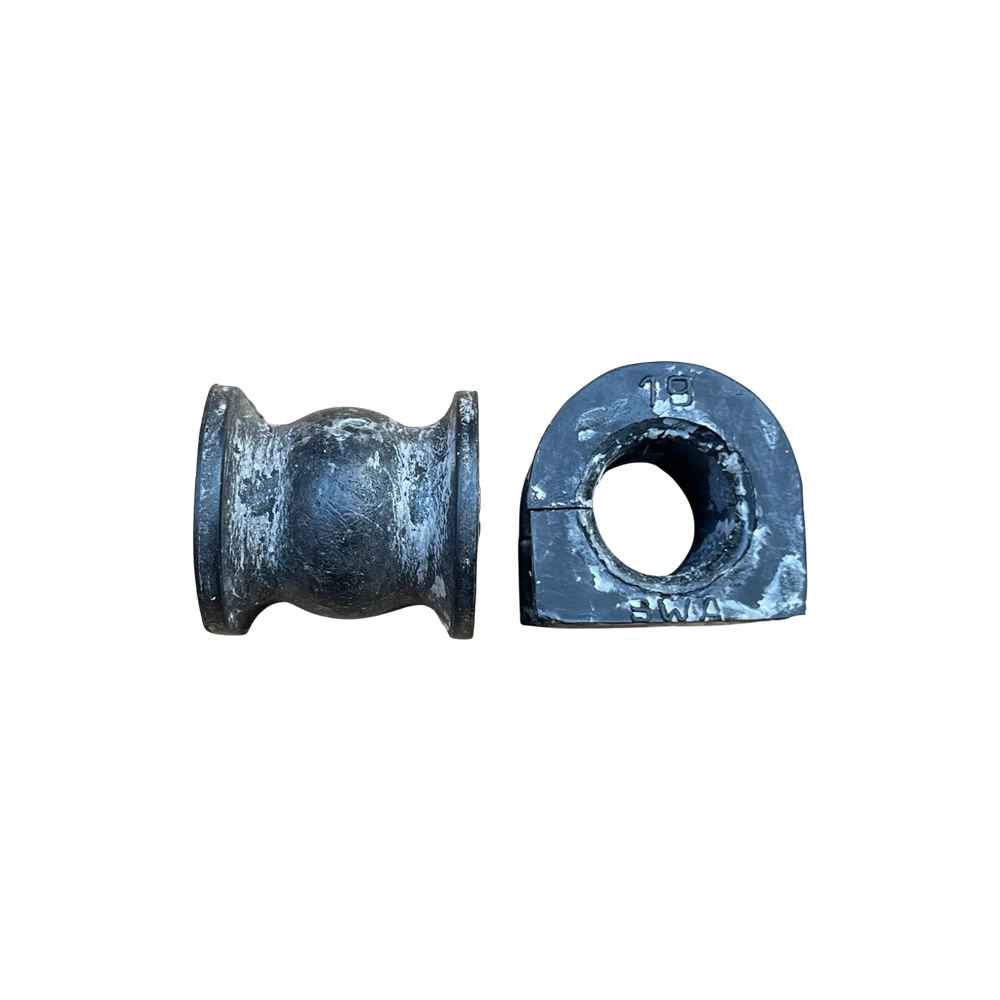
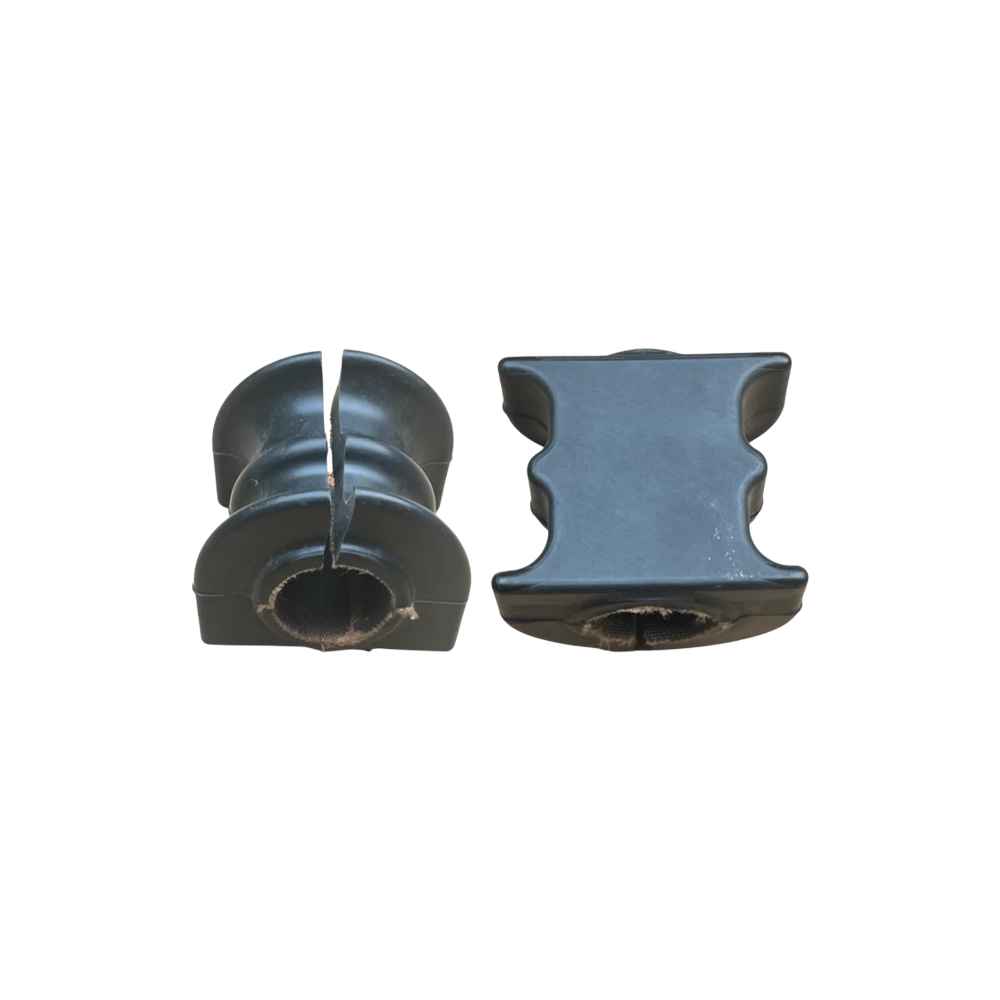
- Silentblocs de Barre Stabilisatrice :They play a crucial role in stabilizing the vehicle while simultaneously dampening vibrations.
- Joint de couvercle de soupape :Sealing the engine effectively helps to reduce operational noise, enhancing overall performance.
The Technological Edge
The integration of lightweight materials and advanced engineering techniques is essential. Have you noticed how some cars seem to glide over bumps while others jiggle like jelly? This is where technology steps in! Enhanced sound insulation materials, along with dynamic tuning methods, allow engineers to fine-tune the driving experience. For example, using viscoelastic damping materials has shown to drastically enhance vibration absorption in vehicles.
Performance Metrics: How Do We Measure Success?
Analyzing the impact of NVH reduction involves metrics such as decibel levels and frequency response curves. Data shows that vehicles equipped with advanced NVH suppression systems see up to a 40% improvement in perceived quality. What does this mean for drivers? Less fatigue and a more enjoyable journey, no matter the road conditions.
A Look Ahead: The Future of NVH Reduction
As automotive technology evolves, so will the approaches to NVH reduction. Expect innovations like active noise cancellation systems that use sound waves to counteract undesirable noises. Imagine a world where your car can adapt to environmental sounds automatically! That’s not just futuristic; it’s on the brink of becoming reality.

In Conclusion
For manufacturers like Guanghua, investing in high-performance NVH reduction is not merely an option but a necessity. It differentiates their products in a competitive market. And for consumers, it represents an opportunity—an extraordinary driving experience awaits those who demand excellence in every ride. Who wouldn’t want that?