Understanding NVH and Its Impact on Oil Seepage
Noise, Vibration, and Harshness (NVH) are critical factors in automotive design that directly influence the performance and comfort of a vehicle. High NVH levels not only lead to an uncomfortable driving experience but also often correlate with maintenance issues, including oil seepage and leakage. Maintaining optimal NVH levels is essential for prolonging the lifespan of various components, preventing unwanted leaks, and ensuring overall vehicle reliability.
The Connection Between NVH and Oil Leakage
In essence, high vibration levels can compromise the integrity of sealing components in vehicles. When rubber seals, such asJoint torique et joints d'étanchéité en caoutchoucor valve cover gaskets, face excessive vibrations, their ability to maintain a tight seal diminishes. Consequently, this may lead to oil seepage from engines or other critical areas. It's crucial for manufacturers to understand that addressing NVH effectively can significantly mitigate these risks.
Key Components Affecting NVH and Oil Seepage
Several components work together to manage NVH levels and prevent oil leakage:

- Soufflets de joint homocinétique:These protect the CV joints from dirt and debris while also minimizing noise. A damaged boot can lead to joint failure and potential oil leakage.
- Soufflets de crémaillère de direction:They serve a similar protective role, keeping contaminants away from sensitive steering components. Failure here can lead to both steering issues and leaks.
- Soufflets d'amortisseur :By damping vibrations effectively, these boots help to reduce NVH levels while protecting shock absorbers from wear and tear, thus maintaining their sealing efficiency.
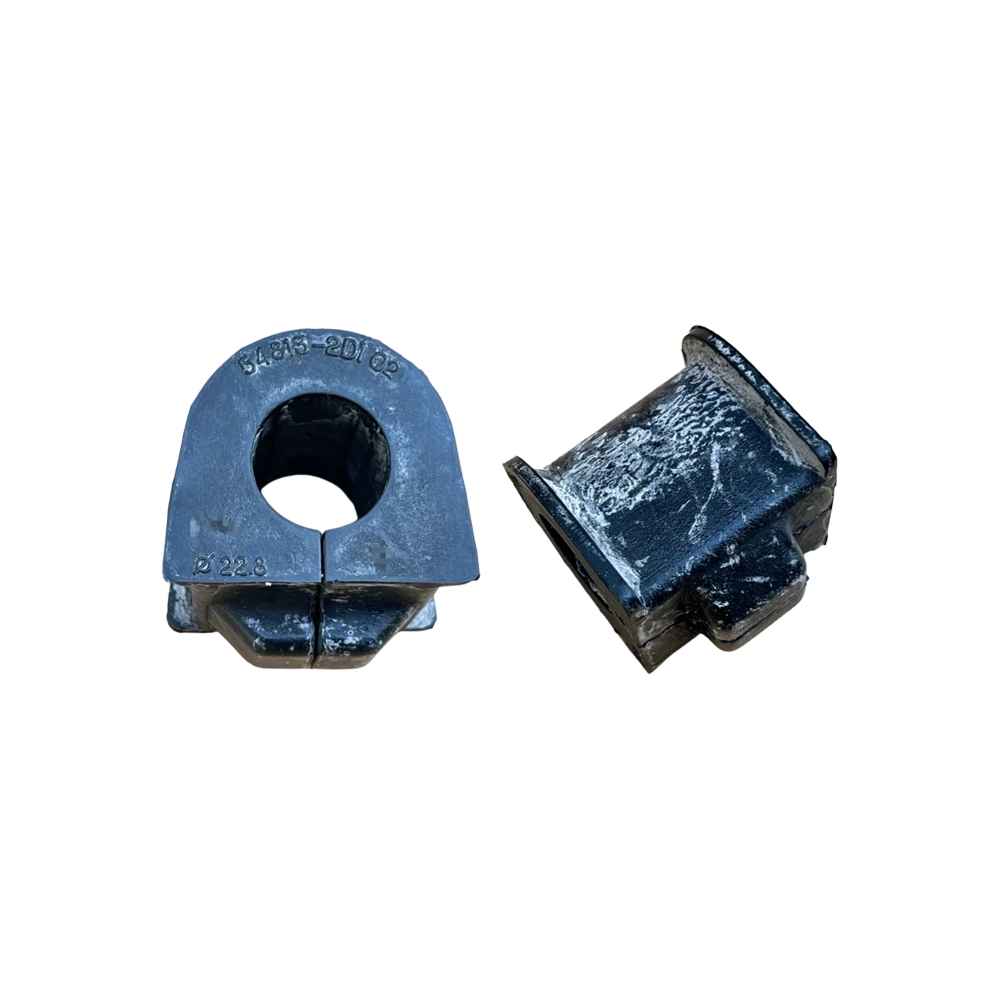
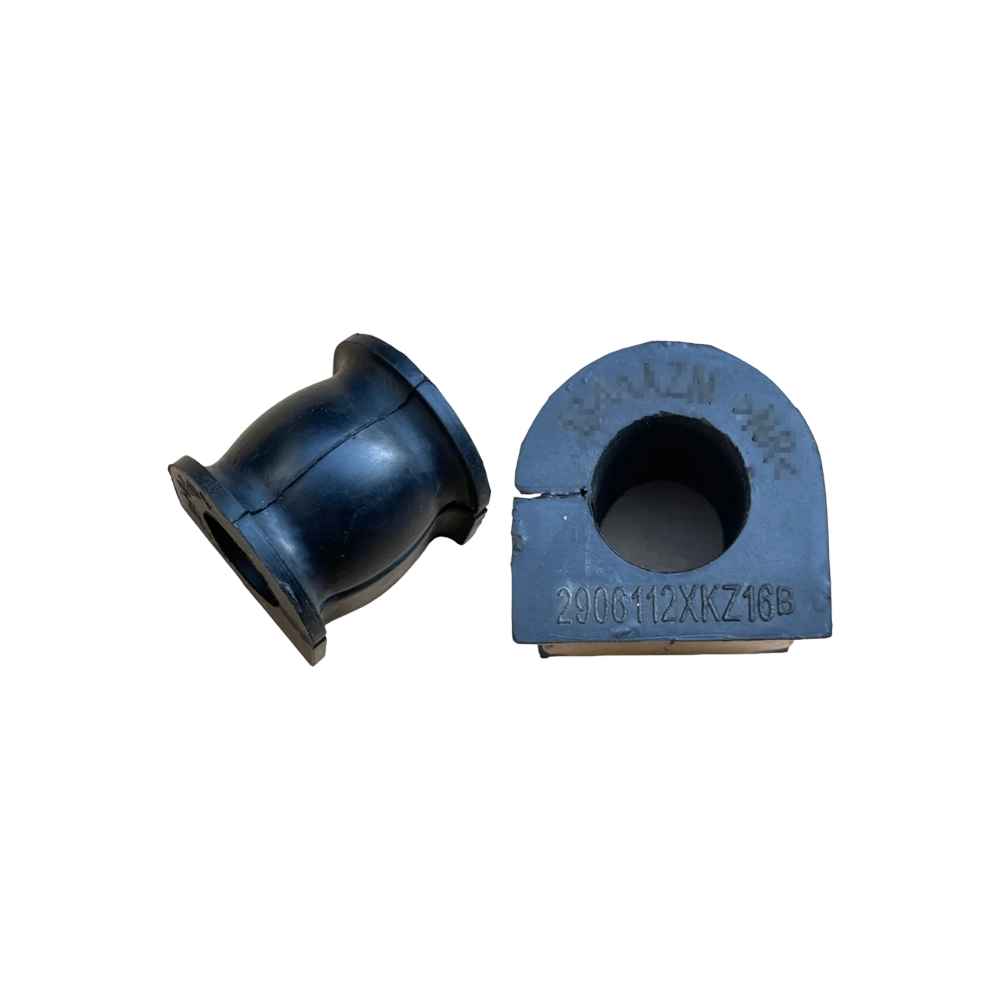
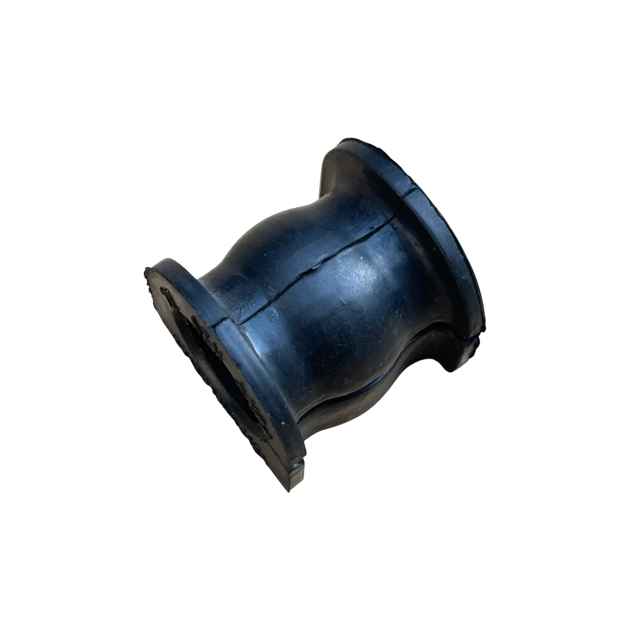
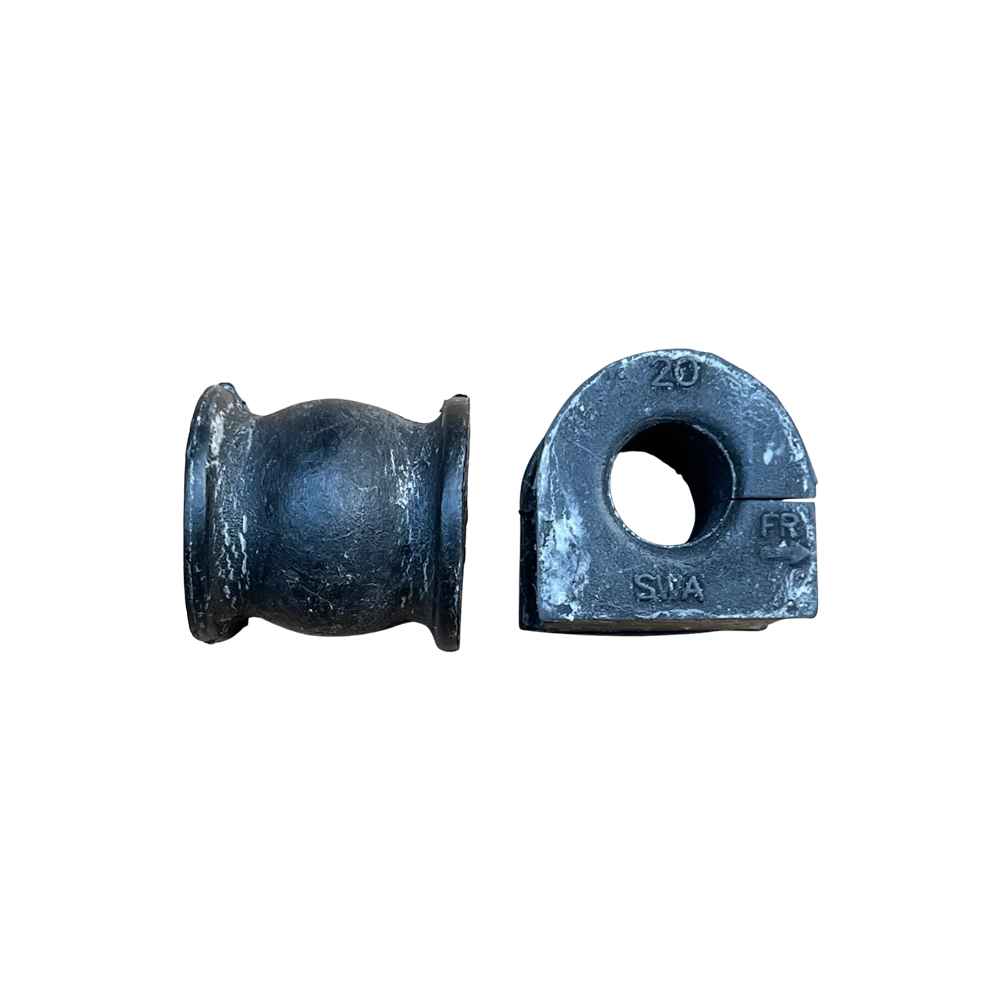
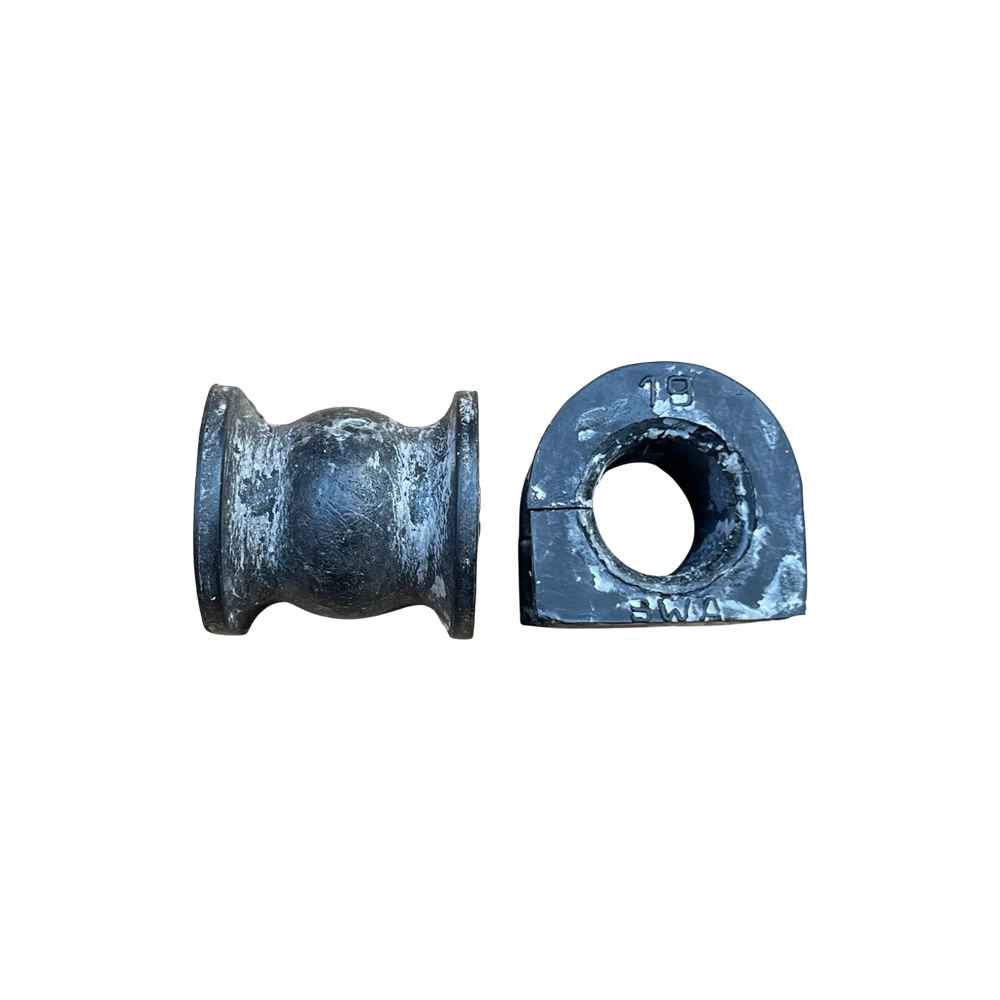
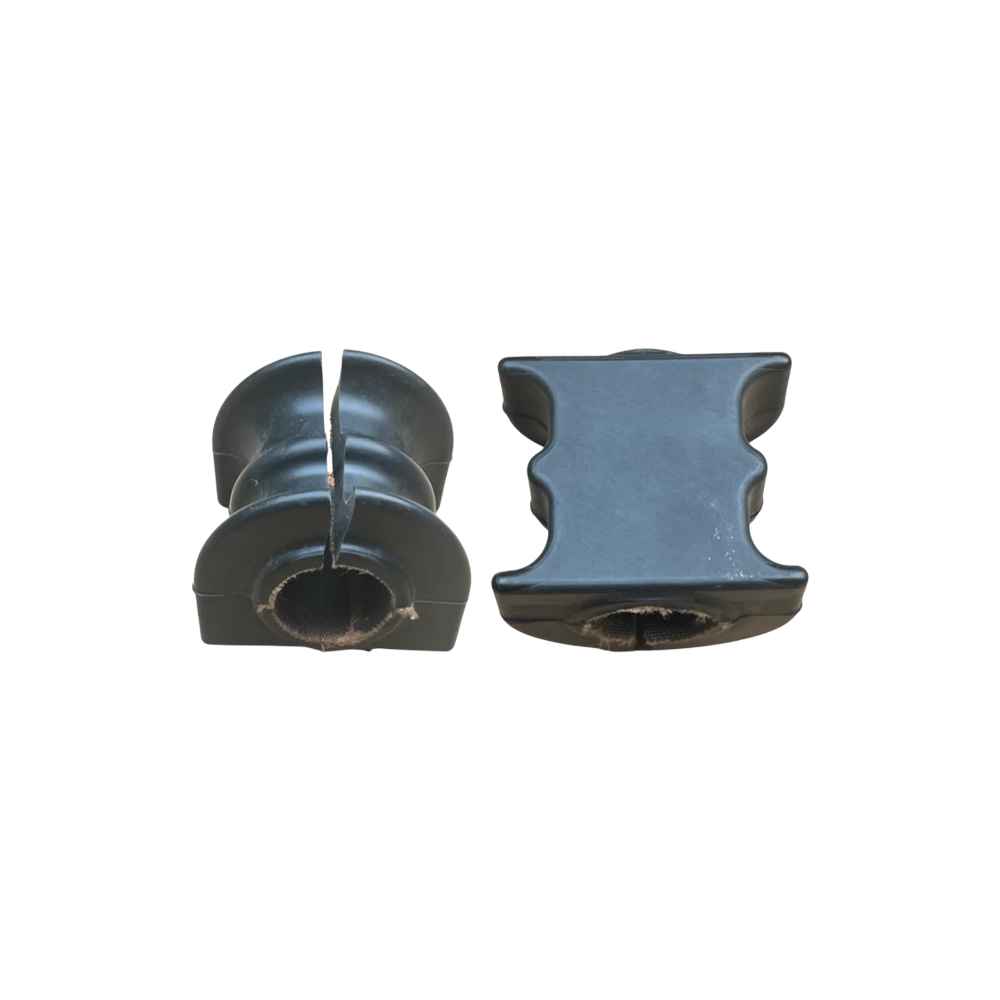
- Silentblocs de Barre Stabilisatrice :These minimize lateral movement and vibrations in the suspension system, contributing to overall NVH reduction. If compromised, they can lead to increased vibrations and subsequent leakage issues.
Importance of High-Performance Materials
When it comes to the materials used in these components, quality makes all the difference. Brands likeGuanghuafocus on high-performance materials that enhance durability and resilience against harsh operating conditions. High-quality rubber compounds are vital in producing effective sealing components, allowing them to withstand the rigors of daily use while minimizing the risk of oil seepage.
Strategies for Reducing NVH and Preventing Leaks
Reducing NVH levels and preventing oil seepage requires a comprehensive approach:
- Inspections Régulières :Des inspections régulières des composants d'étanchéité garantissent que toute usure est détectée tôt, empêchant ainsi d'éventuels chemins de fuite.
- Pièces de remplacement de qualité :Utiliser des pièces de remplacement de haute qualité, comme celles proposées par Guanghua, garantit que les pièces peuvent résister au stress et fournir une étanchéité adéquate dans des conditions variées.
- Techniques d'installation :Des techniques d'installation appropriées sont cruciales. Des composants mal installés peuvent entraîner un désalignement, les faisant échouer plus tôt que prévu.
The Role of Advanced Engineering Solutions
Many manufacturers are now employing advanced engineering solutions to address NVH issues proactively. Computational simulations can predict how components interact under various conditions, helping engineers design better sealing systems that minimize noise, vibration, and the likelihood of leaks. This holistic approach ensures that potential issues are addressed at the design stage, rather than reacting to problems after production.
Conclusion: A Comprehensive Approach to Prevention
In summary, preventing oil seepage and leakage through high-performance NVH reduction strategies is not just beneficial—it's essential for maintaining vehicle integrity and performance. By focusing on key components like CV joint boots, steering rack boots, and shock absorber boots, and leveraging high-quality materials from trusted brands like Guanghua, manufacturers can create vehicles that offer both comfort and reliability. Remember, a proactive approach is always more effective than a reactive one when it comes to automotive maintenance.