Understanding O-Rings in Automotive Hydraulic Systems
O-Rings. Simple yet crucial. The unsung heroes of automotive hydraulic systems, they quietly perform a vital role. Imagine a world where your car's braking system fails because of a tiny rubber ring. Frightening, right?
What Are O-Rings?
An O-Ring is a mechanical gasket in the shape of a doughnut. Made from elastomeric materials, it creates a seal between two parts. Typically found in hydraulic systems, these rings prevent fluid leakage.
The Importance of Material Selection
Materials matter. Not all O-Rings are created equal. Common materials include:
- Nitrile Rubber (NBR)
- Fluoroelastomer (FKM)
- Silicone
- Polyurethane
The choice depends on the application. NBR is great for oil resistance, while FKM withstands higher temperatures. Can you imagine using the wrong material? It’s like wearing flip-flops in a snowstorm!
How to Choose the Right O-Ring?
Dimensions. Hardness. Temp ratings. Let's break it down:
- Taille :Mesurez le diamètre intérieur et la section transversale.
- Dureté :Sélectionnez en fonction de la dureté. En général, 70A est courant pour une utilisation automobile.
- Plage de température :Identifiez les conditions de fonctionnement : une chaleur ou un froid extrêmes peuvent dégrader les matériaux.
Common Applications in Hydraulic Systems
Think about your vehicle. Where do you find O-Rings? In various components, such as:
- Systèmes de freinage
- Unités de direction assistée
- Hydraulic pumps
- Assemblages de transmission
For example, when dealing with a hydraulic brake system failure, did you ever stop to think that an O-Ring might be at fault? It’s more common than you think!
Rubber Sealing Rings: A Close Cousin to O-Rings
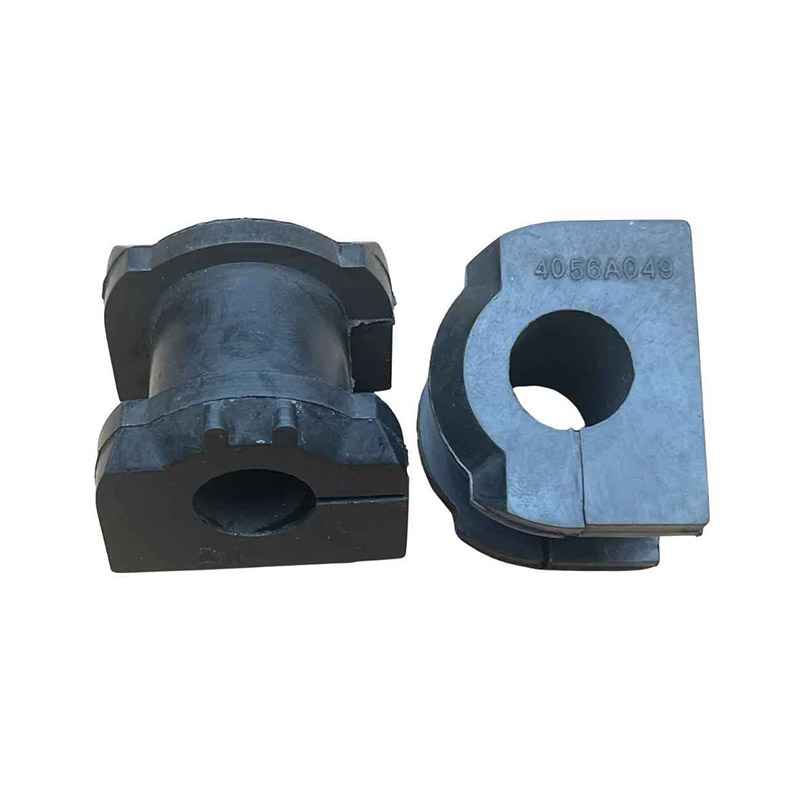
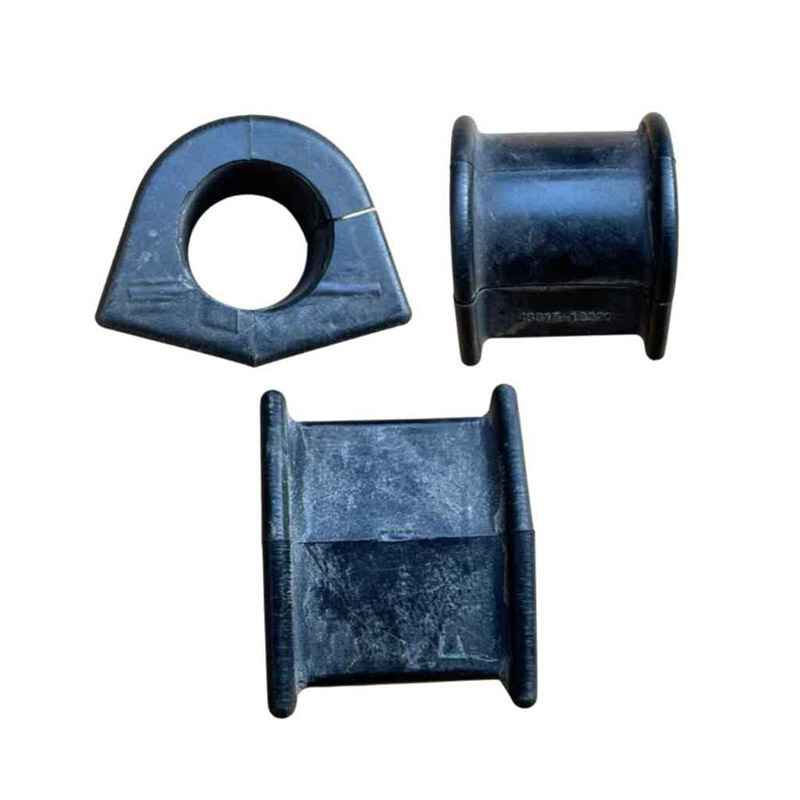
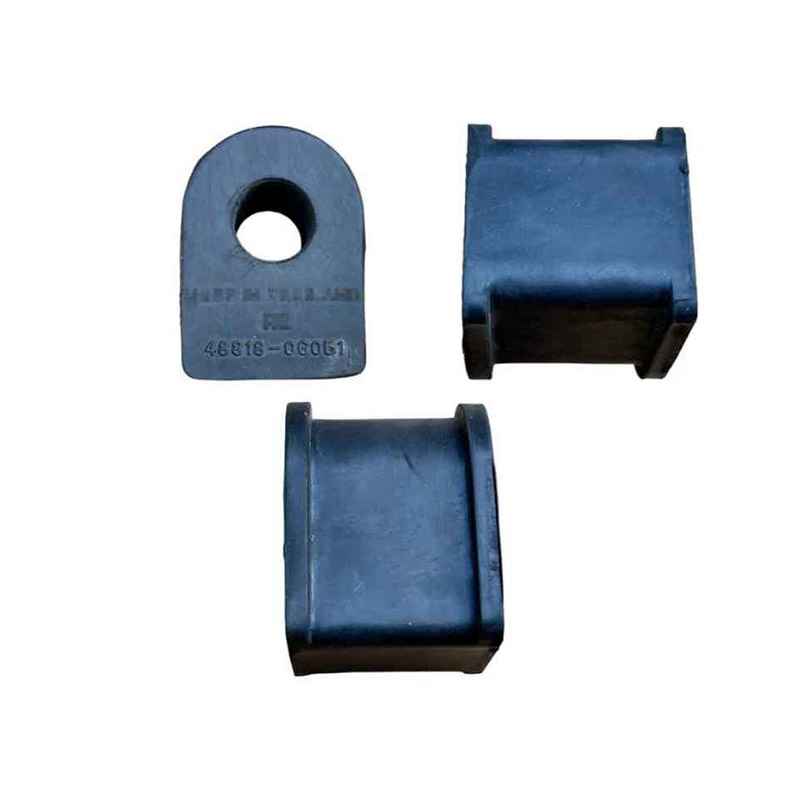
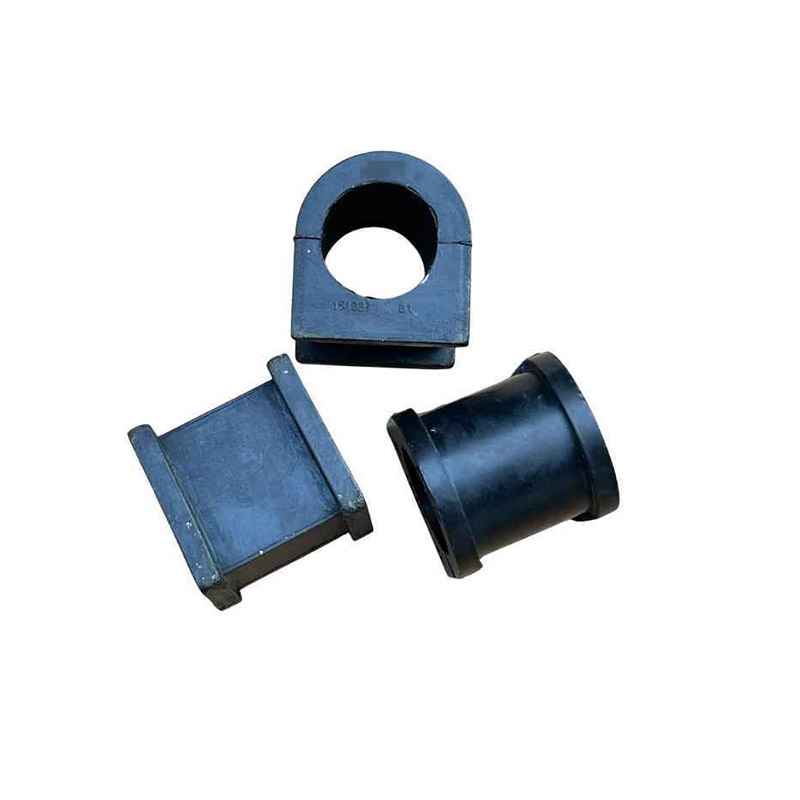
Now let’s talk about rubber sealing rings. Often confused with O-Rings, these serve similar functions but are typically designed for different applications. Want to seal an irregular shaped gap? That’s where sealing rings shine. They provide flexibility and adaptation.
Choisir le bon fournisseur
Quality is key. Brands like Guanghua stand out. They offer a wide range of options tailored for automotive needs. Always look for suppliers who provide detailed specifications, testing data, and certifications. You wouldn’t trust just anyone with your car’s safety, would you?
Conseils d'installation
So, you've got your O-Ring. Now what? Proper installation is critical. Here’s how:

- Nettoyez soigneusement les surfaces avant la pose.
- Vérifiez la présence de bords tranchants. Ils peuvent endommager votre joint torique lors de l'installation.
- Utilisez des lubrifiants compatibles avec le matériau du joint torique.
Ever tried to fit a round peg into a square hole? That’s how it feels if you skip these steps!
Entretien et remplacement
Regular checks. O-Rings wear out over time due to pressure, temperature changes, and exposure to chemicals. Regular visual inspections can save you from unexpected failures. How often should you replace them? It varies, but a good rule of thumb is every two years, especially in performance vehicles.
Final Thoughts onJoints toriques et anneaux d'étanchéité en caoutchouc
O-Rings and rubber sealing rings play a pivotal role in ensuring the reliability of automotive hydraulic systems. Whether it's preventing leaks in your brakes or ensuring smooth transmission shifts, the importance cannot be overstated. Next time you pop the hood, take a moment to appreciate those little rings doing their job!