
The Role of Dust Cover Materials in Driveline Performance
When it comes to vehicle driveline systems, the choice of dust cover materials plays a critical role. These components protect sensitive parts like CV joints and steering mechanisms from environmental contaminants. If the materials are not durable or resistant enough, they can lead to premature wear and ultimately affect overall performance.
Understanding Different Types of Dust Covers
There are various materials used for dust covers, each with its own set of advantages and disadvantages. Common options include rubber, thermoplastic elastomers, and polyurethane. Each material exhibits different levels of resilience against heat, chemicals, and mechanical stress.
- Caoutchouc :Traditionnellement connu pour son élasticité, le caoutchouc peut résister à des plages de température raisonnables, mais peut se dégrader avec le temps lorsqu'il est exposé à des huiles ou aux rayons UV.
- Élastomères thermoplastiques (TPE) :Offrant un bon équilibre entre flexibilité et résistance, les TPE sont souvent plus résistants aux facteurs environnementaux par rapport au caoutchouc standard.
- Polyuréthane :Connu pour sa durabilité exceptionnelle, les couvercles en polyuréthane offrent une protection supérieure mais peuvent être plus coûteux.
The Consequences of Poor Material Choices
Using subpar materials can lead to significant issues. For instance, if the dust cover fails, moisture and dirt can infiltrate theBottes de joint CV. This infiltration results in increased friction and ultimately leads to joint failure. The costs from repairs can escalate quickly, making it crucial to choose the right manufacturing partner that understands these dynamics.
Choosing a Reliable Contract Manufacturing Partner
For auto manufacturers, selecting a contract manufacturing partner is a strategic decision that directly impacts product quality. A well-established brand like Guanghua emphasizes using high-quality materials, ensuring that their dust covers meet industry standards. When evaluating potential partners, consider their track record in material selection and testing.
- Material Testing:Le partenaire effectue-t-il des tests rigoureux sur les matériaux de leurs couvercles de protection ?
- Quality Assurance Processes:Quelles mesures sont mises en place pour garantir une qualité constante ?
- Certifications de l'industrie :Sont-ils certifiés par les organismes de réglementation automobile pertinents ?
Considérations environnementales
As sustainability becomes more important in manufacturing, the choice of materials also has environmental implications. Biodegradable options are gaining traction, though they may still lack some of the durability of traditional materials. Selecting a manufacturing partner that prioritizes eco-friendly practices can enhance your brand's reputation while contributing to environmental sustainability.
Case Study: Performance Review on Different Materials
In a recent analysis, various dust cover materials were tested under real-world conditions. The results showed that vehicles equipped with high-quality polyurethane dust covers exhibited significantly better driveline performance compared to those with standard rubber covers. Not only did the polyurethanes last longer, but they also prevented contamination more effectively. Consequently, repairs were less frequent, leading to cost savings in the long run.
Impact on Axle Repair Performance
Axles are another critical area affected by dust cover material choices. Just like CV joints, axles require protection from dust and debris. A compromised dust cover can lead to axle seal failures, which eventually result in leaks and costly repairs.Joint torique et joints d'étanchéité en caoutchoucare also crucial in ensuring effective seals; however, if the outer protection fails, the inner components are at risk.
Collaborative Development with Manufacturing Partners
Working closely with your contract manufacturer can yield improvements in design and materials. By sharing specific requirements and challenges faced in the field, manufacturers can tailor their offerings, potentially leading to innovative solutions. For example, developing a hybrid dust cover that combines the durability of polyurethane with the flexibility of rubber could offer a competitive edge.
Conclusion: The Future of Dust Cover Materials
As technology advances, we can expect to see new materials emerge that offer even greater protection and performance. Staying ahead of the curve will require ongoing collaboration with experts in the field. Brands like Guanghua are already exploring these avenues, ensuring that their products remain relevant in an ever-evolving marketplace.
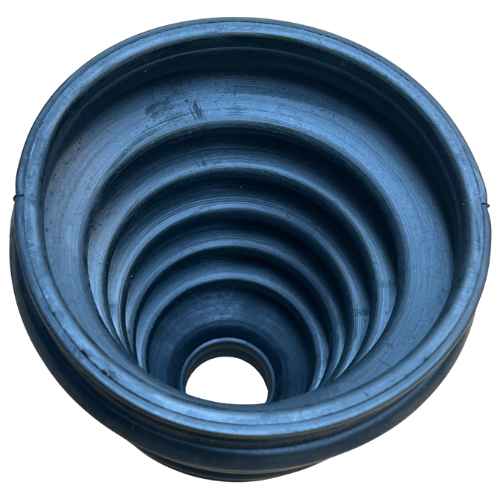
Ultimately, the impact of dust cover materials cannot be overstated. They are integral to the longevity of driveline and axle components, making them a focal point in automotive engineering and manufacturing strategy. Be proactive in your material choices and partner selection to avoid unnecessary headaches down the road.







