
The Complex Dance of Materials
Materials matter. In the world of driveline and axle repair, their impact can’t be overstated. Think about it: inner and outer materials not only affect durability but also performance. Consider a scenario where a manufacturer, say Guanghua, uses a combination of thermoplastic elastomer forBottes de joint CVand a high-grade steel for the inner components. It’s a game changer.
A Case Study: The Effect of Material Choices
Imagine a fleet of delivery trucks, all equipped with various driveline components. One truck features standard rubber O-rings, while another uses advanced rubber sealing rings from a TS16949-certified producer like Guanghua. What happens? The truck with superior O-rings experiences significantly less leakage and wear over time. Is that just luck?
- Standard rubber O-rings: frequent replacements.
- Guanghua’s sealing rings: extended life and performance.
The differences become stark when viewed through the lens of repair frequency and cost. The first truck requires repairs every six months, while the second one runs smoothly for up to two years before needing attention.
Understanding the Impact on Repair Performance
Performance metrics often hinge on material composition. TakeBottes de crémaillère de direction. When made from inferior materials, they can degrade quickly under stress. In contrast, using reinforced synthetic rubber can double their lifespan. What’s the right choice? It’s not as simple as it seems.
Parameters to Consider
Several parameters influence the decision:
- Flexibilité :How well the material can bend without breaking.
- Résistance à la température :Essential for components exposed to varying environments.
- Load Bearing Capacity:Must align with the vehicle's weight and usage.
For example, if an outer boot is designed with a higher load capacity but lacks flexibility, it might crack under pressure during sharp turns. Isn’t that a frustrating oversight?
The Role of Certifications
TS16949/ISO certification plays a crucial role in the manufacturing process. Certified manufacturers are held to rigorous standards, ensuring that the materials chosen meet specific performance criteria. This isn’t just a badge; it’s a guarantee of quality. With companies like Guanghua leading the way, you can trust that their products will outperform competitors.
Real-World Example of Certification Impact
In a recent trial, two sets ofBottes d'amortisseurwere tested—one from a non-certified supplier and the other from a TS16949-certified manufacturer. The results?
- Non-certified boots: cracked after 10,000 miles.
- Certified boots: still intact at 25,000 miles.
The implications are profound. Choosing certified products can mean fewer repairs and a longer lifespan for critical vehicle components.
Future Trends in Material Technology
As we look ahead, the future of driveline and axle repairs may lie in composite materials. Imagine combining lightweight polymers with traditional metals. The potential for innovation is vast. Companies willing to experiment could redefine durability and performance. But wait! Are they ready for such a shift?
Consumer Awareness and Choices
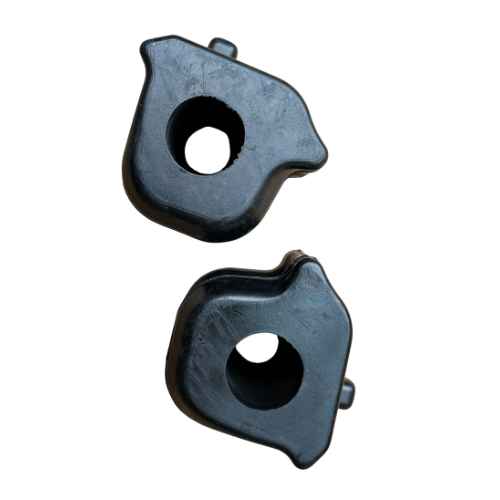
Consumers must be educated. They should ask questions about the materials used in their vehicles. Are the parts they buy backed by strong certifications? Do they offer long-term benefits? If you’re buying stabilizer bar bushings, for instance, knowing whether they are made from high-quality materials can save you money down the line.
La conclusion
To sum it up, the selection of inner and outer materials has far-reaching effects on vehicle driveline and axle repair performance. With certified manufacturers like Guanghua paving the way, the industry stands on the brink of transforming how we perceive automotive maintenance. So, next time you think about replacing a part, consider what really matters: quality over cost.







