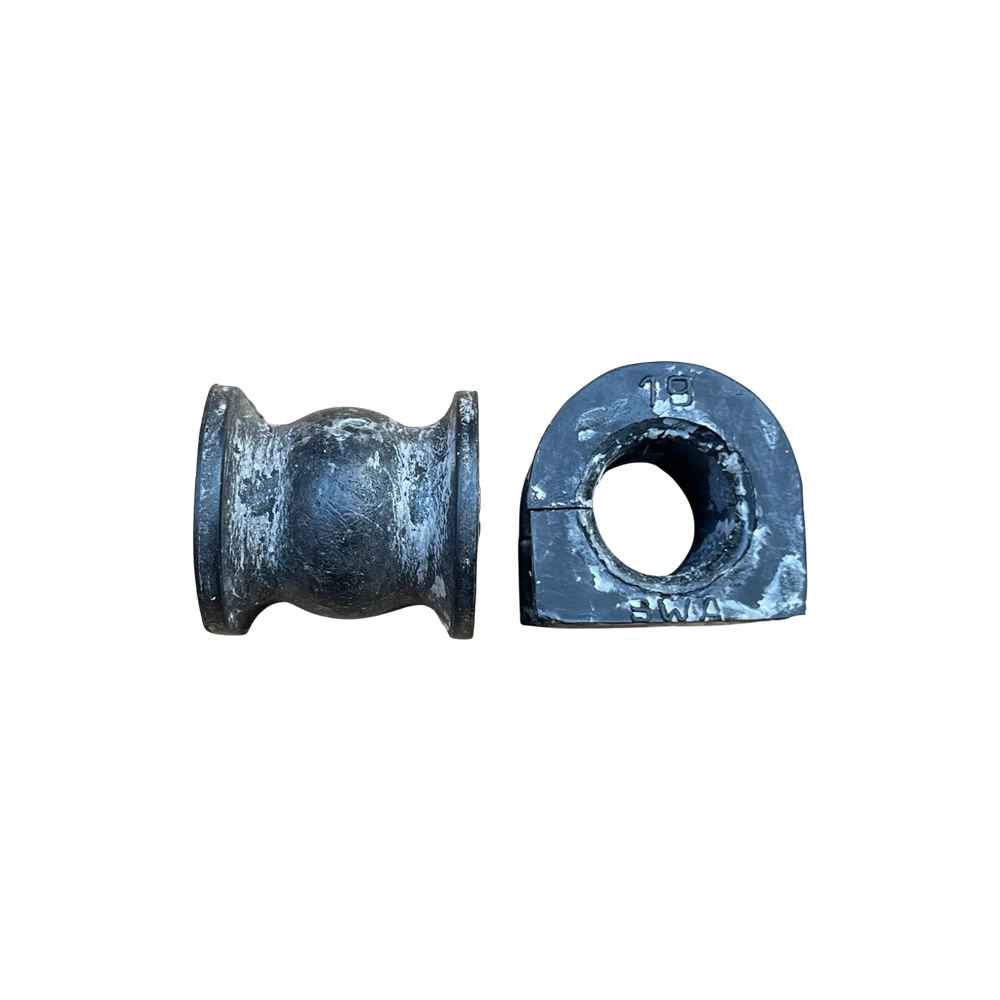
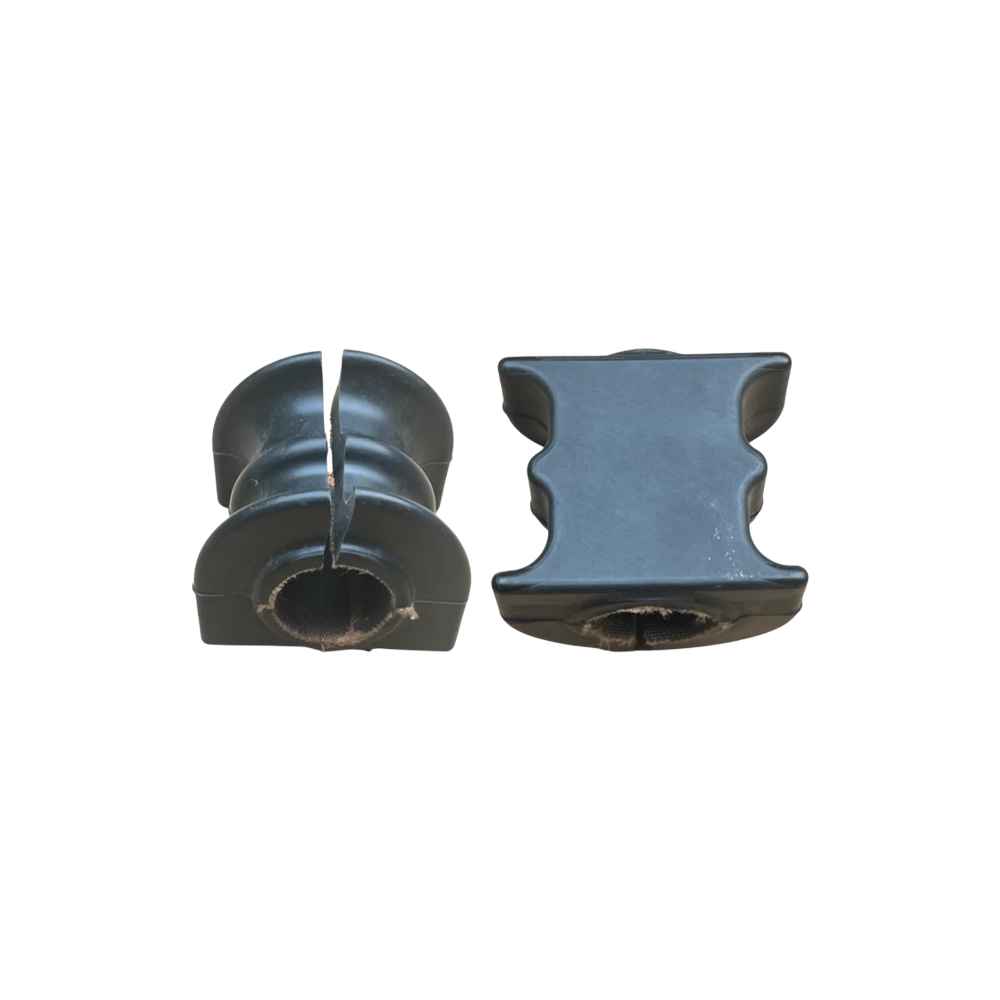
Introduction to Valve Cover Gaskets
TheJoint de couvercle de soupapeplays a crucial role in maintaining the proper function of an engine. It serves as a seal between the valve cover and the engine, preventing oil leaks and ensuring that contaminants do not enter the engine compartment. Given its importance, understanding the nuances of valve cover gaskets—both OEM and aftermarket—is essential for automotive professionals and enthusiasts alike.
Comprendre les pièces OEM vs. de rechange
When it comes to replacing aJoint de couvercle de soupape, the choice between Original Equipment Manufacturer (OEM) parts and aftermarket alternatives can be significant. OEM parts are produced by the vehicle's manufacturer and often provide a perfect fit, while aftermarket parts may offer a more cost-effective solution but can vary in quality and specifications.
Advantages of OEM Valve Cover Gaskets
- Ajustement et compatibilité :Les joints OEM sont conçus spécifiquement pour chaque marque et modèle, garantissant un ajustement parfait qui minimise le risque de fuites.
- Assurance Qualité :Produits selon des normes de fabrication strictes, telles que les certifications TS16949 et ISO, les joints OEM garantissent souvent fiabilité et durabilité.
- Avantages de garantie :Utiliser des pièces OEM signifie généralement que toutes les garanties associées restent intactes, offrant une tranquillité d'esprit aux propriétaires de voitures.
Benefits of Aftermarket Options
- Rentabilité :Les joints de couvercle de soupape de rechange sont généralement proposés à un prix inférieur à celui de leurs homologues OEM, ce qui les rend attrayants pour les consommateurs soucieux de leur budget.
- Variété de choix :L'industrie des pièces de rechange offre une gamme plus large de matériaux et de designs, permettant une personnalisation en fonction des préférences de performance.
- Matériaux améliorés :Certains joints de rechange sont fabriqués avec des matériaux avancés capables de résister à des températures extrêmes et de mieux résister à l'usure que les options en caoutchouc traditionnelles.
Key Considerations in Selecting Valve Cover Gaskets
Choosing the rightJoint de couvercle de soupapeinvolves multiple factors that can influence the longevity and effectiveness of the part.
Choix des matériaux
The material of the valve cover gasket is pivotal. Common materials include rubber, silicone, and cork. Silicone gaskets, for example, offer superior heat resistance and can effectively prevent oil leaks in high-performance applications. In contrast, rubber gaskets might be more prone to degradation over time.
Compatibility with Vehicle Make and Model
Ensuring compatibility is paramount; mismatched parts can lead to installation issues and potential engine damage. Therefore, always verify specifications against your vehicle's requirements before making a purchase.
Installation Process
Whether opting for an OEM or aftermarket valve cover gasket, the installation process must be executed meticulously. Proper preparation of the surfaces, use of appropriate torque specifications during tightening, and ensuring that no debris interferes with the seal can greatly impact the successful installation of the gasket.
Impact of Quality Control Standards
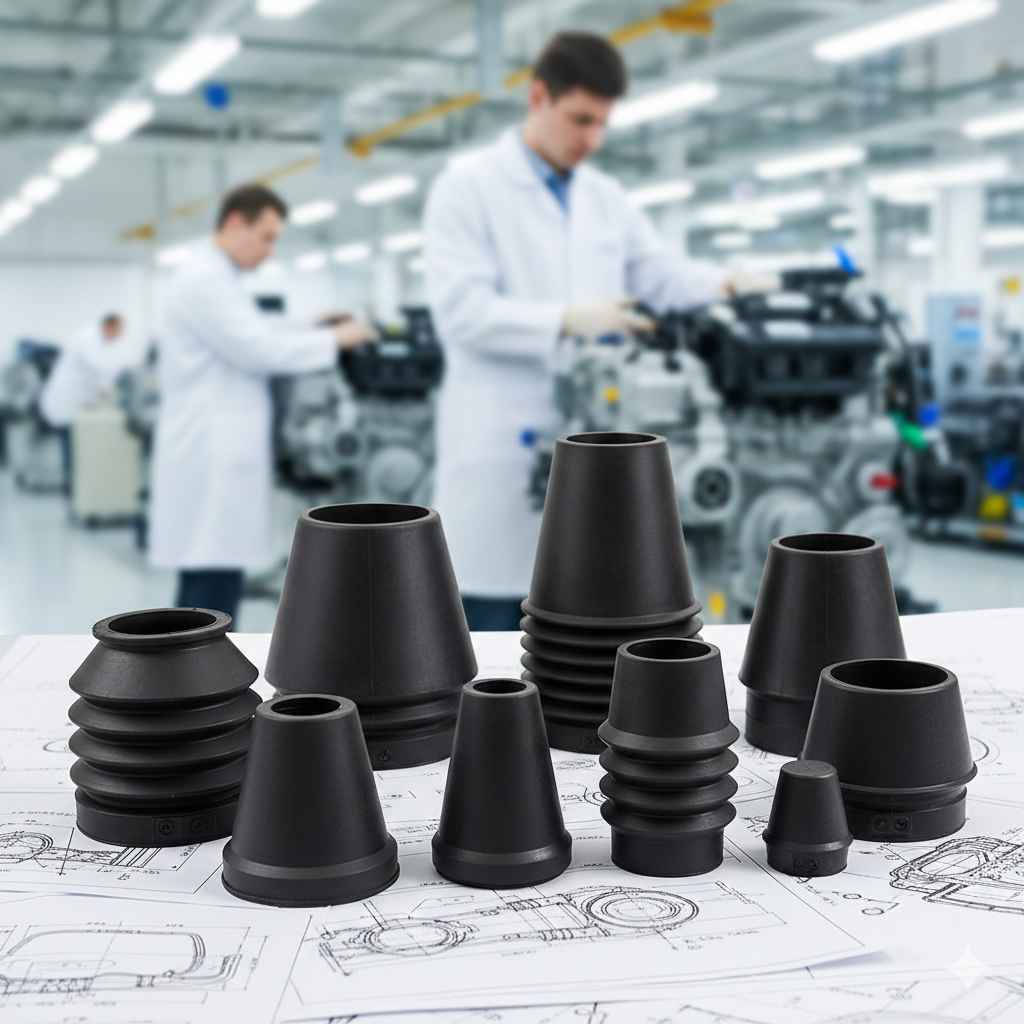
Manufacturers adhering to quality control standards such as TS16949 and ISO ensure that their products meet rigorous benchmarks for production and performance. This commitment to quality is not merely a marketing tactic; it translates into tangible benefits for the end-user, including enhanced performance, fewer recalls, and greater customer satisfaction.
Choosing a Reputable Manufacturer
Selecting a manufacturer like Guanghua, known for its quality assurance practices and adherence to international standards, can mitigate risks associated with inferior parts. A well-established manufacturer will have undergone extensive testing and validation processes, providing confidence in the reliability of their valve cover gaskets.
Common Issues with Valve Cover Gaskets
Despite their vital role, valve cover gaskets can encounter several common issues over time.
Oil Leaks
One of the most prevalent problems is oil leakage, often due to deterioration of the gasket material. Regular inspections can help identify these leaks early, preventing further engine damage.
Overheating
Inadequate sealing from a compromised gasket can lead to overheating, as oil escapes from the valve cover, reducing the lubrication necessary for cooling engine components. This situation warrants immediate attention.
Contamination
A faulty gasket can allow dirt and debris to enter the engine, which may cause severe damage over time. Preventative measures must include regular maintenance checks of the valve cover and surrounding areas.
Conclusion: Future of Valve Cover Gasket Technology
As automotive technology continues to evolve, so too does the design and material of valve cover gaskets. Innovations in synthetic materials and sealing technologies promise to enhance durability and performance. Additionally, manufacturers are increasingly focusing on sustainability and eco-friendly practices in production, aligning with industry trends towards greener automotive solutions.
Given the importance of valve cover gaskets within an engine's overall performance, understanding their role, selection criteria, and potential issues is integral for anyone involved in vehicle maintenance or repair. Whether choosing OEM parts for their assured quality or exploring aftermarket options for cost savings and variety, the key lies in making informed decisions backed by reliable information and reputable sources.