Comprendre les caches de poussière
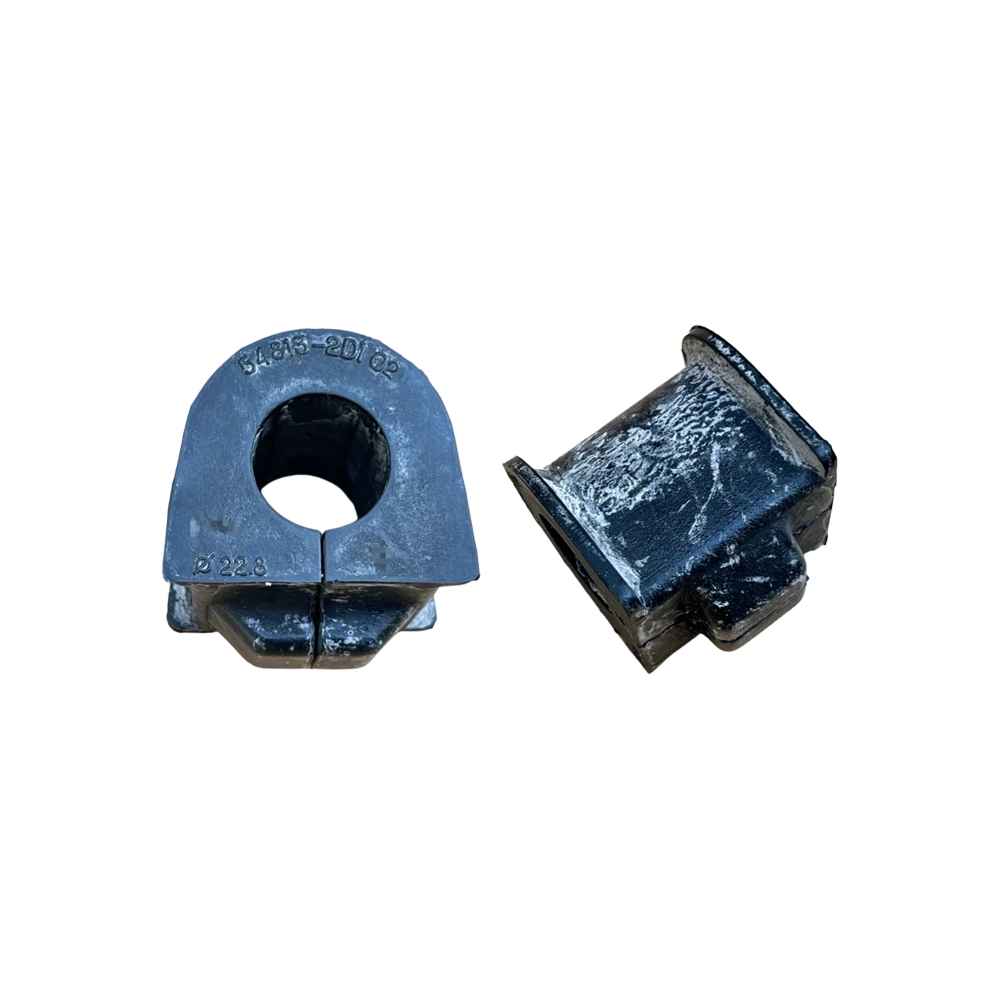
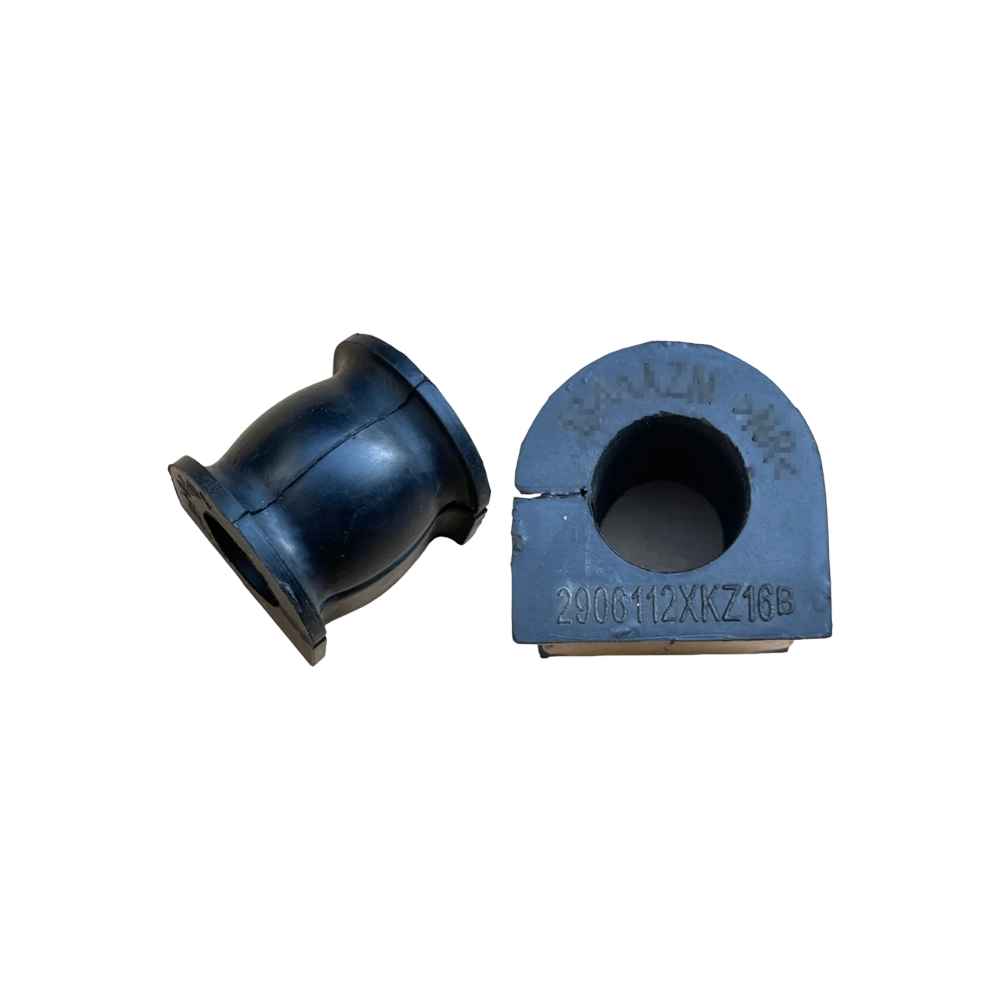
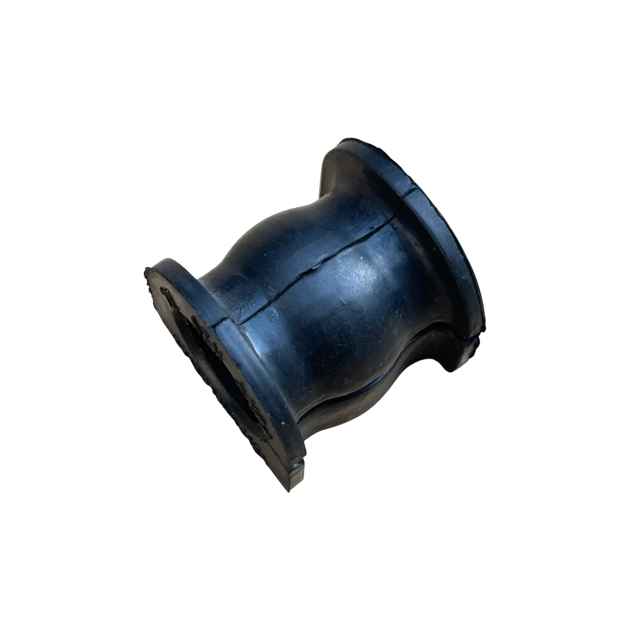
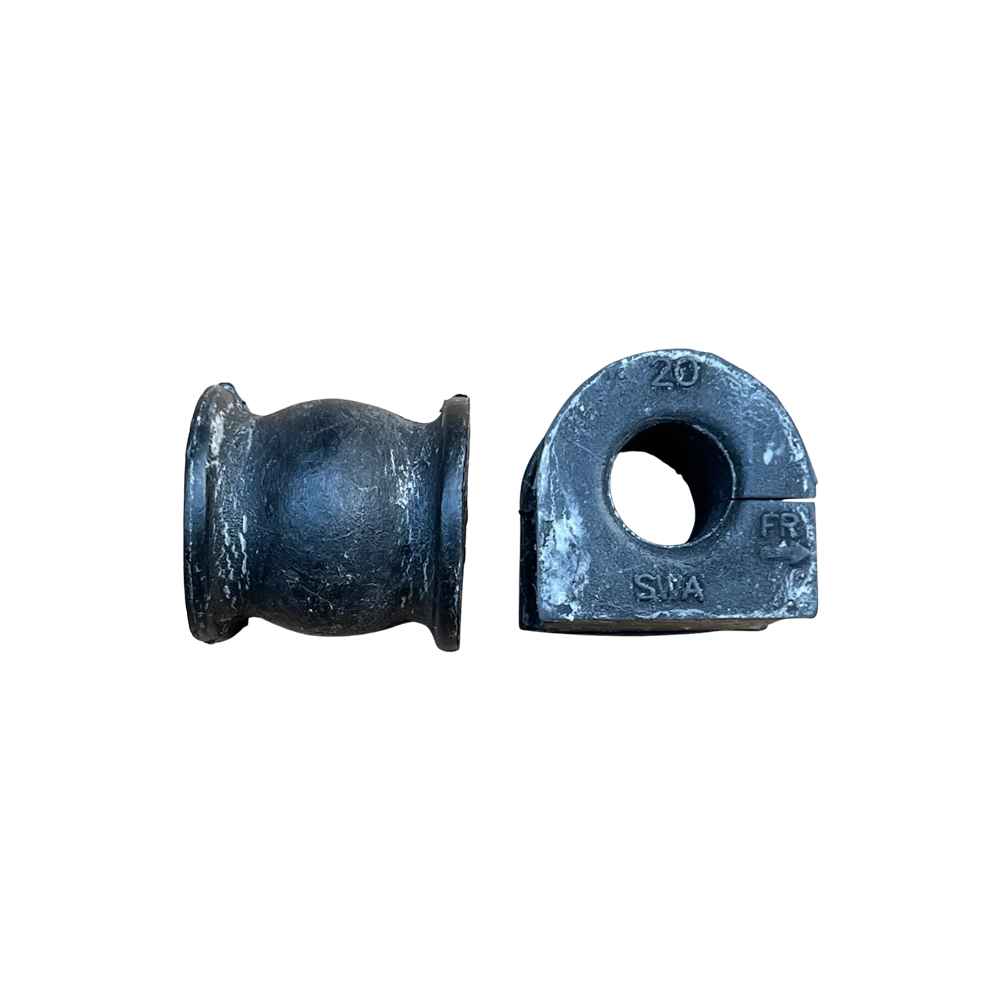
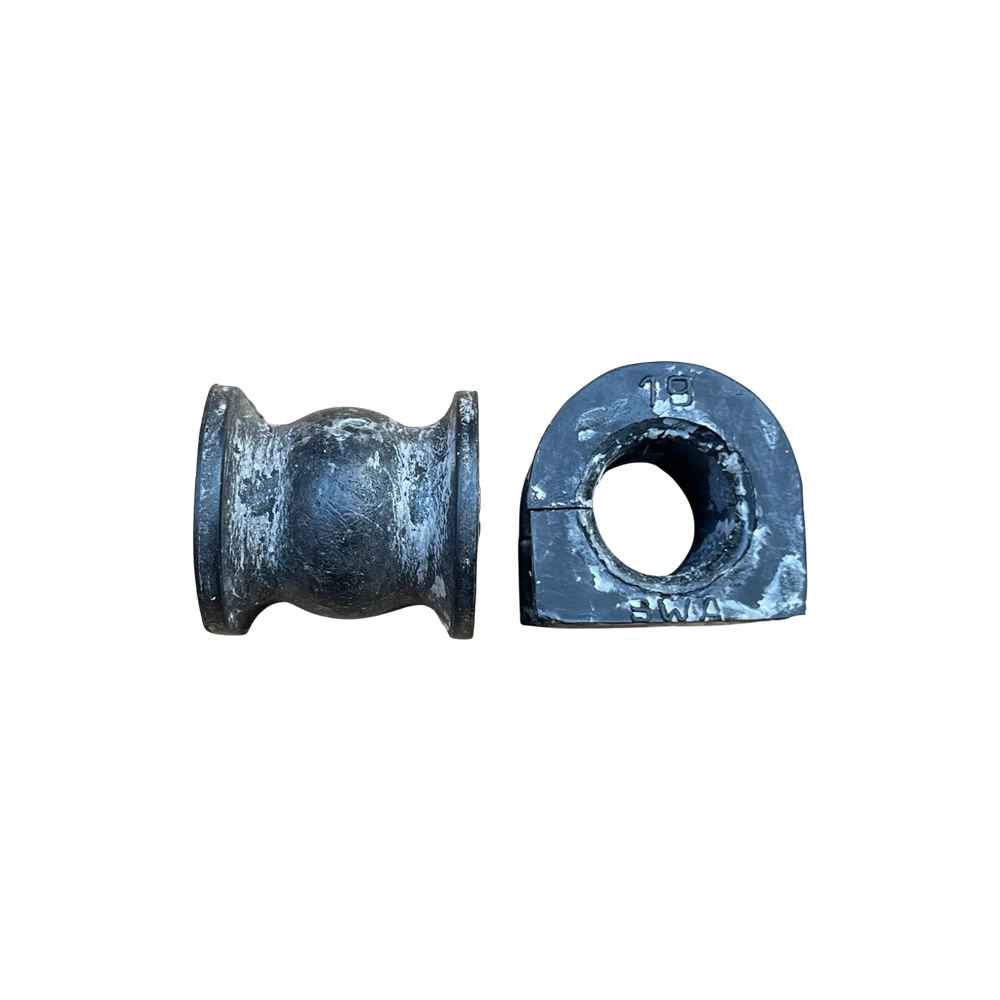
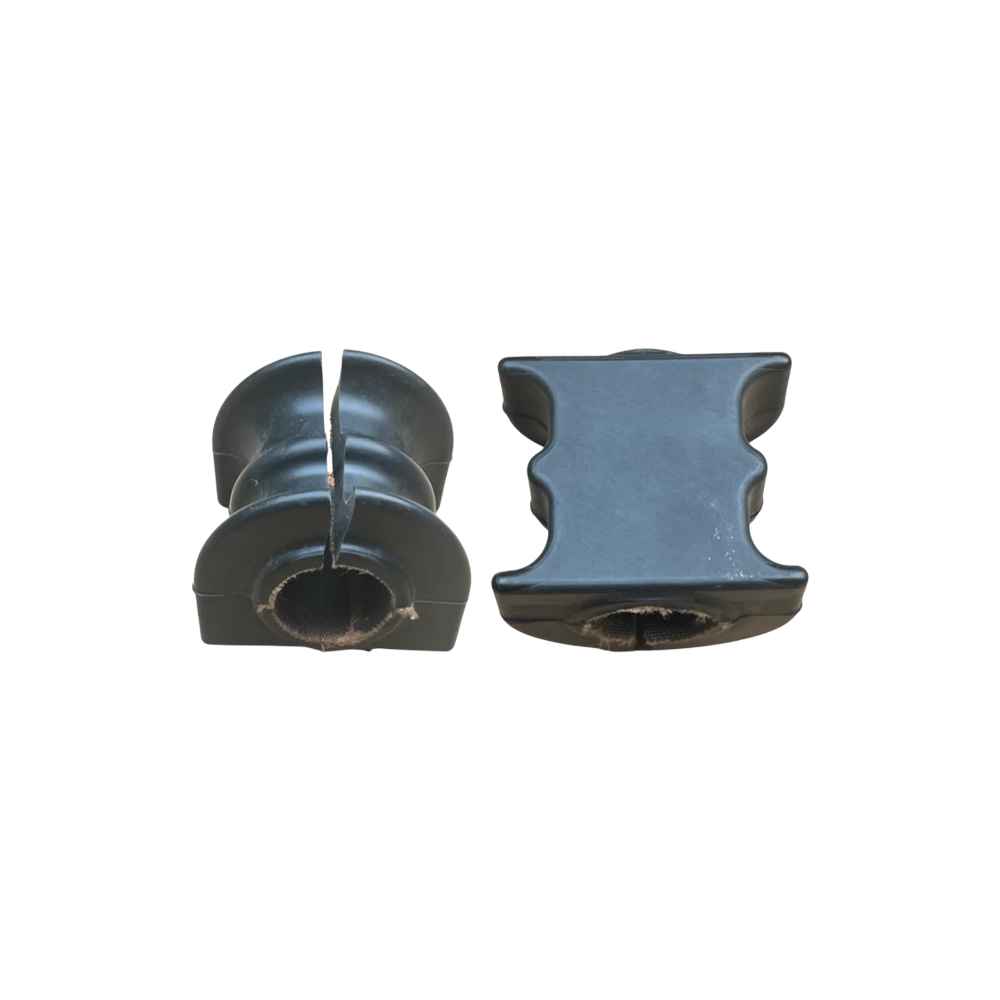
Dust covers are essential components in various automotive applications, serving as protective shields against debris, dirt, and moisture. They are designed to enhance the longevity of critical parts such as CV joints, steering racks, and shock absorbers. A well-made dust cover can prevent premature wear and tear, ultimately ensuring that your vehicle runs smoothly.
Materials Used in Dust Covers
When it comes to selecting the right material for dust covers, several options stand out:
- NBR (caoutchouc nitrile butadiène) :Known for its excellent resistance to oils and greases, NBR is commonly used in manufacturing dust covers. It's particularly effective in environments where exposure to petroleum products is a concern.
- Viton :This fluorocarbon rubber offers superior heat and chemical resistance compared to other materials. Viton dust covers can withstand extreme conditions, making them suitable for high-performance applications.
- Silicone :Often chosen for its flexibility and temperature range, silicone dust covers provide a great seal while remaining adaptable to various shapes. However, they may not be as durable against chemicals as NBR or Viton.
Facteurs de Durabilité
The durability of a dust cover depends on multiple factors including the material, environmental conditions, and application demands. For instance:
- Exposure to Chemicals:If your vehicle operates in an environment with harsh chemicals, opting for Viton or NBR is often more prudent.
- Temperature Variations:In scenarios where high or low temperatures are the norm, silicone may offer better performance due to its broad temperature resistance.
- Stress Mécanique :Consider the mechanical load the dust cover will endure. Products like those from Guanghua are designed to handle significant stress without failing.
Comparing Costs: Wholesale Pricing Insights
When looking for wholesale pricing, understanding the cost breakdown of different materials can help you make informed decisions. Here’s a quick comparison of average costs:
- Couvercles de poussière NBR :Ils varient généralement de 0,50 $ à 2,00 $ par unité, selon l'épaisseur et la taille.
- Couvercles de poussière Viton :Ils peuvent varier de 2,00 $ à 5,00 $, reflétant leur qualité supérieure et leurs applications spécialisées.
- Couvercles de poussière en silicone :Les prix se situent généralement entre 1,00 $ et 4,00 $, influencés par la complexité du design.
Factors Affecting Wholesale Pricing
Several elements influence the pricing dynamics in the wholesale market:
- Material Availability:Le coût des matières premières fluctue en fonction de l'offre et de la demande, ce qui affecte directement le prix final.
- Volume de commande :L'achat en gros conduit souvent à des réductions ; les fournisseurs souhaitent inciter à des commandes plus importantes.
- Complexité de fabrication :Les designs nécessitant des processus de moulage complexes peuvent augmenter les coûts de production, entraînant des prix de gros plus élevés.
Choisir la bonne option pour vos besoins
Ultimately, the choice between dust covers made from NBR, Viton, or silicone should align with your specific needs. Consider the operational environment and budget constraints before making a decision. For example, if you're working on a vehicle that frequently sees oil exposure, NBR might be the most cost-effective and functional option. Conversely, if you need something that handles high temperatures, investing in Viton could save you money in the long run.

Conclusion
In conclusion, understanding the differences between dust covers and the materials used—NBR, Viton, and silicone—can significantly impact maintenance strategies and long-term vehicle performance. Always consult with trusted manufacturers like Guanghua to ensure you receive high-quality products tailored to your needs. Whether it's forBottes de joint CV, Bottes d'amortisseur, or other applications, investing in the right material will pay off through increased durability and efficiency.