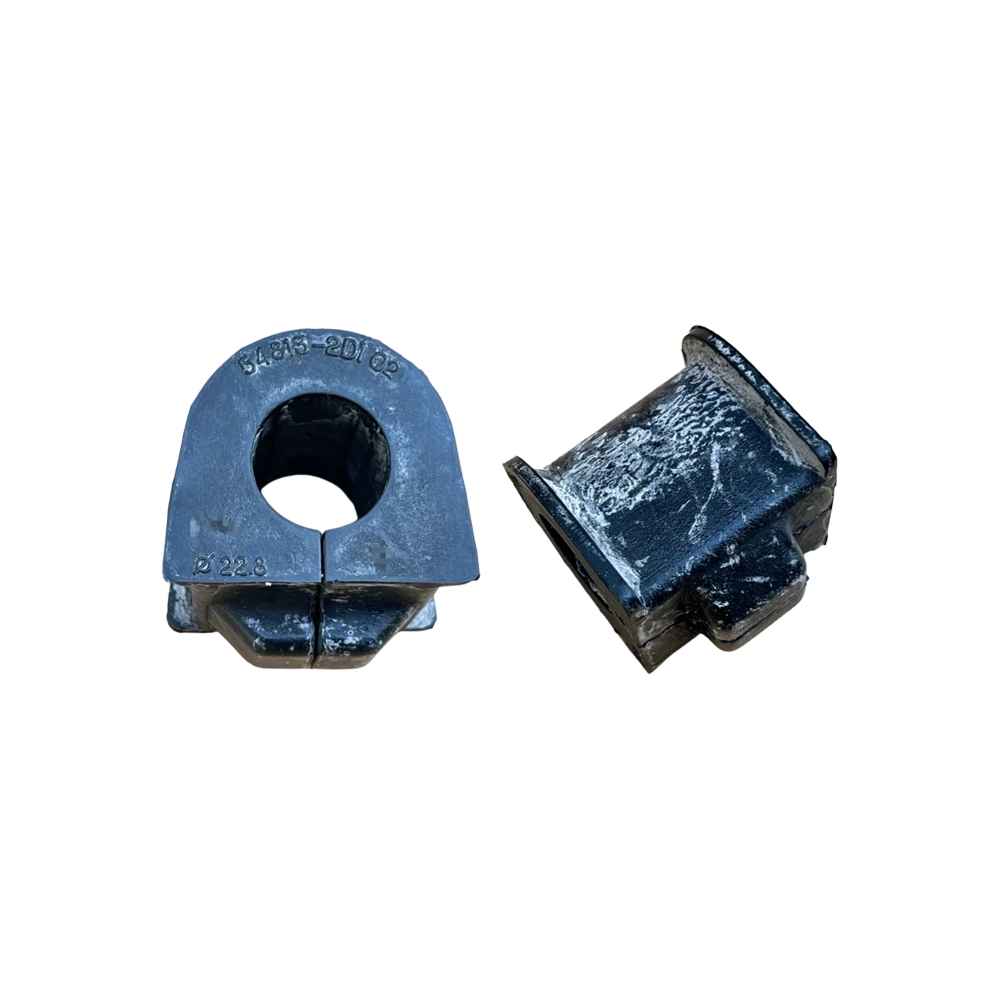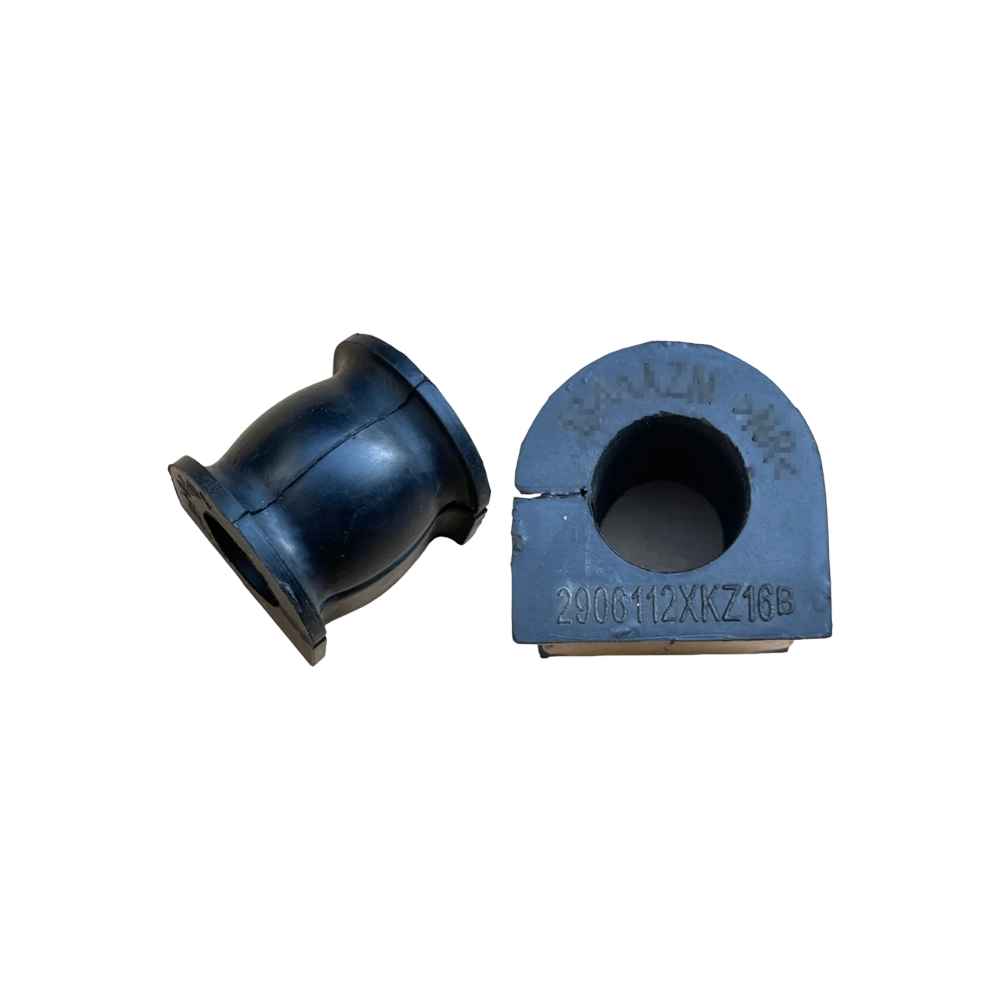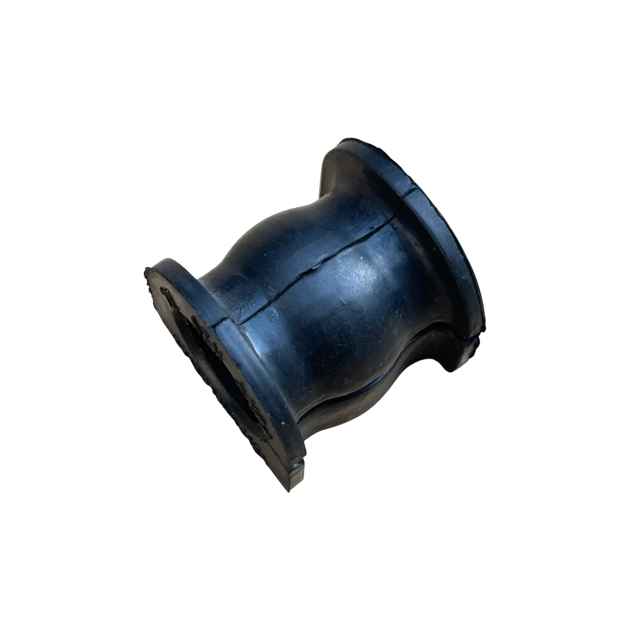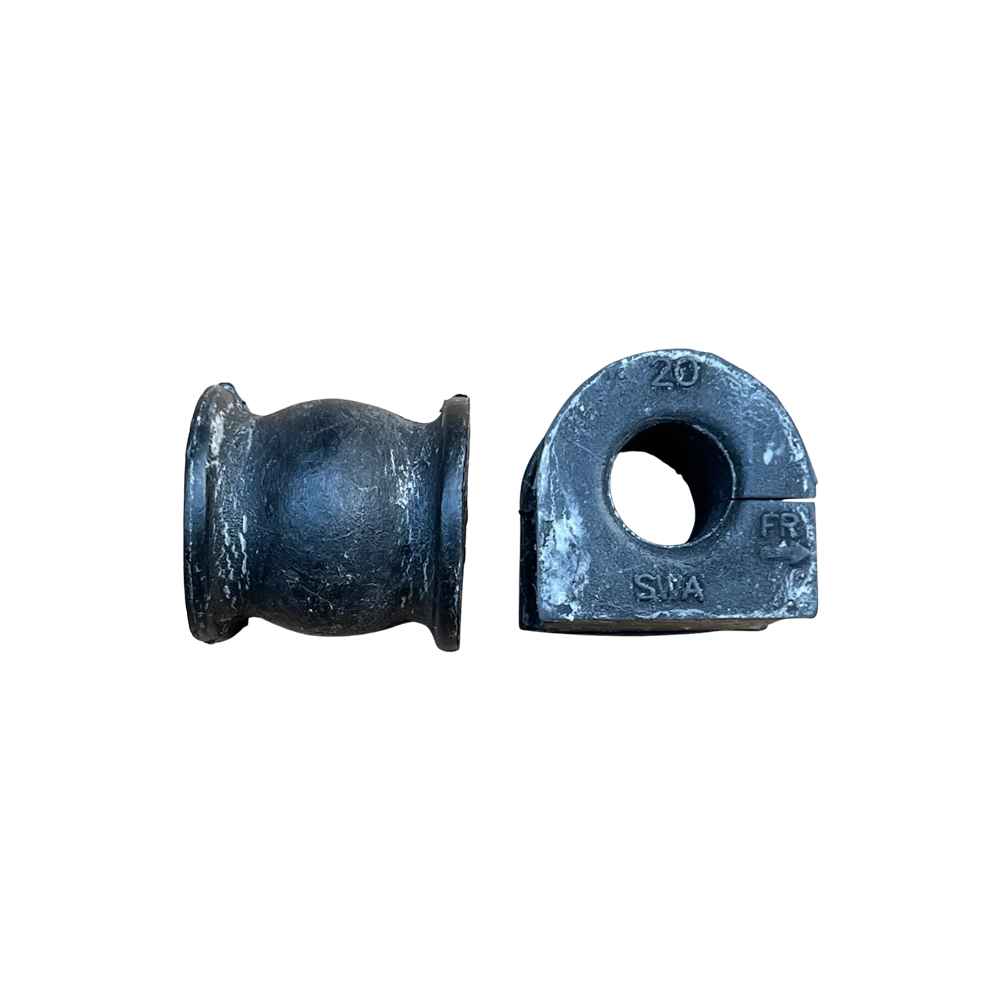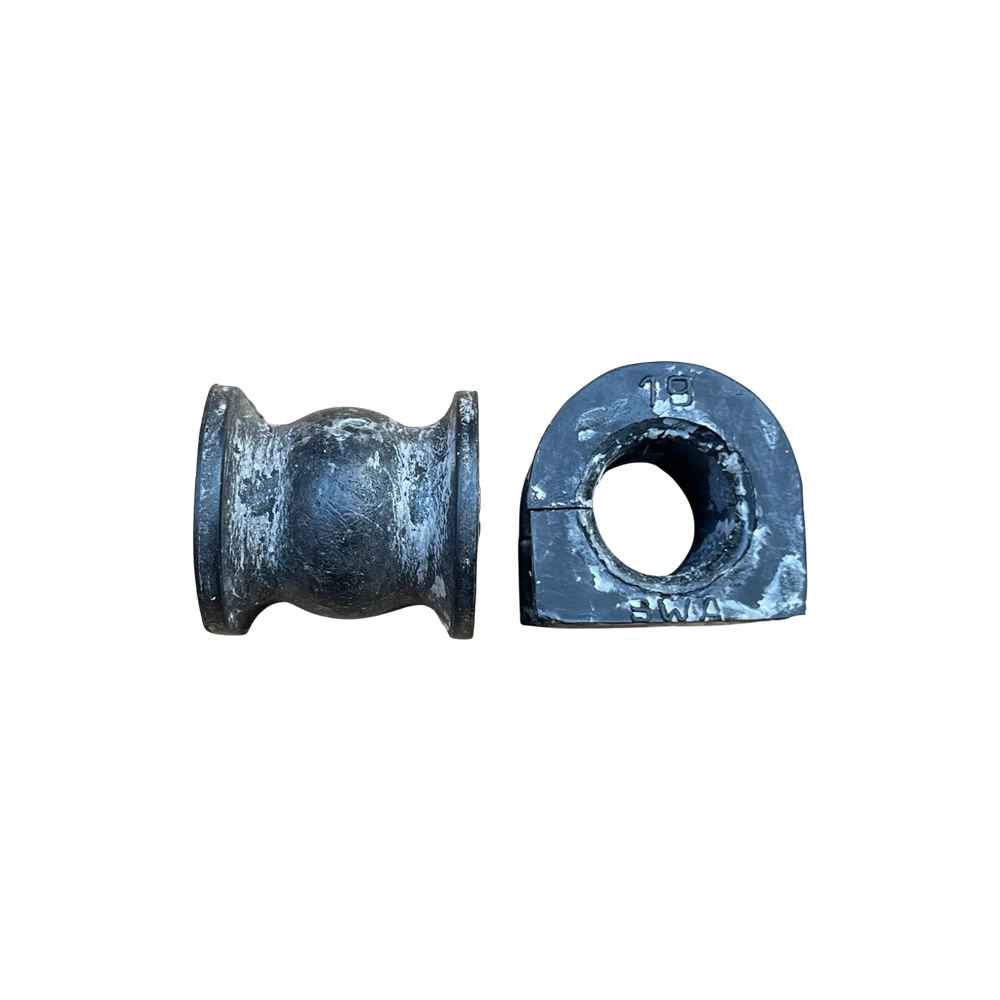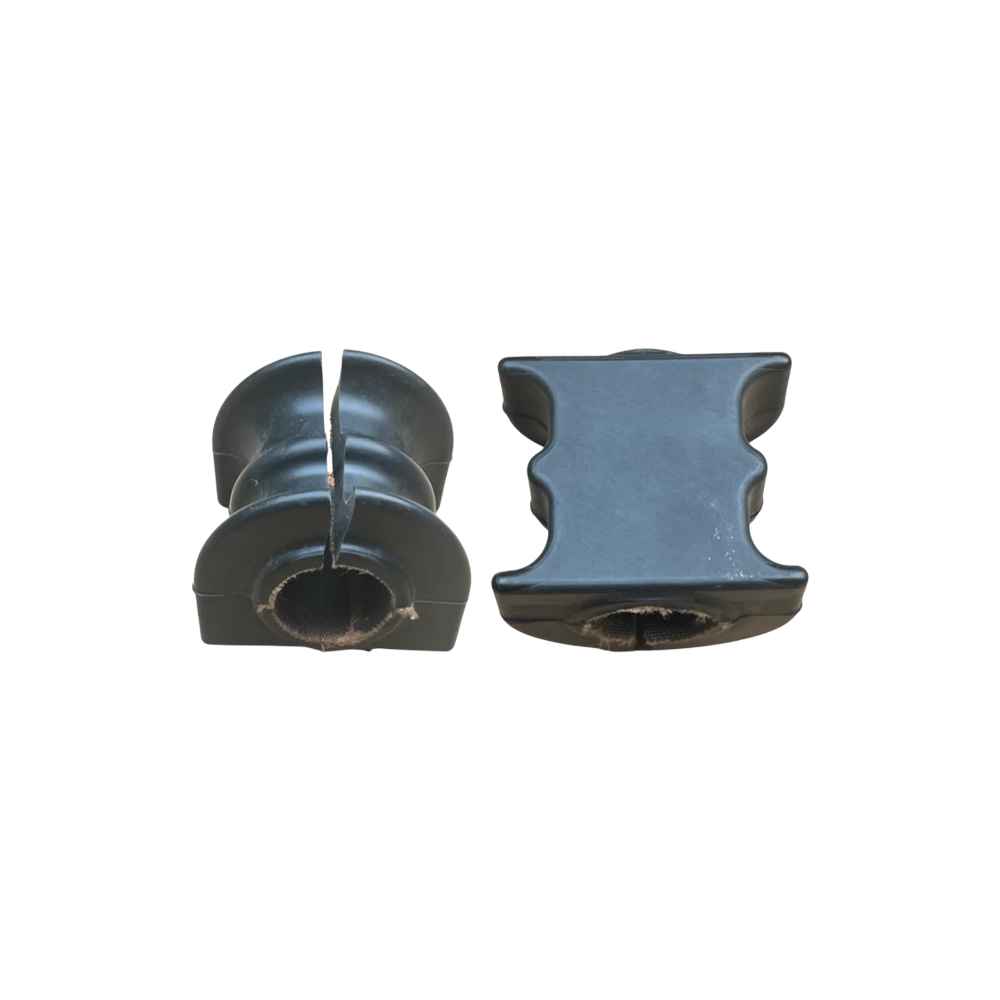
Understanding the Basics of Strut Dust Sleeves
Strut dust sleeves, often overlooked in the world of automotive components, play a crucial role in protecting struts from dirt, debris, and moisture. These components are essential for maintaining the longevity of your vehicle’s suspension system. To appreciate their importance, we need to dive into the materials commonly used in their construction.
NBR (caoutchouc nitrile butadiène)
NBR is well-known for its impressive resistance to oils, fuels, and other chemicals. This makes it an excellent choice for various automotive applications. The flexibility it offers, combined with a decent lifespan, has made NBR a go-to material for many manufacturers. One interesting fact? It can withstand temperatures ranging from -40°C to 120°C, perfect for those wild weather conditions you might encounter on the road!
Viton
Now let’s talk about Viton, another heavyweight in the material arena. If you're after superior heat and chemical resistance, then Viton is where it's at. This fluoropolymer doesn't just stop at oil resistance; it can also handle extreme temperatures—up to 200°C! However, keep in mind that this quality comes with a price tag that’s generally higher than NBR. So, if cash is tight, weigh your options carefully.
Silicone
Silicone is highly praised for its flexibility and temperature range, which can stretch up to 260°C! It's often chosen for applications requiring high levels of durability and reliability. That said, silicone rubber can be less resistant to oils compared to NBR and Viton, so it's crucial to think about your specific needs when considering it for strut dust sleeves.

Comparing Costs: Which Material is Right for You?
- NBR :Généralement plus abordable, ce qui en fait un choix populaire pour les consommateurs soucieux de leur budget.
- Viton :Coût plus élevé mais offre des performances exceptionnelles dans des environnements difficiles.
- Silicone :Prix similaire au Viton mais peut ne pas offrir le même niveau de résistance à l'huile.
When comparing costs, remember that cheaper isn't always better. While NBR might save you dollars initially, you could end up spending more down the line due to frequent replacements. On the flip side, investing in Viton or Silicone could mean fewer headaches in the long run. Think about what kind of driving conditions you'll face and choose accordingly.
Application Insights
In the automotive world, strut dust sleeves will often face harsh conditions. From rough terrains to daily city commutes, the right material can make all the difference. For example, if you frequently drive in areas with heavy rainfall or snow, selecting a robust option like Viton will likely serve you better. Conversely, typical urban driving with minimal exposure to extreme elements may find NBR more than sufficient.
Compatibility with Other Components
It’s crucial to consider how these materials work alongside other vehicle components. For instance, if your struts also incorporateJoint torique et joints d'étanchéité en caoutchouc, ensure compatibility in terms of chemical resistance and thermal expansion. After all, a strut dust sleeve's performance can directly influence other parts' functionality.
Les marques et la qualité comptent
When it comes to choosing a brand, some names stand out in the industry. Take Guanghua, for instance; they’re known for producing high-quality automotive components, including strut dust sleeves. It's always wise to research brands and read reviews before making a purchase. A reputable brand goes a long way in ensuring that you get the best bang for your buck.
Key Considerations in Selection
- Évaluez vos conditions de conduite.
- Considérez la durée de vie globale que vous souhaitez pour le produit.
- Équilibrez votre budget par rapport aux caractéristiques de performance de chaque matériau.
Ultimately, the decision rests on your unique requirements. Do you prioritize long-term durability, or is immediate cost savings your main concern? Whatever the case may be, staying informed will help you make the right choice.
Conclusion: Making the Final Decision
After diving deep into the materials and costs associated with strut dust sleeves, it becomes apparent that each option has its own strengths. Whether you lean towards NBR for cost-effectiveness, Viton for advanced protection, or Silicone for high-temperature resilience, the key is to align your choice with your driving habits and environmental factors. Remember, investing time in understanding these components now can save you a world of trouble later!