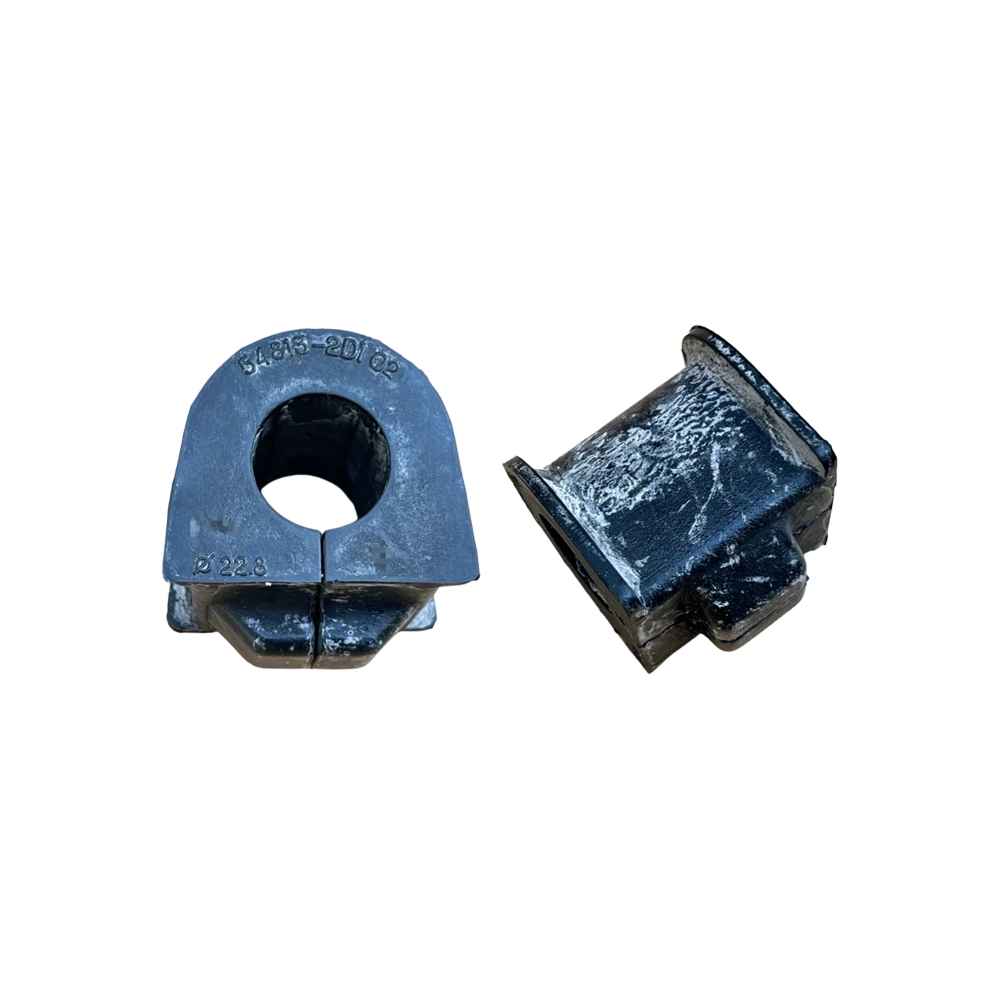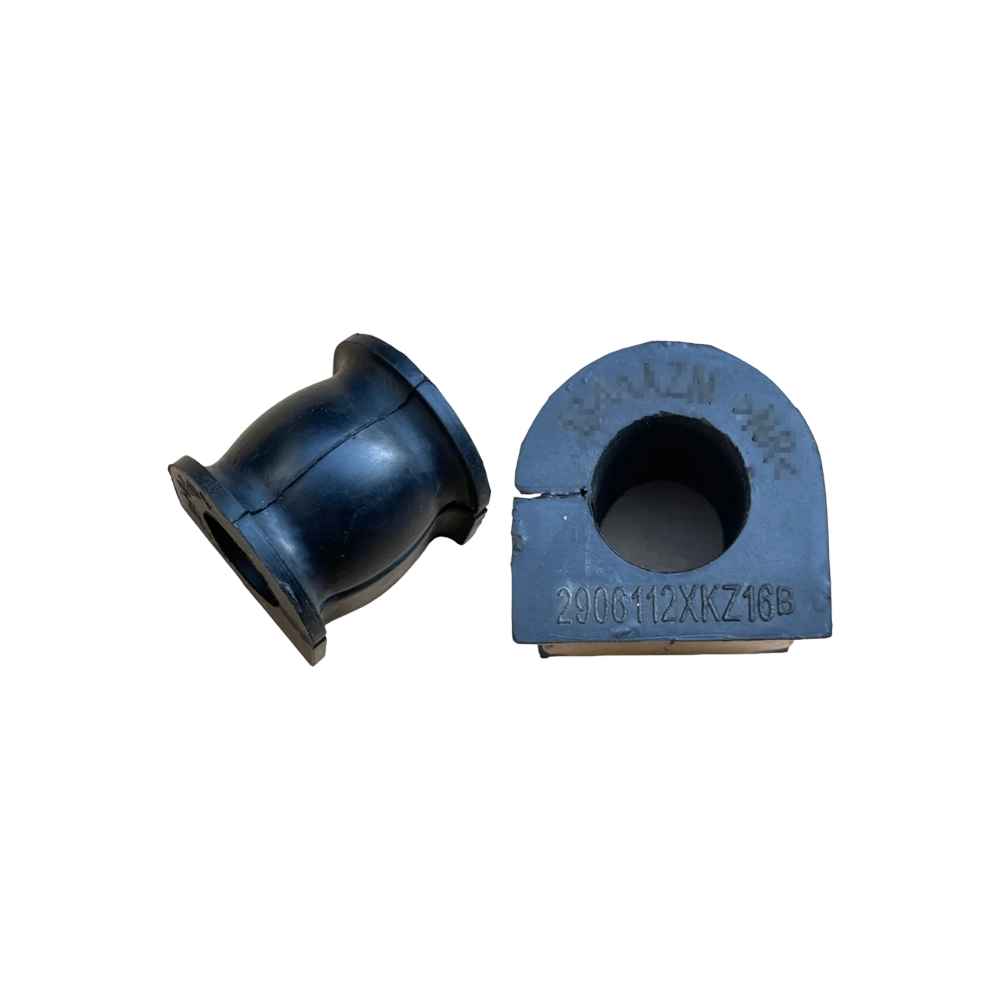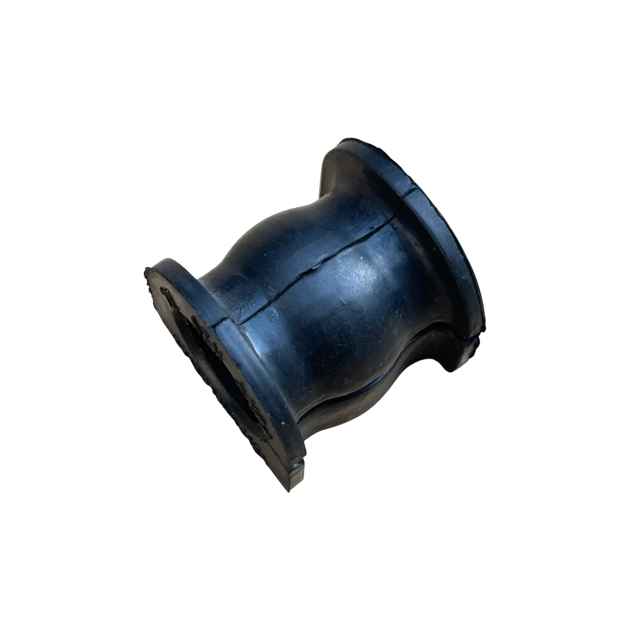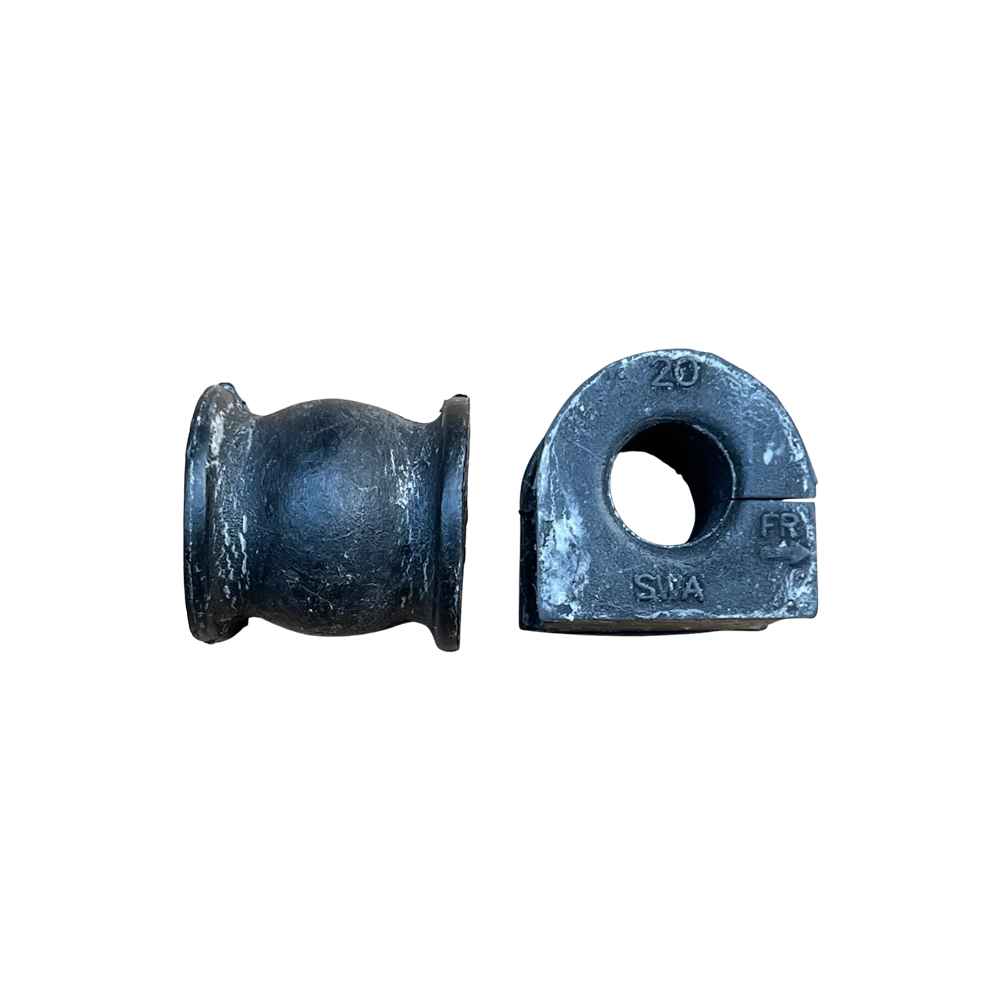
Understanding CV Joint Boots
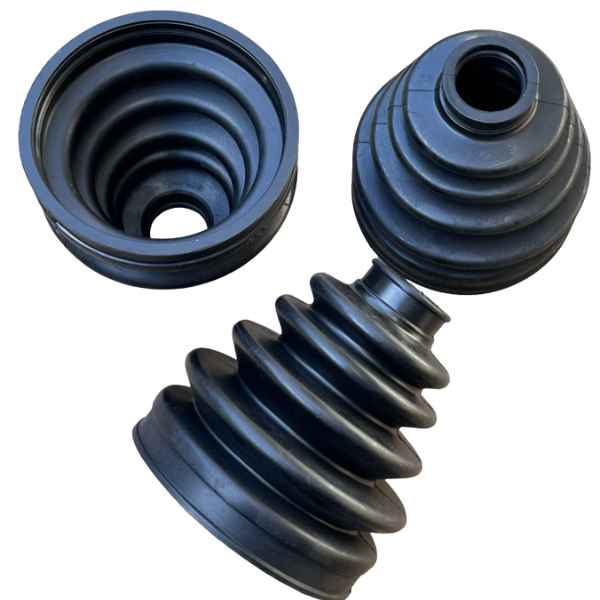
The importance of CV Joint Boots in automotive hydraulic systems can't be overstated. These components serve as protective coverings for the constant velocity (CV) joints, which play a crucial role in transferring power from the engine to the wheels while accommodating suspension movements.
Why Sourcing Quality Matters
When it comes to sourcing CV Joint Boots , quality is paramount. An inferior boot can lead to premature wear and tear on the CV joint itself, resulting in costly repairs and potential safety hazards. Factors like material durability, heat resistance, and flexibility should always be considered.
Key Specifications to Consider
- Material Composition: Look for boots made from high-quality rubber or thermoplastic materials that can withstand varying temperatures and environmental conditions.
- Size and Fit: Accurate sizing ensures a snug fit, preventing dirt and moisture ingress that can damage the CV joint.
- Brand Reputation: Companies like Guanghua have built a solid reputation for producing reliable automotive components, including CV joint boots.
Testing the Durability of CV Joint Boots
Before making a purchase, it's advisable to examine the testing procedures that manufacturers apply to their products. Rigorous assessments can reveal important insights into a boot's longevity under typical driving conditions. Pay attention to any certifications or guarantees offered, as these reflect the manufacturer's confidence in their product.
Common Mistakes When Sourcing
- Overlooking Compatibility: Not all CV joint boots will fit every vehicle model. Make sure to verify compatibility with your specific make and model.
- Focusing Solely on Price: While cost is an important factor, opting for the cheapest option may lead to more expensive problems down the line. Invest wisely.
- Neglecting Installation Tips: Failing to follow proper installation techniques can undermine the effectiveness of the boot, regardless of its quality.
Alternative Components Worth Considering
While CV joint boots are essential, there are other rubber sealing components that ensure the efficiency of hydraulic systems in vehicles.
Steering Rack Boots
Much like CV joint boots, steering rack boots protect the inner mechanisms of your vehicle’s steering system. They prevent contaminants from entering the assembly and can significantly extend the life of the steering rack.
Shock Absorber Boots
These boots guard shock absorbers against dirt and grime, ensuring they function properly. A well-maintained shock absorber enhances ride comfort and handling performance.
O-Rings & Rubber Sealing Rings
In many hydraulic systems, O-rings and rubber sealing rings play a vital role in preventing fluid leaks. These small components can save you from significant hydraulic failures if chosen correctly.
Where to Source CV Joint Boots
Finding the right supplier can make a world of difference in the procurement process. Whether you're purchasing for personal use or operating a business that requires bulk ordering, consider the following:
Online Marketplaces
Platforms like Amazon or specialized automotive websites often provide a wide range of options. Look for seller reviews and ratings to gauge the reliability of the products offered.
Local Auto Parts Shops
Local shops can be a treasure trove of parts. Engaging with knowledgeable staff can offer insights into product quality and application suitability.
Direct Manufacturer Partnerships
Establishing relationships with manufacturers like Guanghua can yield better pricing and access to exclusive products. This can be particularly beneficial for businesses looking to maintain consistent quality across their offerings.
Final Thoughts on Procurement Strategies
Sourcing CV joint boots requires careful consideration and diligence. In a market flooded with options, focusing on quality, compatibility, and the reputation of brands like Guanghua can help streamline the procurement process.
Ultimately, investing time and effort in sourcing the right components will pay off in terms of performance and reliability in your automotive hydraulic system.