Understanding Sway Bars: The Basics
Sway bars, also known as stabilizer bars, play a crucial role in a vehicle's handling and performance. These components are designed to minimize body roll during cornering, making your ride smoother and more controlled. So, whether you're looking at front or rear sway bars for your vehicle driveline and axle repair, knowing the differences can help you make an informed decision.
Why Choose Front vs Rear Sway Bars?
Now, when it comes to selecting between front and rear sway bars, it’s essential to understand their functions. The front sway bar generally reduces understeer, helping your vehicle turn better, while the rear sway bar combats oversteer, providing stability. Depending on what kind of driving experience you’re after—whether it's sporty or more laid-back—you might want to consider how each option affects your ride.
- Front Sway Bars: Excellent for improving steering response.
- Rear Sway Bars: Great for enhancing stability and reducing lateral movement.
Contract Manufacturing Perspective
From a contract manufacturing point of view, the production of these sway bars requires precision engineering and quality materials. It’s not just about throwing metal together; we need to ensure that each component meets specific standards. I often tell my clients that investing in high-quality sway bars like those offered by Guanghua can significantly enhance their vehicle's performance.
The Production Process
When we start manufacturing sway bars, several steps come into play:
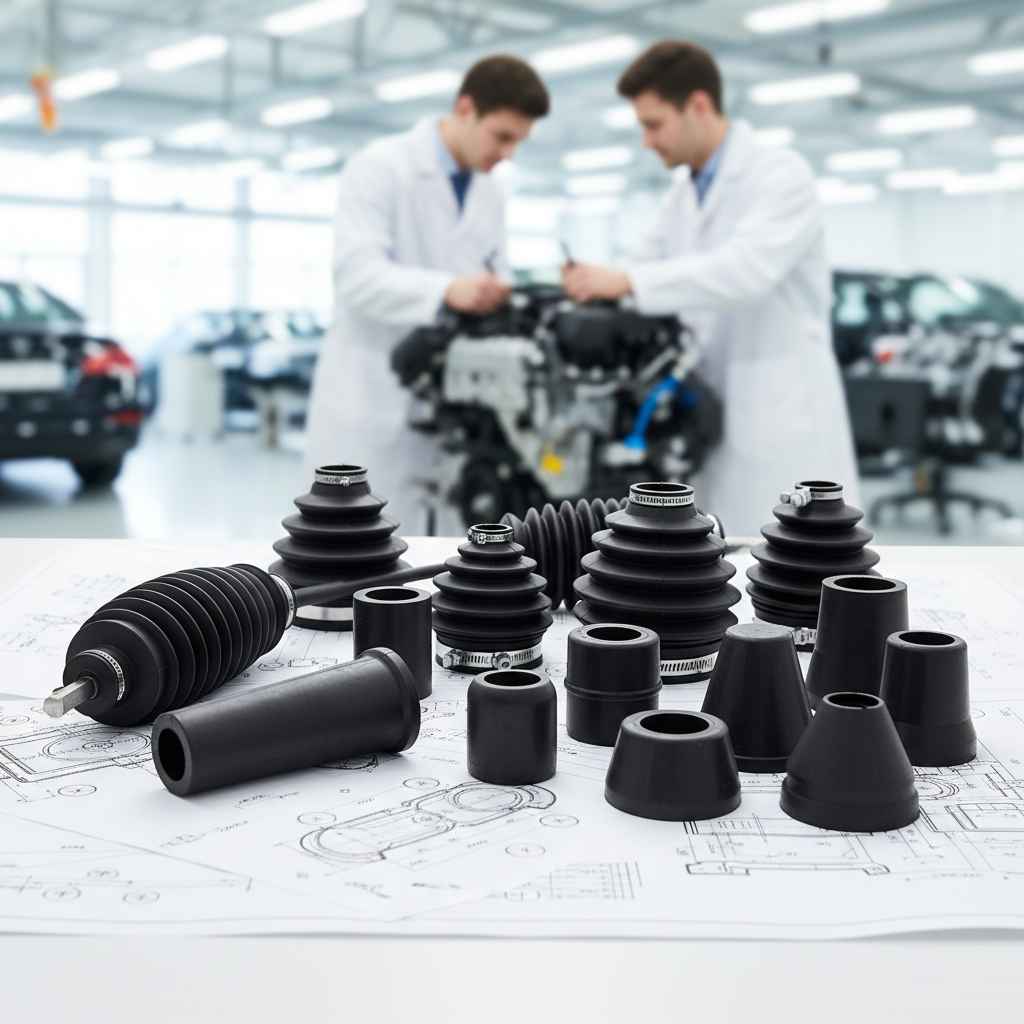
- Design & Engineering: This involves creating prototypes and testing them extensively.
- Material Selection: Choosing the right alloy is pivotal—steel types vary in strength and flexibility.
- Fabrication: Precision cutting and bending techniques are used to ensure perfect fitment.
- Finishing: A good coating can prevent corrosion and prolong life.
Common Mistakes to Avoid
One thing I've seen over the years is people thinking that all sway bars are created equal. Not true! Using the wrong size or type can lead to subpar handling characteristics. It's essential to match the sway bar with your vehicle's specifications. Also, don’t overlook the importance of related components like CV Joint Boots and Steering Rack Boots ; they can impact sway bar effectiveness if they're worn out.
Installation Tips
Installing sway bars isn't rocket science, but it does require some know-how. Here are a few tips to keep in mind:
- Check your vehicle's manual for specifications.
- Use proper tools to avoid stripping bolts.
- Don’t rush the process; a careful installation can prevent future issues.
Maintenance Matters
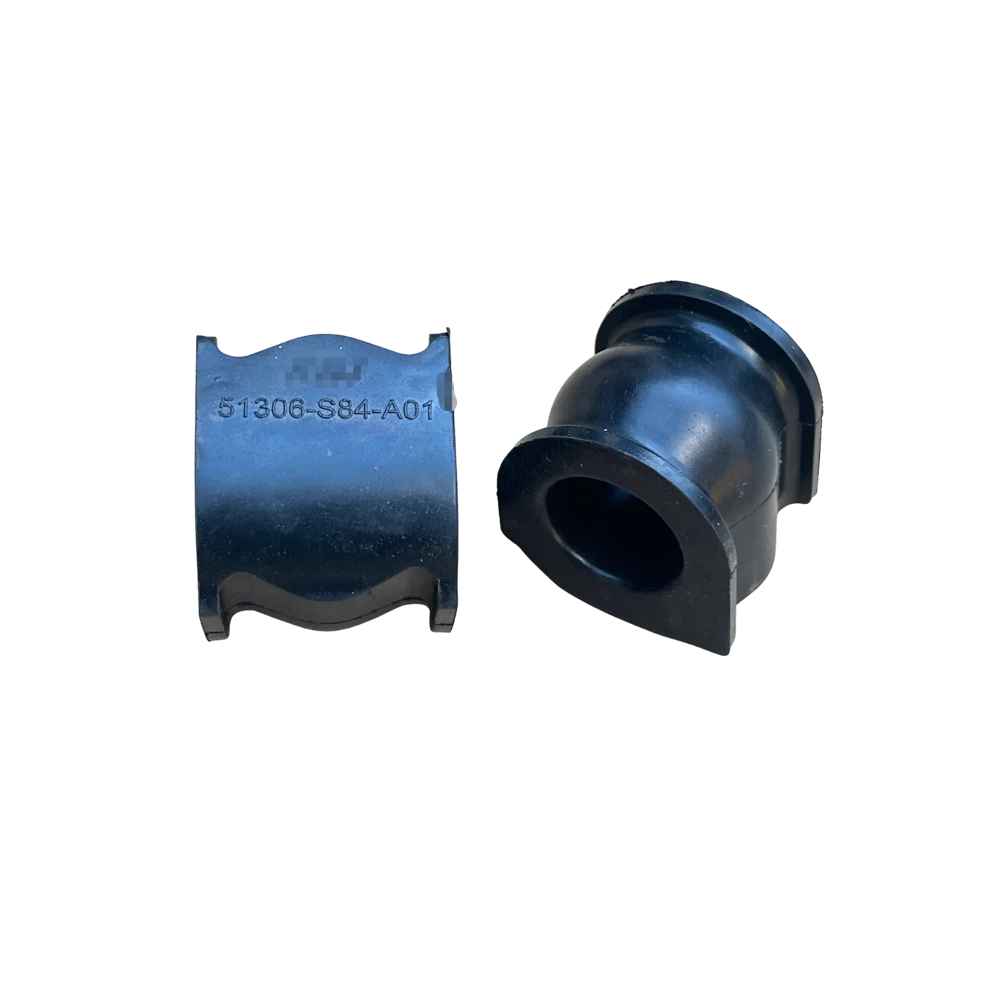
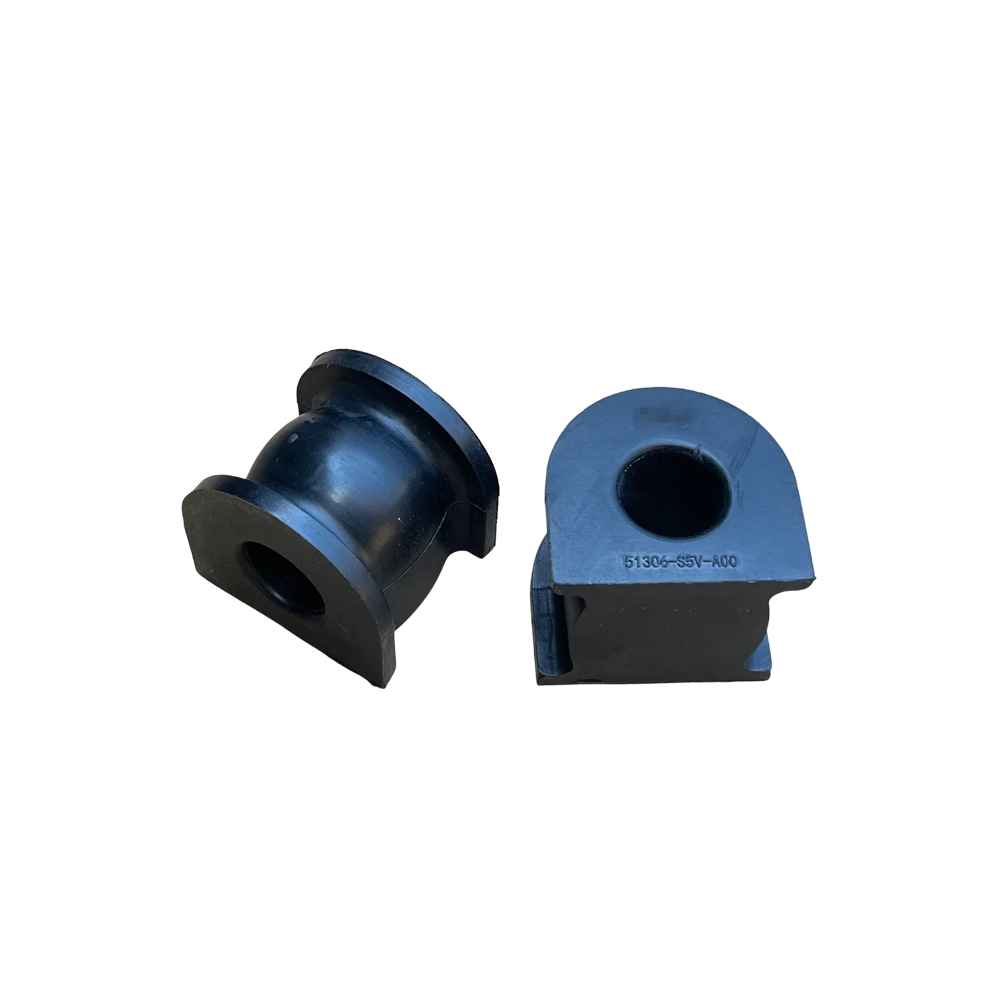
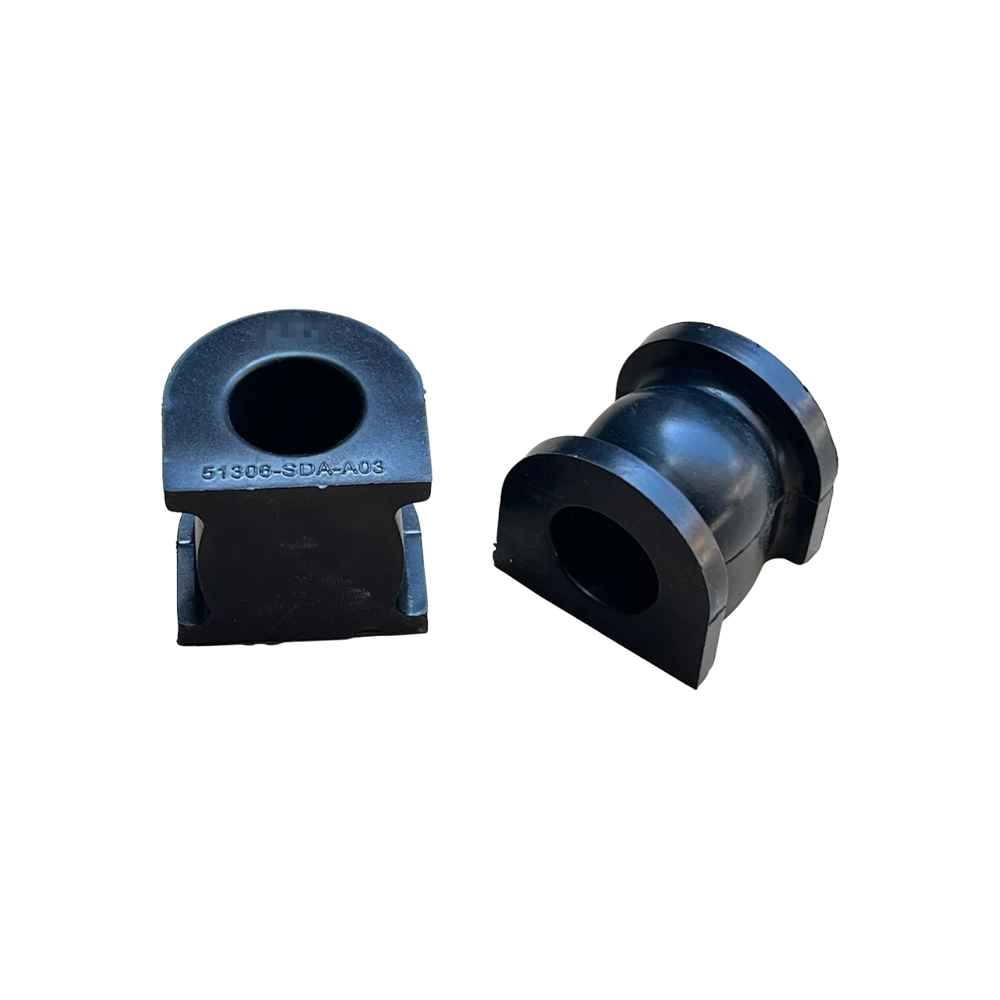
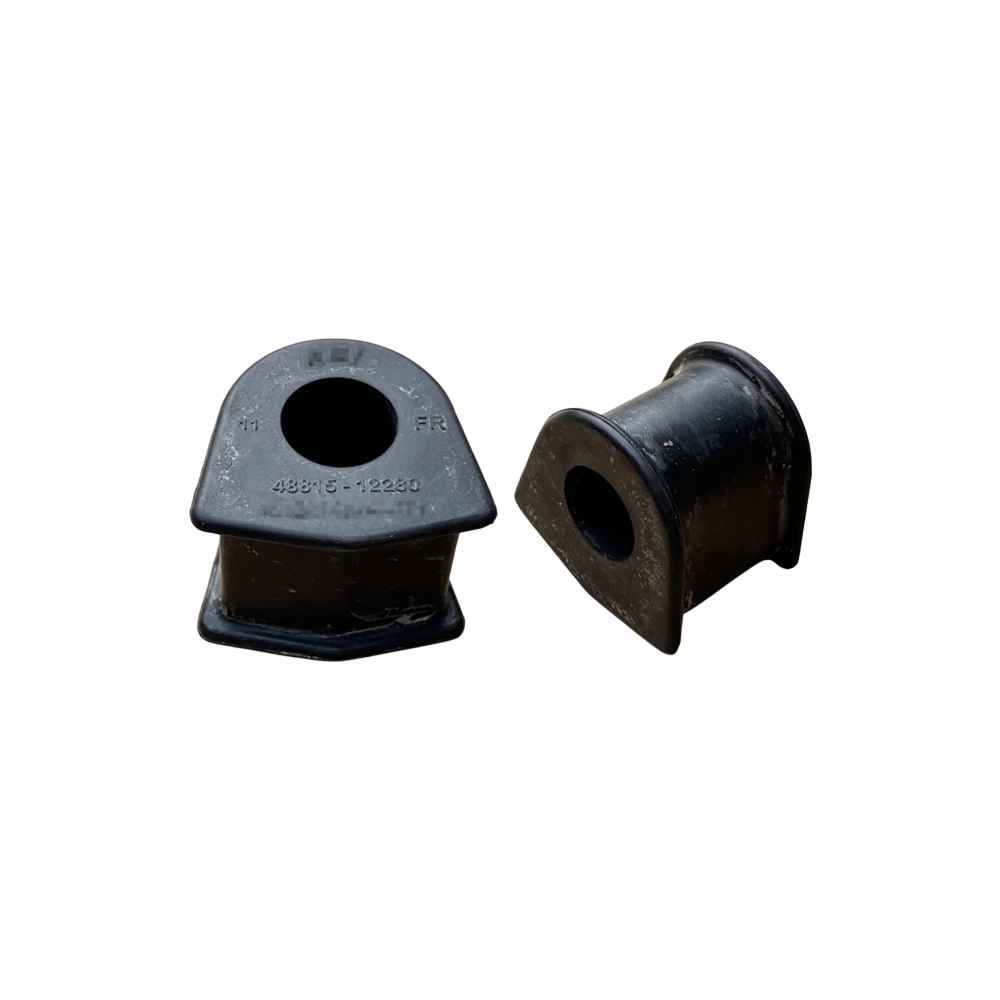
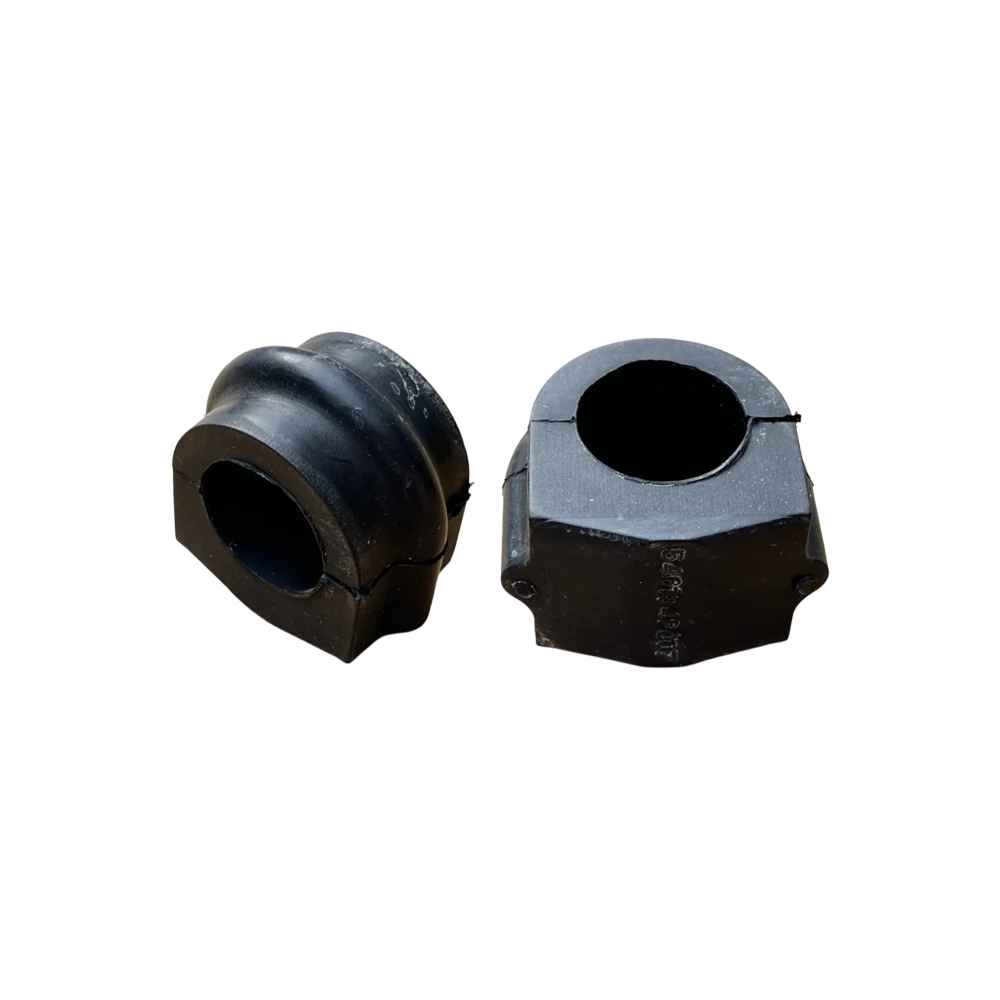
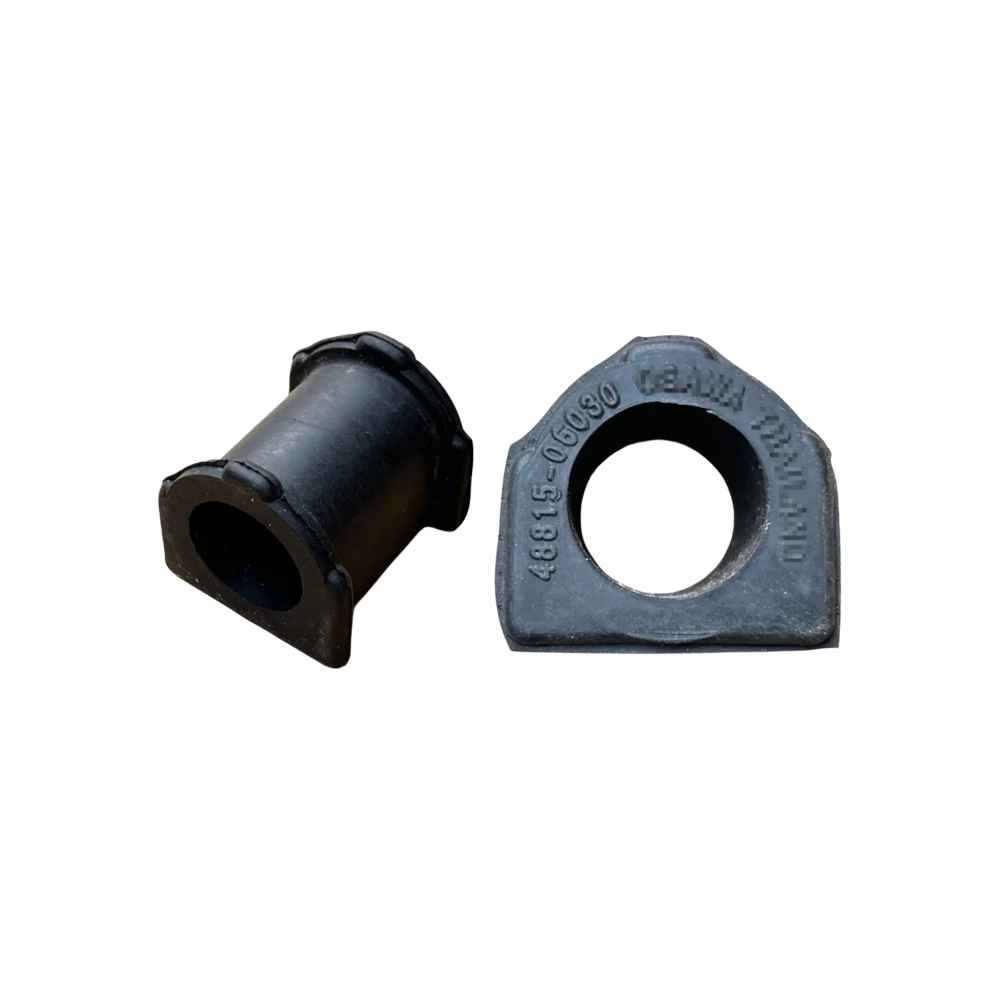
Just because sway bars are durable doesn’t mean they don't need care. Regular checks for rust or wear can save you headaches down the line. If you notice any cracks or significant wear on parts like Stabilizer Bar Bushings , it might be time for a replacement.
The Role of O-Rings & Rubber Sealing Rings
O-rings and rubber sealing rings are often overlooked but play a vital role in maintaining the integrity of your driveline system. They help in sealing joints and preventing leaks, which is crucial for overall vehicle performance. Neglecting these can lead to bigger issues, costing you more in repairs.
Final Thoughts on Sway Bars
Choosing the right sway bar for your car isn’t just about aesthetics; it’s fundamental for safety and performance. Whether you're a veteran driver or new to the game, understanding your options can lead to better driving experiences. Remember, quality matters, so don't skimp on parts from brands like Guanghua. After all, your vehicle deserves the best!