The Importance of Dust Covers in Automotive Hydraulic Systems
In the realm of automotive engineering, hydraulic systems play a pivotal role in ensuring the functionality and safety of vehicles. At the heart of these systems lies the need for effective dust covers, which protect vital components from contaminants that could compromise their performance.
Understanding ISO Certified Standards
When sourcing dust covers for automotive hydraulic systems, adhering to ISO certified standards is essential. These standards ensure that the materials used are resilient and capable of withstanding the harsh environments often encountered in automotive applications.
- Material Quality: Look for high-grade rubber or polymer materials that offer excellent durability.
- Temperature Resistance: The dust cover must perform well under varying temperatures, ensuring it maintains its integrity over time.
- Compatibility: Ensure that the dust cover fits perfectly with the hydraulic components it protects.
Key Features to Consider
When selecting dust covers, several features should be taken into account. For instance, seals need to prevent dirt and moisture ingress while allowing for necessary movement. This is where products like CV Joint Boots , Steering Rack Boots , and Shock Absorber Boots come into play, each serving a unique purpose in the hydraulic system.

Sourcing High-Quality Dust Covers
Finding reliable suppliers is crucial for obtaining dust covers that meet industry standards. A reputable brand such as Guanghua can provide a range of options that align with ISO certifications. Here are some tips for effective sourcing:
- Research Suppliers: Look for manufacturers with a solid track record in the automotive sector.
- Request Samples: Before making bulk purchases, always ask for samples to evaluate quality.
- Verify Certifications: Ensure that the supplier’s products are certified according to the relevant ISO standards.
Common Types of Dust Covers
Different hydraulic components require specific types of dust covers. Understanding these variations can assist in making informed decisions.
1. CV Joint Boots
CV joint boots protect the constant velocity joints from dirt and debris. They are particularly important in maintaining the longevity of the drivetrain.
2. Steering Rack Boots
These boots safeguard the steering rack assembly from contaminants, ensuring smooth operation and extended component life.
3. Shock Absorber Boots
Shock absorber boots prevent dirt from entering the shock absorber assembly, crucial for maintaining optimal suspension performance.
4. O-Rings & Rubber Sealing Rings
While not traditional dust covers, O-rings and rubber sealing rings are essential in preventing fluid leakage in hydraulic systems. Their role is fundamental in maintaining pressure and ensuring the hydraulic system operates effectively.
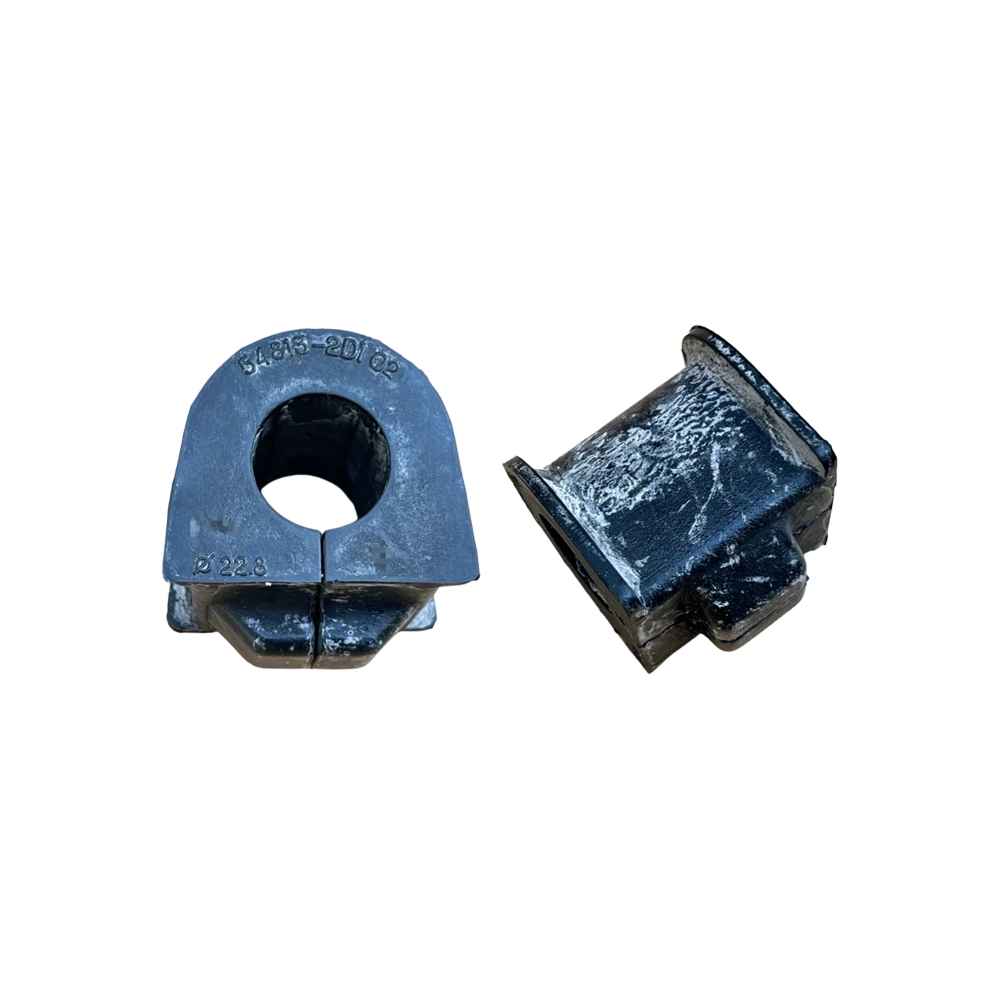
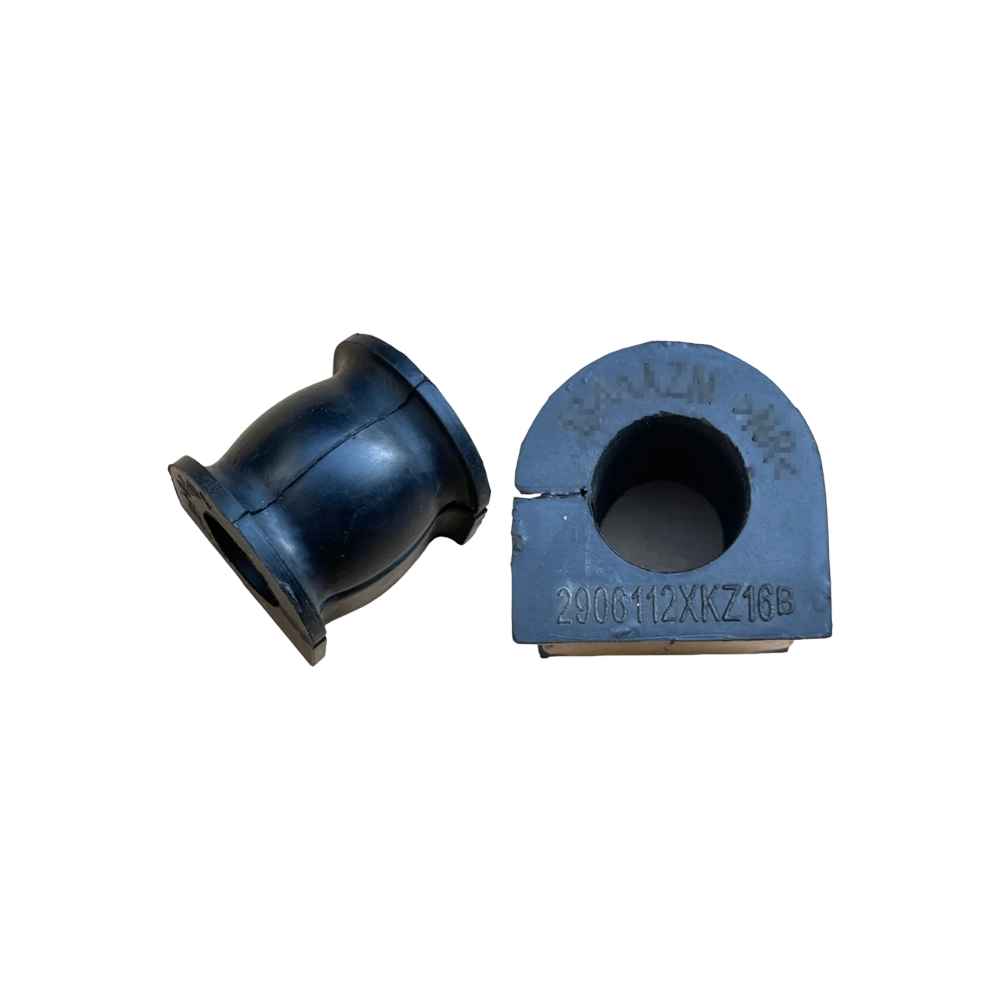
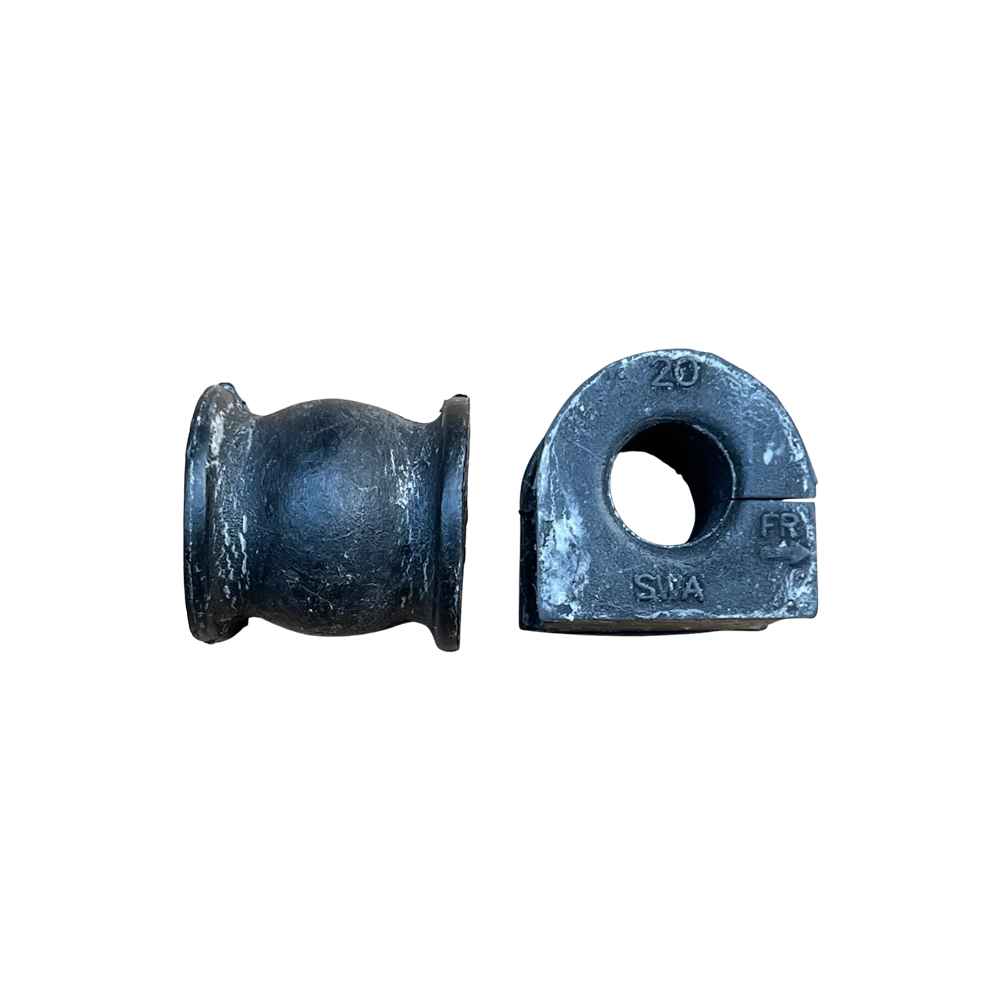
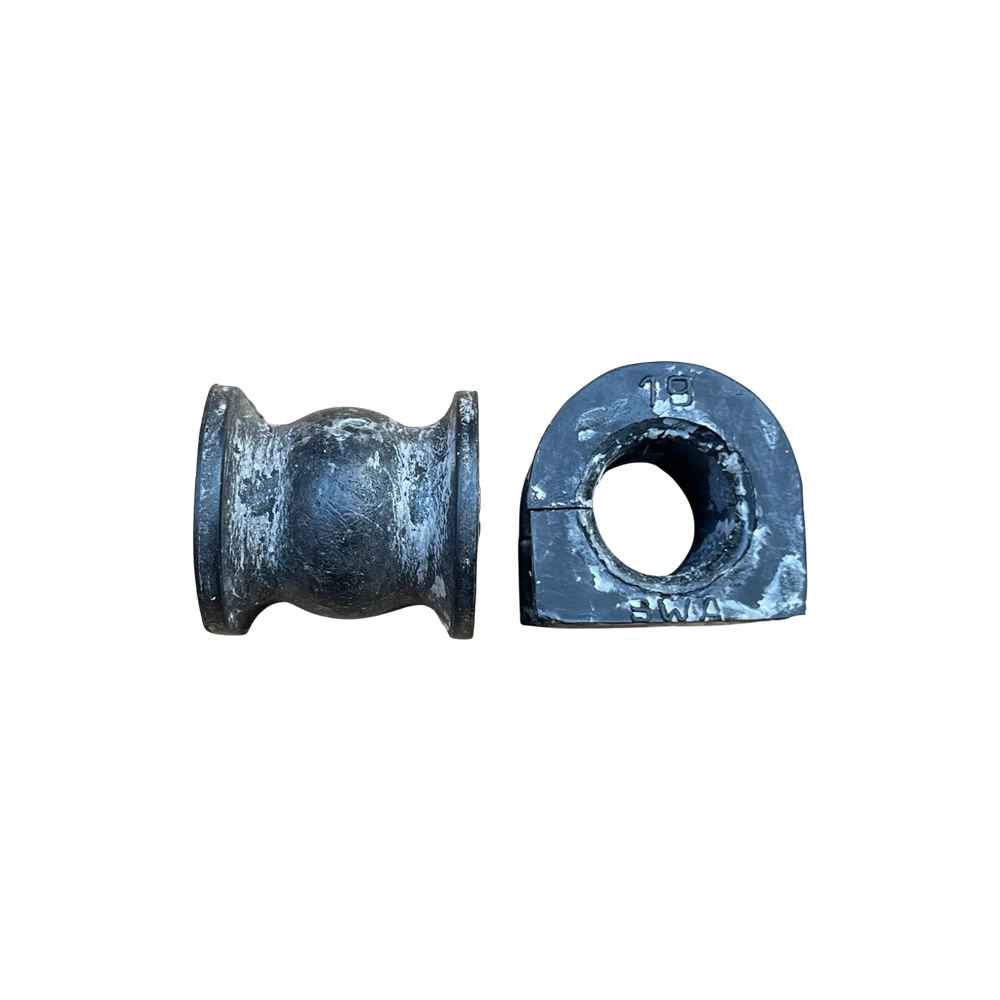
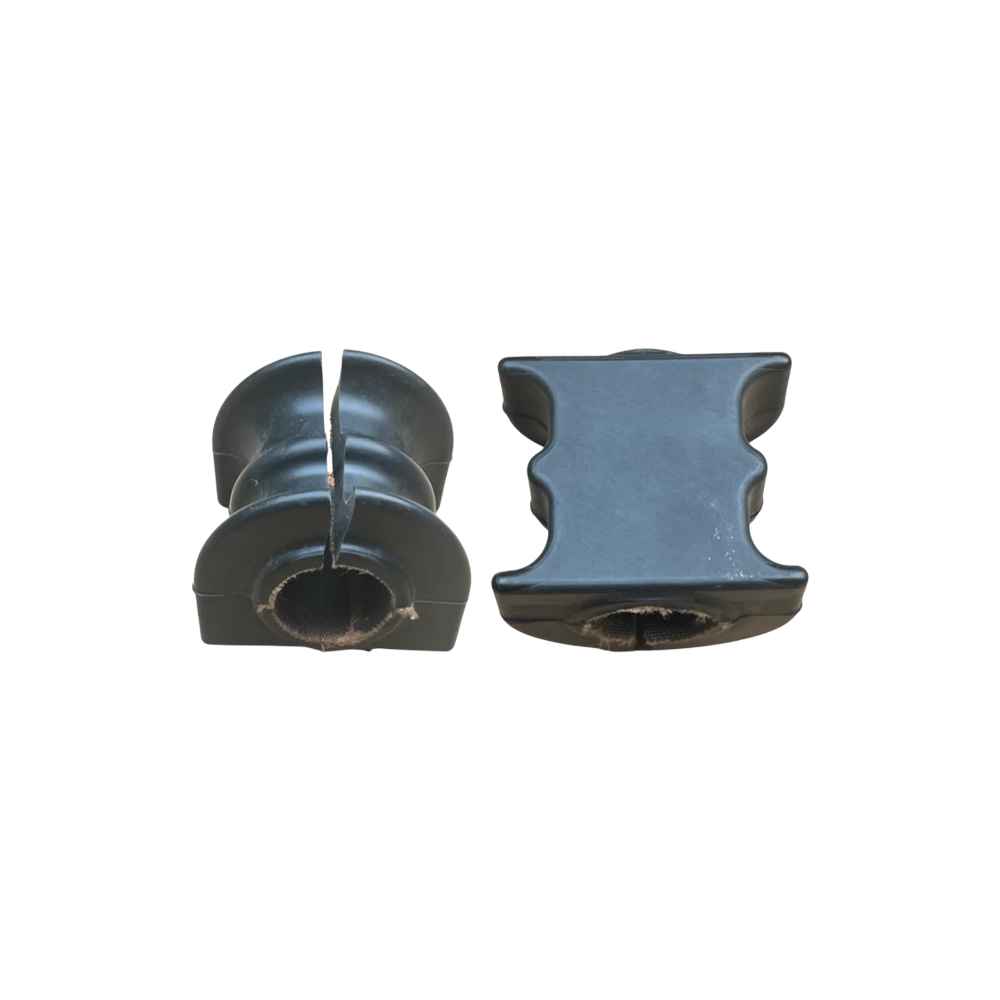
5. Stabilizer Bar Bushings
These bushings provide cushioning between the stabilizer bar and the vehicle frame, minimizing noise and vibration while also protecting against dust infiltration.
Challenges in Sourcing Dust Covers
Despite the availability of numerous manufacturers, sourcing the right dust cover can present challenges. Quality control issues, lead times, and compatibility problems can all arise during the purchasing process. It's imperative to work closely with suppliers to mitigate these risks. Regular communication and feedback can help ensure that the products delivered consistently meet your expectations.
Quality Assurance Practices
Implementing stringent quality assurance practices throughout the sourcing process is crucial. This might involve:
- Inspection Procedures: Establish clear criteria for inspecting incoming products.
- Feedback Loops: Create a system for providing feedback to suppliers about product performance and any issues that arise.
Future Trends in Dust Cover Technology
The future of dust covers for automotive hydraulic systems will likely see advancements in material science, leading to longer-lasting and more efficient products. Innovations such as self-lubricating materials and integrated sensors for monitoring wear may soon become commonplace, further enhancing the reliability of hydraulic systems.
Conclusion on Sourcing Strategies
Ultimately, the key to successful sourcing of dust covers lies in a proactive approach. By understanding the requirements dictated by ISO standards and focusing on high-quality materials, brands like Guanghua can significantly elevate the standard of protections offered within hydraulic systems.