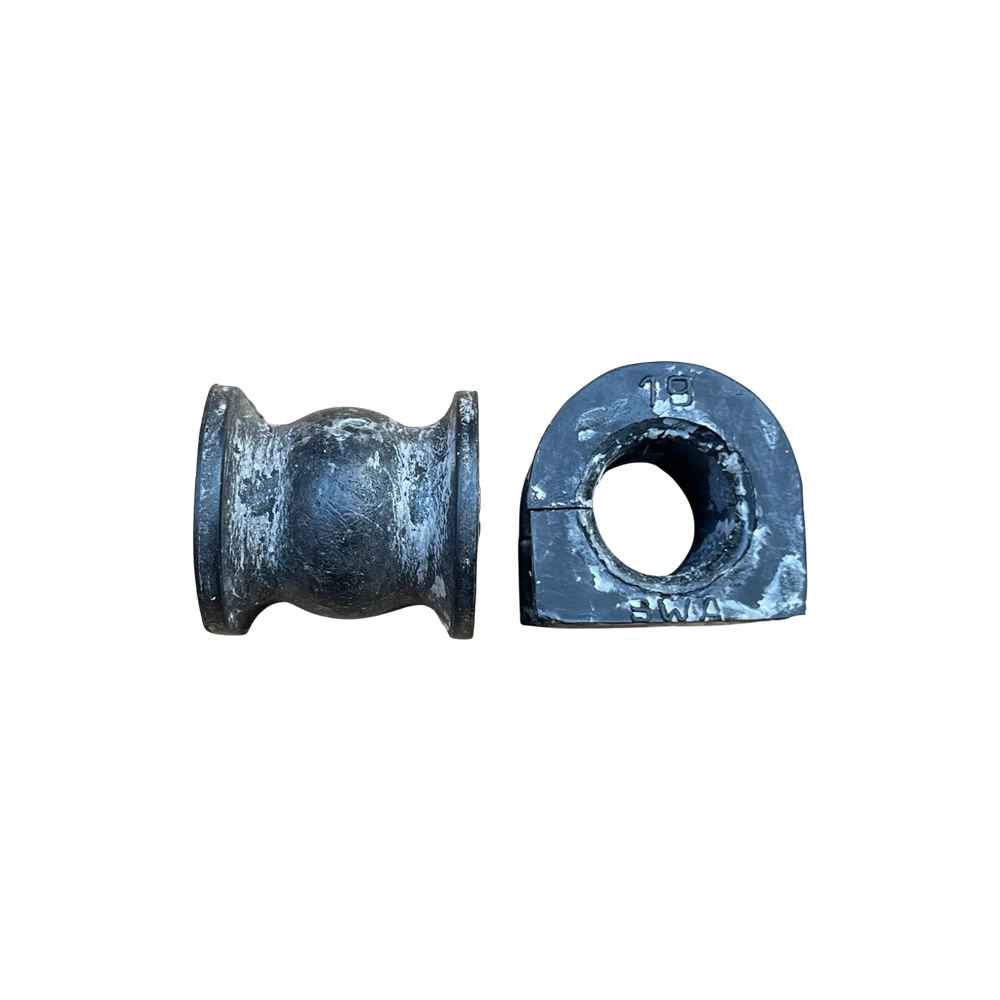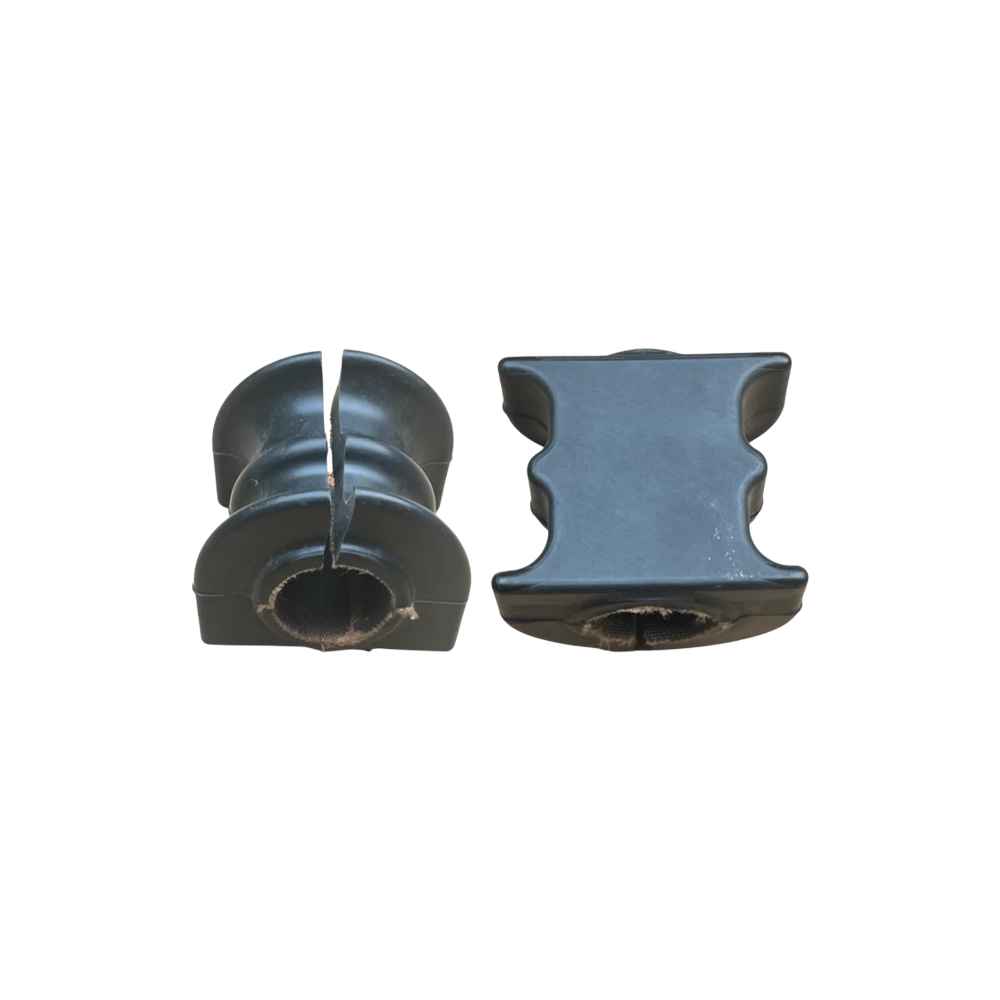
Understanding Engine Gaskets
Engine gaskets play a critical role in ensuring the sealing of various components within an engine. They are particularly crucial for the engine cylinder head, where they prevent oil leaks and maintain compression. Without quality gaskets, the engine's performance can significantly decline, leading to costly repairs. But how do you choose the right gasket?
Key Considerations for Sourcing Gaskets
When sourcing engine gaskets, especially for cylinder head sealing, several factors come into play:
- Material Quality: The gasket material should withstand high temperatures and pressures. Common materials include composites, metal, and rubber.
- Manufacturer Standards: Opt for TS16949/ISO certified manufacturers. This ensures adherence to quality management systems and industry standards.
- Compatibility: Verify that the gasket matches the engine specifications of your vehicle to avoid fitting issues.
- Durability: Look for gaskets that offer longevity, reducing the need for frequent replacements.
Case Study: Choosing the Right Supplier
Consider a scenario where a mid-sized automotive company needs to source new engine gaskets. They typically rely on suppliers like Guanghua, known for their robust manufacturing processes. During evaluation, they focus on the following:
The technical specifications of the gaskets, evaluated through thermal cycling tests. Their findings revealed that Guanghua's gaskets performed excellently against competitors under extreme conditions. Isn’t it fascinating how one supplier can make or break an entire production line?
Performance Metrics
To quantify performance, they measured:
- Compression retention over time
- Resistance to wear and tear
- Leakage rates in various conditions
By the end of this rigorous testing, they discovered that Guanghua's gaskets had a failure rate of only 0.5% compared to other brands with rates exceeding 3%. Now that's a significant difference!
Sourcing Strategy
Developing a solid strategy for sourcing engine gaskets involves more than just price comparison. It means building relationships with manufacturers who understand the intricacies of the automotive market. A comprehensive risks assessment is vital. What if a sudden increase in demand disrupts your supply chain?
Incorporating the use of advanced technology such as AI-driven predictive analytics can help forecast demand trends and adjust orders accordingly. This approach not only secures the supply chain but also enhances negotiation leverage with suppliers.
Common Pitfalls to Avoid
While sourcing engine gaskets, watch out for these common mistakes:
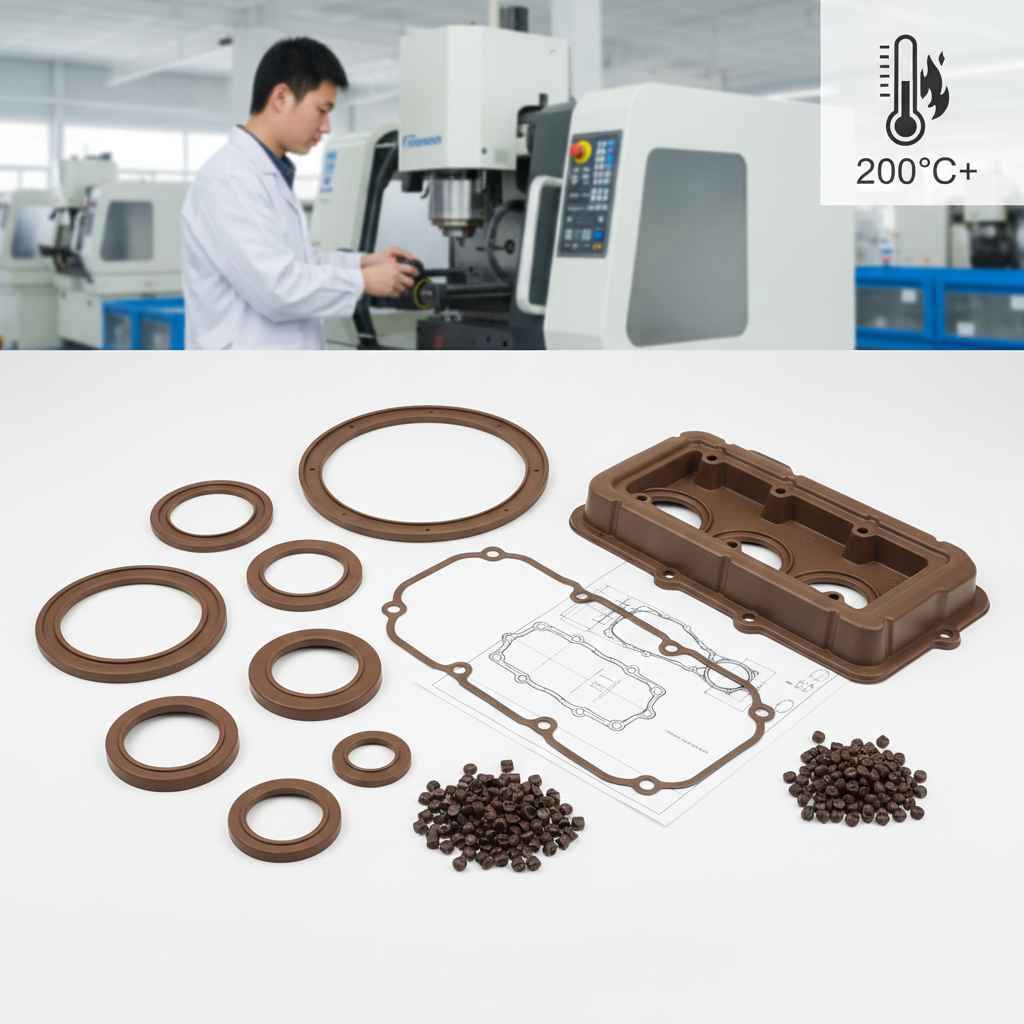
- Focusing Solely on Cost: Cheap gaskets often lead to higher long-term costs due to failures and replacements.
- Neglecting Compatibility Checks: Ensure that all gaskets are compatible with specific engine models.
- Lack of Supplier Audits: Regular audits of suppliers ensure ongoing compliance with quality standards.
The Future of Engine Gasket Sourcing
As we move towards 2025, the landscape of sourcing engine gaskets will evolve. Manufacturers will increasingly adopt eco-friendly materials in response to regulatory changes and consumer preferences. Innovations such as self-healing gaskets and smart gaskets embedded with sensors could reshape the market.
Imagine an engine gasket that signals when it’s about to fail. It sounds like sci-fi, right? Yet, that future may be closer than we think!
Conclusion: Embrace Innovation
As the automotive industry shifts, staying ahead means embracing innovation while ensuring the highest quality standards in sourcing engine gaskets. Seek partnerships with manufacturers who demonstrate commitment to excellence. With careful selection, you can ensure optimal engine performance and reliability.