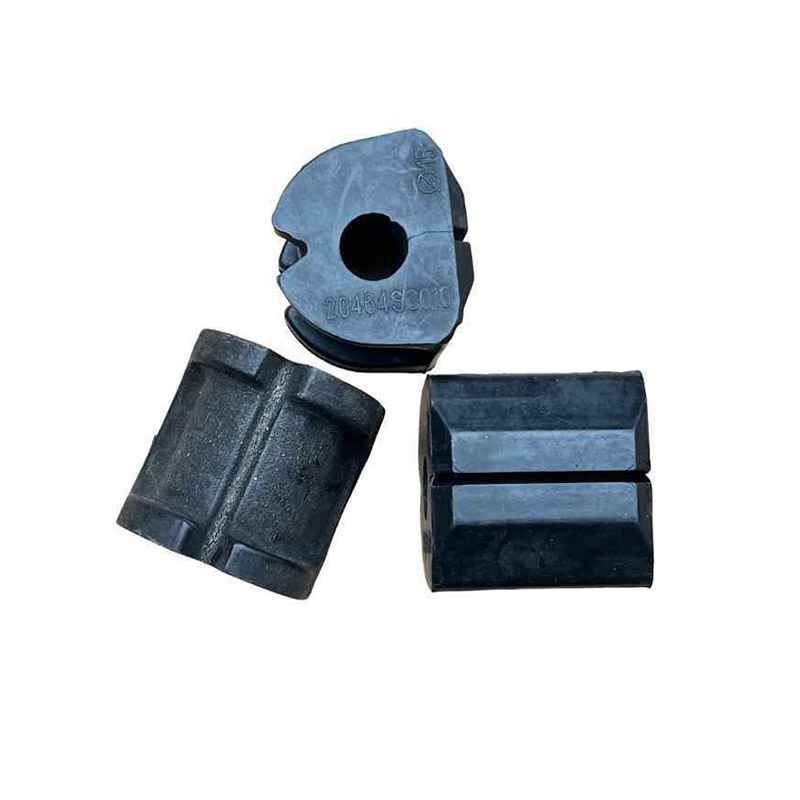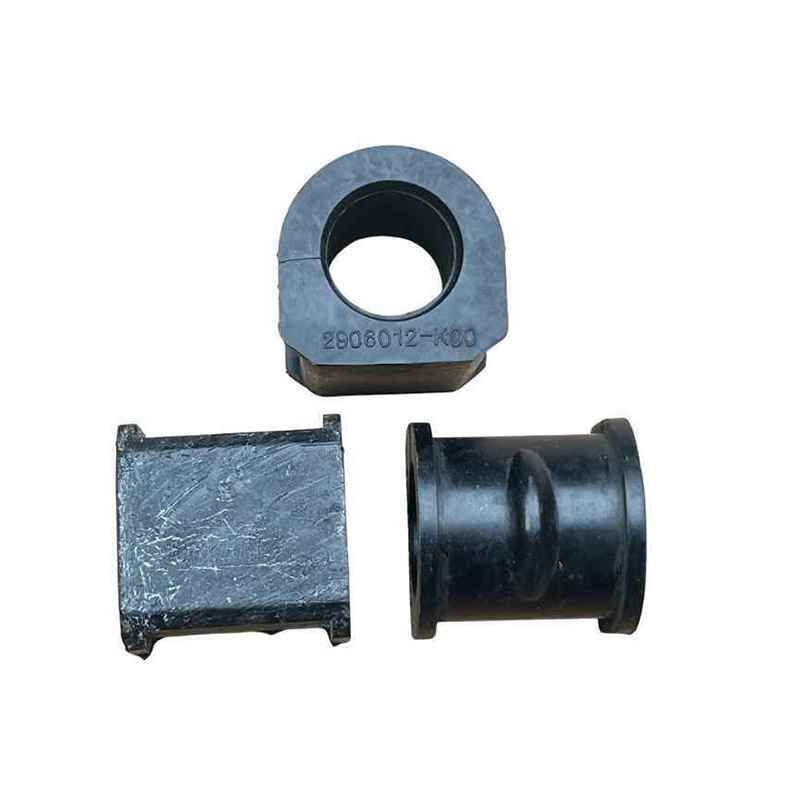
Understanding Heat-resistant ACM Material
As the automotive industry continues to evolve, sourcing materials that can withstand extreme conditions becomes paramount. Automotive components, particularly in the driveline and axle assembly, face significant stress due to heat, friction, and mechanical loads. This necessitates the use of advanced materials such as heat-resistant AcryloNitrile-Butadiene Rubber (ACM).
Properties of Heat-resistant ACM
Heat-resistant ACM exhibits a unique combination of properties that make it suitable for automotive applications:
- Thermal Stability: Capable of withstanding high temperatures without losing structural integrity.
- Oil Resistance: Retains flexibility and strength when exposed to various oils and lubricants commonly used in vehicles.
- Durability: Offers resistance to wear and tear, enhancing the lifespan of automotive components.
Applications in Vehicle Driveline & Axle Repair
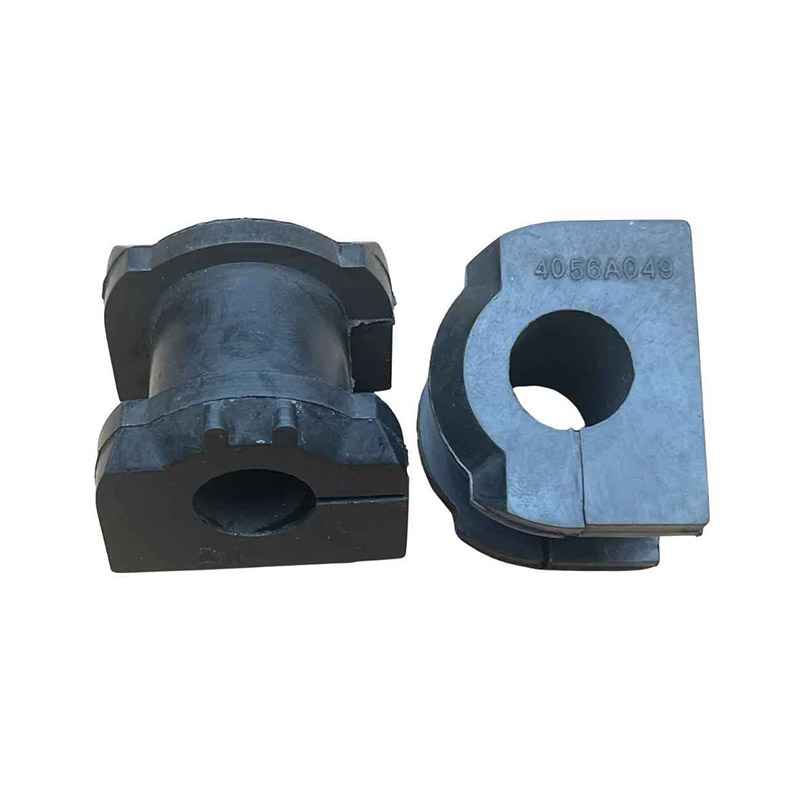
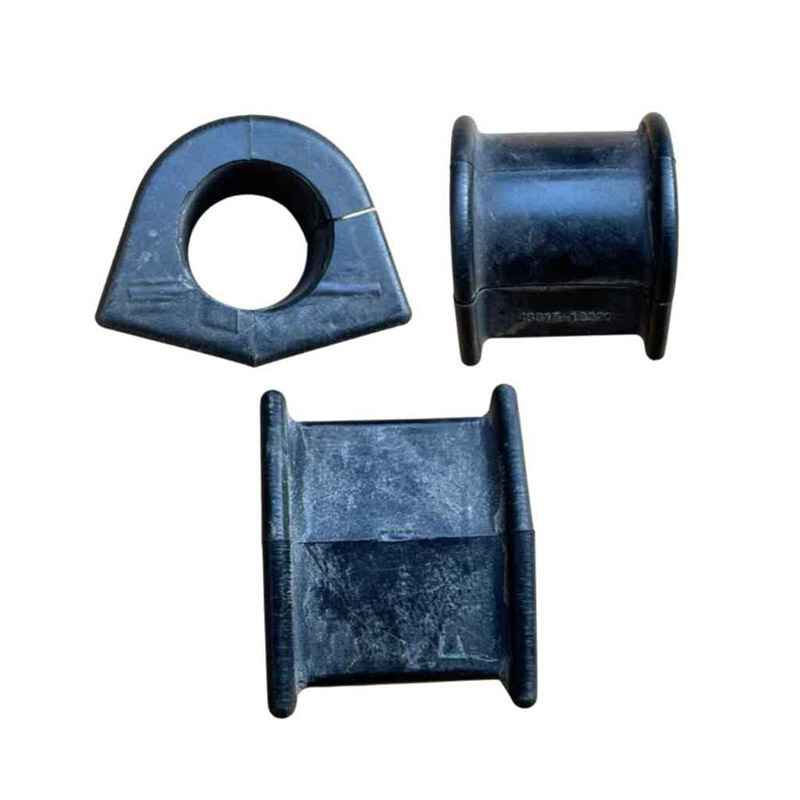
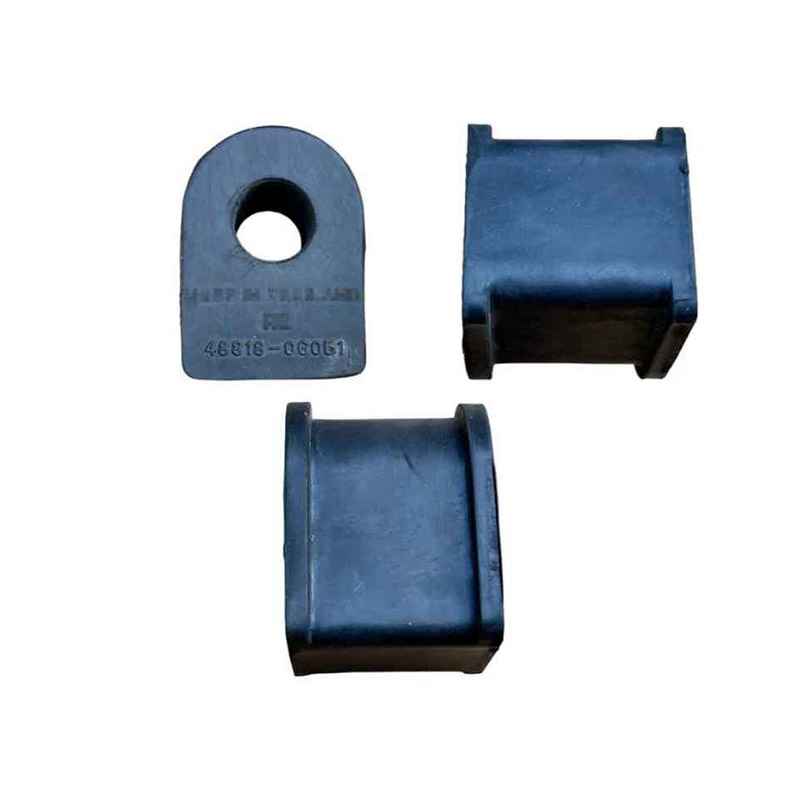
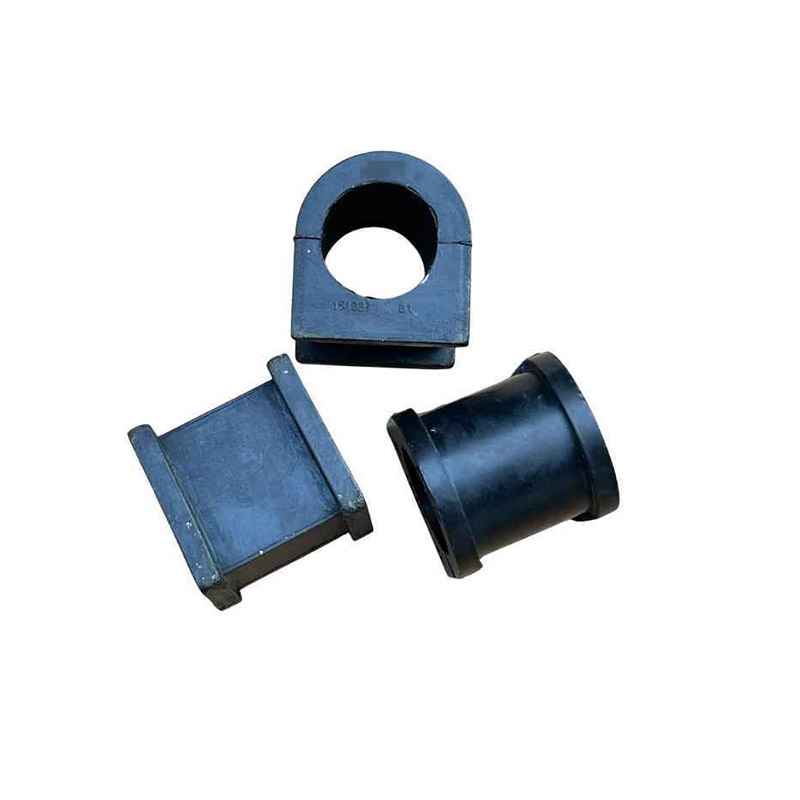
The application of heat-resistant ACM is widespread in driveline and axle repairs, particularly in components that require robust sealing solutions. For instance, when replacing parts like CV Joint Boots or Steering Rack Boots , using ACM ensures that these critical seals maintain their functionality under high-stress conditions.
Sealing Solutions
In addition to boots, heat-resistant ACM is also employed in O-Rings & Rubber Sealing Rings . These components are essential for maintaining fluid containment and preventing leaks, thus safeguarding the driveline from contaminants that could lead to failures.
Sourcing Strategies for Heat-resistant ACM
Sourcing heat-resistant ACM requires a strategic approach. Here are key factors to consider:

- Supplier Reputation: Choose suppliers known for quality, such as Guanghua, which have established themselves in the market for offering durable rubber products.
- Material Specifications: Ensure that the ACM meets industry standards for temperature and chemical resistance.
- Cost-effectiveness: Evaluate the long-term costs associated with material performance, as cheaper options may lead to increased maintenance and replacement costs.
Quality Assurance and Testing
Testing is an integral part of the sourcing process. It is crucial to conduct compatibility tests to ensure that the ACM will perform well under expected operating conditions. Standard tests may include thermal aging, compression set tests, and tensile strength evaluations.
Future Trends in Material Sourcing
As technological advancements continue, the automotive industry is likely to see innovations in materials science. Heat-resistant ACM is expected to evolve, incorporating new additives and compounds that enhance its properties even further. Additionally, the focus on sustainability may drive the development of eco-friendly alternatives that still meet rigorous performance standards.
Challenges in Sourcing
Despite the advancements, challenges remain in sourcing high-quality heat-resistant ACM. Fluctuations in raw material prices and supply chain disruptions can impact availability. Moreover, counterfeit products pose a risk that manufacturers must navigate to ensure the reliability of sourced components.
Conclusion
The importance of sourcing heat-resistant ACM for vehicle driveline and axle repair cannot be overstated. Its unique properties offer a competitive edge in maintaining vehicle performance and longevity. By understanding the characteristics of this material and addressing the challenges in the sourcing process, automotive manufacturers can better equip themselves for future demands.
Through careful selection and testing, companies can avoid common pitfalls and ensure they get the best possible products to enhance their drivetrain systems. As the industry looks ahead, embracing innovations in materials will be key to remaining competitive in a rapidly evolving market.