Understanding Hydraulic Steering Systems
Hydraulic steering systems have become a cornerstone in modern automotive design, allowing for smoother maneuverability and enhanced driver control. These systems utilize hydraulic fluid to amplify steering force, making it easier to turn the vehicle, especially at low speeds.
Components of Hydraulic Steering
A comprehensive understanding of hydraulic steering involves knowing its essential components:
- Steering Gear: Converts the rotational input from the steering wheel into linear motion.
- Power Steering Pump: Generates hydraulic pressure necessary for system operation.
- Hoses and Fittings: Carry hydraulic fluid between components.
- Fluid Reservoir: Stores hydraulic fluid and ensures optimal pressure levels.
- Rack & Pinion Mechanism: Provides precise steering response based on driver input.
Sourcing OEM vs. Aftermarket Parts
When it comes to sourcing parts for hydraulic steering systems, professionals often face the decision between Original Equipment Manufacturer (OEM) parts and aftermarket alternatives. Each option presents its own set of advantages and considerations.
Advantages of OEM Parts
- Quality Assurance: OEM parts are constructed to meet the exact specifications determined by the vehicle manufacturer.
- Direct Fit: These parts typically offer a seamless fit, reducing installation time and complications.
- Warranty Support: Many OEM parts come with warranties that directly cover any manufacturing defects.
Benefits of Aftermarket Parts
- Cost-Effectiveness: Aftermarket parts often come at a lower price point than their OEM counterparts.
- Variety: The availability of various brands and models can provide more options to suit specific needs.
- Enhanced Performance: Some aftermarket manufacturers, such as Guanghua, focus on performance upgrades that can improve steering feel and responsiveness.
Essential Considerations When Sourcing Parts
In the quest for quality parts, several key factors should guide your purchasing decisions:
Material Quality
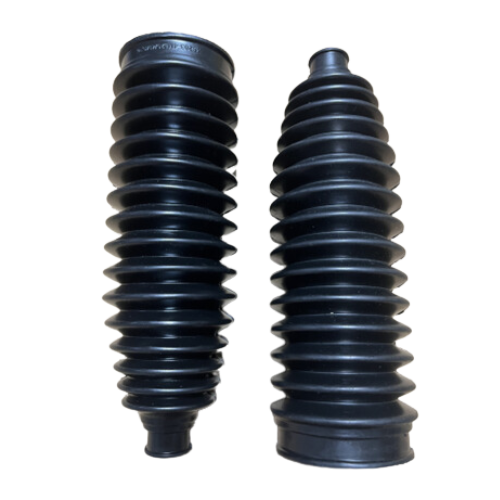
Whether opting for OEM or aftermarket, the material used in steering components is crucial. High-grade rubber and metal alloys are commonly employed in items like CV Joint Boots and Steering Rack Boots , ensuring durability and resistance to wear and tear.
Compatibility
Ensuring compatibility with the specific make and model of the vehicle cannot be overlooked. Mismatched parts can lead to increased friction, misalignment, and ultimately a compromised steering experience.
Performance Characteristics
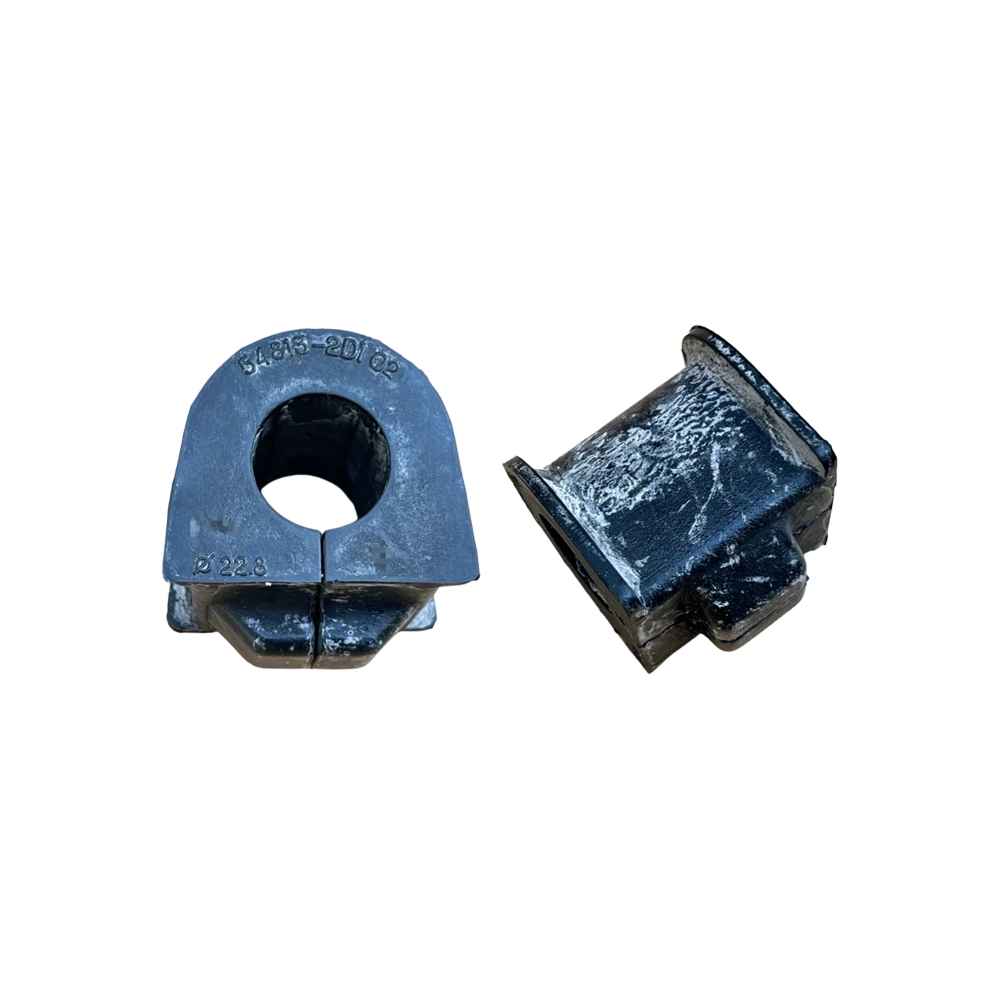
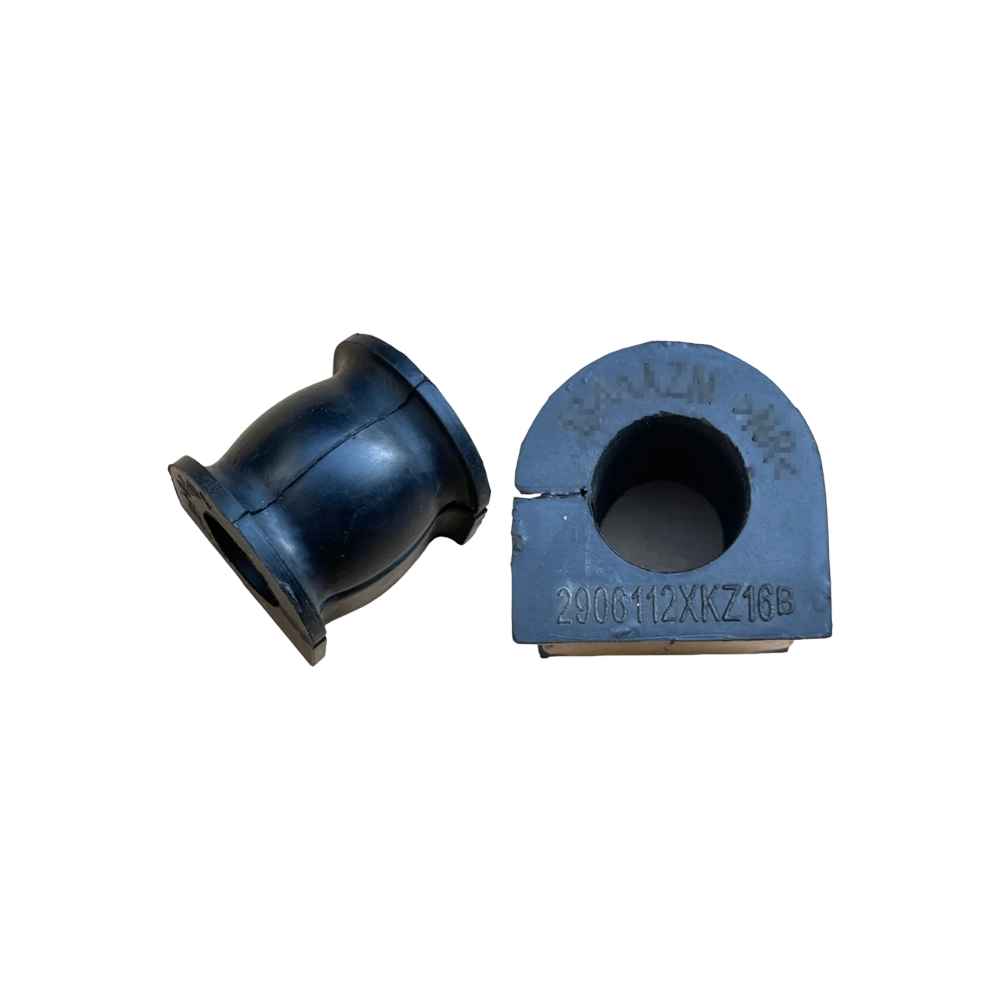
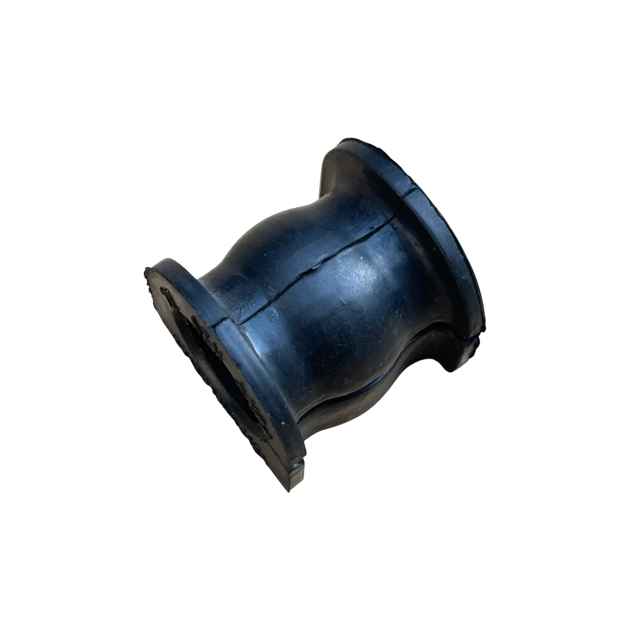
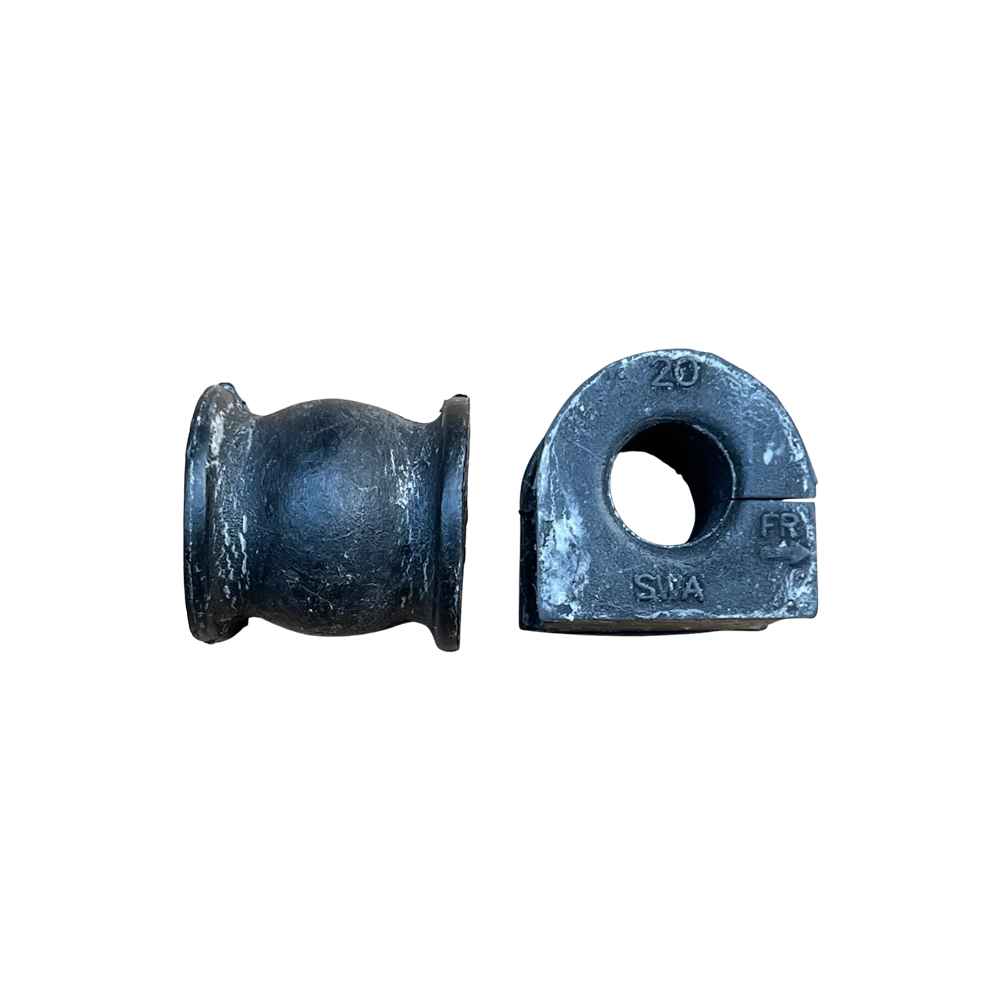
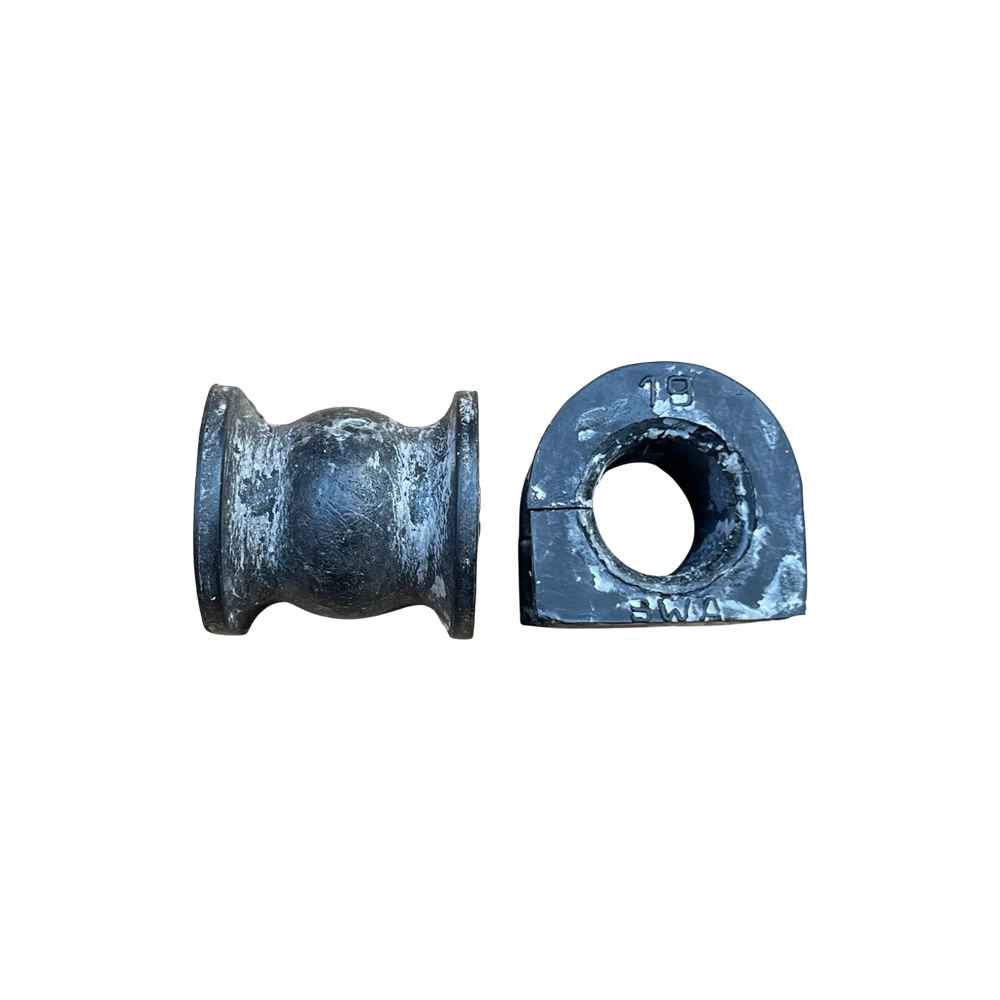
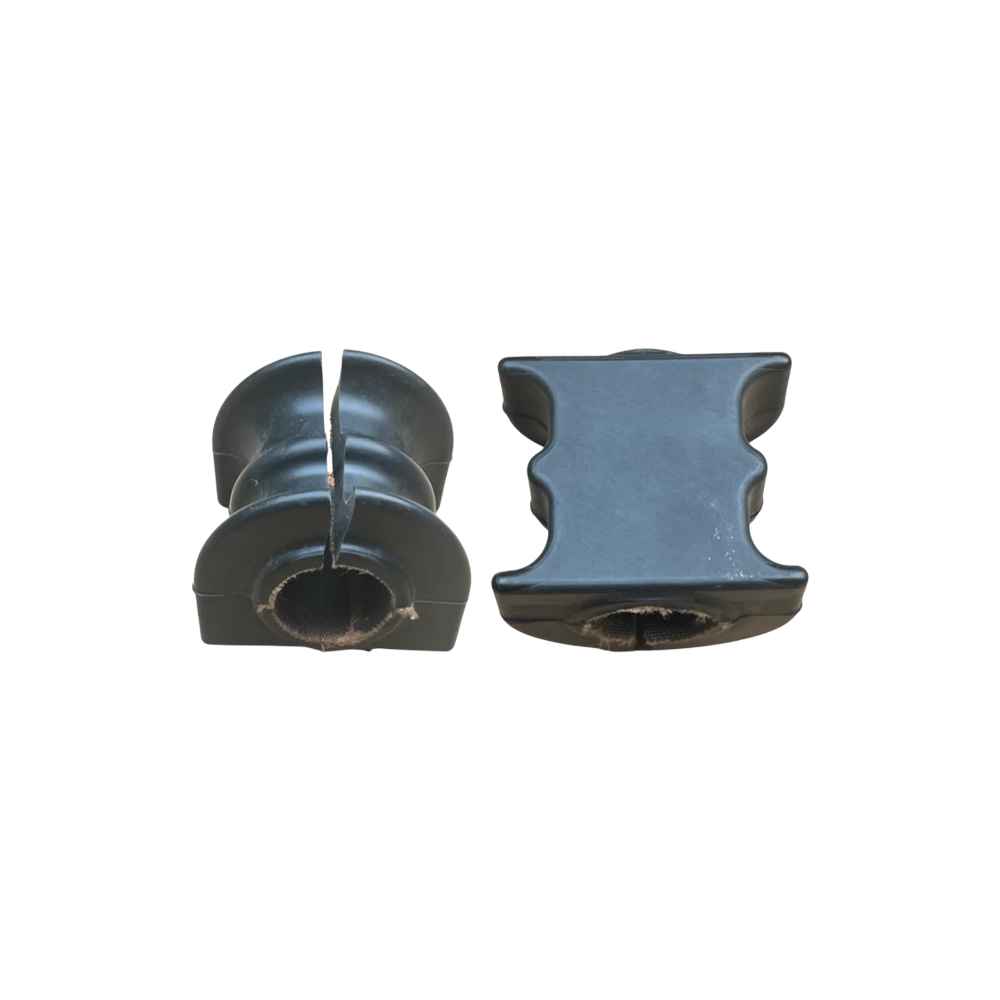
Some specialized components, such as Stabilizer Bar Bushings or Shock Absorber Boots, can significantly influence the overall handling and ride comfort of the vehicle. Assessing how these parts interact within the overall system is vital.
Evaluating Suppliers
The selection of suppliers plays a pivotal role in sourcing high-quality hydraulic steering components. Factors to consider include:
Reputation and Reviews
Researching supplier reputations through customer reviews and industry feedback can provide insights into product reliability and service quality.
Supplier Certifications
Look for certifications indicating compliance with industry standards, which often reflects the quality and safety of the products offered.
Customer Support Services
Robust customer support, including technical assistance and return policies, can enhance the sourcing experience, particularly when dealing with complex hydraulic steering systems.
Impact of Technological Advancements
The advancement of technology has significantly impacted the hydraulic steering industry. Innovations in materials science and engineering have led to the development of lighter, stronger components that improve overall system efficiency.
Integration of Smart Technologies
Modern hydraulic steering systems increasingly incorporate electronic components, offering features such as adaptive steering responses. This integration may require specific sourcing strategies for compatible parts that support these technologies.
Future Trends
As manufacturers continue to innovate, trends indicate a growing emphasis on sustainability, with manufacturers exploring eco-friendly materials and processes in the production of items like O-Rings & Rubber Sealing Rings.
Conclusion: Making Informed Choices for Optimal Performance
Ultimately, the choice between OEM and aftermarket hydraulic steering components hinges on individual needs, budgetary constraints, and performance expectations. By understanding the intricacies of hydraulic steering systems and leveraging this knowledge when sourcing parts, professionals can ensure optimal performance and longevity in their vehicles. Careful consideration of each component's quality and compatibility, along with an evaluation of suppliers, is critical in navigating the aftermarket landscape effectively.