
Understanding Rocker Cover Seals
If you’re diving into the world of engine components, rocker cover seals might not be the first thing that comes to mind. However, they play a crucial role in maintaining the integrity of the engine cylinder head sealing. These seals are designed to prevent oil leaks from the valve cover area, which can lead to serious engine issues if not addressed properly.
What Are Rocker Cover Seals?
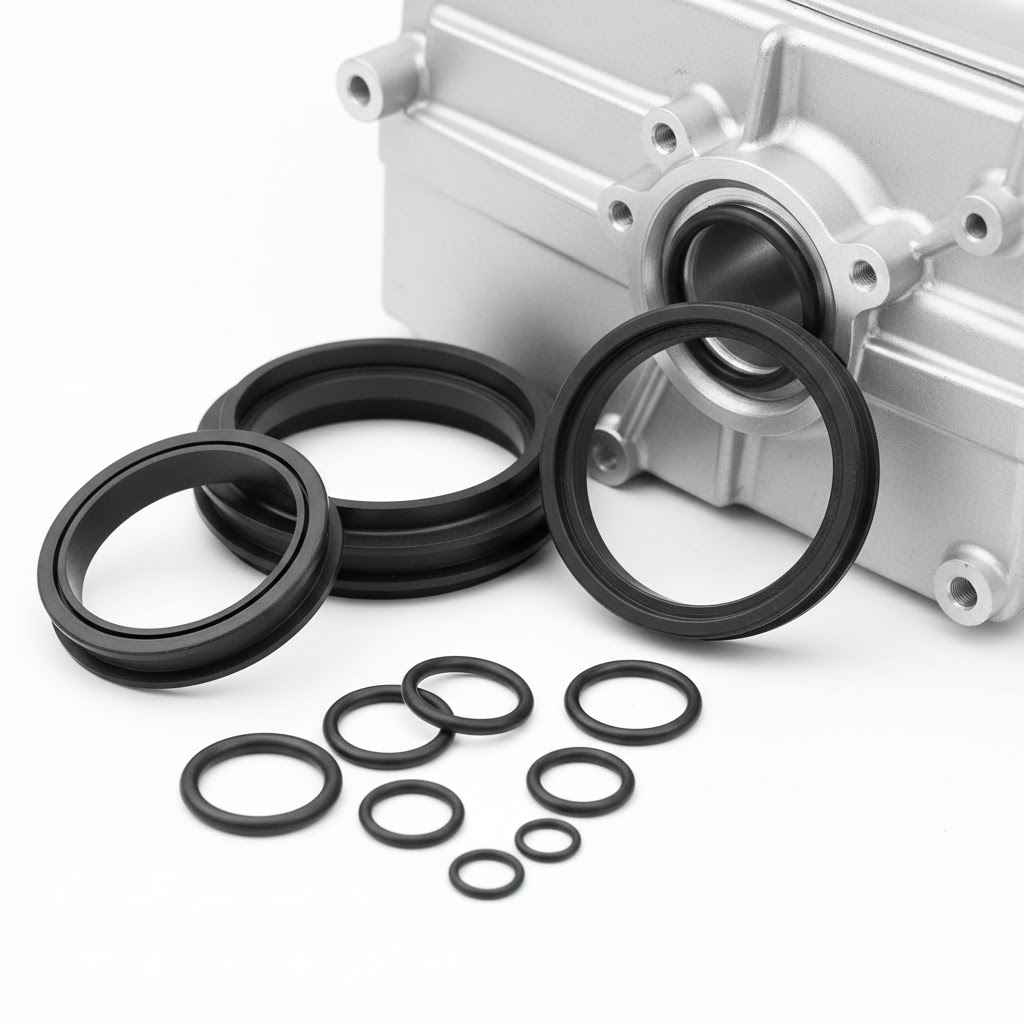
Rocker cover seals, also known as valve cover gaskets, are rubber or silicone materials that form a tight seal between the valve cover and the engine block. They ensure that oil remains contained within the engine, helping to lubricate vital parts while preventing unnecessary messes.
Sourcing Quality Rocker Cover Seals
When it comes to sourcing rocker cover seals, quality is key. A good seal not only meets ISO certified standards but also provides durability and reliability under extreme conditions. Here’s what to consider:
- Material: Look for seals made from high-grade rubber or silicone. These materials can withstand heat and pressure.
- Certification: Ensure your supplier adheres to ISO certified standards; this indicates a commitment to quality control.
- Compatibility: Make sure the seals you choose are compatible with your engine make and model.
Where to Find Reliable Suppliers
Finding the right suppliers can be a bit tricky. You want someone who knows their stuff. Brands like Guanghua have built a reputation for offering quality automotive parts, including rocker cover seals. Always check reviews and ask around in forums or industry groups.
Importance of Regular Maintenance
Keeping your engine in tip-top shape involves more than just replacing seals when they fail. Regular maintenance checks can help spot potential issues before they escalate. This includes inspecting rocker cover seals for wear and tear.
Signs Your Rocker Cover Seal Needs Replacement
- Oil leaks around the valve cover area.
- Increased engine noise due to insufficient lubrication.
- Burnt oil smell, indicating oil may be seeping onto hot engine components.
The Installation Process
Installing rocker cover seals isn’t rocket science, but it does require attention to detail. Here’s a brief overview of how to do it right:
- Clean the surface: Remove any old gasket material and clean the mating surfaces thoroughly.
- Apply sealant: Depending on the seal type, you may need to apply a specific sealant to ensure a leak-proof fit.
- Tighten bolts evenly: Follow the manufacturer’s torque specifications to avoid warping the cover.
Common Mistakes to Avoid
Sometimes, even experienced mechanics can make mistakes. Don’t skip the cleaning step – any debris can compromise the seal. Also, double-check that you’re using the correct gasket for your engine type. Using the wrong size could lead to leaks down the line.
Conclusion: Embrace Quality Parts
To sum it up nicely, investing in quality rocker cover seals is essential for maintaining engine health. By sourcing parts that adhere to ISO standards, you can rest assured that your vehicle will run smoothly for years to come. Remember, a little care goes a long way!







