Understanding Stabilizer Bar Bushings
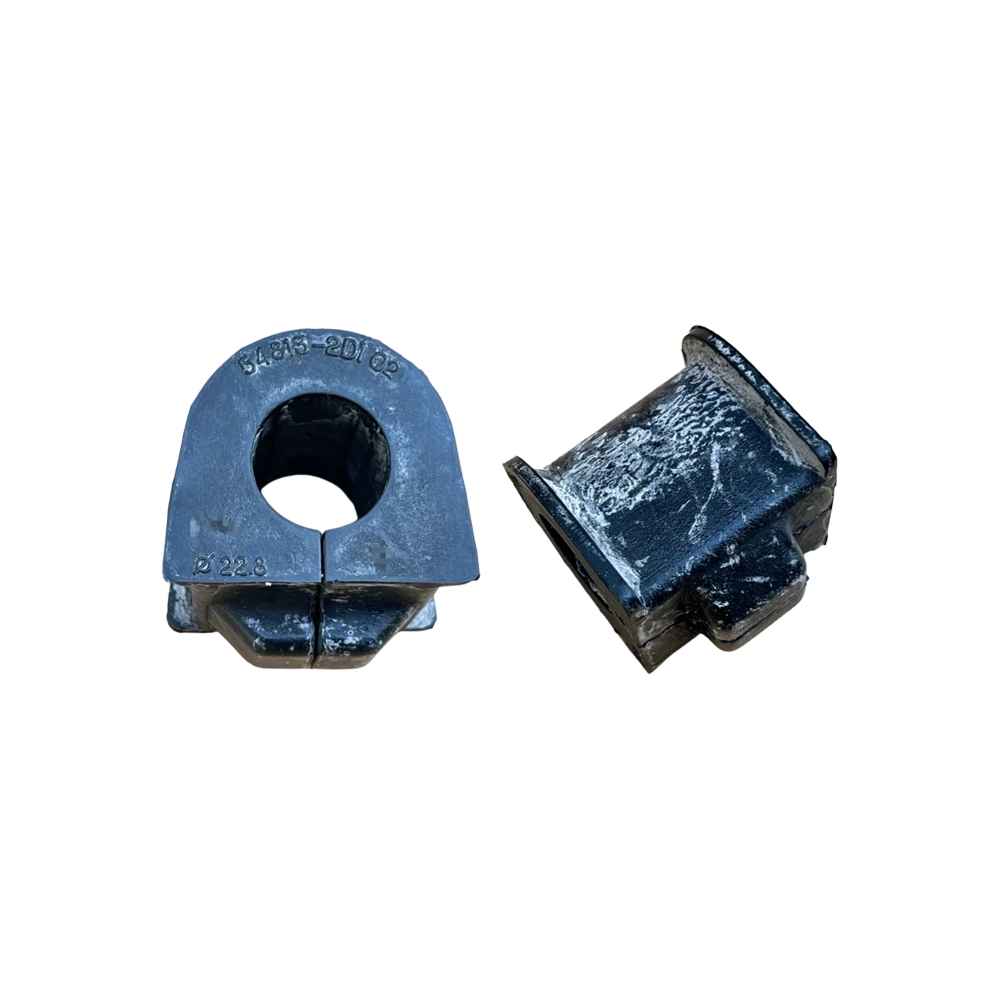
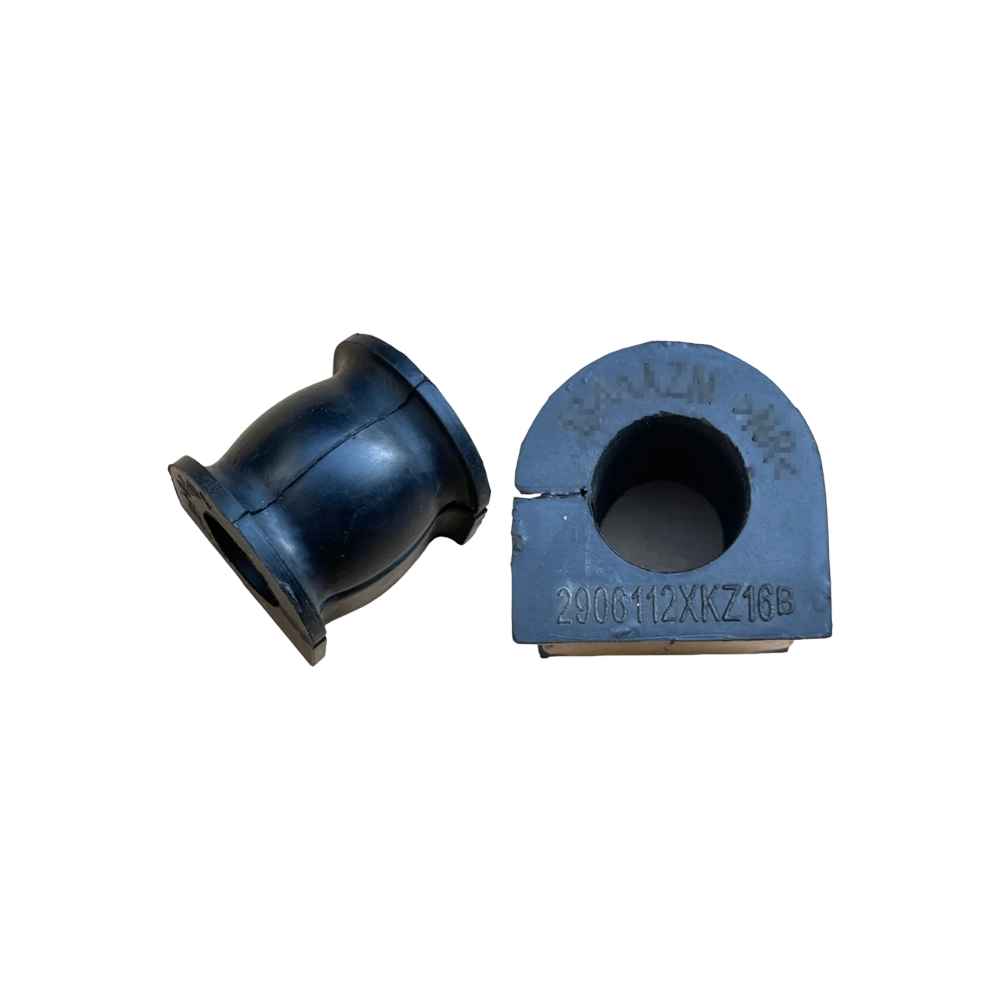
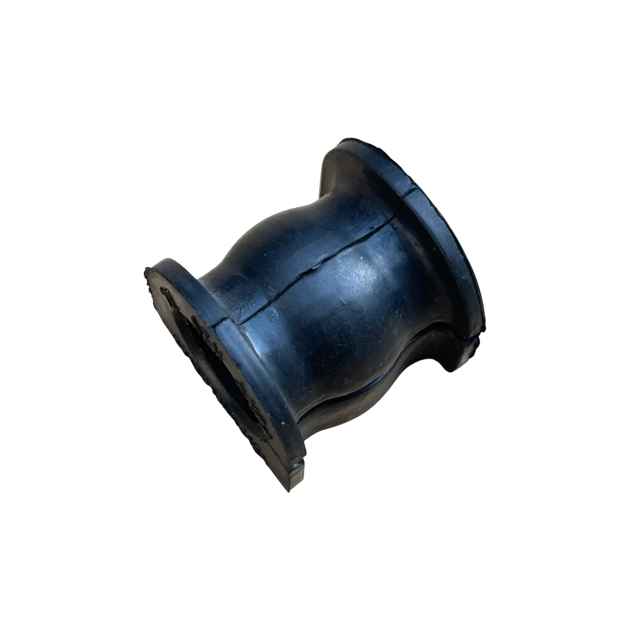
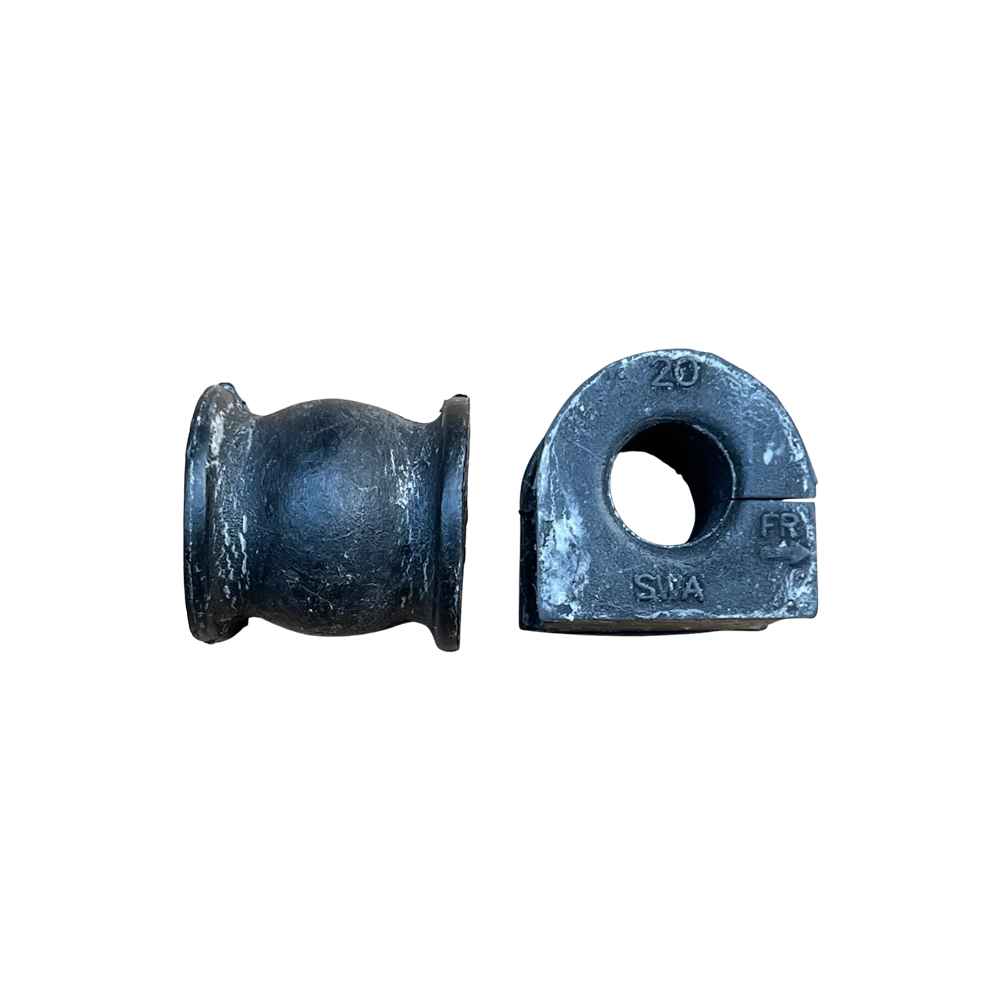
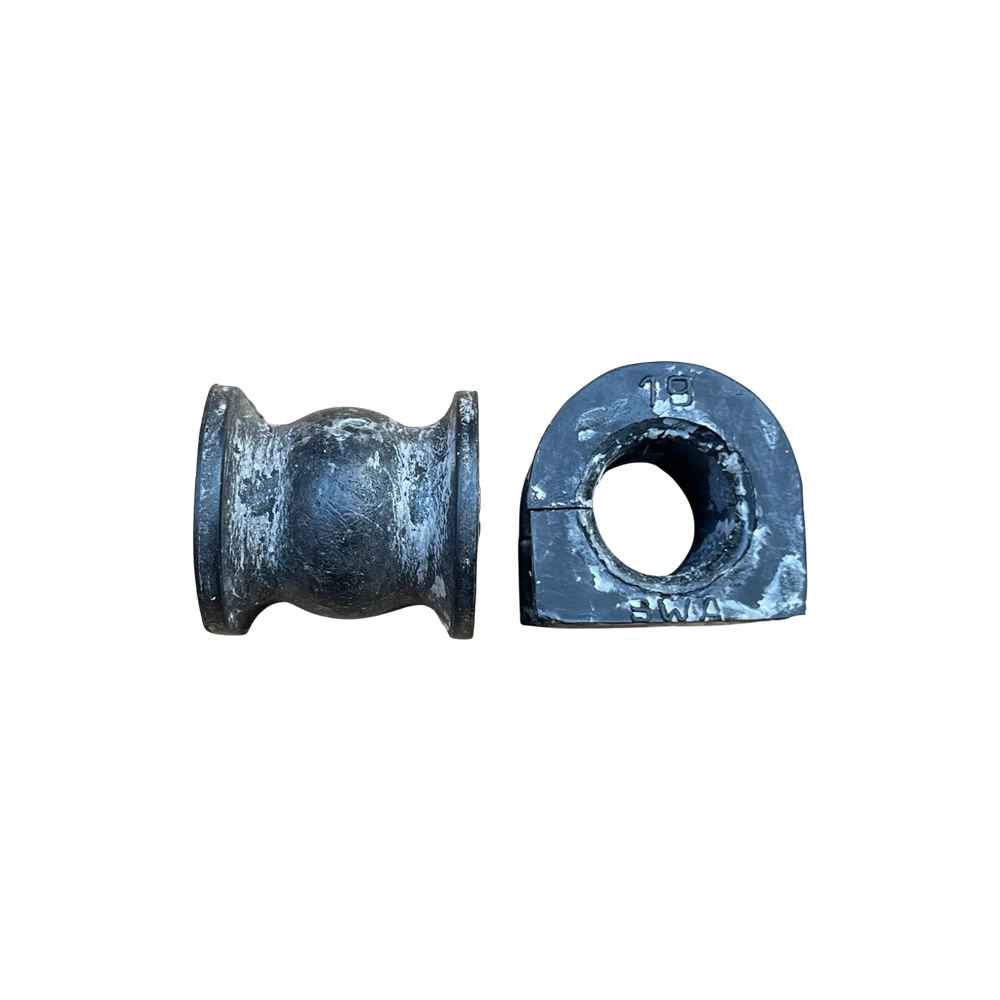
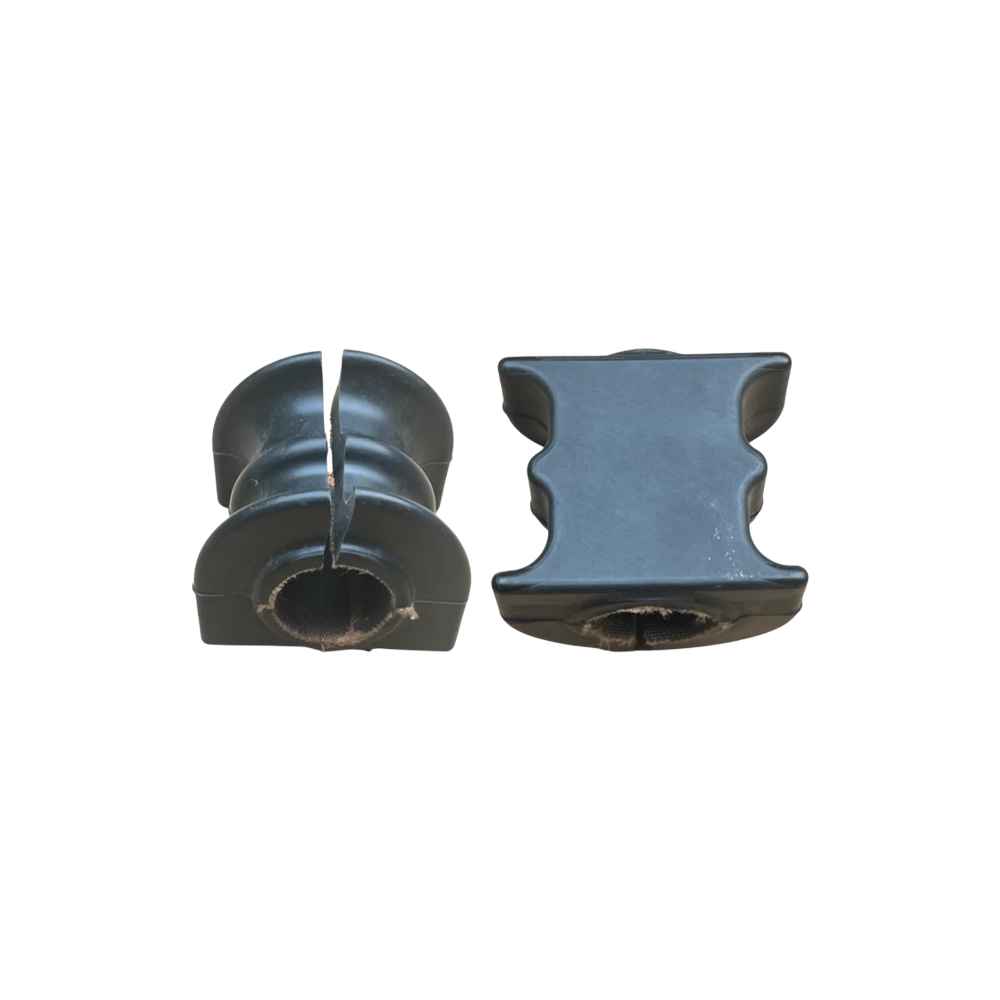
Stabilizer Bar Bushings , crucial components in vehicle suspension systems, serve to reduce lateral sway during cornering, thus enhancing overall stability. These bushings are typically made from rubber or polyurethane, which provides flexibility and durability. Proper sourcing of these parts is essential for both OEM manufacturers and aftermarket suppliers alike.
OEM vs. Aftermarket Parts
The distinction between Original Equipment Manufacturer (OEM) parts and aftermarket parts is fundamental in the automotive industry. OEM parts are designed and manufactured by the vehicle’s original producer, while aftermarket parts are produced by third-party suppliers. When it comes to Stabilizer Bar Bushings , the choice between the two can significantly affect vehicle performance and safety.
- Quality Assurance: OEM parts tend to undergo stringent testing procedures, ensuring they meet specific manufacturer standards.
- Cost-Effectiveness: Aftermarket options often provide a more budget-friendly alternative, although their quality may vary widely.
Standards for Sourcing Stabilizer Bar Bushings
When sourcing stabilizer bar bushings for B2B wholesale, adherence to certain standards ensures reliability and compatibility across various vehicle models. Key factors include material selection, dimensional accuracy, and resistance to environmental wear.
Material Selection
The choice of material plays a vital role in the functionality and longevity of stabilizer bar bushings. Common materials include:
- Rubber: Known for its elasticity and ability to absorb shocks.
- Polyurethane: Offers improved durability and resistance to wear, making it a preferred choice for high-performance applications.
Dimensional Accuracy
Ensuring that bushings adhere to precise specifications is crucial. Inaccurate dimensions can lead to diminished performance or premature failure. Suppliers must utilize advanced manufacturing techniques and rigorous testing methodologies to guarantee compliance with OEM standards.
Environmental Resistance
Stabilizer bar bushings must withstand various environmental factors such as temperature fluctuations, moisture, and chemical exposure. Selecting materials that resist degradation over time enhances the lifespan of the product. For instance, rubber bushings may require additives to improve ozone resistance, while polyurethane options may be treated to increase UV stability.
Evaluating Suppliers: A Checklist
Finding a reliable supplier who meets industry standards can be challenging. Here are some critical evaluation criteria:
- Certifications: Look for ISO certifications or other relevant quality assurance credentials.
- Product Range: A diverse selection indicates a supplier's capacity to cater to multiple vehicle models.
- Customer Feedback: Reviews and testimonials can provide insights into previous buyer experiences.
- Warranty Policies: Comprehensive warranties signal confidence in product quality.
Guanghua: A Case Study
A notable player in the market, Guanghua has established itself as a reputable supplier of automotive parts, including stabilizer bar bushings. Their commitment to quality and innovation is evident through their stringent manufacturing processes and an expansive range of products tailored to meet both OEM and aftermarket demands.
Innovation in Production Techniques
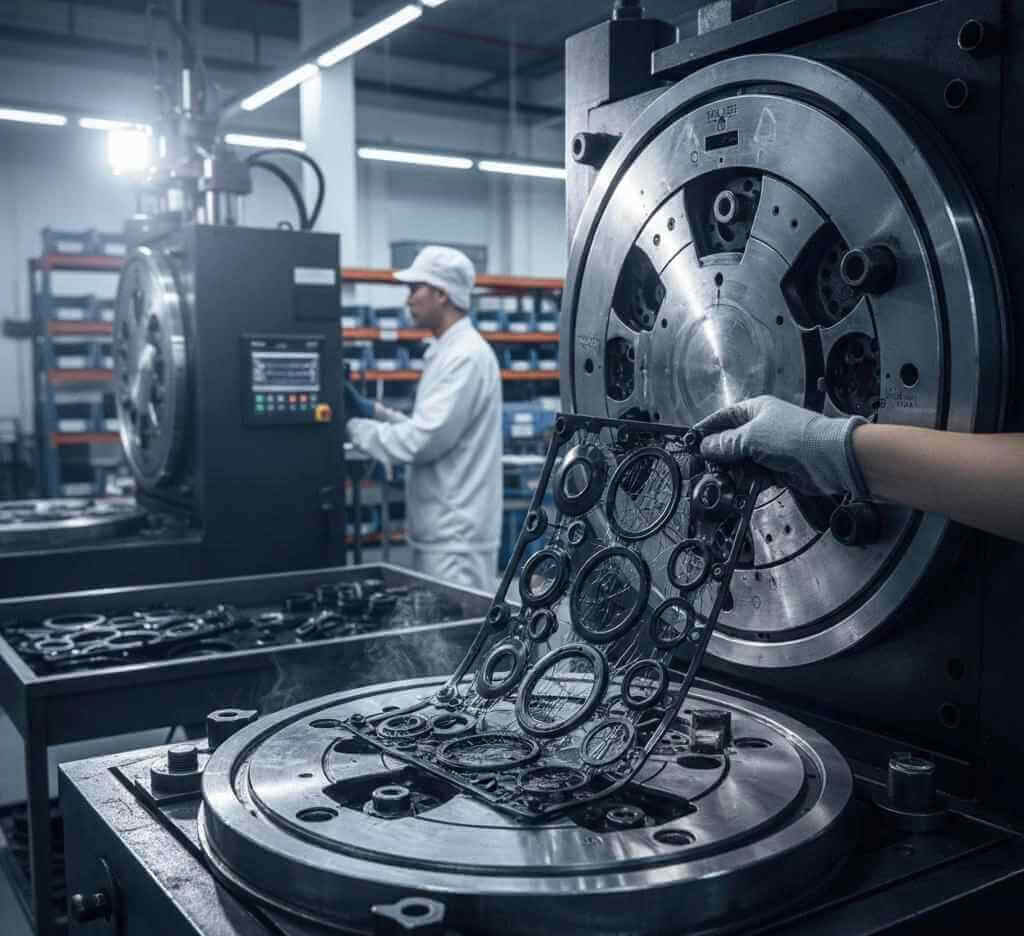
With advancements in manufacturing technologies, Guanghua has incorporated automated systems that enhance precision in bushing production. This use of technology not only improves consistency but also reduces lead times for wholesale orders, thereby accommodating the fast-paced needs of the automotive sector.
Focus on Sustainability
In recent years, Guanghua has also placed an emphasis on sustainability, integrating environmentally friendly practices within their production lines. This focus allows them to produce high-quality stabilizer bar bushings while minimizing their ecological footprint, appealing to an increasingly conscious consumer base.
Common Issues with Stabilizer Bar Bushings
Despite their durability, stabilizer bar bushings can exhibit issues over time, necessitating timely replacement. Identifying common problems early can prevent further damage to the vehicle's suspension system.
- Cracking: Often due to exposure to extreme temperatures or chemicals.
- Deformation: Can occur from prolonged stress, leading to improper fitment.
- Noise: Squeaking or clunking sounds may indicate that bushings have worn out.
Impact on Vehicle Performance
The performance of a vehicle's suspension system is heavily influenced by the condition of stabilizer bar bushings. Worn or damaged bushings can compromise handling, resulting in increased body roll during turns and a less comfortable ride. Regular inspections and maintenance are vital to ensure these components are functioning correctly.
Conclusion
When sourcing stabilizer bar bushings, whether for OEM applications or the aftermarket, understanding the nuances of these components is imperative. Ensuring high standards in material selection, dimensional accuracy, and supplier reliability will ultimately contribute to enhanced vehicle performance and customer satisfaction. As the market evolves, companies like Guanghua exemplify how innovation and quality assurance can coexist in the pursuit of superior automotive parts.