Understanding Suspension Rubber Parts
Suspension rubber parts play a pivotal role in the overall functionality and performance of a vehicle's driveline and axle systems. These components are designed to absorb shocks, reduce vibrations, and maintain alignment, ultimately contributing to a smoother driving experience.
Key Components of Suspension Rubber Parts
- CV Joint Boots : These are integral in preventing dirt and moisture from entering the CV joints, which could lead to premature wear or failure. Their durability is paramount for maintaining optimal joint function.
- Steering Rack Boots : Positioned around the steering apparatus, these boots shield against contaminants while ensuring that steering response remains agile and accurate.
- Shock Absorber Boots : These rubber parts safeguard shock absorbers from debris and extreme temperatures, extending their lifespan and enhancing ride quality.
Sourcing Quality Suspension Rubber Parts
When it comes to sourcing suspension rubber parts, quality should never be compromised. The selection process involves not just assessing the material properties but also evaluating the manufacturers behind these products. Brands like Guanghua have established themselves as reputable sources, known for their commitment to quality and performance.
Material Considerations
The materials used in manufacturing suspension rubber parts typically include high-quality synthetic rubbers or neoprenes, which offer excellent resistance to wear, temperature fluctuations, and chemicals. An understanding of how different compounds react under various conditions can significantly impact component longevity.
Compatibility and Fitment
Ensuring compatibility with specific vehicle makes and models is crucial. This often requires detailed knowledge of OEM specifications. Additionally, precise fitment guarantees better performance and reduces potential issues during installation.
Common Issues and Maintenance Tips
Regular maintenance of suspension rubber parts can prevent larger mechanical failures. Here are some common concerns to be aware of:
- Cracking or Dry Rot: Exposure to sun and road salts can cause rubber components to degrade. Inspecting and replacing worn-out parts promptly helps mitigate risks.
- Fluid Leaks: The presence of fluids on rubber parts may indicate a failing seal, such as an O-ring or rubber sealing ring. Immediate attention is recommended to avoid further damage.
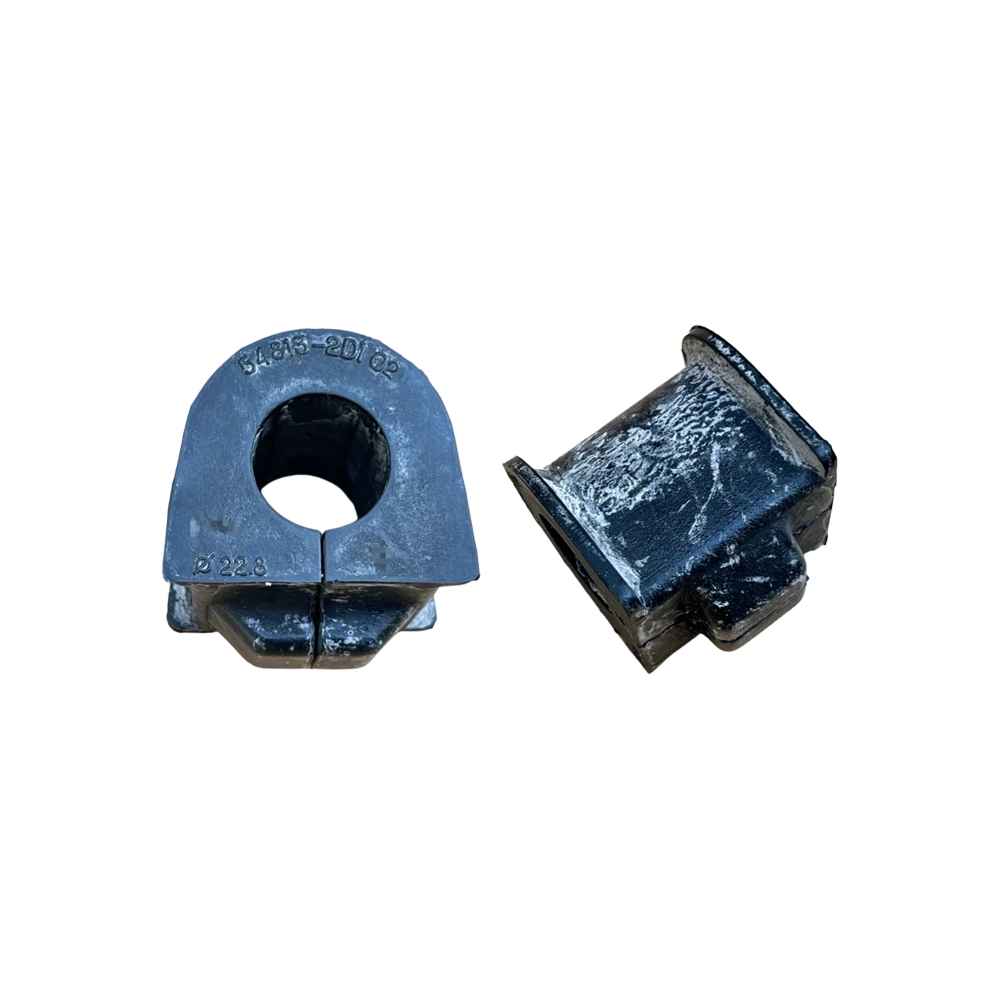
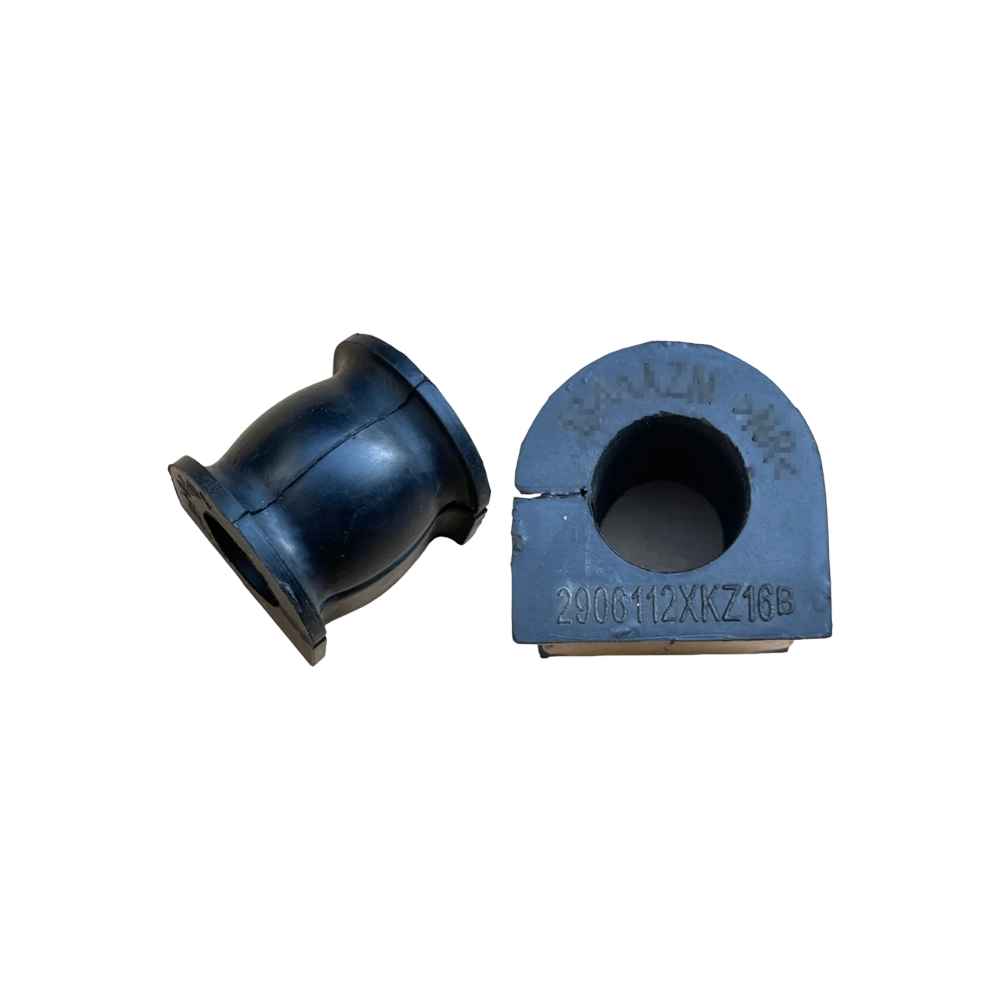
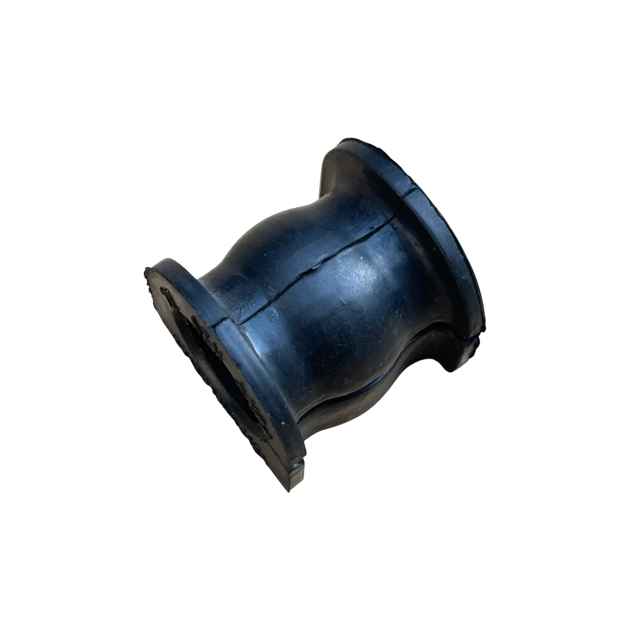
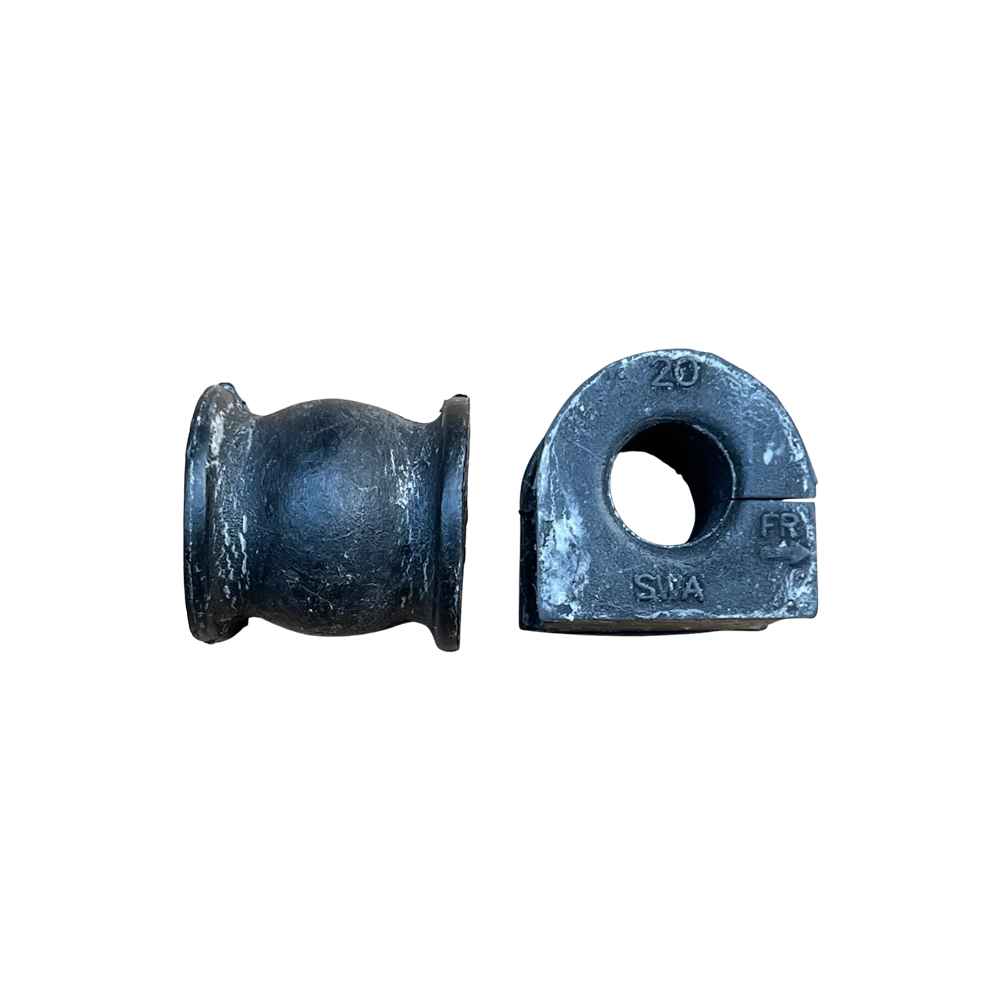
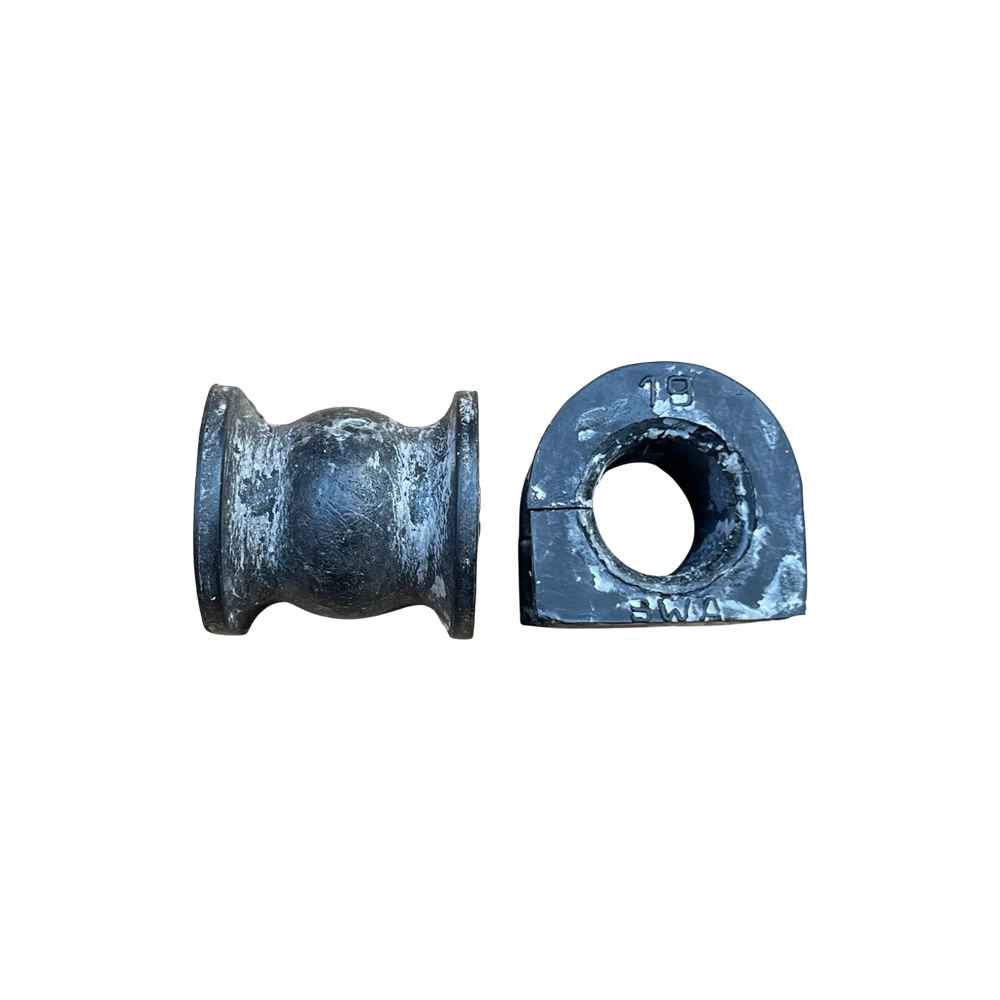
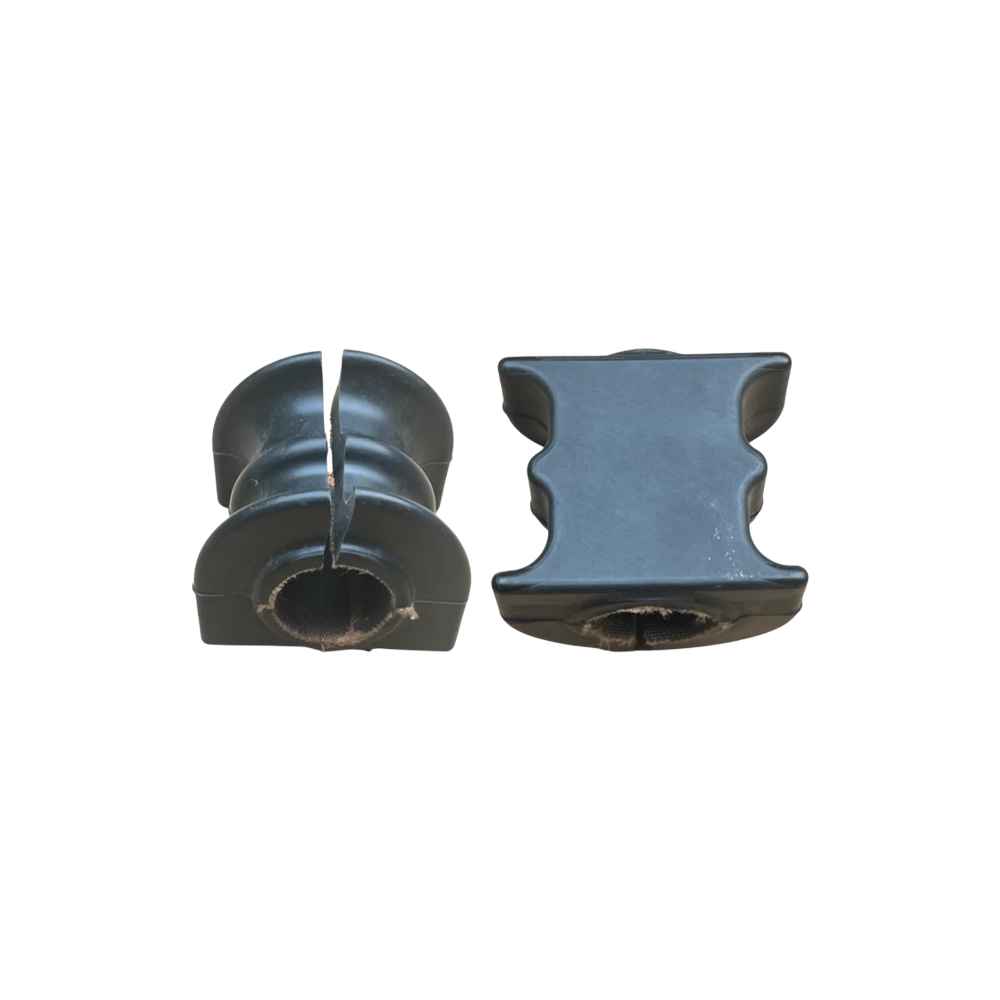
- Noise and Vibration: Unusual noises during operation often signal worn stabilizer bar bushings or other suspension components that require replacement.
Installing Suspension Rubber Parts
The installation of suspension rubber parts must follow specific guidelines to ensure effectiveness. Misalignment or improper fitting can lead to premature failure. Hence, it is advisable to consult service manuals or seek professional assistance when necessary.
Aftermarket vs. OEM Parts
Choosing between aftermarket and OEM parts is a significant consideration in the sourcing process. While OEM parts usually guarantee a perfect fit and reliability, aftermarket options often offer competitive pricing and diverse choices.
Benefits of Aftermarket Parts
- Cost-Effectiveness: Aftermarket parts can be more affordable without compromising on quality.
- Variety: A wider range of products can cater to specific performance needs or preferences.
- Availability: Aftermarket suppliers often provide a more extensive stock, making sourcing easier.
Risks Involved
However, caution is advised when opting for aftermarket products. Ensuring that these parts adhere to rigorous testing standards is essential to avoid potential complications post-installation.
Regulatory Standards and Certifications
In the realm of automotive parts, compliance with international standards (such as ISO certifications) ensures that purchased items meet safety and performance benchmarks. Suppliers who hold these certifications, including those from brands like Guanghua, often provide greater assurance regarding their products' quality.

Environmental Considerations
The environmental impact of rubber manufacturing has garnered increasing attention. Sustainable practices involve sourcing rubber materials responsibly and minimizing waste during production. Thus, opting for eco-friendly options benefits both the user and the planet.
Conclusion: Importance of Informed Sourcing Decisions
Ultimately, the sourcing of suspension rubber parts necessitates a comprehensive understanding of various factors, from material properties to manufacturer reliability. Prioritizing quality, compatibility, and sustainability will ensure optimal performance and longevity of driveline and axle components.