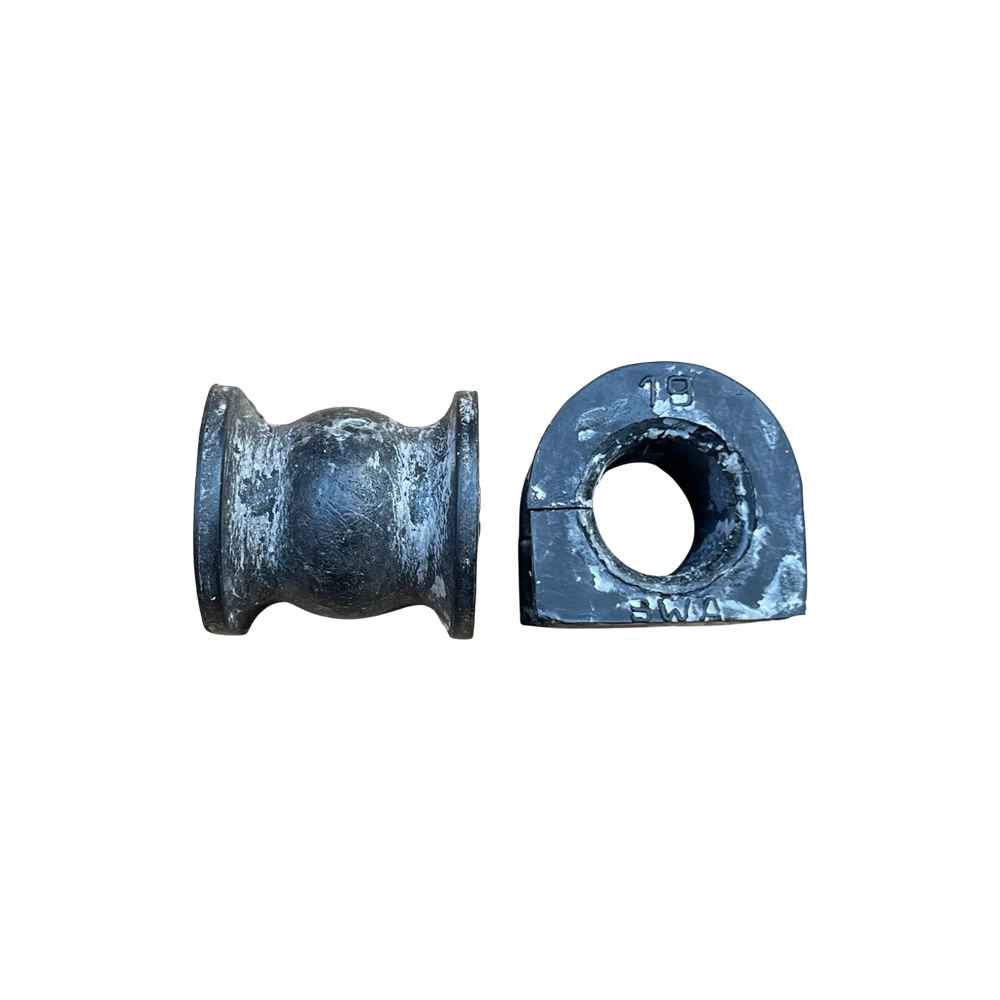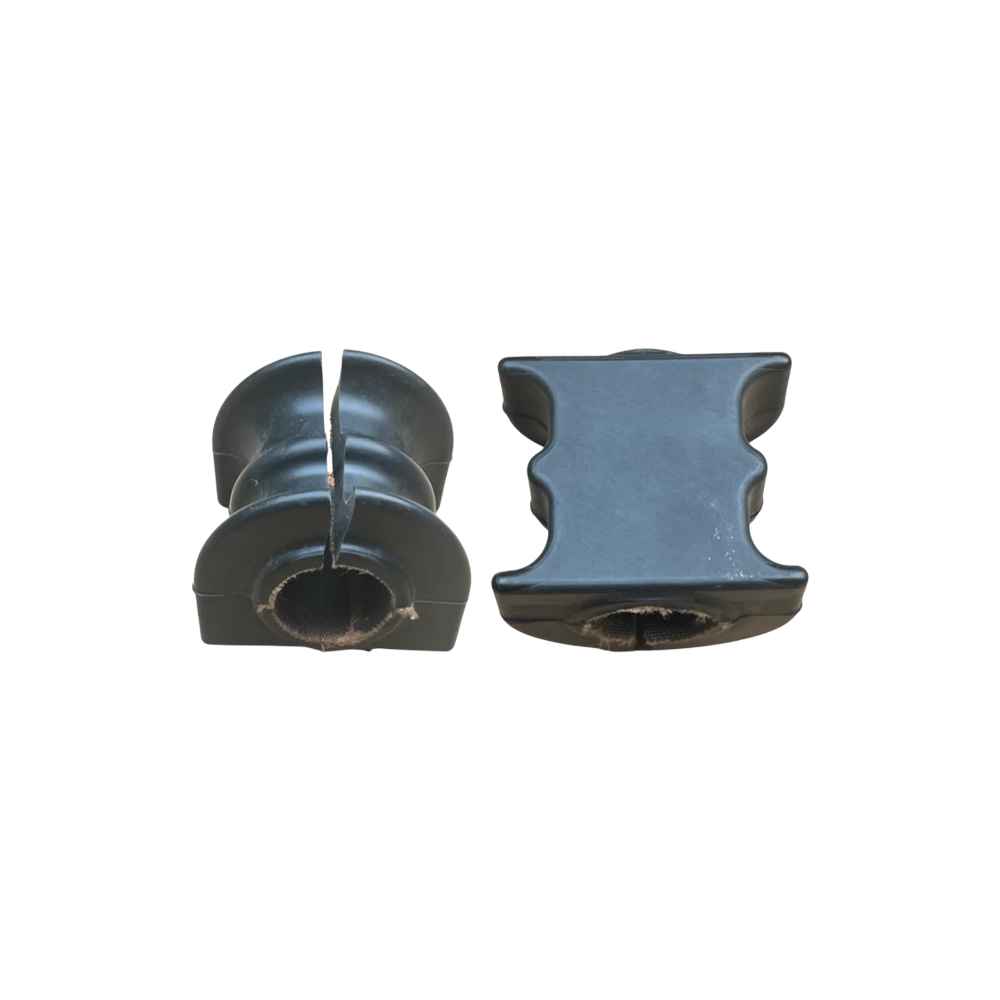
Understanding Shock Dust Covers
Shock dust covers play a pivotal role in the functionality and longevity of automotive hydraulic systems. These components, often overlooked during maintenance checks, serve to protect the sensitive parts of shock absorbers from dirt, debris, and moisture which can lead to premature failure. In an era where manufacturers constantly seek to enhance the reliability of their products, selecting the right dust cover is crucial.
Types of Shock Dust Covers
When considering the options available for shock dust covers, various materials and designs come into play. Here are some common types:
- Polyurethane Covers: Known for their durability and resistance to wear, polyurethane covers are ideal for heavy-duty applications.
- Rubber Covers: These are more flexible and can conform to various shapes, providing excellent sealing capabilities against contaminants.
- Fabric Covers: Often employed in applications where lightweight properties are essential, fabric covers may offer less protection than their rubber or polyurethane counterparts but allow for better heat dissipation.
Material Selection
The selection of material for shock dust covers cannot be understated. Materials like neoprene or nitrile rubber are frequently chosen for their resilience against temperature fluctuations and harsh environmental conditions. Companies such as Guanghua have been instrumental in producing high-quality dust covers tailored specifically for automotive uses, ensuring that they meet stringent industry standards.
Importance of Proper Sizing
Choosing a shock dust cover that fits properly is fundamental. An ill-fitting cover can result in gaps that expose internal components to contaminants, leading to damage and decreased efficiency of the hydraulic system. It’s advisable to measure the diameter and length of the shock absorber before purchasing a new dust cover. Some retailers provide sizing charts, while others may offer custom solutions.
Installation Considerations
Installing a shock dust cover involves several key steps that must be executed with precision. First, ensure that the surface on which the cover will be installed is clean and free from debris. Lubricating the inner edge of the cover can assist in smooth installation, preventing tears or misalignment. When fitting the cover, it should slide over the shock's shaft without excessive force, ensuring that it seats securely in place.
Maintenance Practices
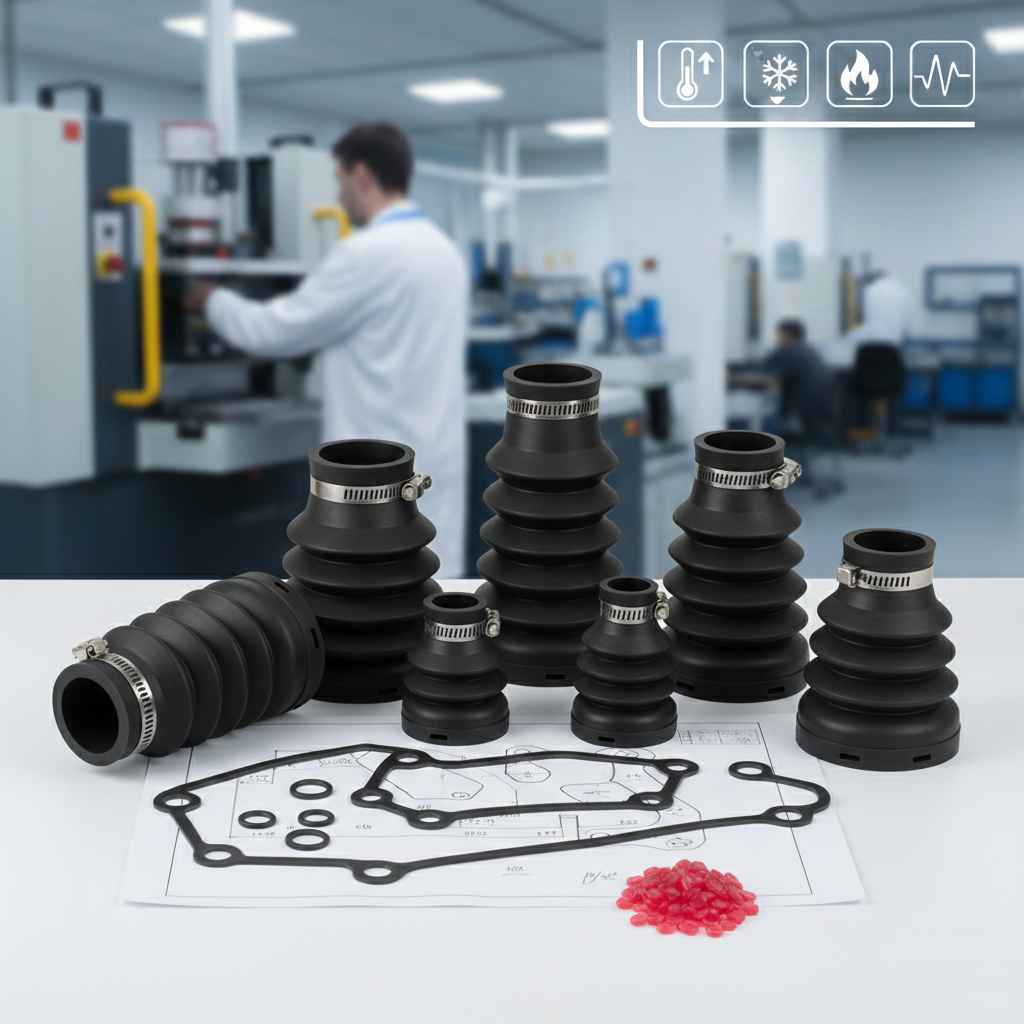
Regular inspections of shock dust covers can save considerable time and money by identifying potential issues before they escalate. During routine vehicle maintenance, it is beneficial to check for signs of wear such as cracks, tears, or deformation. Furthermore, it might be useful to inspect surrounding components like CV Joint Boots and Steering Rack Boots , as these also contribute significantly to overall vehicle performance.
Potential Issues with Shock Dust Covers
Despite their protective nature, shock dust covers are not immune to problems. Common issues include:
- Cracking: Exposure to UV light and extreme temperatures can cause materials to degrade over time.
- Tearing: Improper installation or low-quality materials can result in tears that compromise integrity.
- Contamination: If the seal is broken, contaminants can enter the hydraulic system, potentially leading to component failure.
Cost Considerations
Price variations for shock dust covers depend heavily on material and quality. While cheaper options may seem attractive initially, investing in higher-quality products can yield significant long-term savings by reducing the frequency of replacements. Brands like Guanghua tend to offer premium covers at slightly higher price points, yet the enhanced durability often justifies the cost.
Conclusion: Making an Educated Choice
In summary, selecting the right shock dust cover requires careful consideration of materials, sizing, and installation practices. The protective benefits afforded by a quality dust cover ultimately impact the performance and lifespan of automotive hydraulic systems. As you navigate through your options, prioritize quality and fit to ensure optimal results.