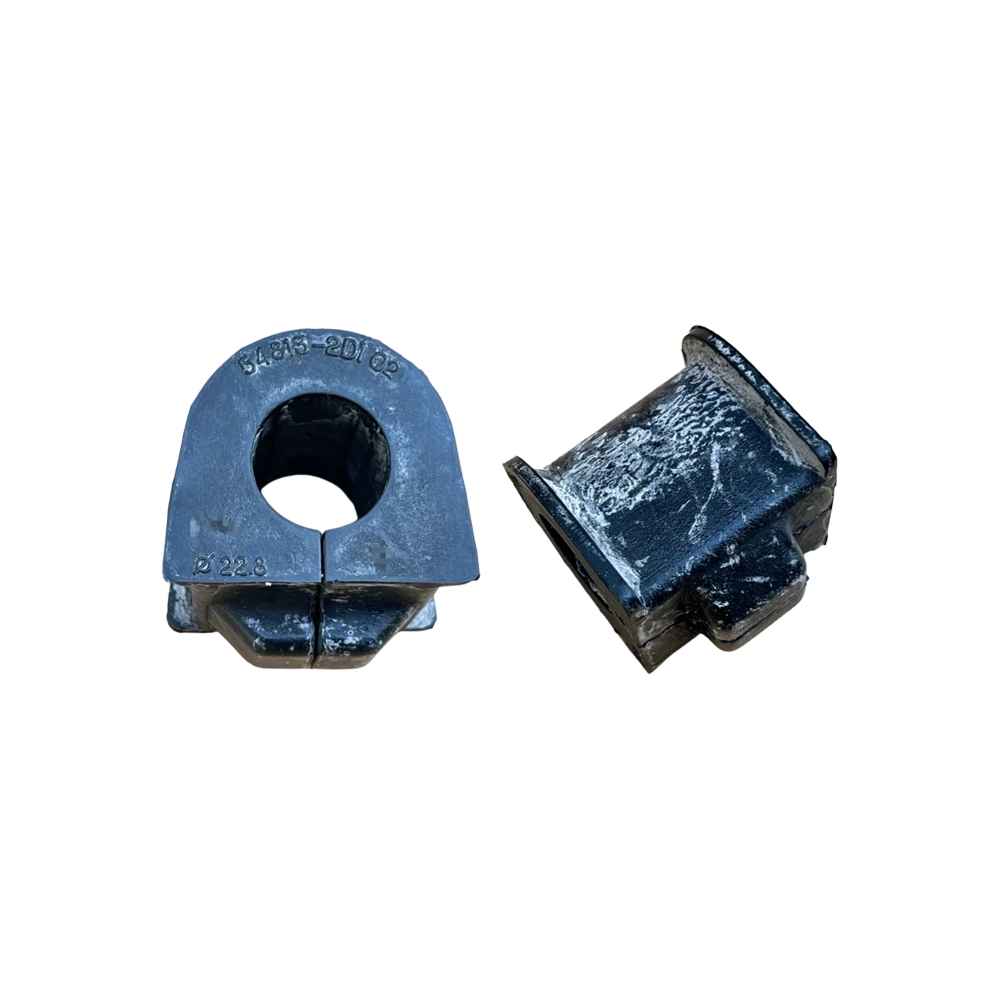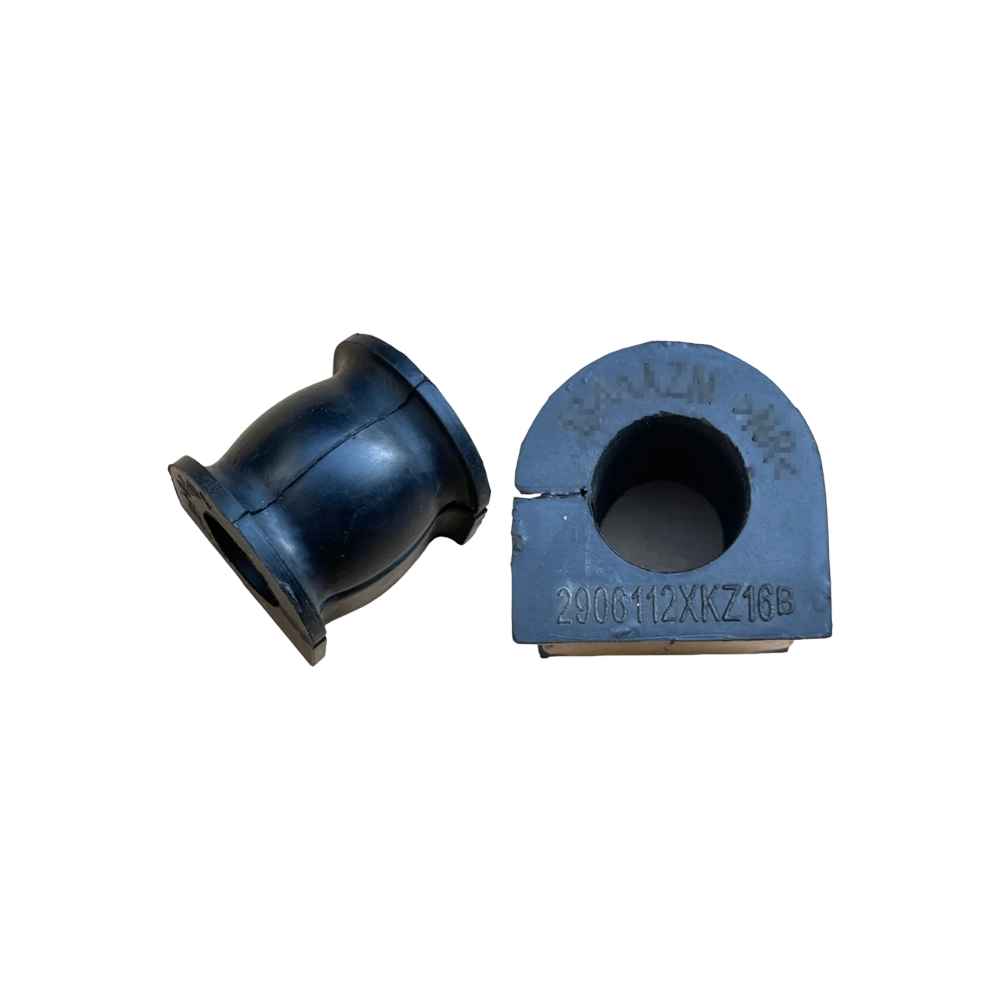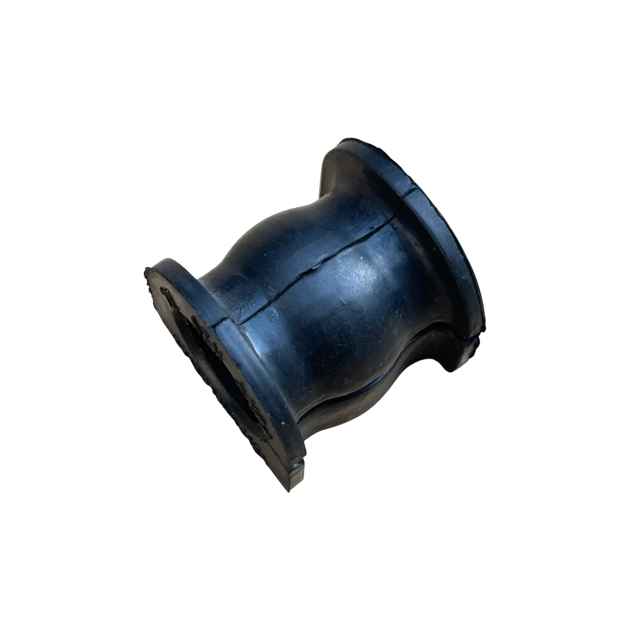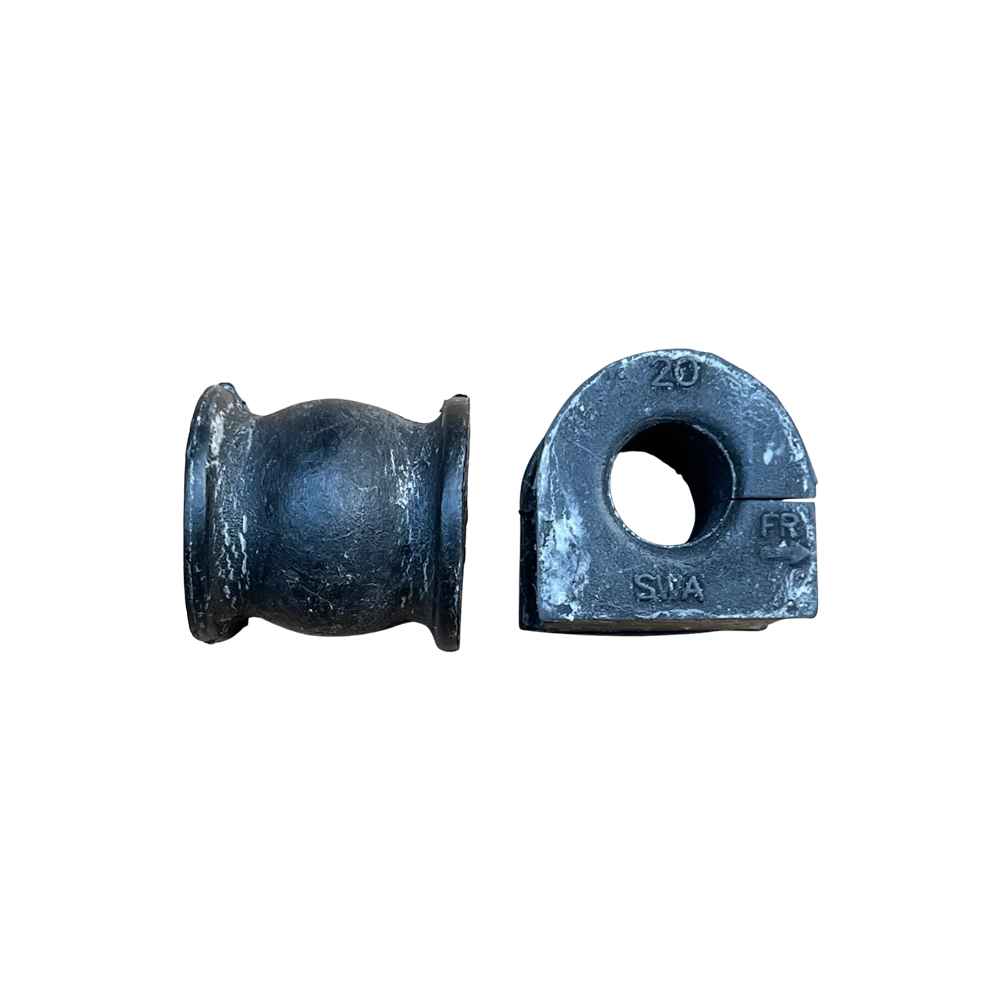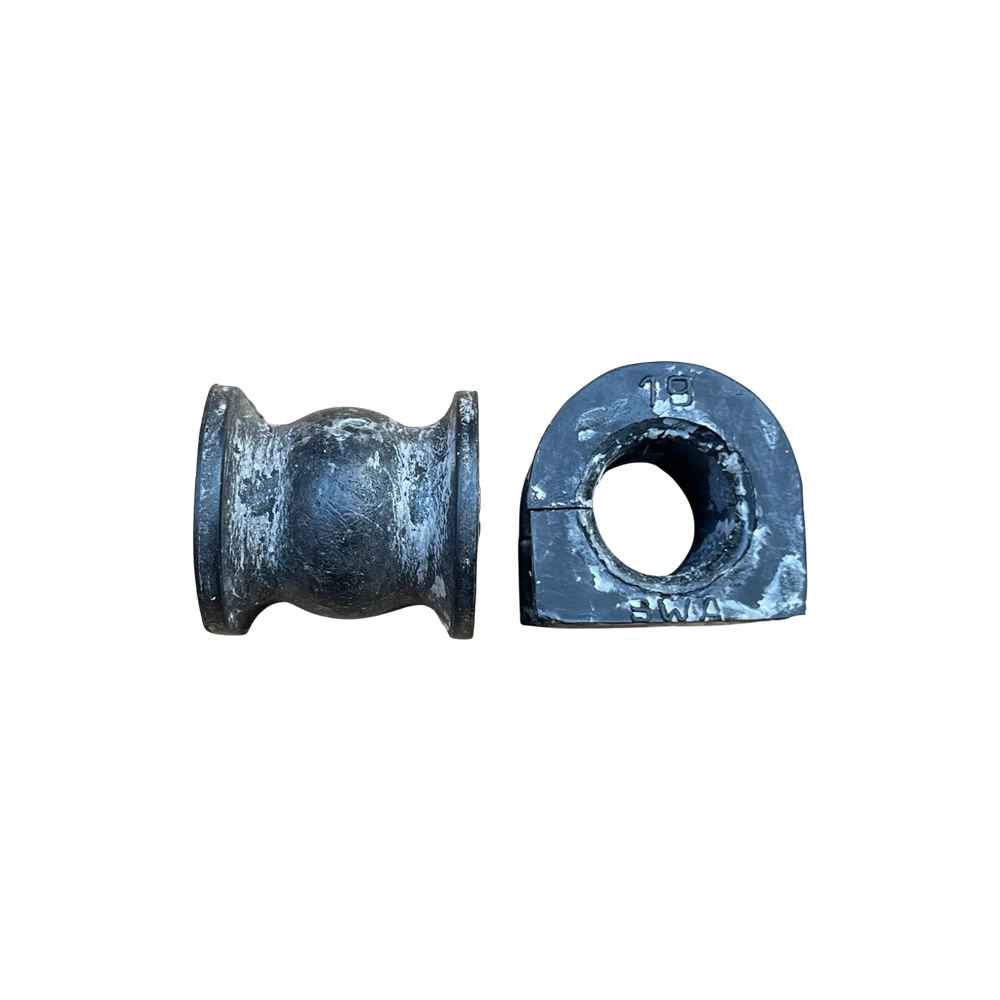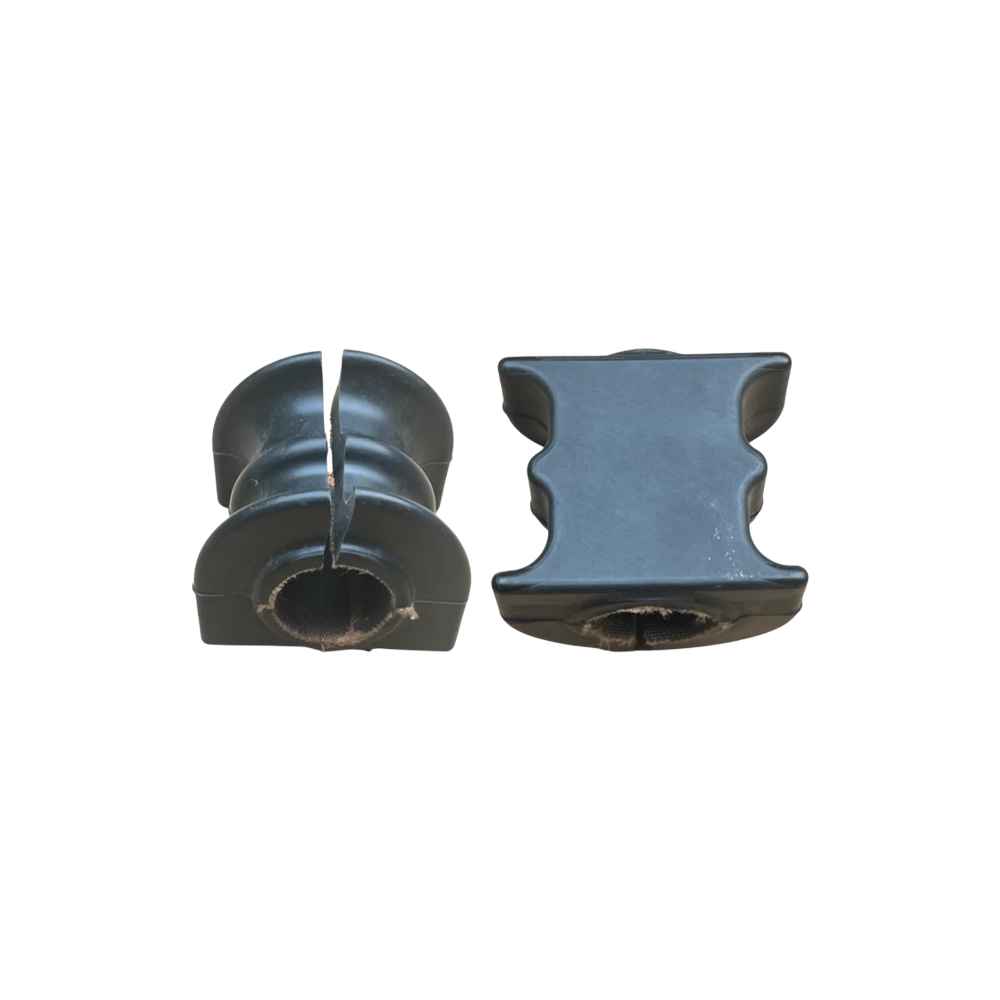
Understanding Strut Boots
Strut boots, essential components in automotive suspension systems, serve a crucial role in protecting sensitive parts from dirt, debris, and moisture. Typically made from rubber or plastic, they help ensure the longevity of strut assemblies by shielding them from harsh environmental conditions.
Functionality of Strut Boots
The primary function of strut boots lies in safeguarding the strut shaft from contaminants that can cause wear and tear. Without these protective covers, particles such as sand and salt can cause significant damage to the strut assembly, leading to premature failure.
OEM vs. Aftermarket Parts
When it comes to replacing strut boots, one must decide between Original Equipment Manufacturer (OEM) parts and aftermarket options. Each choice presents distinct advantages and considerations.
OEM Strut Boots
- Quality Assurance: OEM parts are manufactured to meet stringent quality standards set by vehicle manufacturers, ensuring compatibility and reliability.
- Perfect Fit: Designed specifically for certain car models, they guarantee a precise fit, which can enhance performance.
- Warranty Support: OEM parts often come with a manufacturer’s warranty, providing customers additional peace of mind.
Aftermarket Strut Boots
- Cost-Effectiveness: Generally more affordable than OEM counterparts, aftermarket options can provide significant savings, particularly for budget-conscious consumers.
- Variety: An extensive range of aftermarket products exists, allowing users to select options based on specific needs and preferences.
- Performance Enhancements: Some aftermarket brands, like Guanghua, offer performance-oriented alternatives that may improve handling characteristics.
Choosing the Right Material
The material of strut boots affects their durability and performance. Common materials include rubber, polyurethane, and PVC. Each has its unique properties and suitability for different driving conditions.
Rubber Strut Boots
Rubber remains the most common choice due to its flexibility and ability to withstand various weather conditions. However, quality can vary widely, so choosing high-grade rubber is imperative for optimal protection.
Polyurethane Strut Boots
Polyurethane boots offer enhanced resistance to ozone and UV degradation, making them ideal for vehicles exposed to harsh sunlight or extreme climates. Their sturdiness often translates into longer lifespans compared to rubber alternatives.
PVC Strut Boots
PVC options tend to be less expensive but can lack the durability required for long-term use in demanding environments. It’s crucial to assess the intended application before selecting PVC strut boots.

Installation Considerations
Proper installation of strut boots is vital for their effectiveness. If installed incorrectly, they may lead to premature wear or even failure of the strut itself. Here are some key points to keep in mind:
- Correct Alignment: Ensure that the boot is aligned properly during installation to prevent it from rubbing against other components.
- Sealing: A good seal is necessary to protect the strut from contaminants; check all O-Rings & Rubber Sealing Rings during the installation process.
- Replacement Frequency: Regularly inspect strut boots and replace them as needed, especially if any sign of wear or damage is observed.
Maintenance Tips
To extend the life of strut boots and the associated strut assemblies, adherence to maintenance best practices is recommended. This includes regular inspections and immediate replacement of worn components such as Steering Rack Boots and Shock Absorber Boots .
Inspection Techniques
During routine maintenance checks, look out for cracks, tears, or any visible signs of deterioration on the strut boots. Additionally, pay attention to the surrounding components as well—issues with Stabilizer Bar Bushings could affect the overall stability of the vehicle.
Environmental Considerations
Environmental factors such as exposure to road salt, harsh chemicals, and extreme temperatures play a crucial role in the degradation of rubber components. Taking measures to protect the undercarriage of vehicles will significantly enhance the longevity of strut boots.
Frequently Asked Questions
How often should I replace strut boots?
Typically, strut boots should be inspected every 12,000 miles, and replaced when any signs of damage are evident. Depending on driving conditions, more frequent checks may be advisable.
Can I use aftermarket strut boots on my OEM struts?
Yes, aftermarket strut boots can generally be used with OEM struts, provided they are compatible. Always check specifications to ensure a proper fitment.
What should I do if I notice oil leaking from my strut boots?
Oil leakage indicates potential failure of the strut, necessitating immediate inspection. Depending on the extent of the damage, either a repair or complete strut replacement may be required.
Conclusion
With numerous options available for strut boots, understanding the distinctions between OEM and aftermarket parts, as well as the materials and installation techniques, can significantly influence the longevity of vehicle suspension systems. Brands like Guanghua offer competitively priced solutions without compromising on quality, ensuring that both OEM and aftermarket enthusiasts find suitable replacements.