Understanding Sway Bars
Sway bars, also known as stabilizer bars, play a crucial role in enhancing vehicle stability during turns. These components help reduce body roll, providing a smoother riding experience. When you’re cruising down the road or taking those sharp corners, the sway bar is working hard to keep your vehicle grounded and balanced.
Types of Sway Bars
When it comes to sway bars, there are typically two types: front sway bars and rear sway bars. Each serves its own purpose and is essential for optimal performance.

- Front Sway Bars: These are located at the front of the vehicle and primarily help with steering responsiveness. They’re important for maintaining control while navigating curves.
- Rear Sway Bars: Positioned at the back, these bars further stabilize your vehicle, especially during acceleration and braking. A good rear sway bar can prevent excessive oversteer.
Choosing the Right Sway Bar
Deciding which sway bar to purchase involves considering several factors. First off, think about your driving style. If you're into sporty drives, a stiffer sway bar could be beneficial. On the flip side, if comfort is your priority, a softer bar might do the trick.
Material Matters
The material used in sway bars can impact performance significantly. Most sway bars are made from steel, but some high-performance options use aluminum or composite materials. Steel bars tend to be heavier but offer better durability. Aluminum, on the other hand, is lighter and can improve handling, although they might not hold up as well under extreme conditions.
Installation Insights
Installing sway bars can seem daunting, but with the right tools and guidance, it’s totally manageable. Make sure you have a decent set of wrenches and perhaps a friend to lend a hand. Depending on your vehicle, installation times can vary.
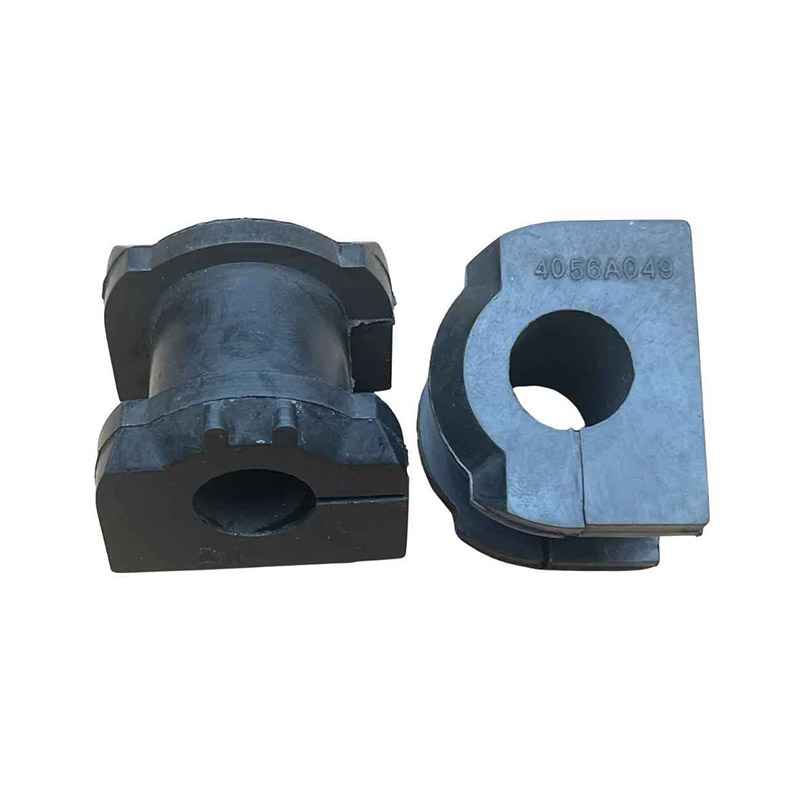
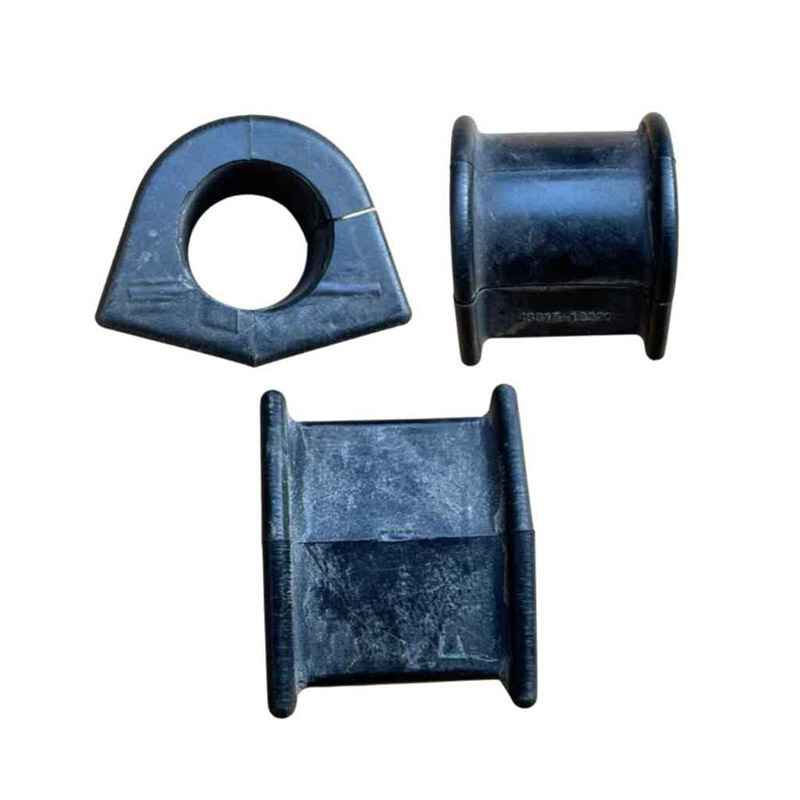
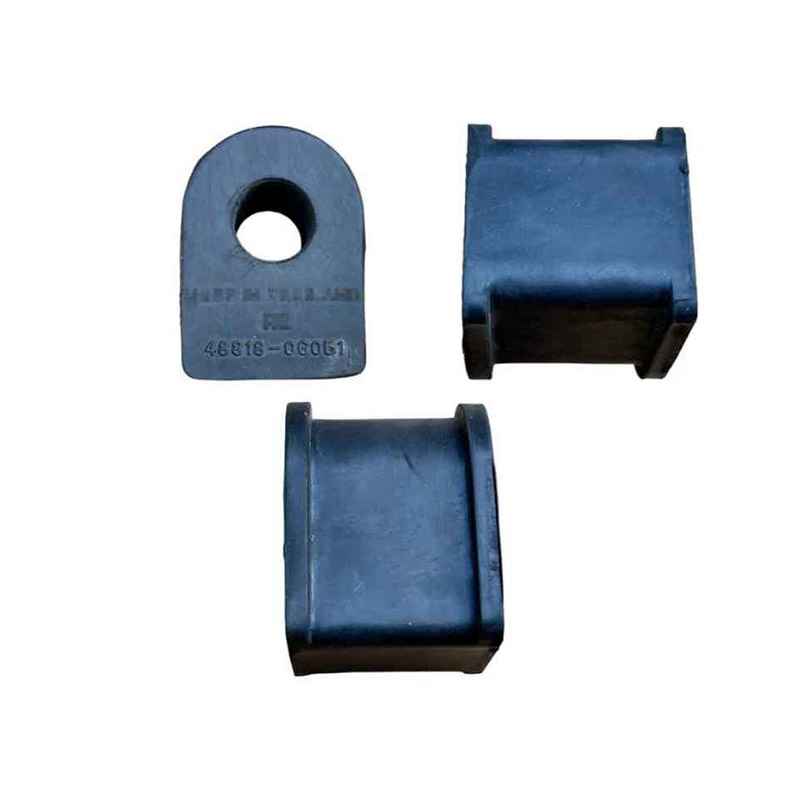
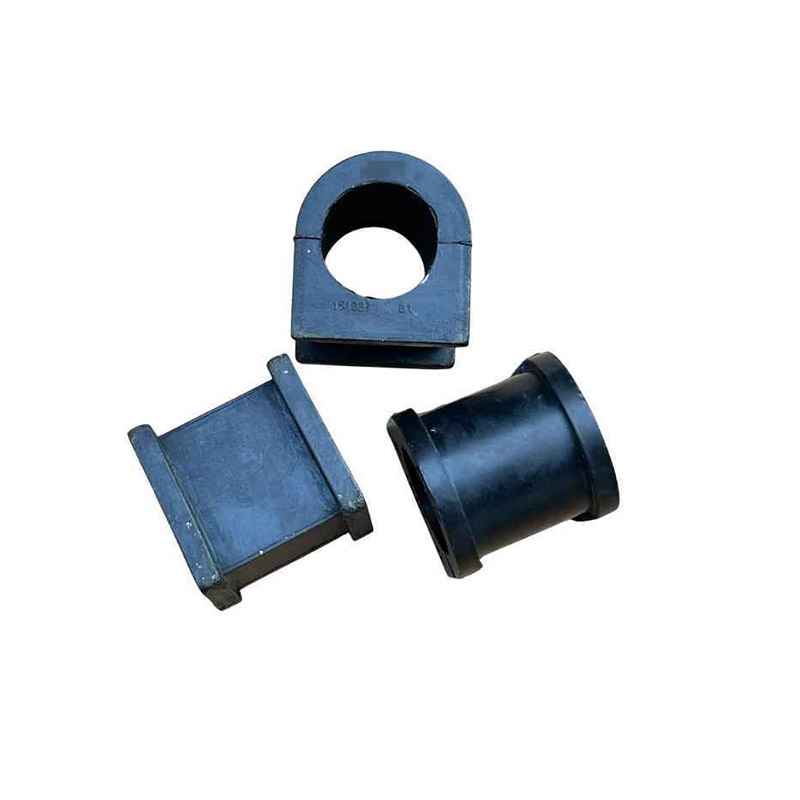
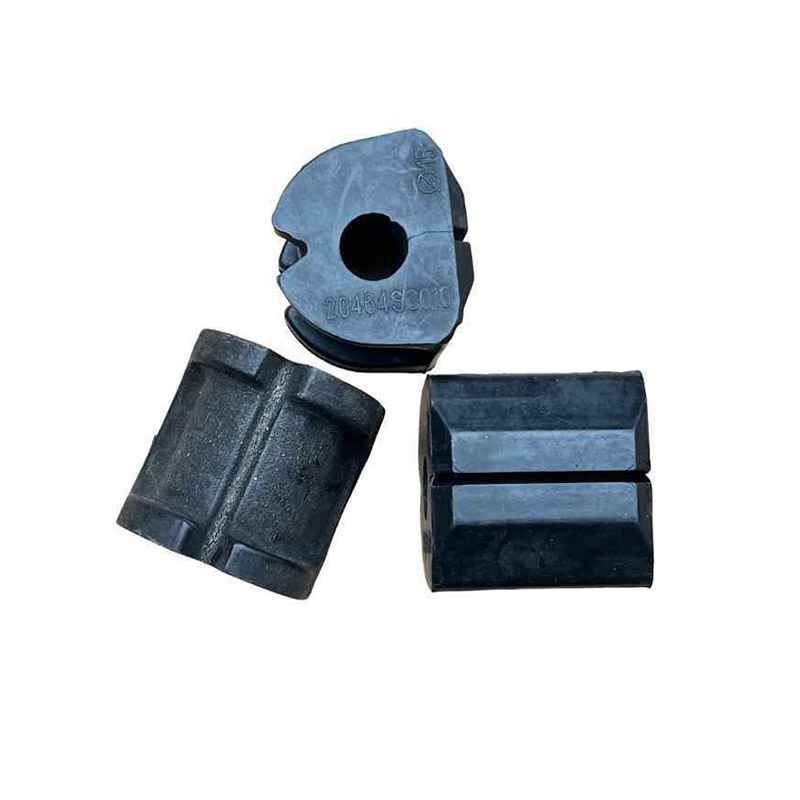
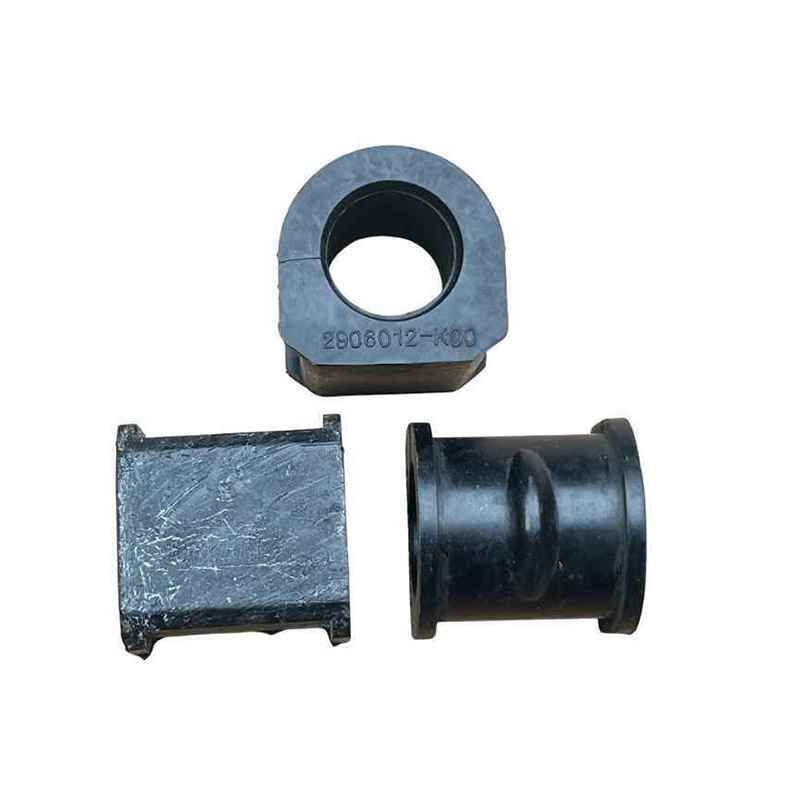
If you’re a DIY enthusiast, this is a great weekend project! Just take your time and follow any instructions provided. Moreover, don't forget to check if your vehicle requires new bushings or hardware, as these may wear out over time.
Common Issues
Sometimes sway bars can develop issues. Worn-out bushings or mounting points can lead to rattling noises. If you hear clunks or squeaks when turning, it might be time to inspect your sway bar setup. Regular maintenance checks can save you future headaches.
Brands to Consider
There are numerous brands offering sway bars. Look for companies that specialize in driveline and axle repair, like Guanghua, which has gained a reputation for quality components. It's always best to choose products with a solid warranty and positive reviews.
Additionally, consider aftermarket options as they can sometimes provide better performance than stock parts. Researching user feedback can guide you towards the best choice for your vehicle.
Performance Upgrades
If you’re looking to enhance your vehicle’s performance even further, don’t overlook related components such as Shock Absorber Boots and Stabilizer Bar Bushings . These items work in tandem with sway bars to ensure a smooth drive. Ensuring all these parts are in good condition will maximize your vehicle's capabilities on the road.
Final Thoughts
Investing in quality sway bars can significantly affect your driving experience. Whether it’s for front or rear applications, understanding your needs and doing your research will help you make an informed decision. Don’t forget—keeping everything properly maintained, including O-Rings & Rubber Sealing Rings , will contribute to a longer lifespan for your sway bars!