Understanding Stabilizer Bar Bushings
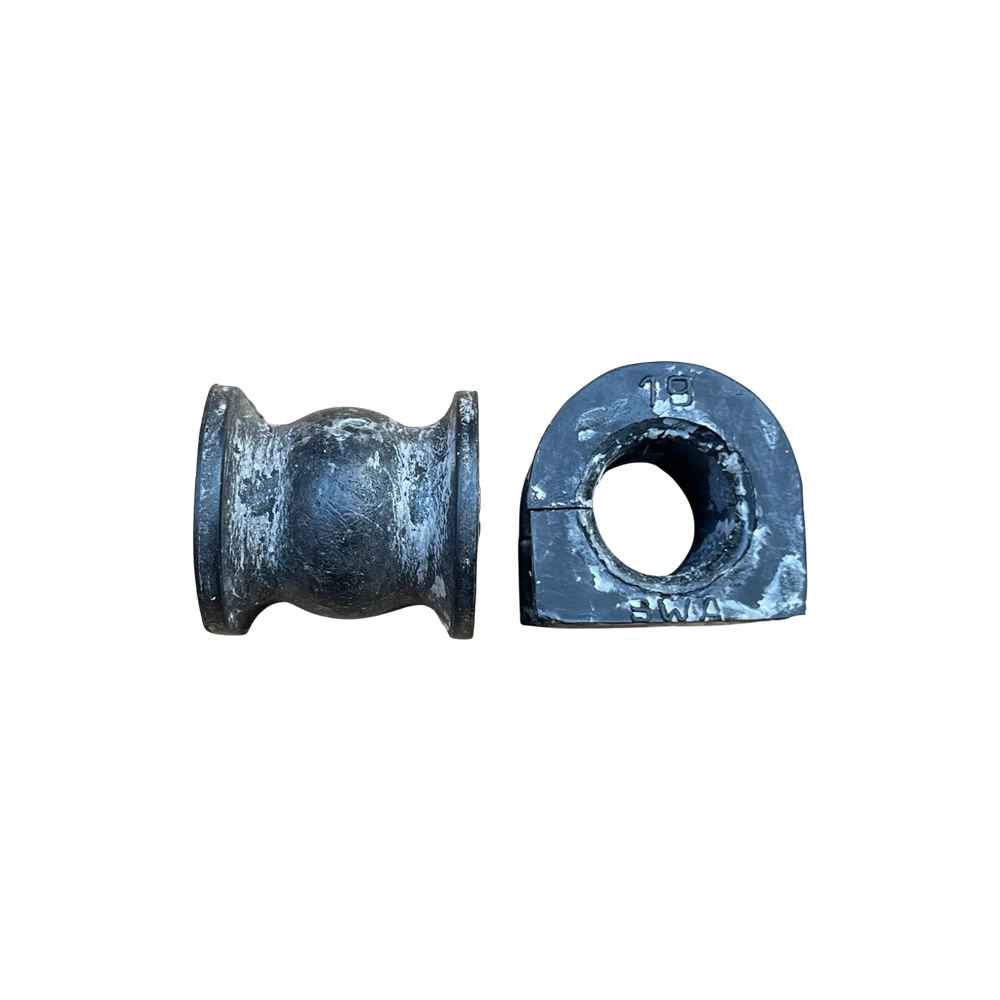
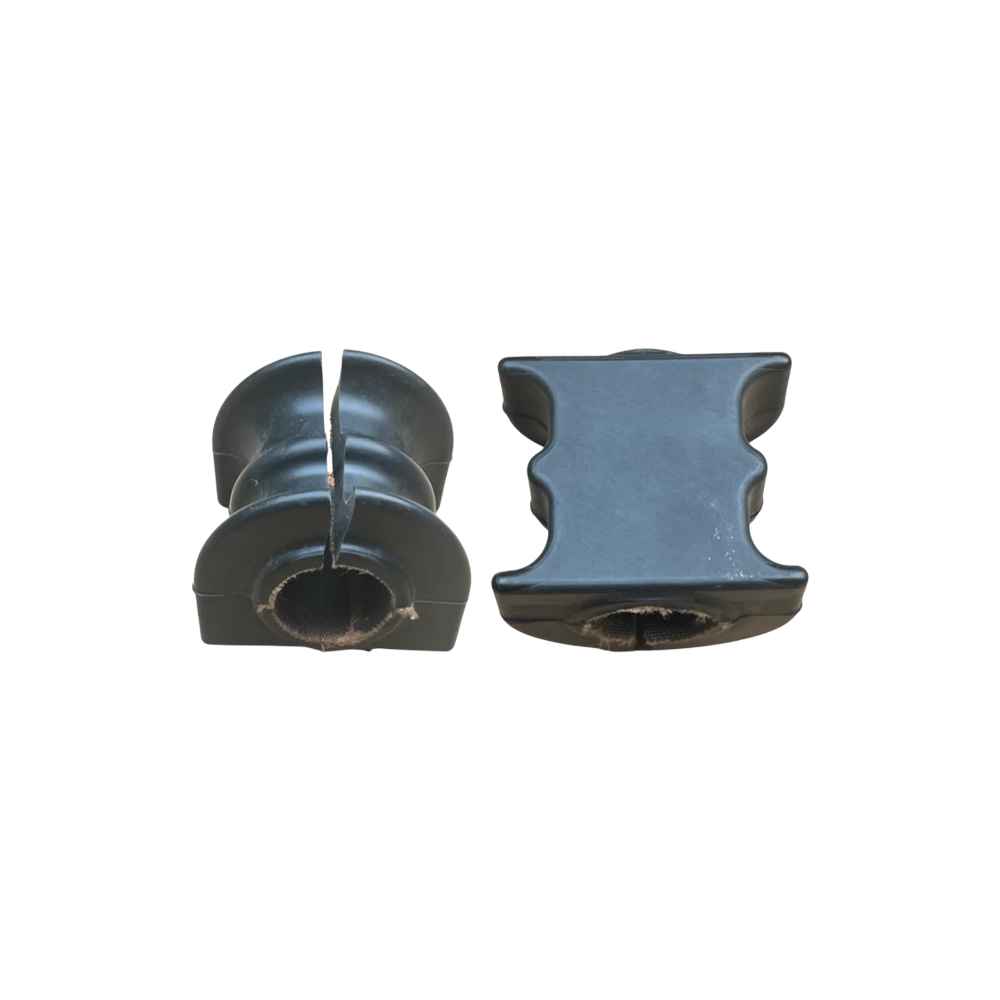
When it comes to maintaining the performance of your vehicle's driveline and axle, Stabilizer Bar Bushings are essential components. These small but mighty parts help reduce body roll during cornering, ensuring a smoother ride and better handling. If you're looking to replace or upgrade these bushings, you’ve landed in the right spot.
What Are Stabilizer Bar Bushings ?
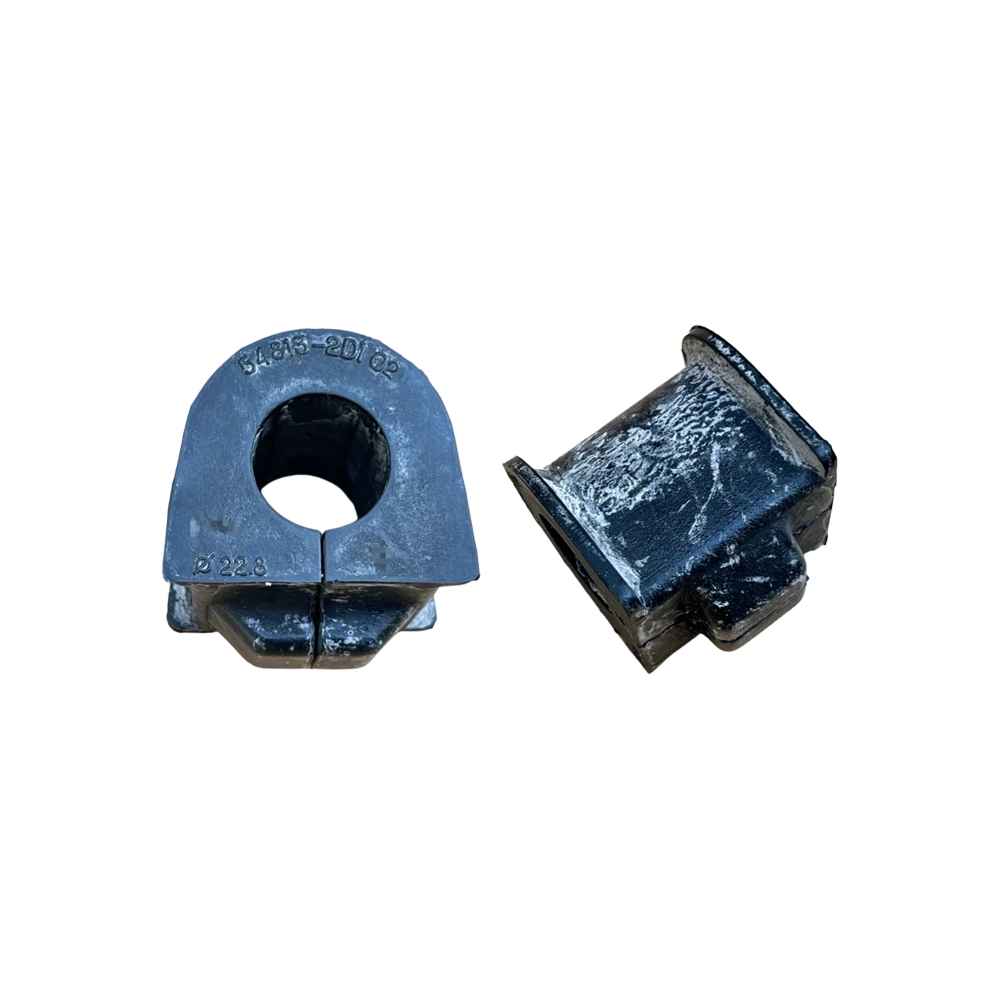
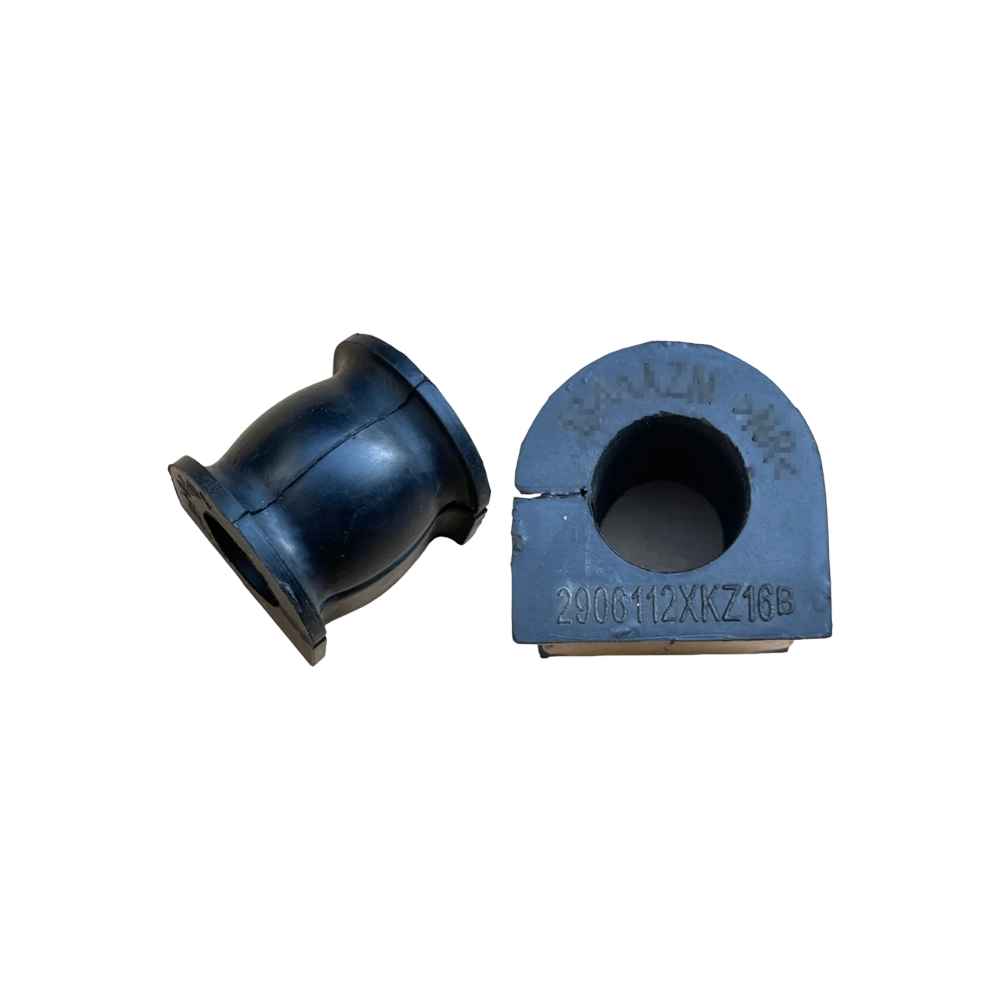
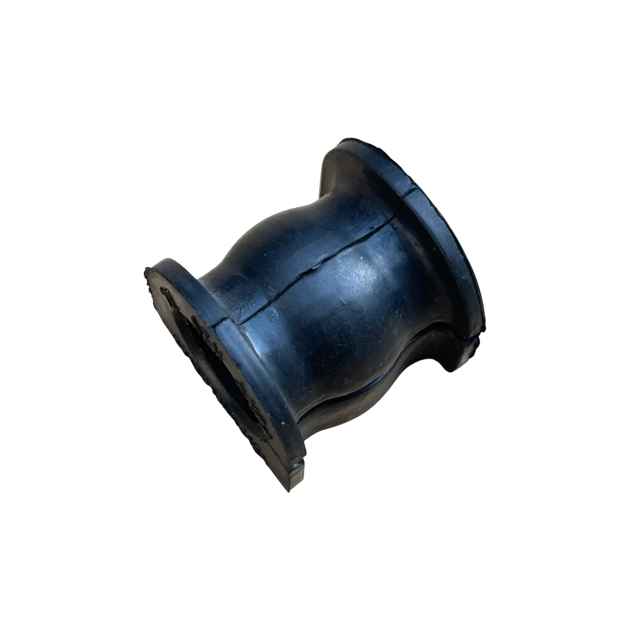
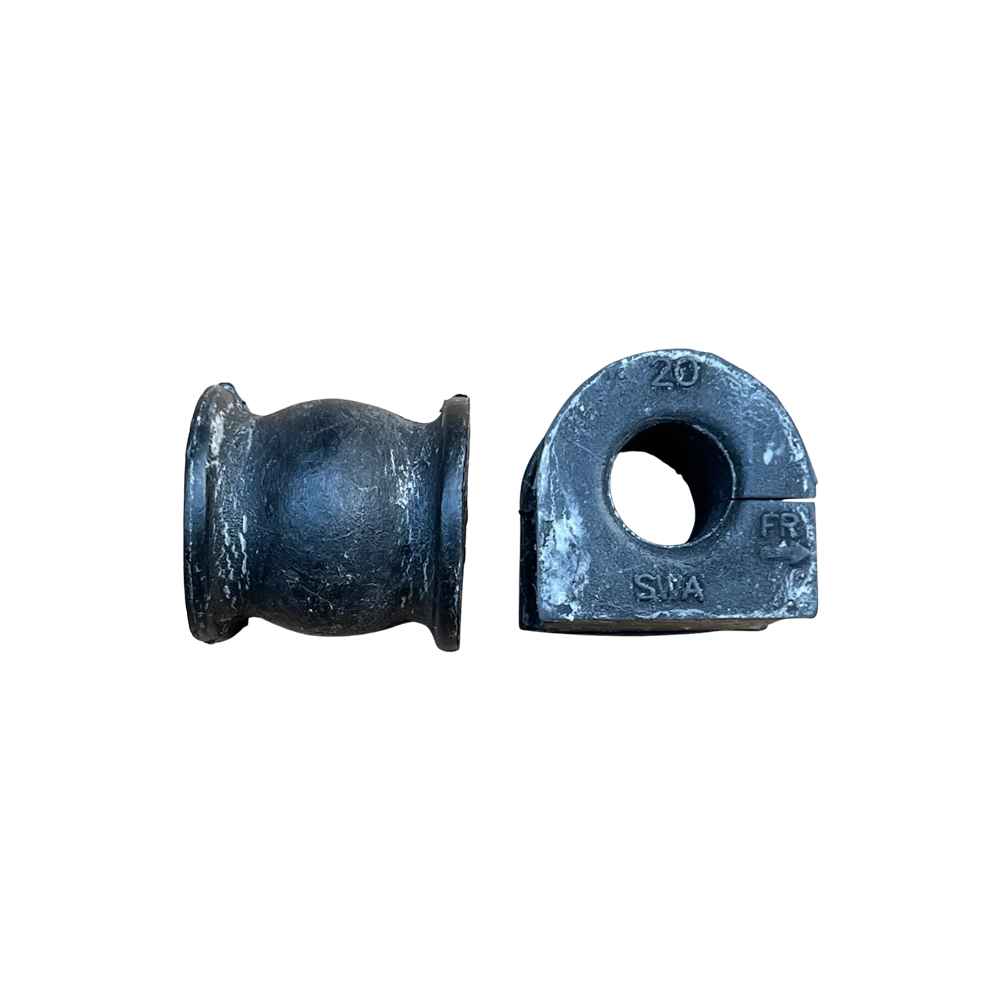
Stabilizer bar bushings provide cushioning and support for the sway bar (or stabilizer bar) in your vehicle. They are typically made from rubber or polyurethane and serve as a connection point between the sway bar and the vehicle chassis. Over time, these bushings can wear out, leading to a host of issues like noise and poor handling.
Signs You Need to Replace Your Stabilizer Bar Bushings
- Clunking Noises: If you hear clunking sounds when going over bumps, it could be a sign that your bushings have deteriorated.
- Poor Handling: A noticeable change in how your vehicle handles while turning might mean your bushings aren’t doing their job.
- Visible Wear: Check for cracks or excessive wear on the bushings themselves. If they look worn out, it's time to replace them.
Choosing the Right Bushings
Not all bushings are created equal, and choosing the right ones can make a significant difference in performance. Here are some factors to consider:
Material Matters
The material of the bushings is crucial. Rubber bushings tend to offer a comfortable ride, while polyurethane bushings are firmer and offer enhanced handling. Think about what suits your driving style best—whether you’re more into cruising or aggressive cornering.
Brand Quality
Opting for reputable brands like Guanghua can also ensure you get quality products. Sometimes, going for cheaper alternatives can be tempting, but remember, you often get what you pay for!
Installation Tips
Replacing stabilizer bar bushings may sound daunting, but it's quite manageable with the right tools and a little know-how. Here’s a quick rundown:
- Gather Tools: You'll need a jack, jack stands, socket set, and possibly a hammer.
- Lift the Vehicle: Safety first! Make sure you securely lift the vehicle before starting work.
- Remove Old Bushings: Take off the sway bar and carefully remove the old bushings. This step may require some elbow grease!
- Install New Bushings: Ensure they're oriented correctly and securely fitted.
Common Mistakes to Avoid
Even the most experienced DIYers can make mistakes. Here are a couple to watch out for:
Ignoring Torque Specifications
It's vital to adhere to the manufacturer’s torque specifications when tightening bolts. Not doing so can lead to premature failure of the bushings.
Forgetting Lubrication
Some bushing kits come with lubricant; don't skip this step! Proper lubrication can significantly extend the life of your new bushings.
Maintenance and Care
After you've replaced your stabilizer bar bushings, regular maintenance can keep them in top shape. Periodically inspect for signs of wear and tear, and don’t hesitate to check your vehicle’s alignment. Proper alignment can prevent uneven wear on these parts.
Conclusion
Investing time and resources in quality stabilizer bar bushings can enhance your vehicle's handling and overall performance. Whether you choose to go with rubber or polyurethane, opting for trusted brands ensures you get the durability you need. Don’t forget to follow correct installation practices and maintain your vehicle regularly. Your ride will thank you!