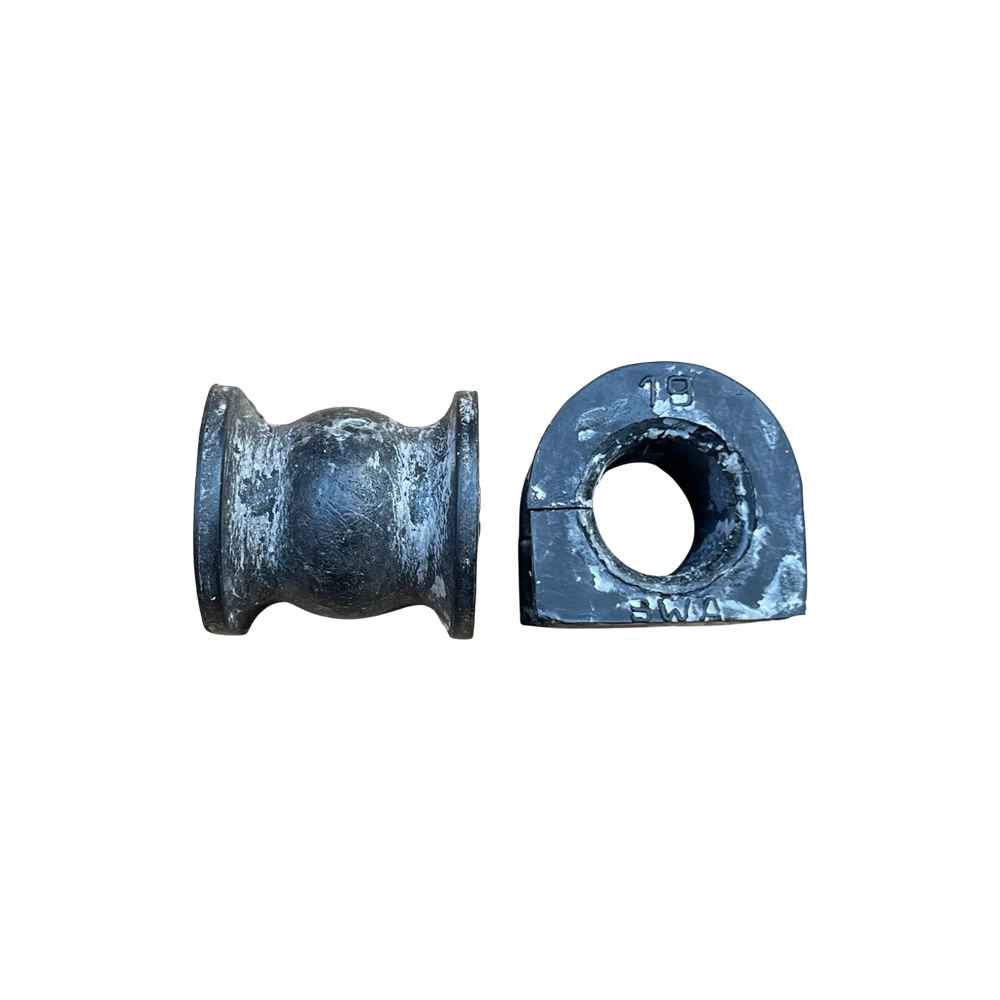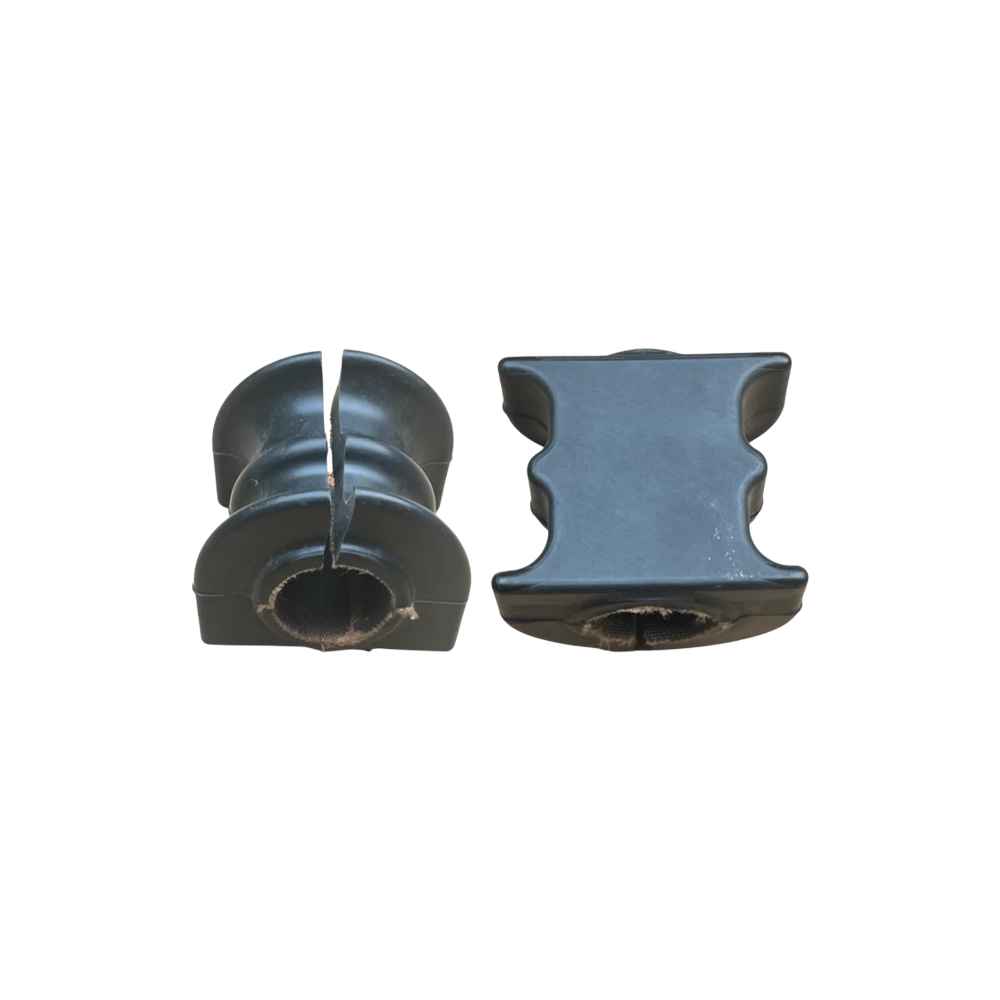
Understanding Anti-Roll Bar Bushings
When it comes to enhancing the performance of off-road vehicles, anti-roll bar bushings play a crucial role. These little rubber components are essential for maintaining stability and improving handling during those wild rides on rugged terrain. You might be wondering, what makes a good bushing? Let's dive into that.
What Are Anti-Roll Bar Bushings?
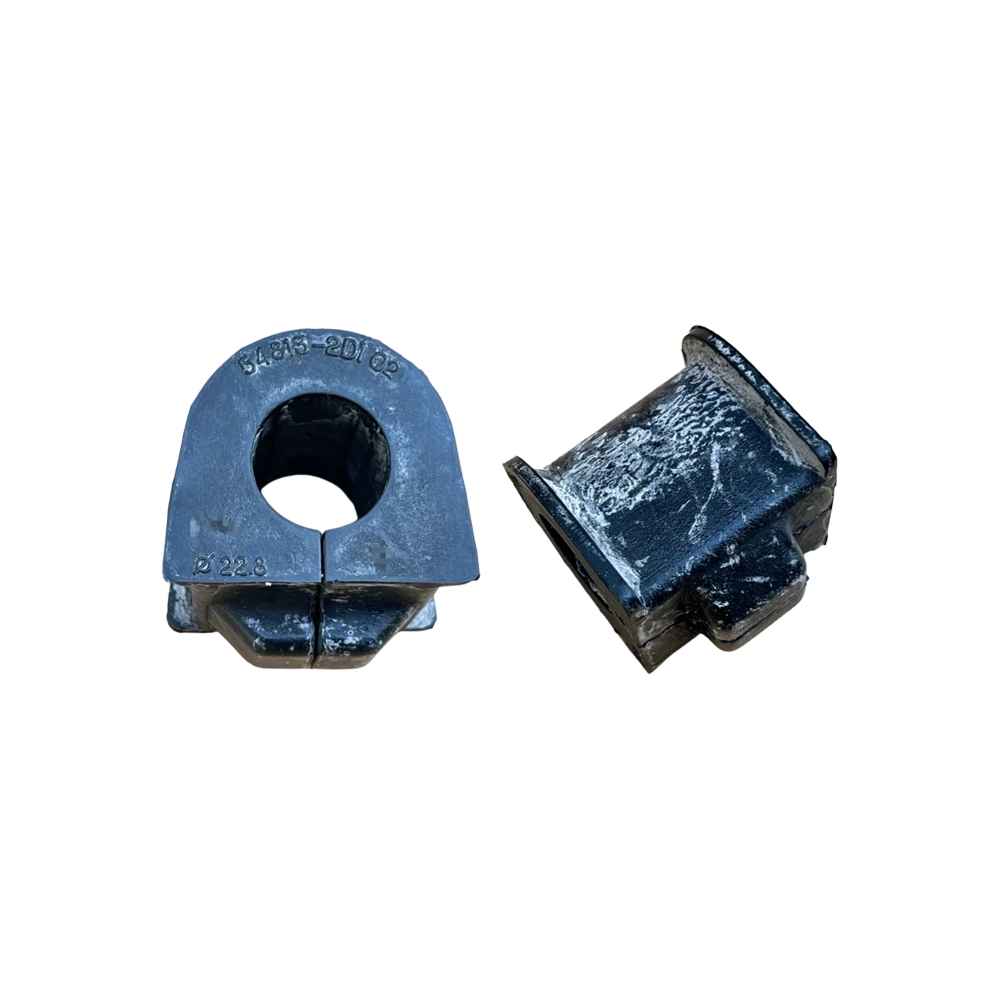
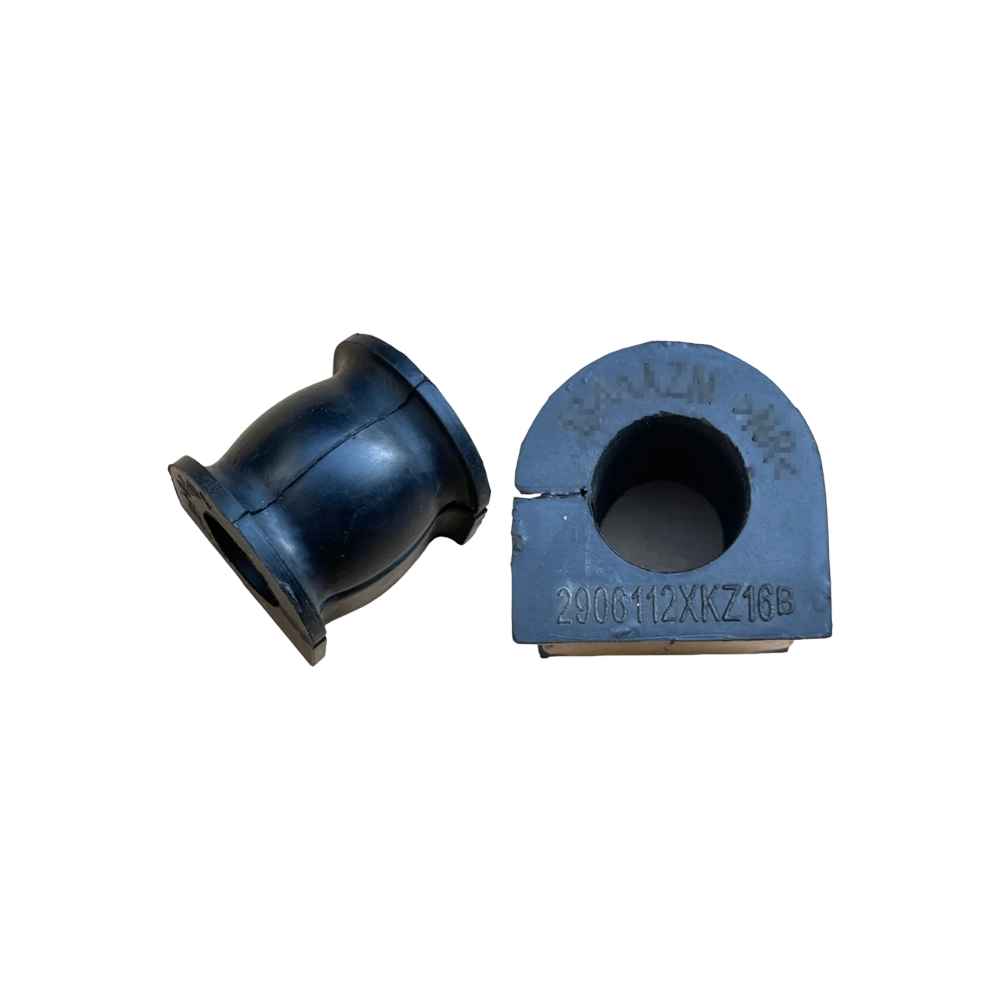
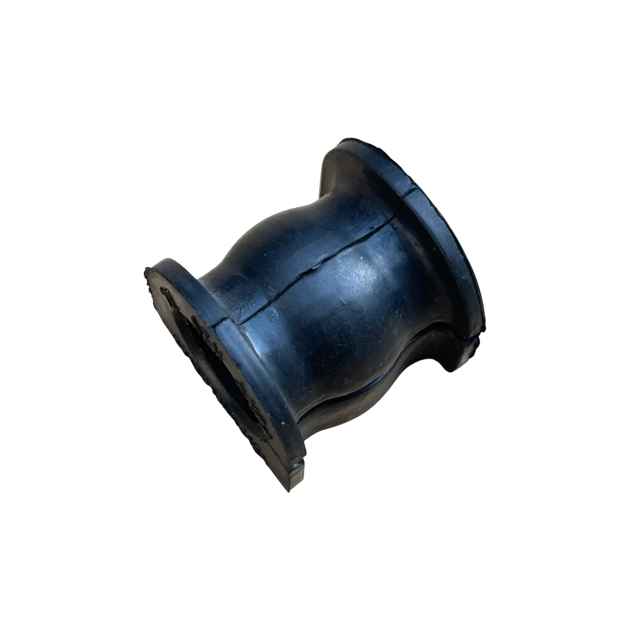
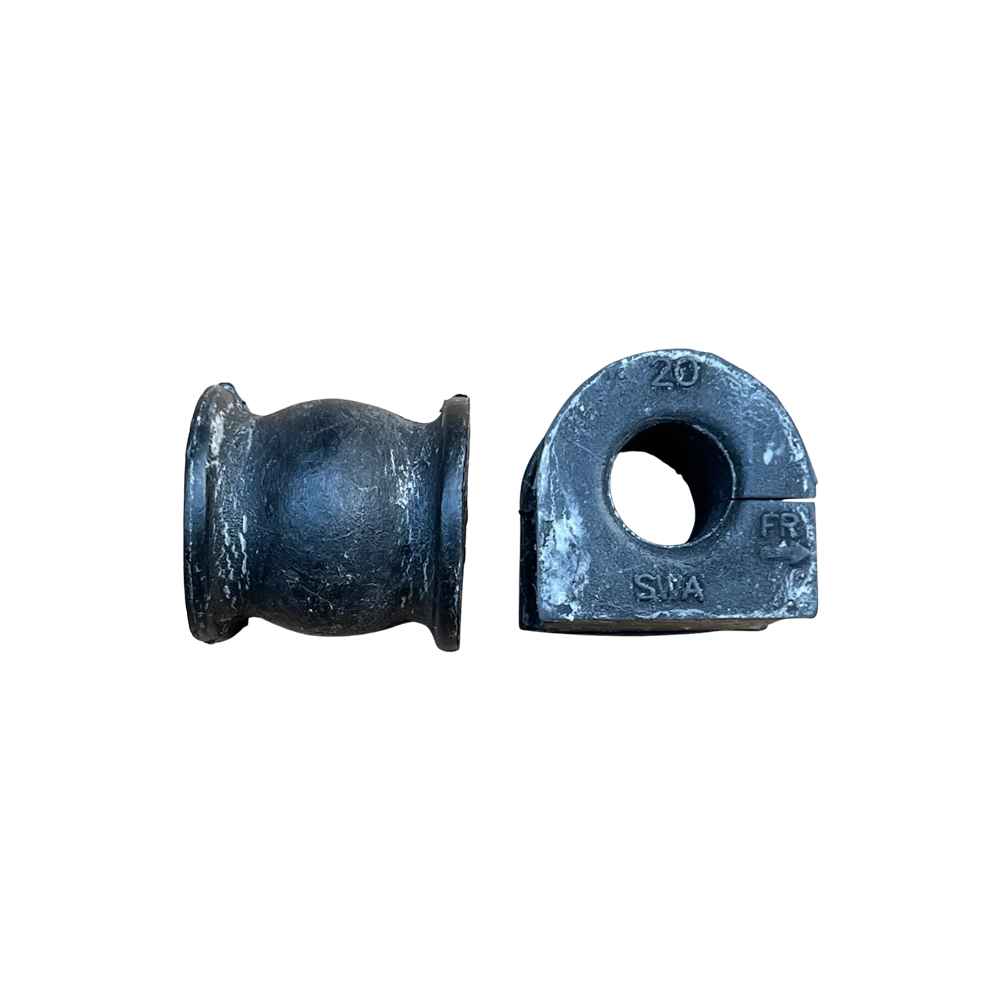
Anti-roll bar bushings are designed to connect the anti-roll bar to the vehicle's chassis. They help absorb shocks and vibrations, ensuring a smoother ride while also reducing body roll during cornering. In high-performance scenarios, the choice of material and design can significantly impact your vehicle's handling characteristics.
The Importance of ISO Certification
Now, you may not think much about certifications when it comes to these components, but ISO certification is often a sign of quality and reliability. Manufacturers like Guanghua have stepped up their game to meet these international standards, providing products that withstand rigorous testing and offer durability in harsh conditions.
Choosing the Right Material
When selecting anti-roll bar bushings, the material matters a lot. Standard rubber bushings can wear out quickly under extreme conditions, which is why many opt for polyurethane options instead. Polyurethane offers better resistance to wear and tear, plus it enhances responsiveness, allowing for sharper handling. Just keep in mind that while they’re great for performance, they can be a bit stiffer and transmit more road noise. So, it’s a bit of a trade-off.

Compatibility with Other Components
- Check the compatibility with your Steering Rack Boots to ensure seamless integration.
- Make sure your Shock Absorber Boots are in good condition as they work together with the bushings.
- Consider O-Rings & Rubber Sealing Rings for added protection against dirt and moisture.
Sourcing Tips for High-Performance Upgrades
Finding the right supplier can be tricky. Look for companies that specialize in off-road upgrades and have a solid reputation in the market. Don't hesitate to reach out and ask about their ISO certifications; reputable suppliers won't shy away from discussing their quality assurance processes.
Evaluating Supplier Credentials
Before pulling the trigger on a purchase, evaluate potential suppliers' credentials and reviews. A well-established company will likely have testimonials or reviews available online. If you're considering Guanghua, check if they have any partnerships with recognized automotive brands, which can serve as a sort of endorsement.
Installation Considerations
Once you've sourced your anti-roll bar bushings, proper installation is key. While it may seem straightforward, don’t underestimate the importance of precision here. Misalignment can lead to uneven wear and compromise performance. If you’re not feeling confident, it’s worth consulting a pro or even getting it done at a shop specializing in off-road modifications.
Maintenance After Installation
After installation, regular checks are vital. Inspect your bushings along with other suspension components, like the stabilizer bar bushings. They should remain firm and intact—if you notice cracks or excessive wear, it's time to replace them. Staying proactive can save you from bigger issues down the road.
Final Thoughts on Performance Upgrades
Enhancing your off-road vehicle is all about finding the right balance. Anti-roll bar bushings are just one piece of the puzzle, yet they can have a significant impact on how your vehicle performs. Whether you go for polyurethane or stick with rubber, always prioritize sourcing from reputable suppliers and ensure they meet ISO standards for the best results. And who knows, maybe your next adventure will feel smoother than ever!