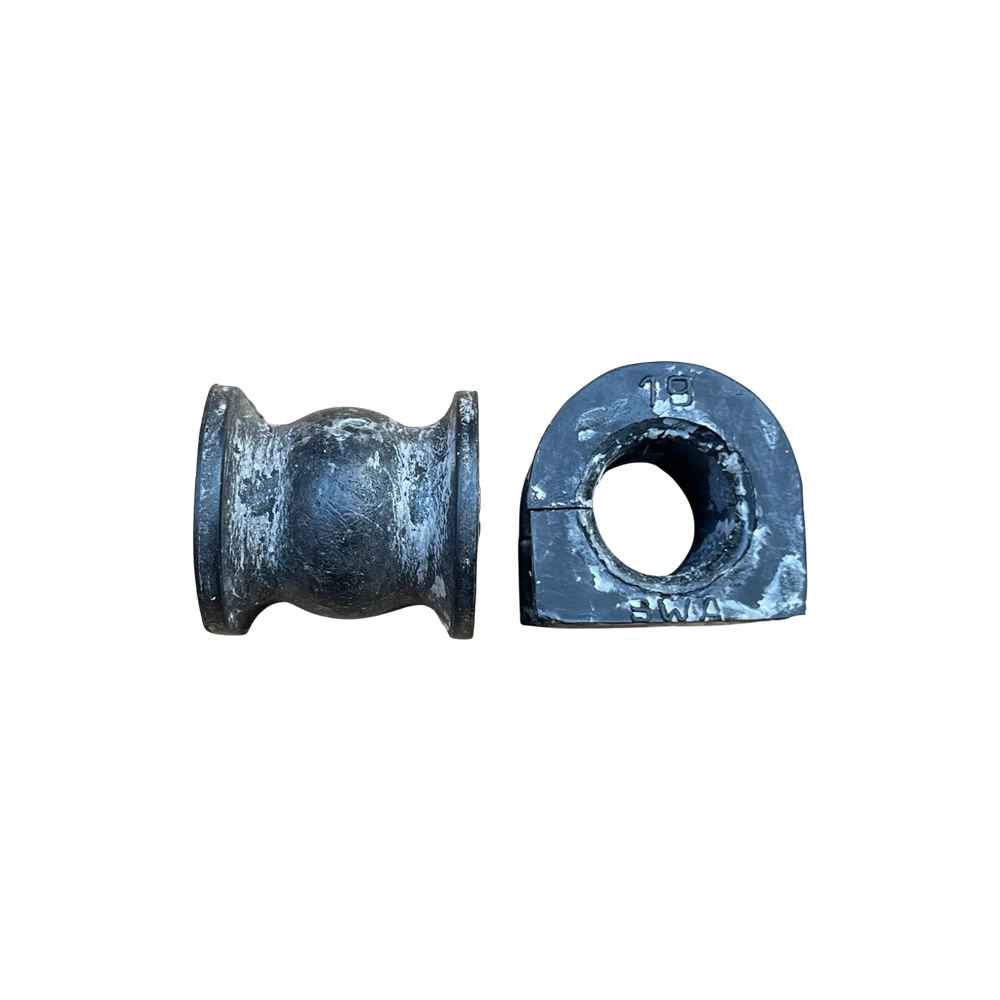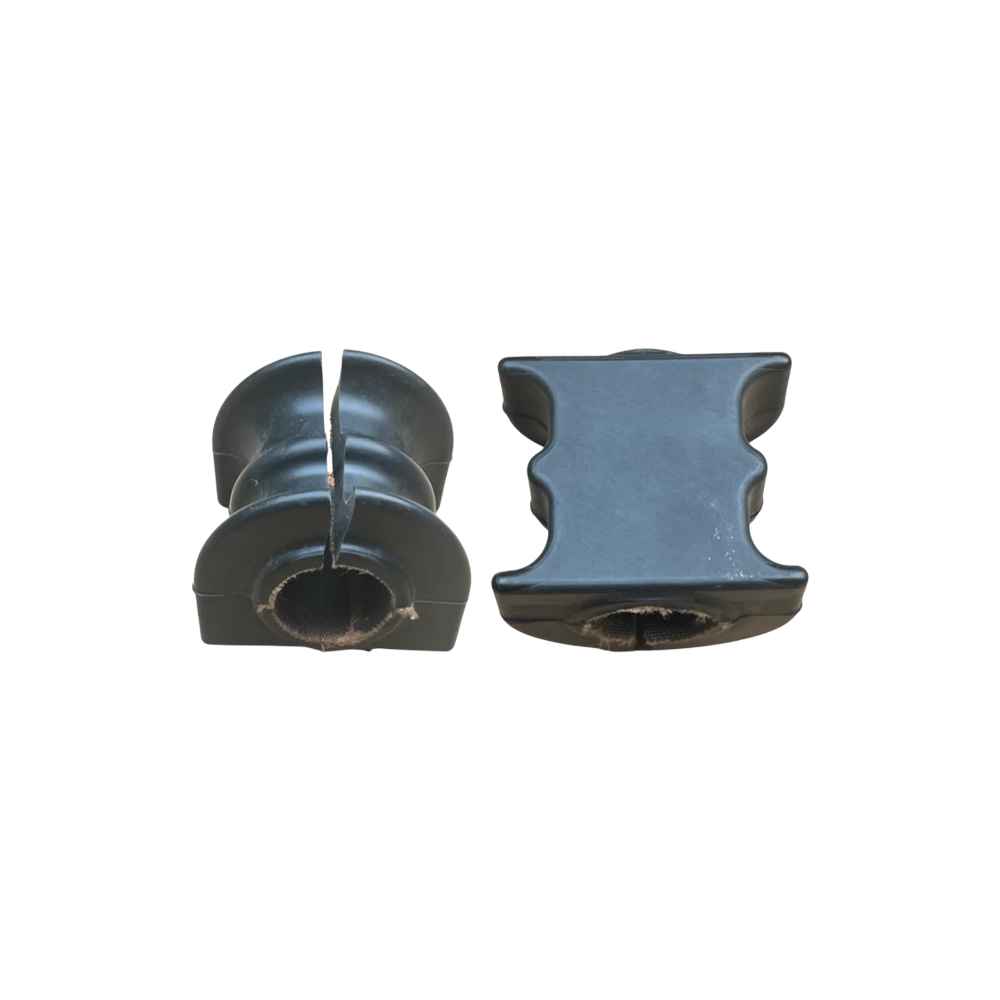
Understanding Anti-roll Bar Bushings
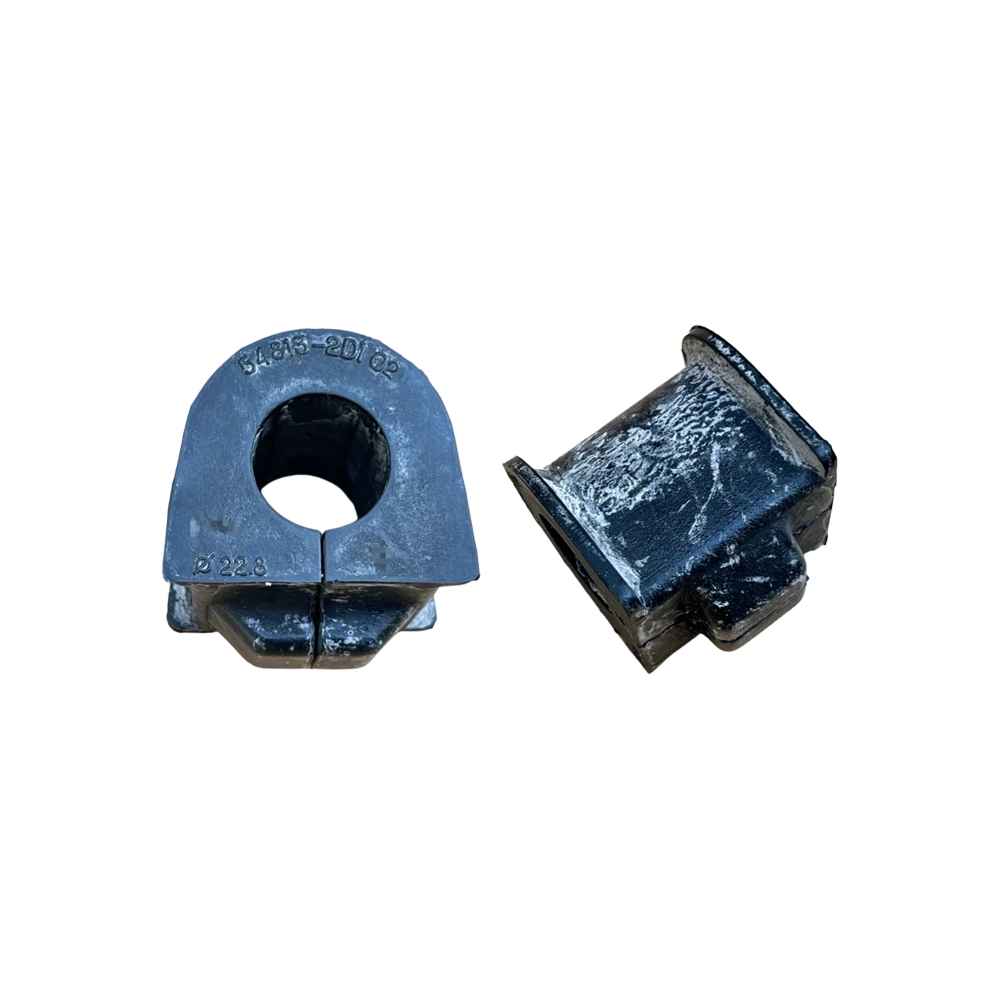
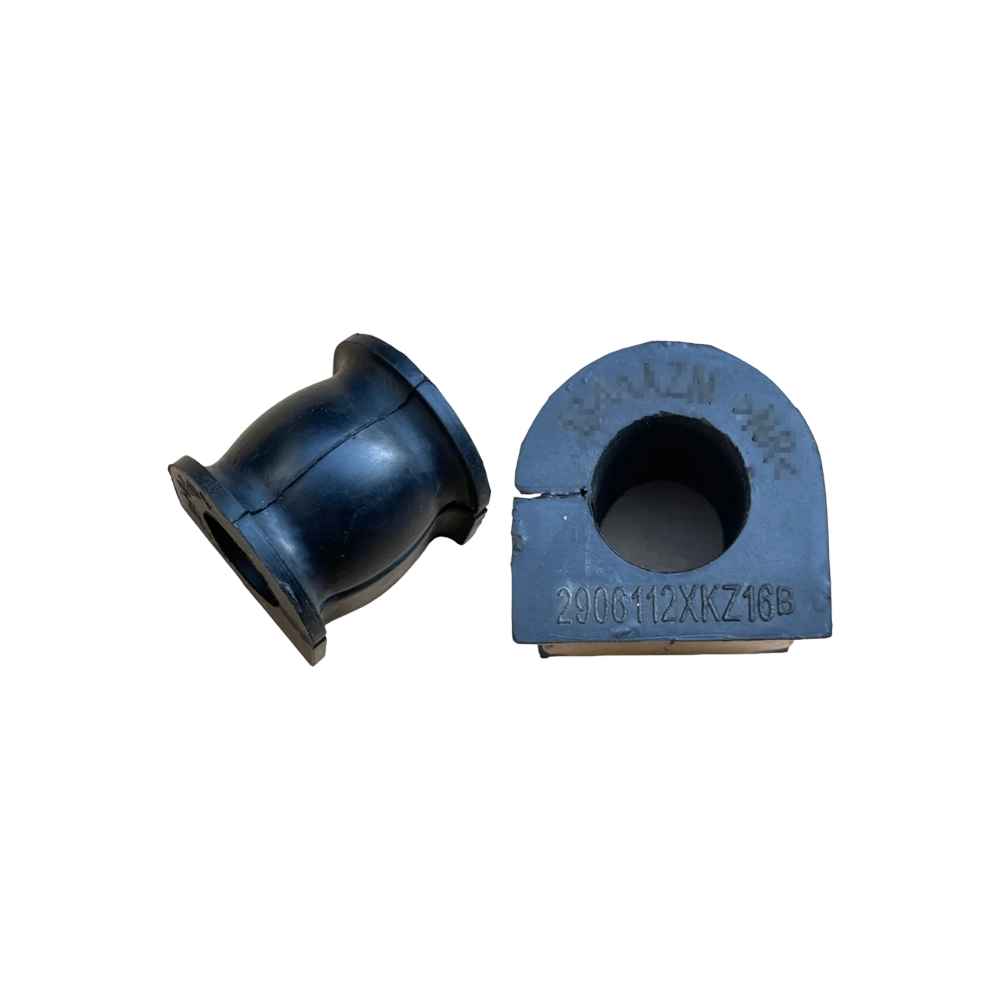
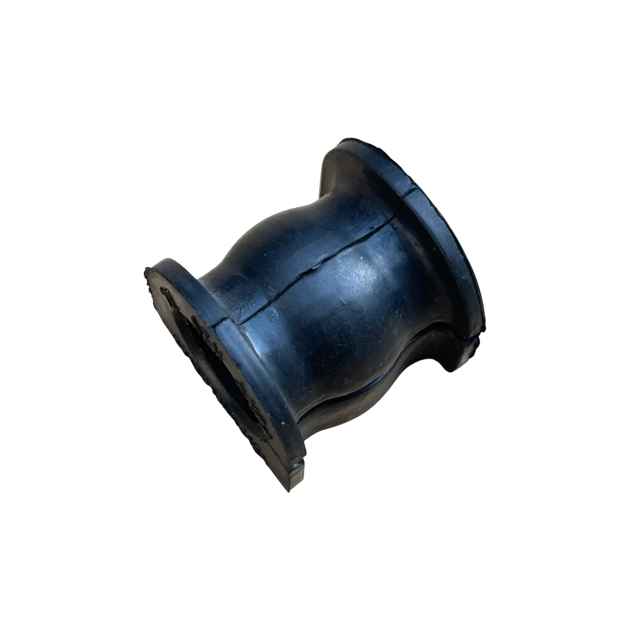
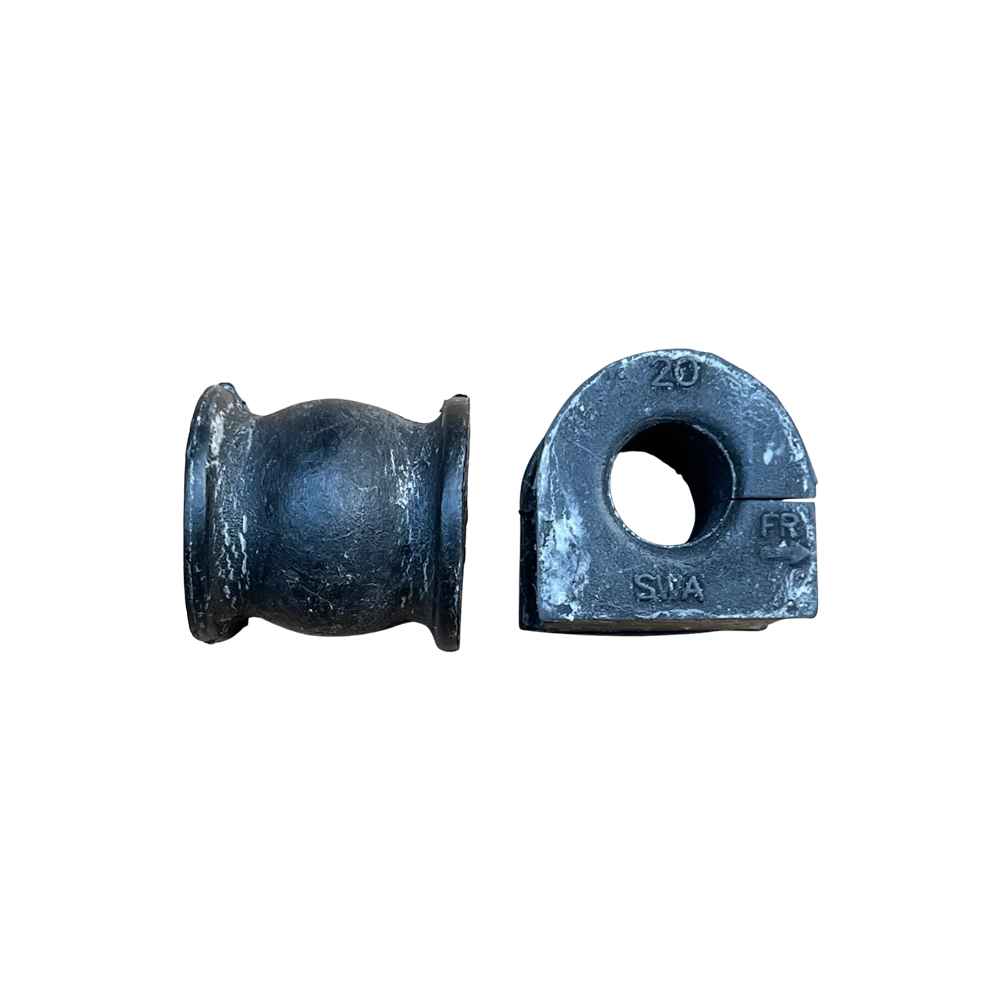
In the automotive industry, anti-roll bar bushings play a critical role in enhancing vehicle stability and handling. These components help to minimize body roll during cornering, ensuring that drivers experience improved control and comfort. Sourcing high-quality anti-roll bar bushings for both OEM and aftermarket applications requires a nuanced understanding of materials, design standards, and supplier reliability.
Types of Anti-roll Bar Bushings
There are primarily two types of anti-roll bar bushings: rubber and polyurethane. Each type offers distinct advantages depending on the application.
- Rubber Bushings: Known for their excellent noise dampening characteristics, rubber bushings provide a comfortable ride but may wear out faster under extreme conditions.
- Polyurethane Bushings: These are more durable and offer better performance, especially in high-performance or off-road vehicles. However, they can transmit more road noise.
Key Considerations When Sourcing
When looking for suppliers, it's essential to evaluate several factors that ensure the quality and longevity of the products.
- Material Quality: Ensure that the bushings are made from high-grade materials that can withstand various environmental conditions.
- Compliance with Standards: Look for suppliers who comply with international automotive standards. This includes ISO certifications and any specific requirements set by car manufacturers.
- Testing Procedures: Reliable suppliers often have rigorous testing procedures in place to validate the durability and performance of their bushings.
- Customization Options: Depending on your needs, some suppliers might offer customization options for specific vehicle models.
Sourcing Strategies for B2B Wholesale Suppliers
Finding the right anti-roll bar bushing supplier involves strategic planning and research. Below are some effective approaches.
Evaluation of Supplier Capabilities
Before finalizing a partnership, evaluating a supplier’s production capabilities is crucial. For instance, a company like Guanghua specializes in producing a variety of automotive components, including Stabilizer Bar Bushings . It’s advisable to inquire about their production processes, lead times, and scale of operations.
Building Relationships
Long-term partnerships with reliable suppliers can lead to favorable pricing and priority service. Attend trade shows or industry events where you can meet potential suppliers face-to-face. Personal connections often yield better agreements than cold calls or emails.
Negotiating Contracts
Once you’ve identified potential suppliers, it’s time to negotiate contracts. Be clear about your expectations regarding quality, delivery schedules, and payment terms. Don’t hesitate to discuss penalties for non-compliance to protect your business interests.
Quality Control Measures
Implementing robust quality control measures ensures that the parts meet specified standards before they reach consumers. Here’s how to go about it:
Regular Inspections
Conduct regular inspections of received shipments. Check for any visible defects or inconsistencies in dimensions. This is particularly important for critical components like the anti-roll bar bushings, as any deviation could affect vehicle safety.
Third-party Testing
Consider third-party testing for quality assurance. Independent labs can conduct tests on material strength, elasticity, and overall performance, allowing you to verify that the products adhere to industry standards.
Cost Management in Sourcing
Cost considerations are always at the forefront when sourcing components. While it might be tempting to choose the lowest-priced option, keep in mind the long-term implications of quality over cost.

Bulk Purchasing Benefits
Buying in bulk often leads to discounts, but ensure that you can store these parts without compromising their quality. Factors such as temperature and humidity can affect items like CV Joint Boots or Steering Rack Boots if not stored properly.
Long-term vs. Short-term Costs
Always analyze the long-term costs associated with low-quality products versus higher-quality components. In many cases, investing in premium bushings from reputable brands pays off in reduced maintenance and enhanced vehicle performance.
Conclusion
In summary, sourcing anti-roll bar bushings for both OEM and aftermarket applications is a multifaceted process that revolves around quality, supplier reliability, and cost management. By focusing on these key elements, businesses can ensure that they make informed decisions that ultimately lead to satisfied customers and successful operations.