Understanding CV Joint Boots
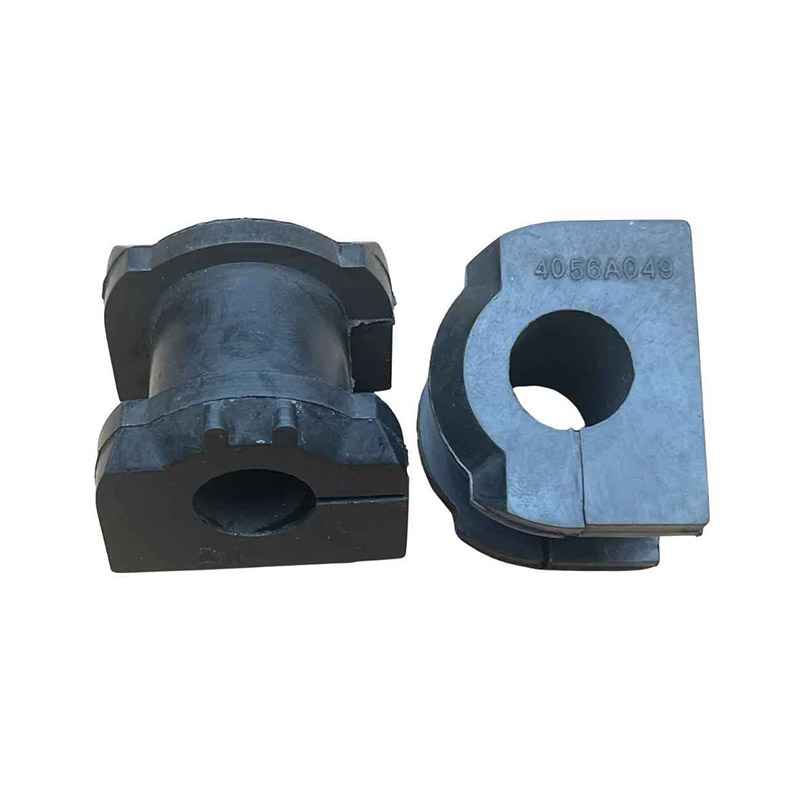
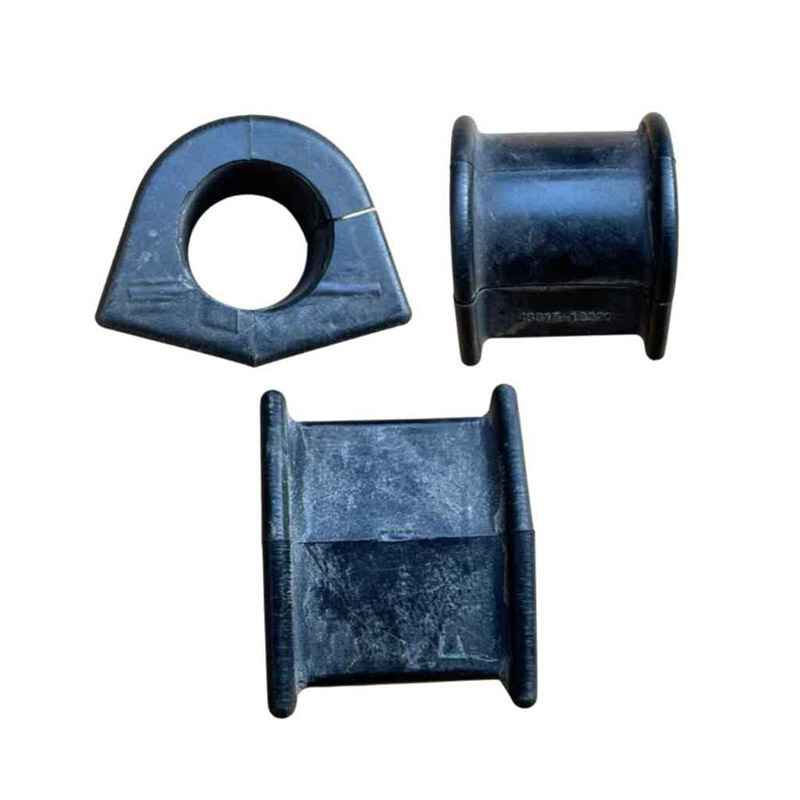
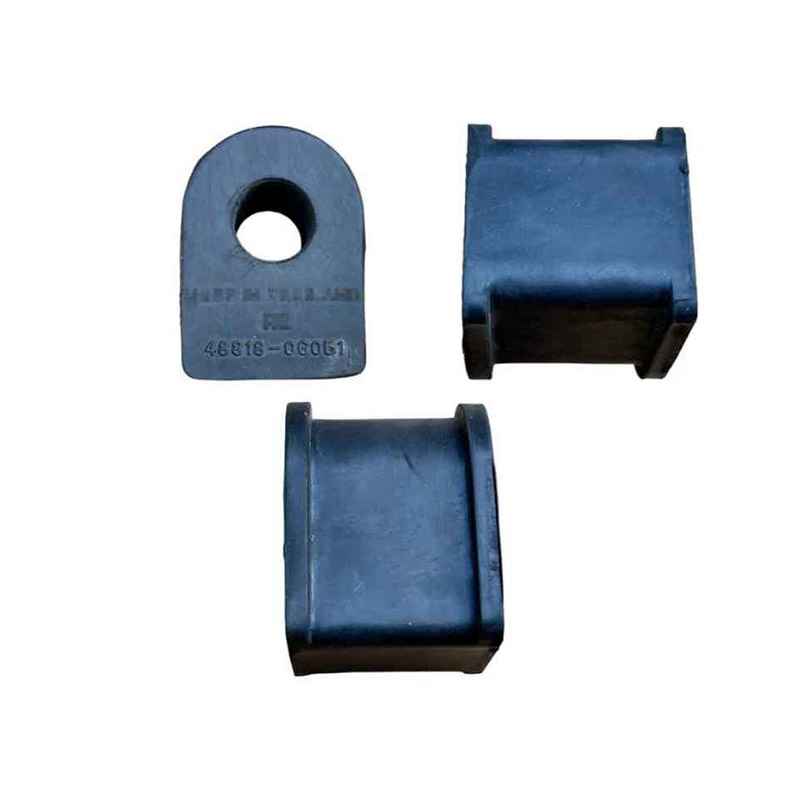
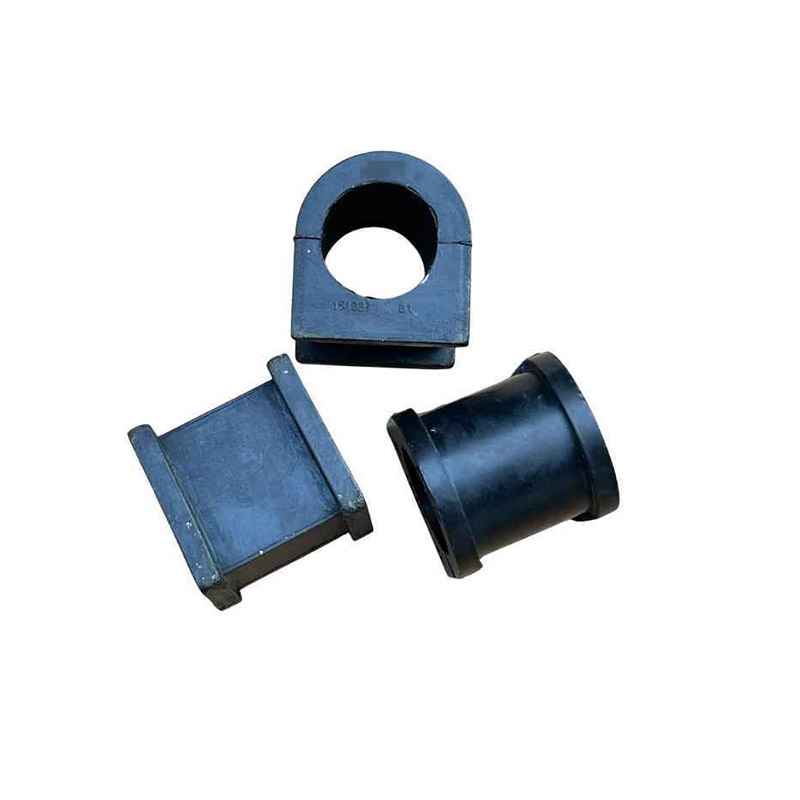
CV Joint Boots are essential components in any chassis steering and suspension system. They protect crucial parts from dirt, debris, and moisture. But sourcing the right ones? That's an art and a science!
Why Quality Matters
Imagine, for a second, your vehicle's performance plummeting due to a mere rubber boot failure. Surprising, isn't it? It’s like using a subpar O-ring in a high-pressure environment—disastrous! When looking for CV Joint Boots , you’re not just buying rubber; you’re investing in safety and reliability.
Key Standards
- TS16949 Certification
- ISO Certified Manufacturer Standards
These certifications ensure that the manufacturer adheres to stringent quality control measures, minimizing defects. Guanghua, for instance, stands out with its commitment to these standards, providing robust products that withstand the test of time.
Evaluating Manufacturers
Choosing the right manufacturer can feel overwhelming. Consider this: How many times have you faced long lead times or poor customer service? Look beyond the brand name. Ask about their production processes, material sourcing, and testing methodologies. A reliable partner won’t hesitate to share these details.
Material Selection
How important is material selection? Extremely! The longevity of a CV joint boot depends greatly on its composition. High-quality rubber compounds resist cracking and wear. Plus, they need to endure extreme temperatures and pressures. Did you know that substandard materials can lead to frequent replacements and costly repairs?
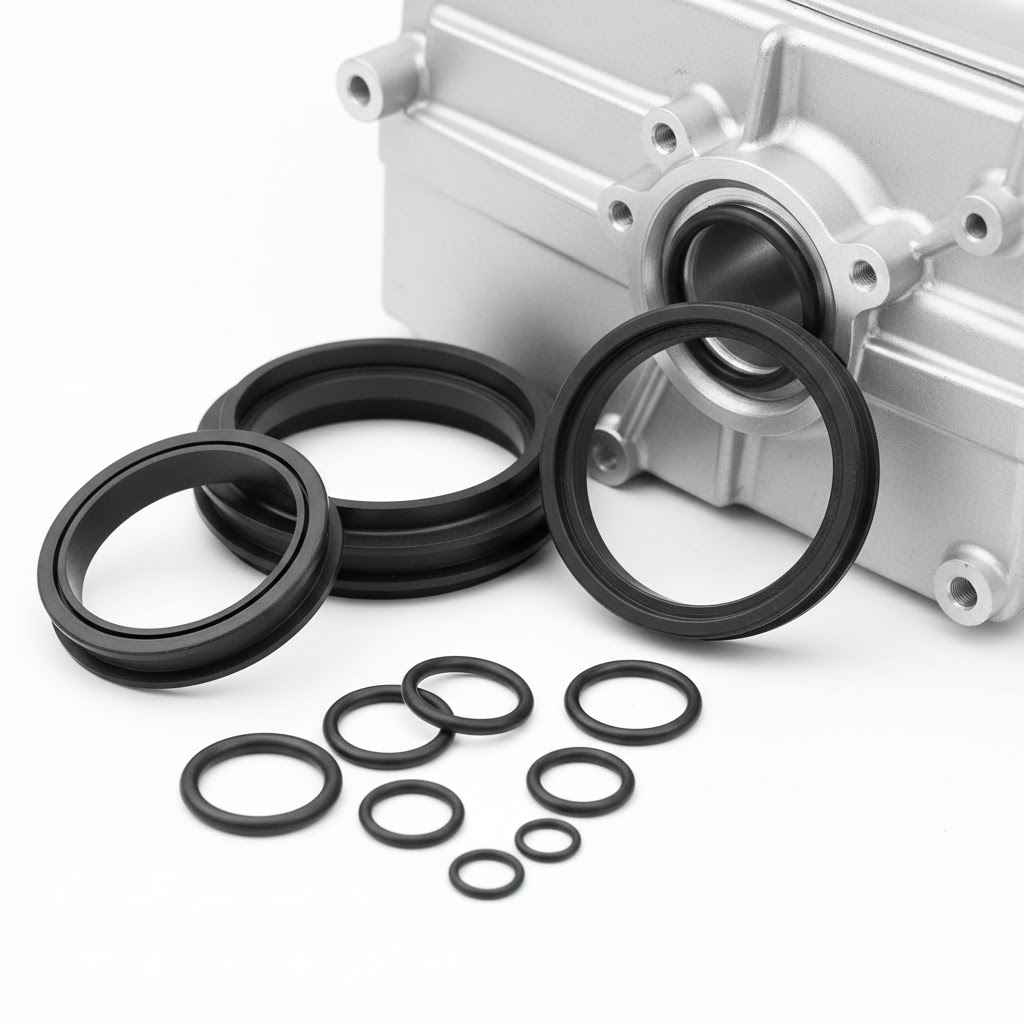
Common Materials Used
- Nitrile Rubber
- Polyurethane
- Silicone Rubber
Each of these materials has its advantages. For instance, nitrile rubber offers excellent resistance to oil, while silicone boasts superior heat stability. Weighing these options against your specific vehicle requirements is paramount.
Real-World Application: Case Study
A mid-sized automotive company recently switched suppliers for their CV joint boots. Why? They were tired of constant complaints regarding premature failures. The new supplier, boasting ISO certification, promised enhanced durability. Fast forward six months—the complaint rate dropped by over 70%! That’s a tangible difference.
Performance Testing
Testing protocols vary widely among manufacturers. Some may rely solely on visual inspections, while others deploy rigorous performance assessments. So, which method is foolproof? Is there even such a thing? It’s essential to partner with those who prioritize thorough testing, ensuring every batch meets or exceeds expectations.
Testing Methods to Evaluate
- Dynamic Cycle Testing
- Environmental Resistance Testing
- Fatigue Analysis
These tests reveal critical information about how a CV joint boot performs under various conditions, confirming its reliability before reaching the market.
Sourcing Strategies
Think globally, act locally. It’s easy to get enamored with international suppliers promising lower prices. However, have you considered freight costs, lead times, and potential language barriers? Local suppliers often offer faster service, immediate feedback, and easier communication—a significant advantage!
Top Brands to Consider
- Guanghua
- Moog
- ACDelco
These brands are well-regarded for their commitment to quality and adherence to industry standards. They have strong reputations in the market—and rightly so.
Conclusion: Final Thoughts
At the end of the day, sourcing CV joint boots isn’t just about price. It’s about value—value delivered through durability, safety, and performance. The next time you’re in the market, remember: not all boots are created equal. Choose wisely!