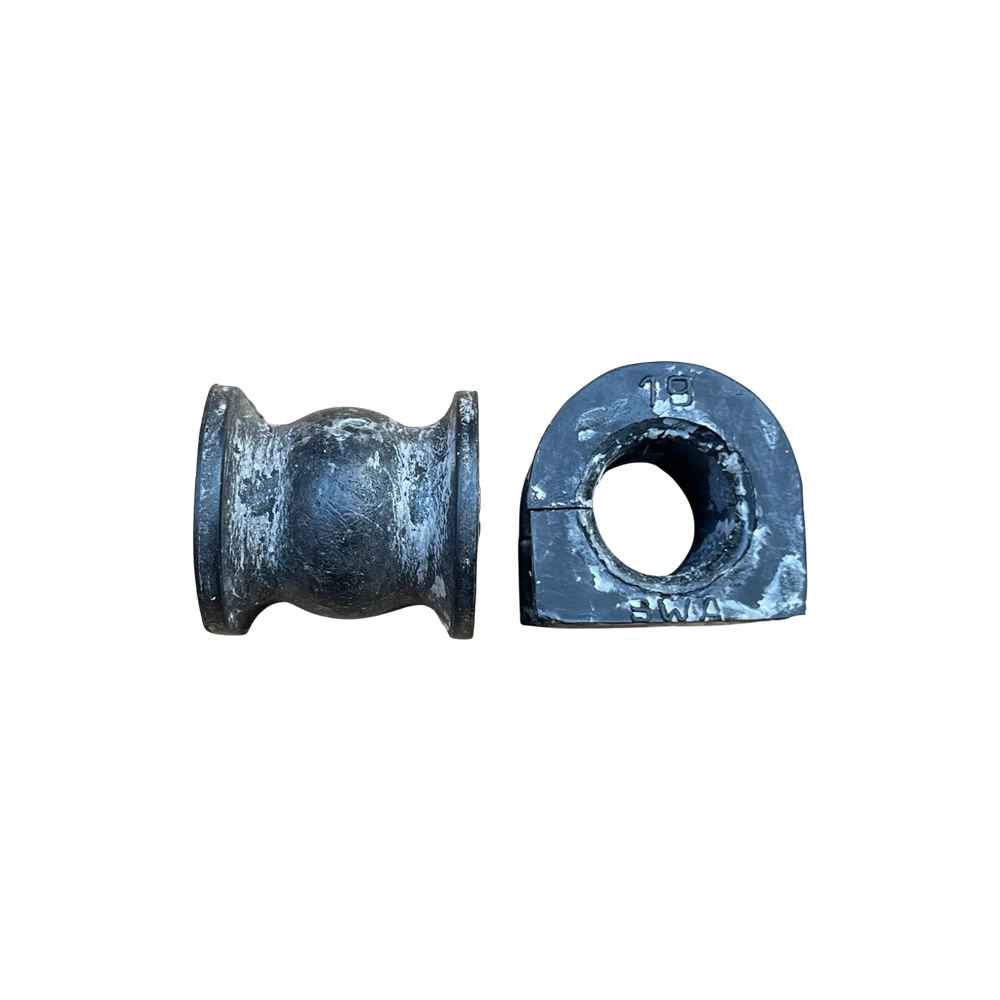
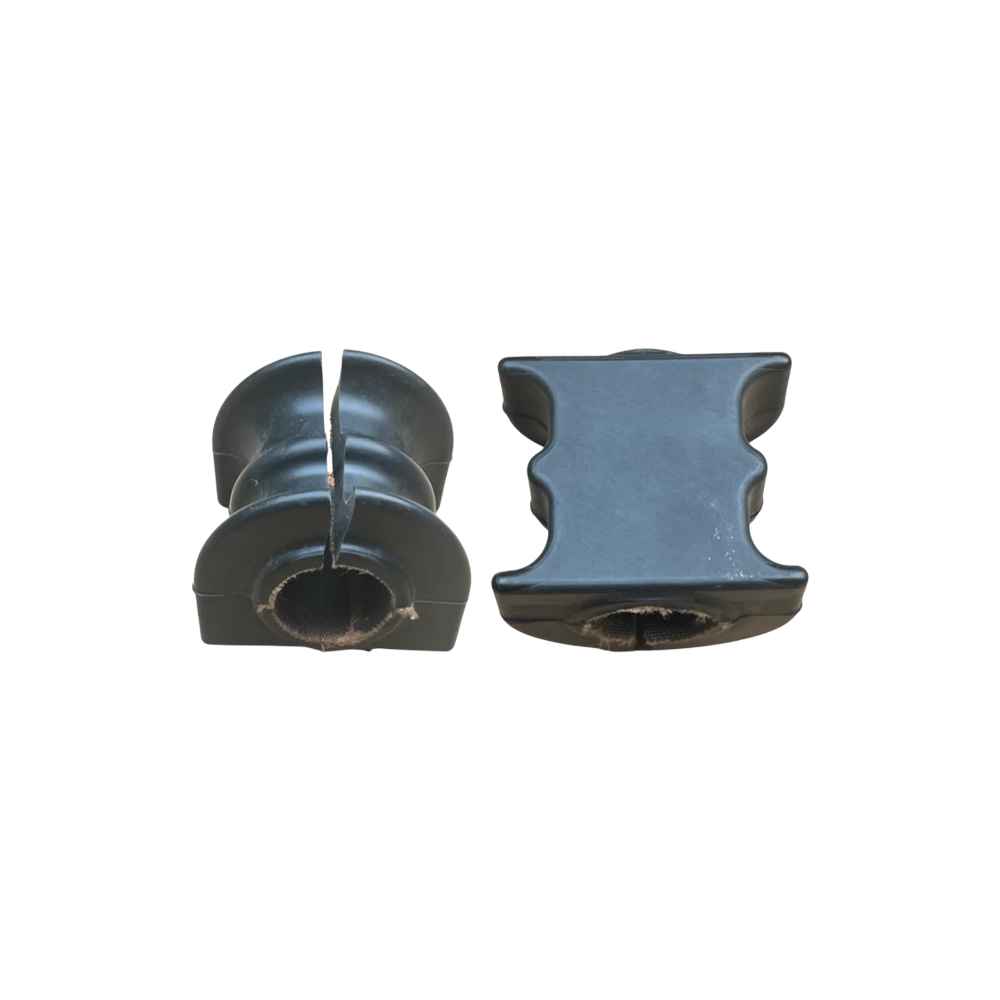
Understanding Engine Gaskets: The Basics
Engine gaskets play an essential role in ensuring the efficiency and longevity of both OEM and aftermarket engine components. They serve as seals between two or more mating surfaces, preventing leaks and maintaining pressure within various engine systems. With increasing demand for high-quality parts, it's crucial to understand what goes into sourcing these vital components.
Types of Engine Gaskets
There are several types of gaskets used in engine assemblies, each designed for specific applications:
- Valve Cover Gasket : This gasket is critical in sealing the valve cover to the cylinder head, preventing oil leaks that can lead to engine damage.
- Oil Pan Gasket: It creates a seal between the engine block and oil pan, ensuring that oil stays contained within the system.
- Head Gasket: An important component that seals the cylinders to prevent combustion gases from escaping into the coolant or oil.
- Intake Manifold Gasket: This part seals the intake manifold to the engine block, allowing proper air-fuel mixture flow.
Sourcing Standards: Why ISO Certification Matters
When sourcing engine gaskets, especially for OEM and aftermarket parts, adhering to ISO certified standards is non-negotiable. These standards ensure quality and consistency, reducing the chances of premature failures due to poor manufacturing practices.
The Benefits of ISO Certification
Choosing suppliers with ISO certification brings several benefits:
- Quality Assurance: ISO certified manufacturers follow strict guidelines, which leads to higher product reliability.
- Improved Performance: Gaskets manufactured under these standards generally show better performance, extending the lifespan of engine components.
- Global Acceptance: Products sourced from ISO certified suppliers are recognized worldwide, facilitating easier logistics and distribution.
Key Considerations When Sourcing Engine Gaskets
Sourcing the right gaskets requires attention to detail and thorough research. Here are some key factors to consider:
Material Selection
The material of the gasket plays a pivotal role in its effectiveness. Common materials include:
- Rubber: Often used for valve cover gaskets, known for flexibility and resistance to oils.
- Cork: Generally used in oil pans; it provides good sealing properties at a low cost.
- Metal: Typically used for head gaskets; they offer durability and high-temperature resistance.
Compatibility and Fitment
Ensure that the gaskets you choose match the specifications of the engine model you're working with. Using incorrect gaskets can lead to significant issues, including leaks and engine overheating.
Supplier Reputation
Choosing reputable suppliers, such as Guanghua, can simplify the sourcing process. Conducting background checks through reviews and ratings can provide insights into their reliability and product quality. Make sure they have a proven track record in supplying high-quality engine gaskets.
Quality Control Measures in Production
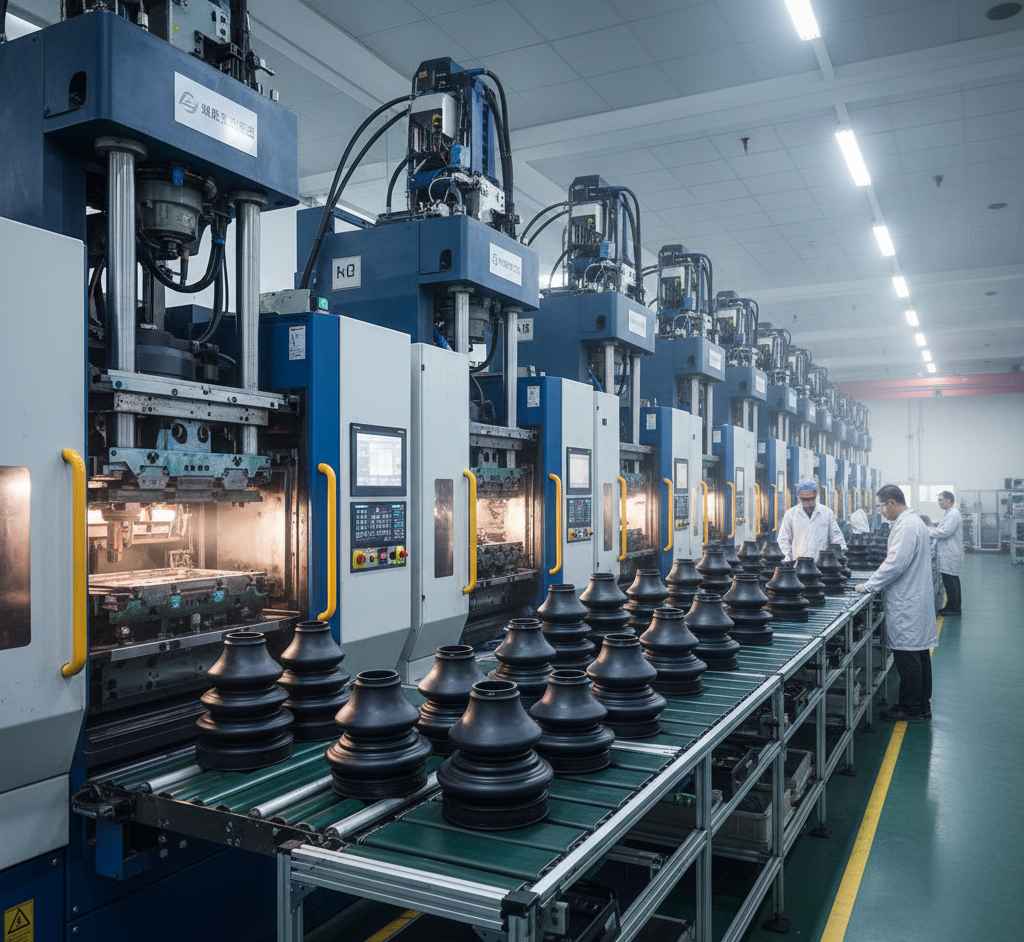
A strong quality control system is paramount in gasket production. It's essential to look for suppliers that implement rigorous testing protocols, including:
- Dimensional Inspection: Ensuring all gaskets meet exact size specifications.
- Material Testing: Checking the integrity of materials used to manufacture gaskets.
- Leak Testing: Verifying that the gaskets perform well under pressure conditions.
Aftermarket Parts: Ensuring Equivalent Quality
While OEM parts are often seen as the gold standard, the aftermarket segment can provide equally effective solutions when sourced properly. Look for gaskets that explicitly state compliance with ISO standards to ensure comparable quality. Remember, not all aftermarket products are created equal, so doing thorough research is vital.
Common Issues with Gaskets
Even high-quality gaskets can face problems. Some common issues include:
- Compression Failures: This occurs when the gasket doesn’t seal correctly due to insufficient compression.
- Material Degradation: Over time, exposure to heat and chemicals can weaken gasket material, leading to leaks.
- Installation Errors: Improper installation can cause significant issues, even if the gasket itself is of high quality.
Future Trends in Gasket Technology
As technology advances, gasket manufacturing continues to evolve. Innovations in materials are leading to lighter, stronger, and more resilient options, enhancing performance and reliability. Additionally, sustainable practices are becoming increasingly important, with a shift towards eco-friendly materials in gasket production.
Conclusion
Sourcing engine gaskets for OEM and aftermarket parts replacement is a multifaceted process that demands careful consideration. From understanding the types of gaskets to selecting suppliers that adhere to ISO standards, every decision impacts the overall functionality of the engine. By focusing on quality and compatibility, professionals can ensure optimal performance and longevity in their engine operations.