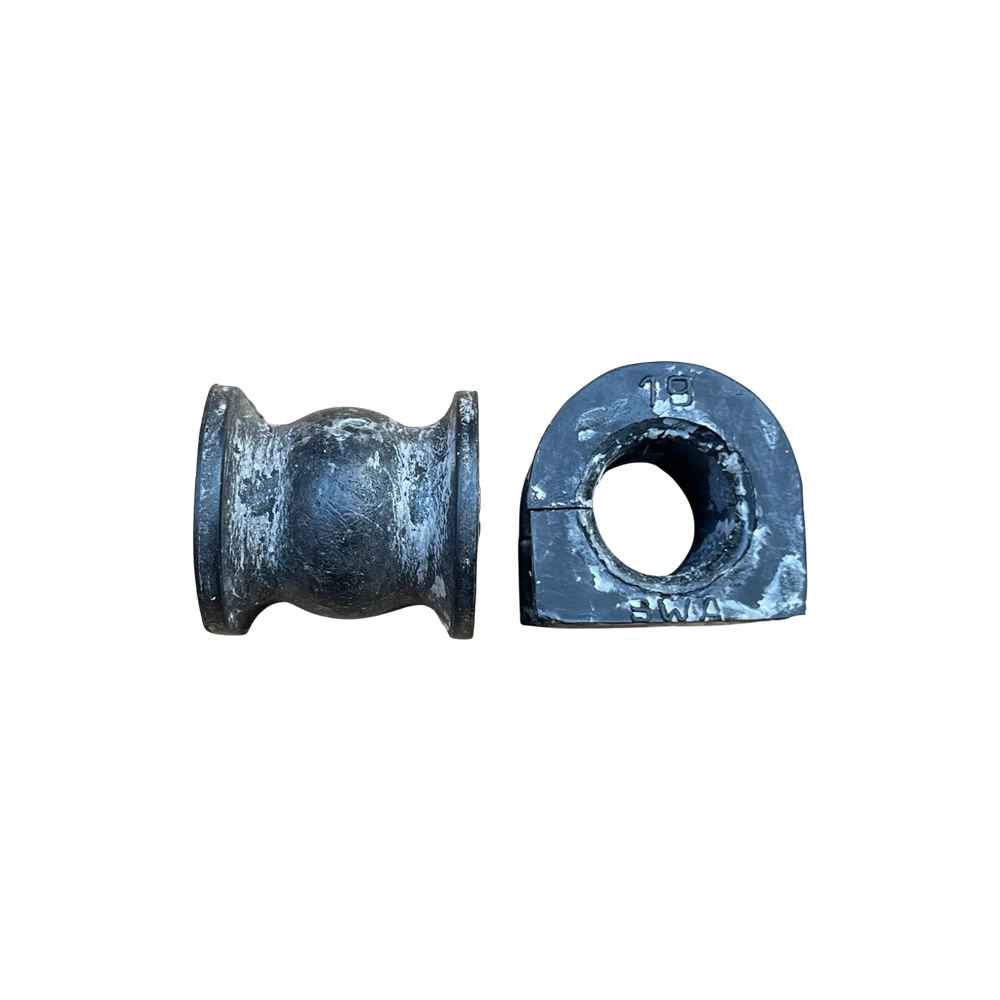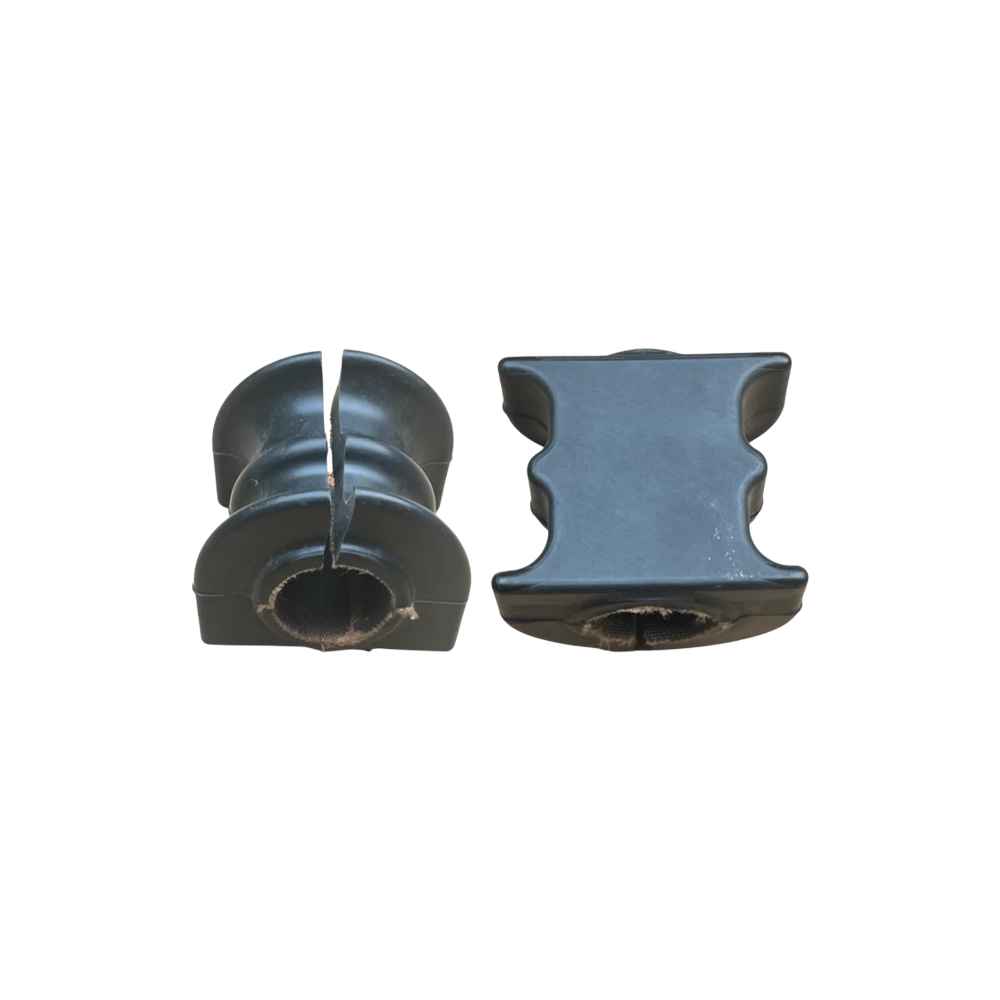
Understanding the Importance of Sway Bars in Chassis Systems
In the realm of automotive engineering, sway bars are integral components that play a pivotal role in enhancing vehicle stability and handling. Whether we are discussing front or rear sway bars, their primary function is to reduce body roll during cornering, thus providing a smoother and safer driving experience.
The Role of Sway Bars in Suspension Systems
Sway bars, also known as stabilizer bars, work by connecting opposite wheels together through a torsional spring effect. This connection helps to balance forces exerted on the vehicle when navigating turns. The absence of these components can lead to excessive body roll, negatively impacting both driver comfort and vehicle control.
Material Standards in Rubber Auto Parts Manufacturing
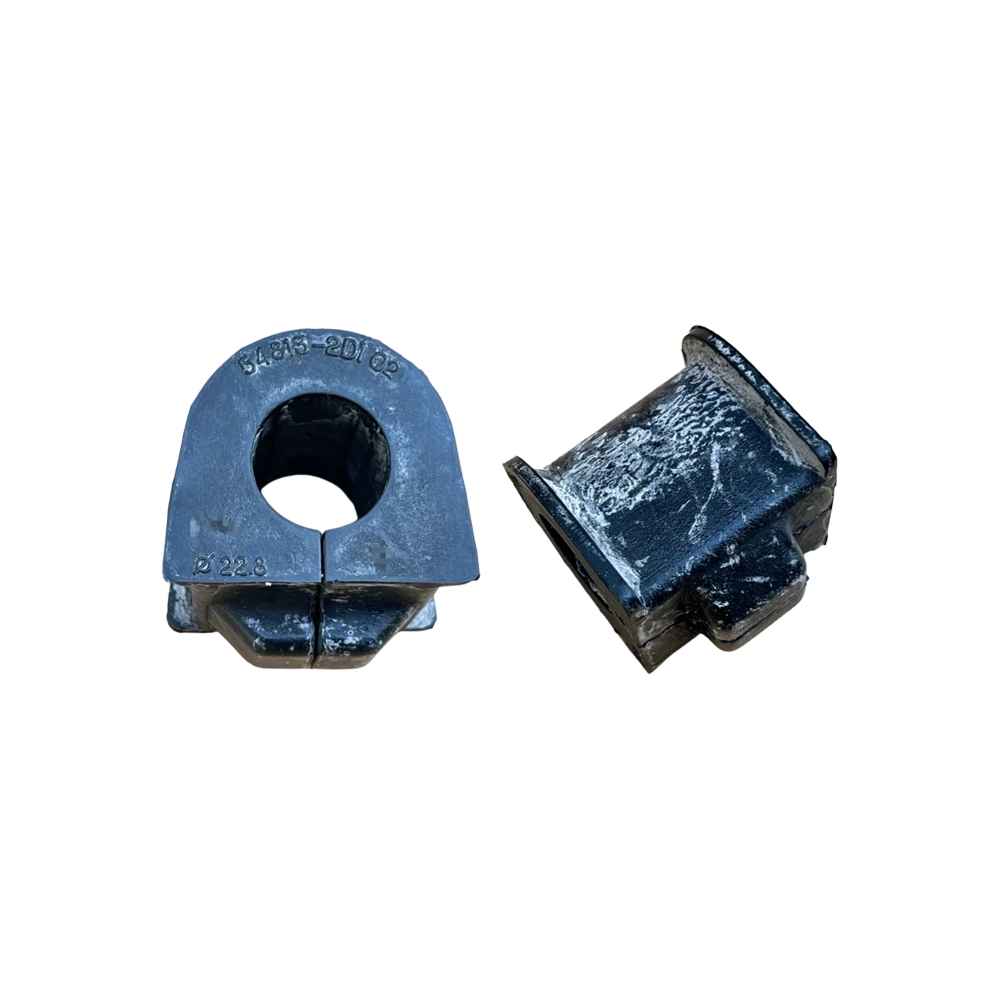
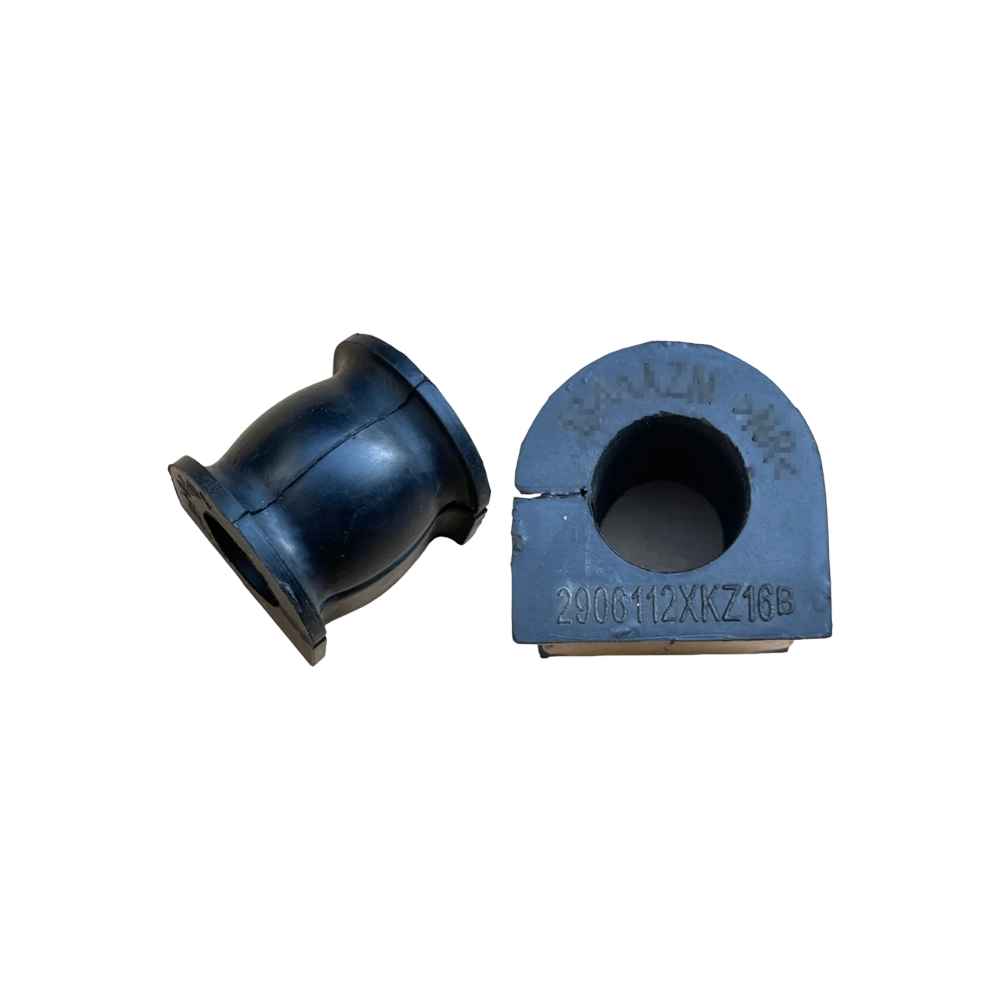
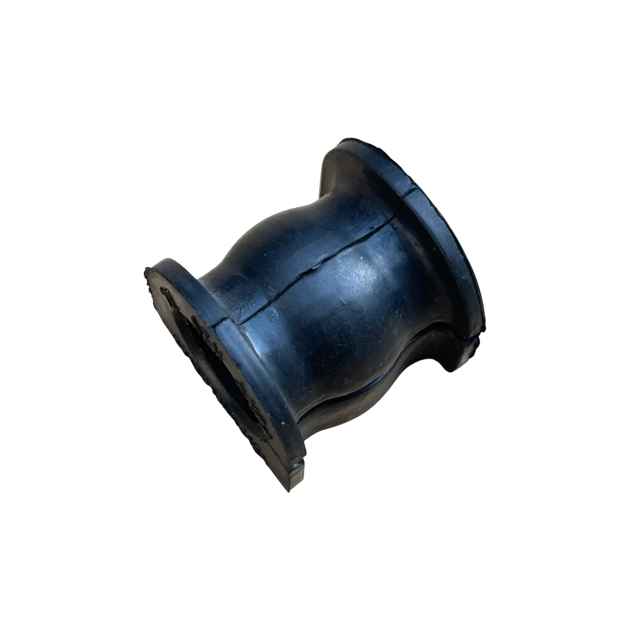
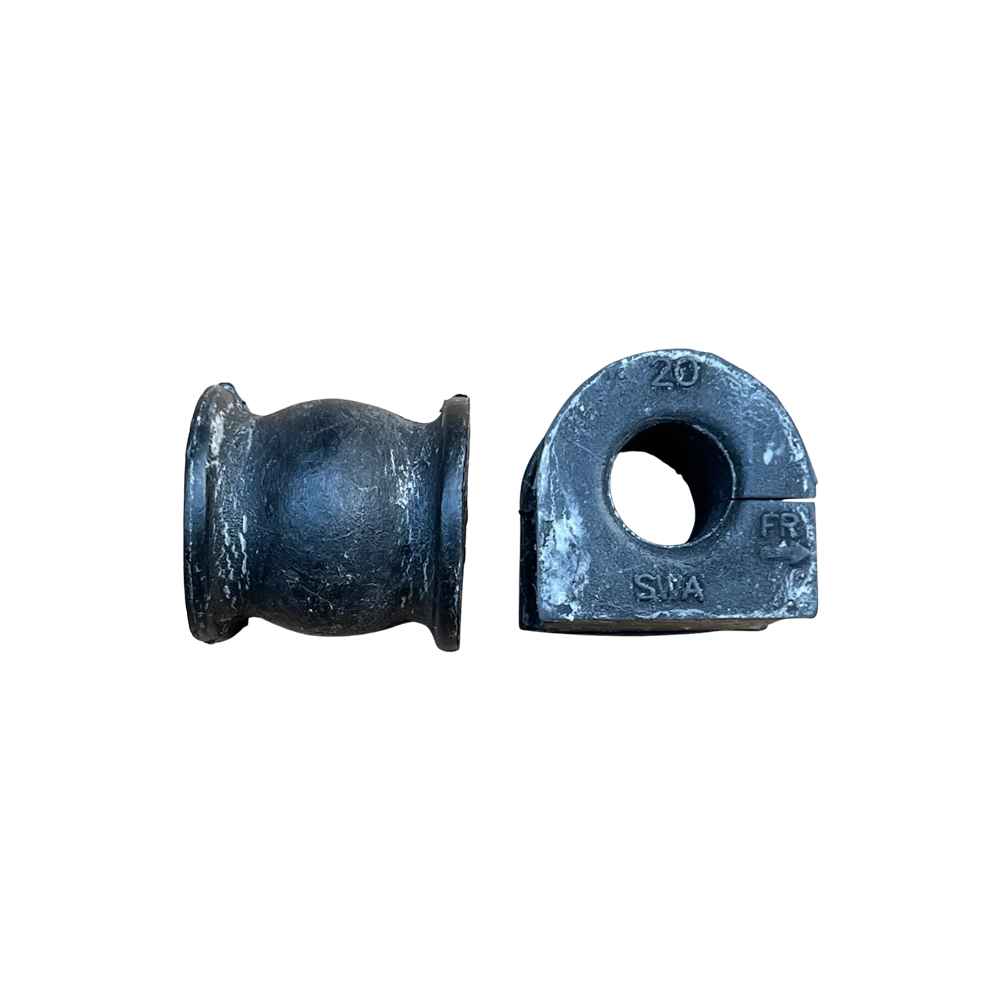
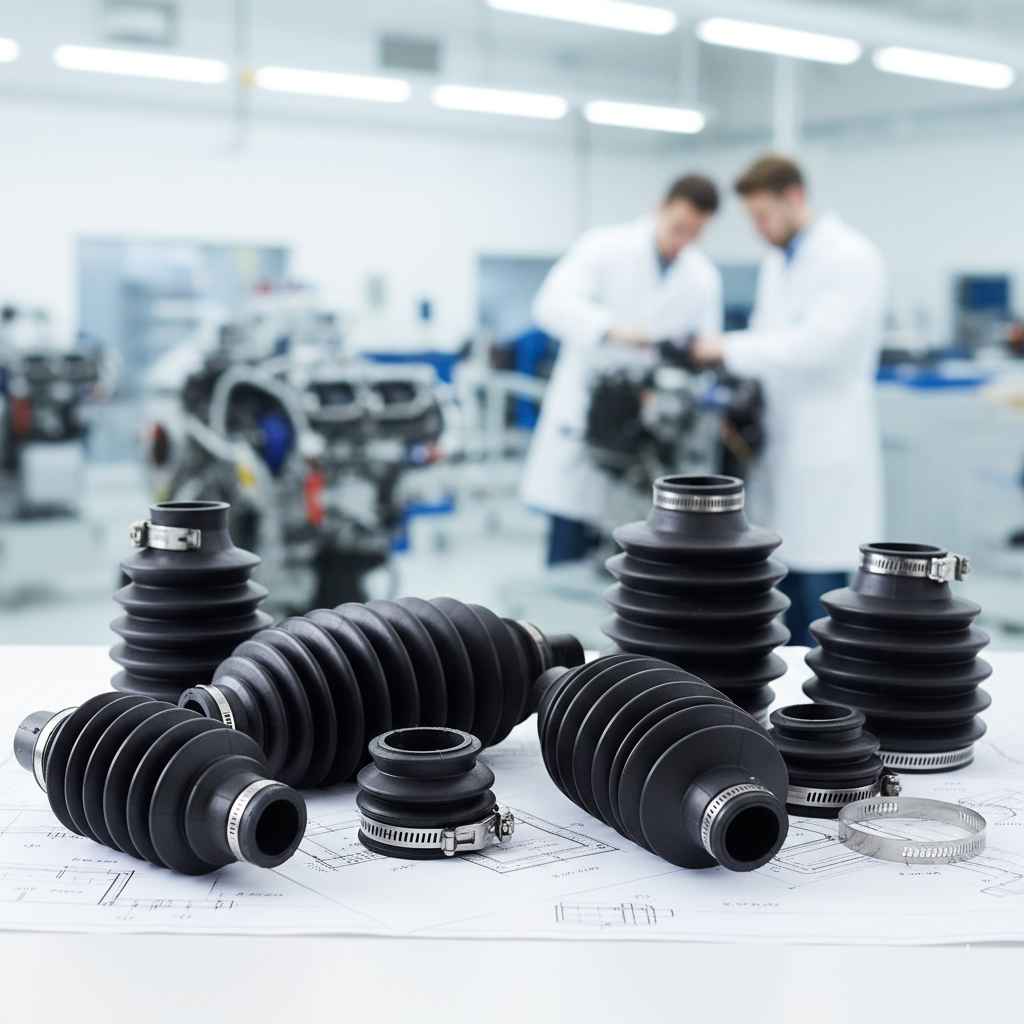
When sourcing sway bars, particularly from a China-based rubber auto parts factory, it is essential to consider material standards. High-quality rubber compounds are crucial for parts like Stabilizer Bar Bushings and Shock Absorber Boots . These materials must meet specific durability and flexibility criteria to withstand various environmental conditions.
- Durability: Resistance to wear and tear is paramount.
- Temperature Tolerance: Rubber components should maintain performance across a range of temperatures.
- Chemical Resistance: Exposure to oils and other chemicals should not degrade the material.
Evaluating Factory Standards
Not all rubber auto parts factories adhere to the same quality standards. When choosing a supplier, it's advisable to conduct thorough evaluations. Look for certifications such as ISO 9001 which indicate a commitment to quality management systems. Additionally, check if the factory follows stringent testing procedures for products like O-Rings & Rubber Sealing Rings , which are commonly used alongside sway bars.
Sourcing Strategies for Sway Bars
Finding reliable sources for front or rear sway bars involves several strategies. Firstly, fostering relationships with trusted suppliers is key. Regular communication can help establish rapport and ensure that you receive timely updates on product availability and innovations.
Direct Procurement vs. Third-Party Distributors
A decision must be made between direct procurement from manufacturers or utilizing third-party distributors. Direct procurement often results in lower costs but may require more oversight regarding quality assurance. On the other hand, third-party distributors can simplify logistics and provide additional support, albeit at a potentially higher price point.
Cost Considerations
Cost is always a major factor in sourcing decisions. Prices for sway bars can vary significantly based on materials, manufacturing processes, and brand reputation. For instance, while brands like Guanghua offer competitive pricing, it’s important to weigh cost against expected lifespan and performance levels. Remember, cheaper isn’t always better, especially when safety is concerned.
Quality Control Measures
Once a supplier is chosen, implementing quality control measures becomes crucial. Regular inspections of incoming parts, such as Valve Cover Gaskets and Steering Rack Boots , will help identify any issues early on. Testing for compliance with industry standards should become part of your routine procedures.
Feedback and Continuous Improvement
Establishing a feedback loop with your suppliers can lead to continuous improvements in both product quality and service. Consider creating surveys or holding regular meetings to discuss performance and areas for enhancement. This open line of communication can reinforce partnerships and foster innovation.
Final Thoughts on Sourcing Sway Bars
The process of sourcing front or rear sway bars from China-based rubber auto parts manufacturers requires careful consideration of various factors, including material quality, factory standards, and supplier relationships. Drawing on industry insights, it’s clear that investing time and resources into this process pays dividends in the long run. While the market is rife with options, making informed choices will invariably lead to enhanced vehicle performance and safety on the road.