Understanding Sway Bars
Sway bars, or anti-roll bars, play a crucial role in vehicle stability. Whether you’re sourcing OEM or aftermarket parts, knowing the difference is vital. A high-quality sway bar can significantly improve handling, especially during sharp turns. Have you ever considered how much it affects your driving experience?
The Basics of Sway Bar Functionality
A sway bar connects the left and right wheels together, reducing body roll during cornering. It’s essentially a torsion spring that helps maintain balance. But let’s break it down further: when one wheel encounters a bump, the sway bar transfers some of that force to the opposite side, keeping the vehicle level. This process involves complex physics, but it boils down to one simple truth—balance matters.
OEM vs. Aftermarket: What’s the Real Difference?
OEM parts are manufactured by the vehicle's original manufacturer, ensuring compatibility and reliability. On the other hand, aftermarket parts can offer enhancements, sometimes at a lower cost. Take, for example, the Guanghua brand sway bars. Their aftermarket options provide better performance specifications compared to standard OEM models.
- OEM: Guaranteed fit and quality.
- Aftermarket: Potential for improved performance and customization.
Casing Specifics: Materials Matter
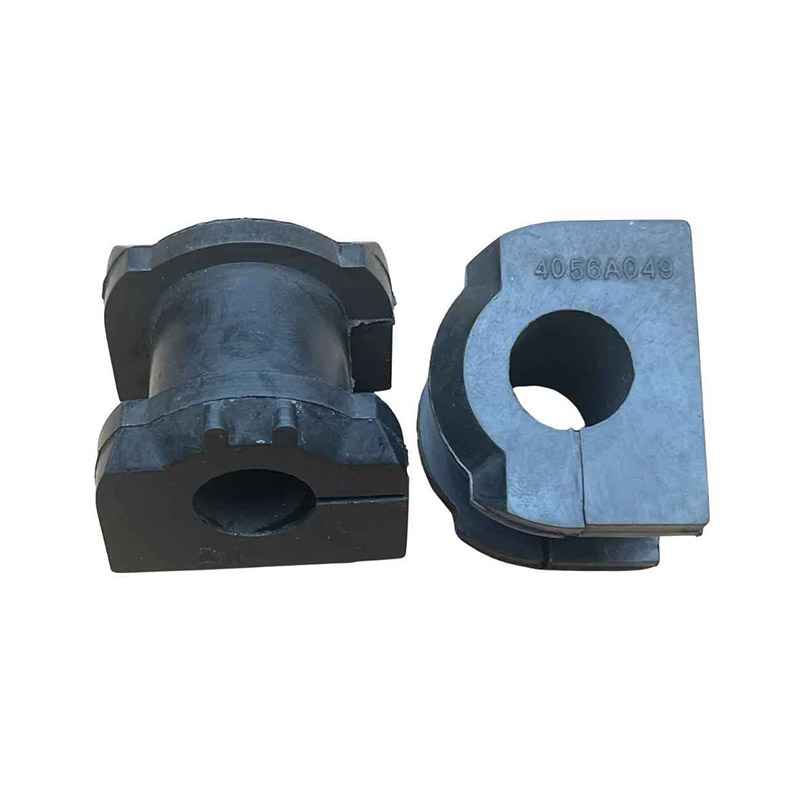
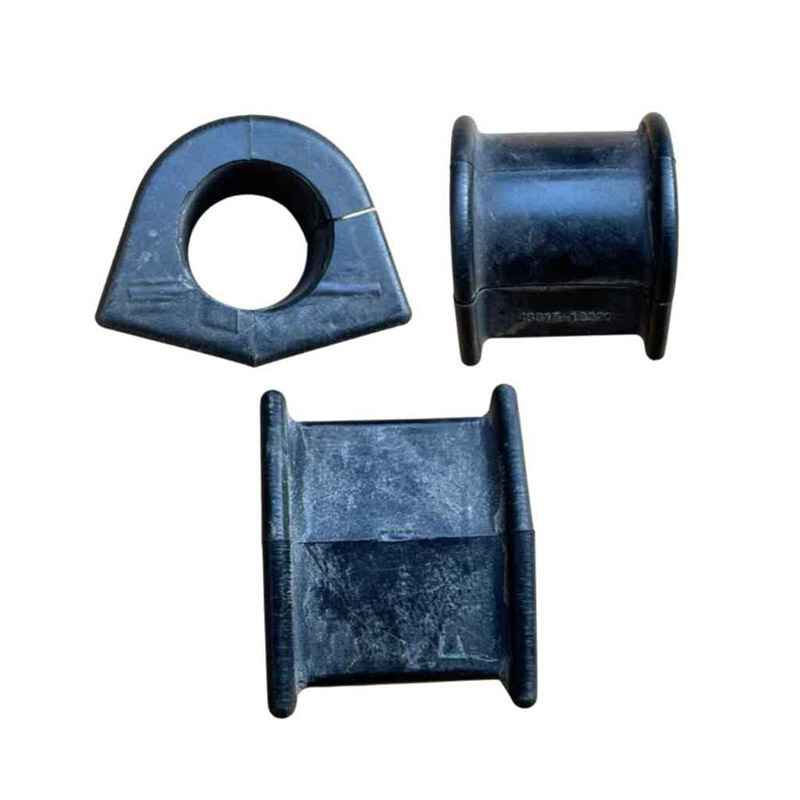
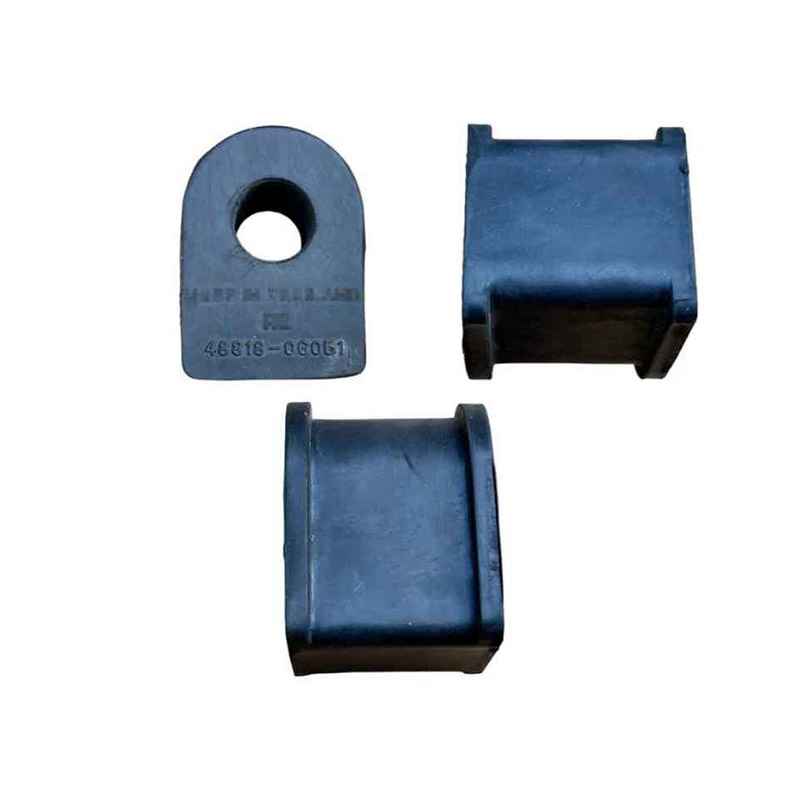
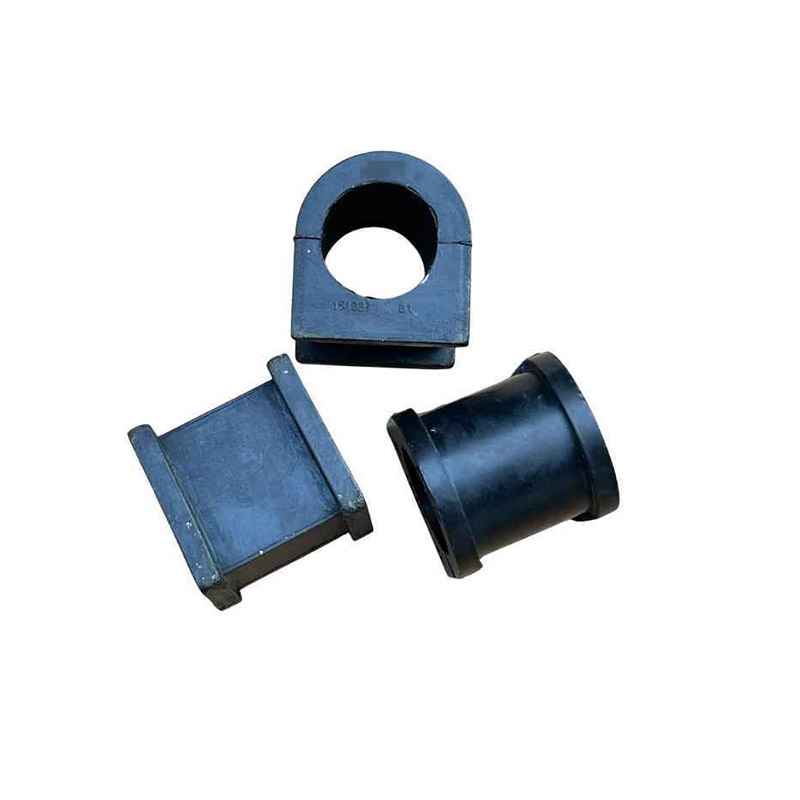
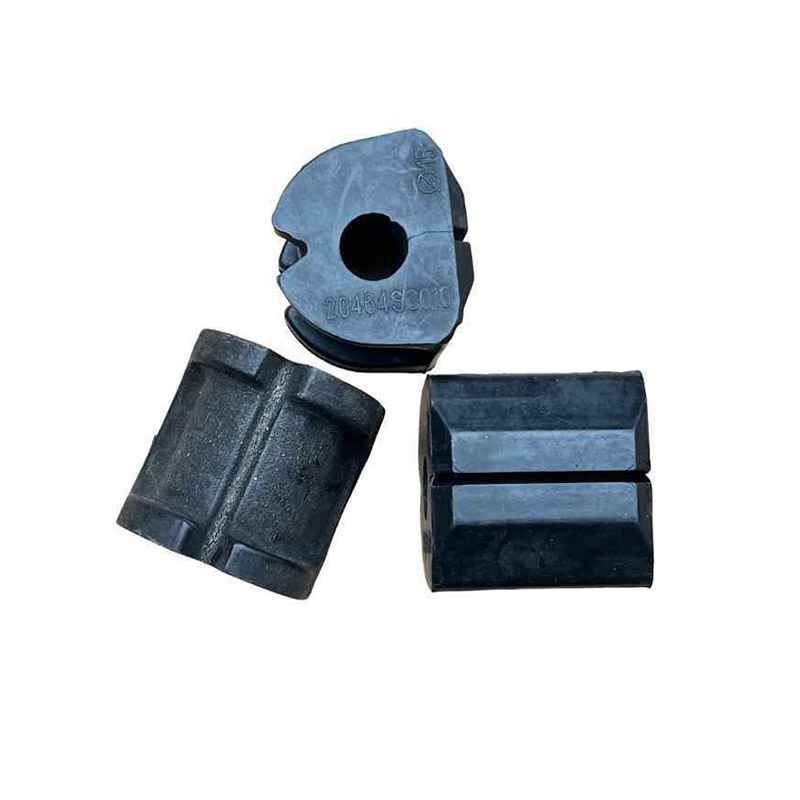
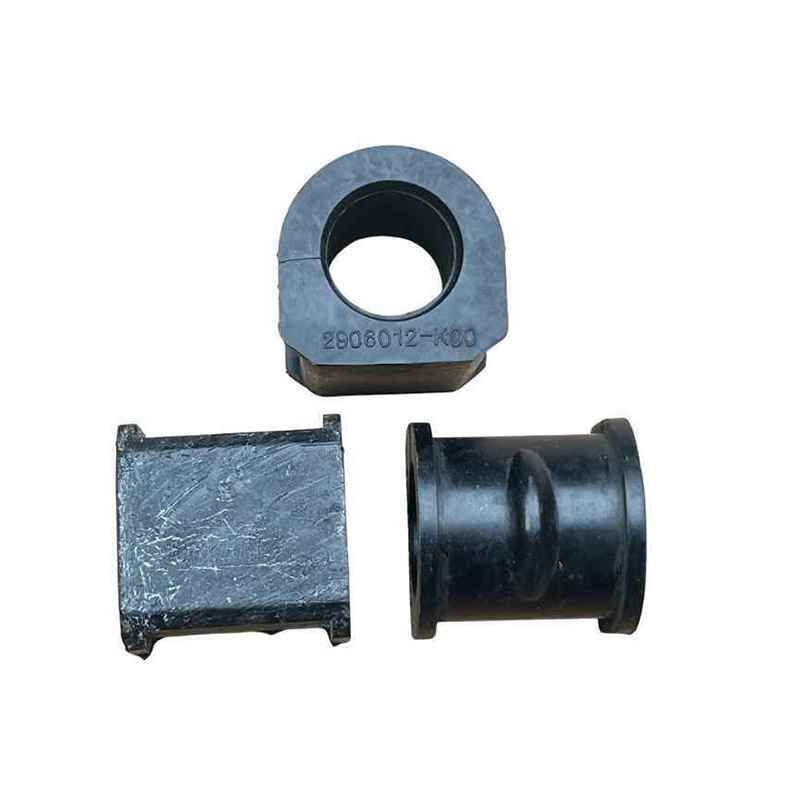
When selecting a sway bar, material composition is key. Steel sway bars are common, but manufacturers are exploring alternatives like aluminum and composite materials. Why? Weight reduction without sacrificing strength! Additionally, consider the bushings; rubber and polyurethane have their pros and cons. For instance, polyurethane provides a firmer ride and enhanced responsiveness but may transmit more noise.
Real-World Scenario: The Case of a Sports Car Upgrade
Imagine a 2022 Ford Mustang GT. Equipped with standard sway bars, it handles decently. Now, picture upgrading to a Guanghua aftermarket sway bar kit. The impact is noticeable: reduced body roll, sharper cornering, and a more engaging driving experience. Enthusiasts rave about the transformation! Is it worth the investment? Absolutely.
Installation Considerations
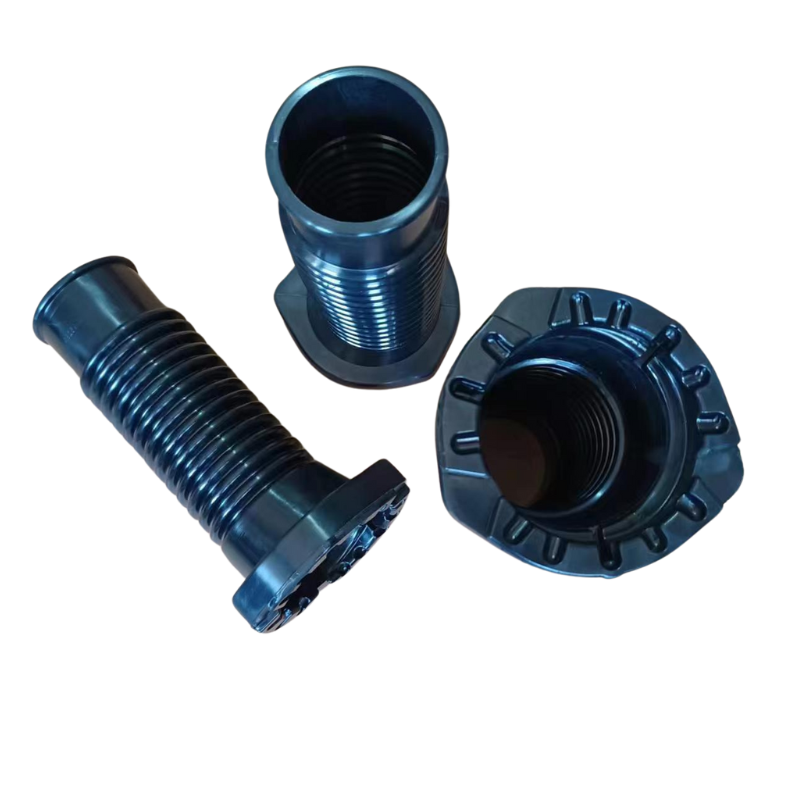
Installing a sway bar isn’t always straightforward. It requires proper tools and knowledge. Improper installation could lead to subpar performance or even damage. Some sway bars come pre-assembled, while others require assembly and precise adjustments. Don't forget about the associated components like Steering Rack Boots , which might need replacement during installation.
Maintenance Tips to Extend Lifespan
Keep an eye on your sway bar bushings. Signs of wear include cracking or splitting. If you notice uneven tire wear, it might indicate sway bar issues. Regular inspections ensure longevity and optimal performance.
- Check for visible damage regularly.
- Replace worn bushings promptly.
- Consider lubrication for smoother operation.
Market Trends: Where Are We Headed?
As the automotive industry evolves, the pursuit of lightweight and durable materials continues. Manufacturers are now experimenting with advanced composites, enhancing both performance and safety. It’s an exciting time to be involved in the automotive aftermarket!
Final Thoughts: Choose Wisely
Selecting a sway bar isn’t merely about function; it’s about enhancing your overall driving experience. Whether you lean towards OEM reliability or the customization potential of aftermarket options, do your research. Check out user reviews and seek expert opinions to make informed decisions.