Understanding Hydraulic Steering Systems
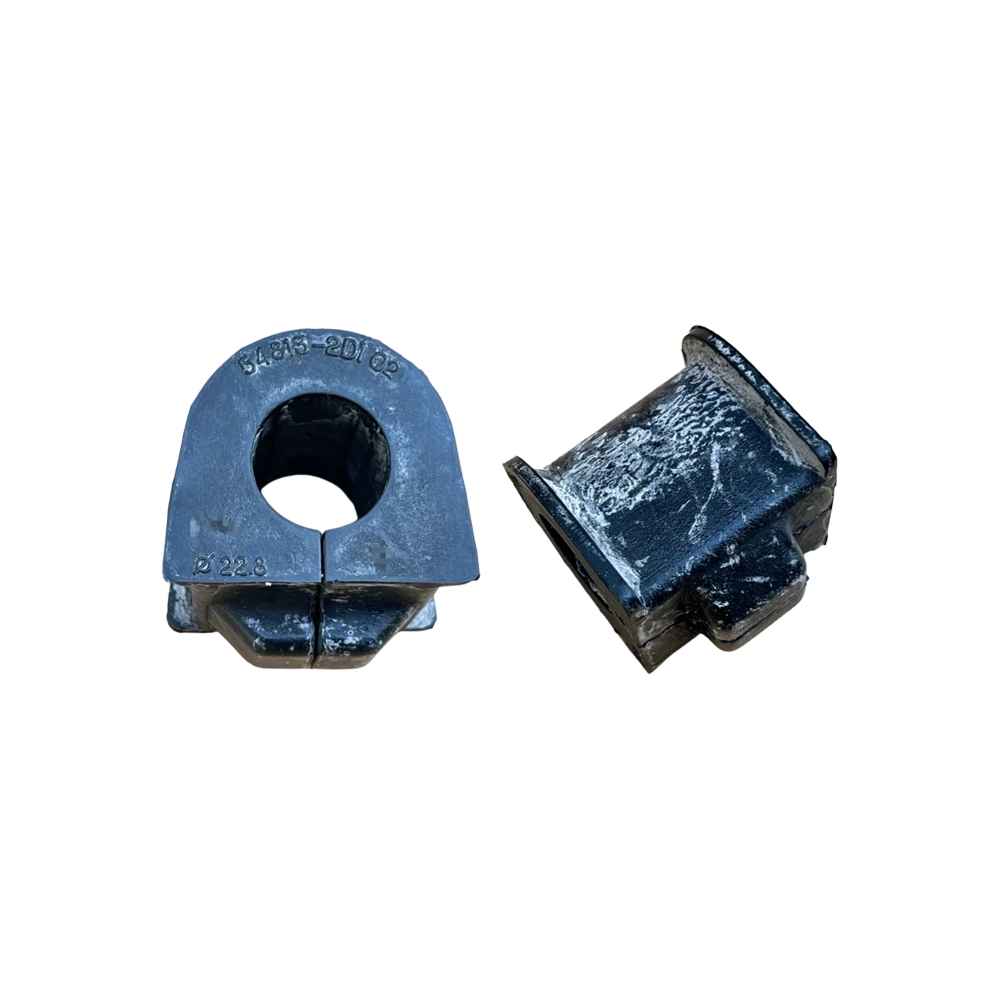
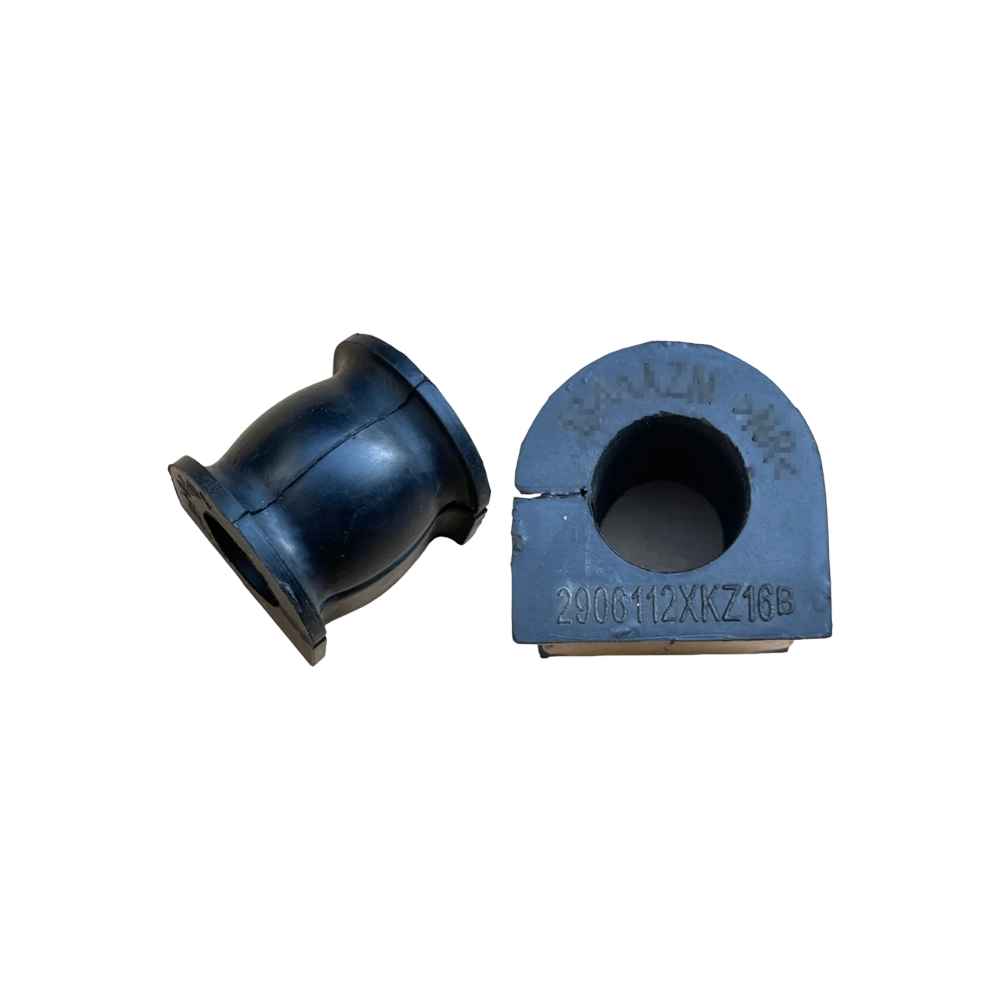
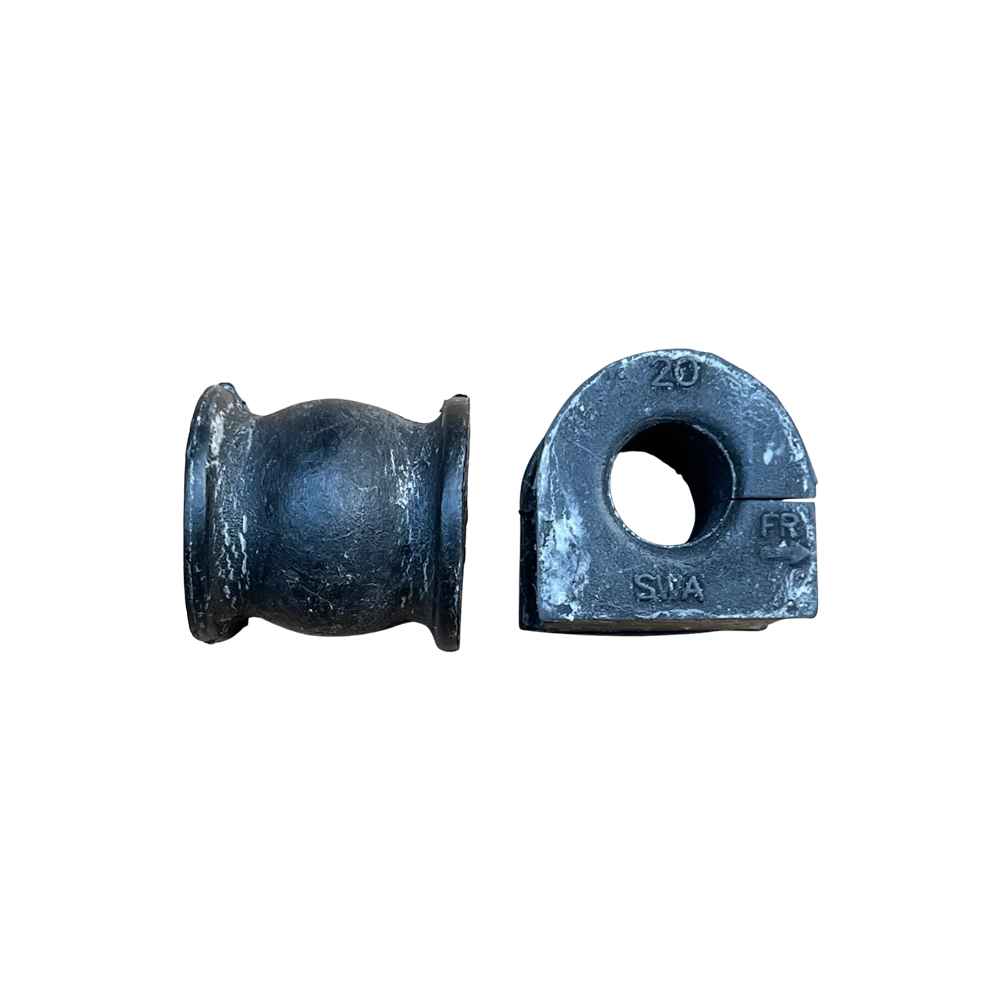
Hydraulic steering systems are essential components in modern chassis and suspension designs. These systems offer precise control, enhanced maneuverability, and reduced driver fatigue. But sourcing these components can be a daunting task, especially when you want to ensure compliance with TS16949 and ISO certification standards.
Key Components of Hydraulic Steering
- Steering Gear: This is where the magic happens. It translates the driver's input into wheel movement.
- Hydraulic Pump: Generates pressure, allowing for smooth steering.
- Fluid Reservoir: Holds the hydraulic fluid that powers the system.
- Hoses and Fittings: Connect everything. Quality matters here to prevent leaks.
Why Certification Matters
When choosing a manufacturer for hydraulic steering components, certification should be at the top of your list. TS16949 and ISO certifications ensure that the manufacturer adheres to high-quality management standards, which significantly reduces the risk of product failure.

These certifications cover various aspects such as supply chain management, production processes, and customer satisfaction. A supplier with these credentials is likely to provide reliable products that meet rigorous quality checks.
Finding the Right Supplier
So, how do you find a supplier that meets these standards? Start by researching manufacturers known for their hydraulic steering components. Look for companies that are transparent about their certifications, like Guanghua, which has a solid reputation in this field.
Don’t hesitate to ask questions! Inquire about their quality control processes, customer feedback, and warranty policies. An open dialogue can reveal a lot about the potential partnership.
Evaluating Product Specifications
Once you've narrowed down potential manufacturers, it’s time to dive into the nitty-gritty details of their offerings. Pay attention to the following specifications:
- Pressure Ratings: Ensure the components can handle the operational demands.
- Material Quality: Look for durable materials that resist wear and corrosion.
- Compatibility: Make sure the parts fit seamlessly into existing systems.
This phase might require consultation with engineering teams to ensure every aspect aligns with your vehicle's requirements.
Cost Considerations
Let’s talk money. While it might be tempting to go for the cheapest option, remember that quality often comes at a price. A low-cost part may lead to higher expenses down the line due to replacements or repairs. Balancing cost and quality is critical.
A good rule of thumb is to compare prices from multiple suppliers while keeping an eye on their reputations. Sometimes, spending a little more upfront can save big bucks in the long run.
Logistics and Delivery
After securing a supplier, logistics becomes the next big hurdle. Can they deliver on time? What are their shipping options? Delays in obtaining parts can stall production lines, so it’s crucial to understand their delivery timelines and reliability.
Ask about their inventory management practices. A supplier with a robust system in place can often provide quicker turnaround times and fewer disruptions.
Post-Purchase Support
Finally, don’t overlook the importance of post-purchase support. A great supplier stands behind their products offering assistance long after the initial sale.
Look for warranties, technical support, and regular check-ins. Establishing a strong relationship with your supplier can not only help with immediate issues but also foster collaboration for future projects.
Conclusion: Making an Informed Choice
In conclusion, sourcing hydraulic steering components involves careful consideration of multiple factors, including certifications, supplier reliability, product specifications, and long-term support. By taking the time to evaluate your options thoroughly, you can confidently choose a manufacturer that aligns with your needs and standards. Remember, every detail counts when it comes to ensuring the safety and performance of your vehicles!