Understanding NVH in Vehicle Driveline & Axle Systems
Noise, Vibration, and Harshness (NVH) are critical considerations in the automotive industry, particularly when it comes to driveline and axle systems. As vehicles evolve, the demand for improved comfort and reduced noise levels has grown significantly. Implementing ISO certified standards ensures that manufacturers maintain the highest quality in sourcing parts that contribute to NVH reduction.
The Importance of NVH Reduction
Reducing NVH is essential not only for passenger comfort but also for overall vehicle performance. High levels of noise and vibration can indicate underlying issues within the drivetrain or axle system and can lead to premature wear on components. For example:
- Increased Wear: Excessive vibrations can cause parts like CV Joint Boots and Steering Rack Boots to wear out faster.
- Passenger Experience: A quieter cabin provides a more pleasant driving experience, enhancing customer satisfaction.
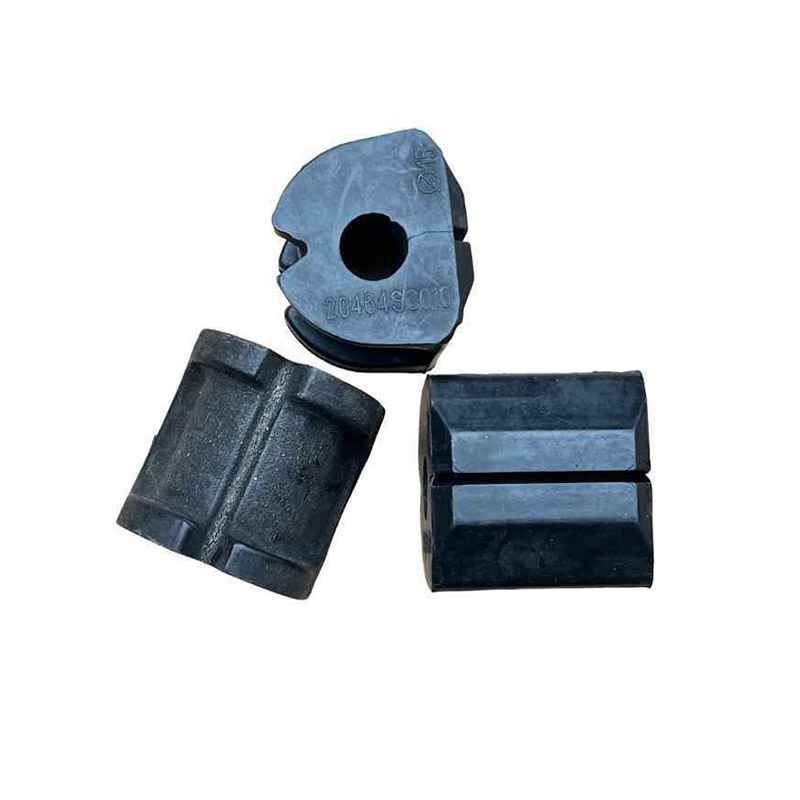
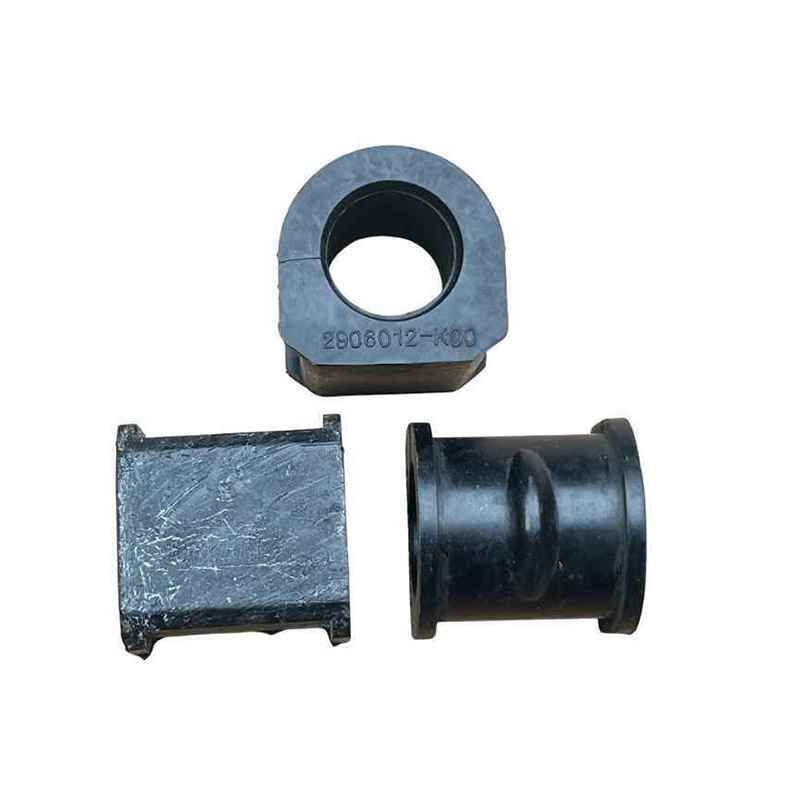
- Vehicle Longevity: By addressing NVH issues early, you can prolong the life of vital components, including Shock Absorber Boots and Stabilizer Bar Bushings .
Key Components Impacting NVH Levels
Several components within the driveline and axle systems directly affect NVH levels. Understanding these components’ roles helps in effective sourcing and repairs:
- CV Joint Boots: These protect the joint from dirt and debris while maintaining lubrication. Any damage can lead to increased noise and vibration.
- Steering Rack Boots: They shield the steering mechanism from contaminants, preventing wear and tear that contributes to NVH.
- Shock Absorber Boots: Critical for dampening vibrations, these boots also prevent moisture ingress, which can lead to rust and degradation.
- O-Rings & Rubber Sealing Rings: Essential for sealing joints and preventing leaks, poor seals can lead to fluid loss and, consequently, increase noise levels.
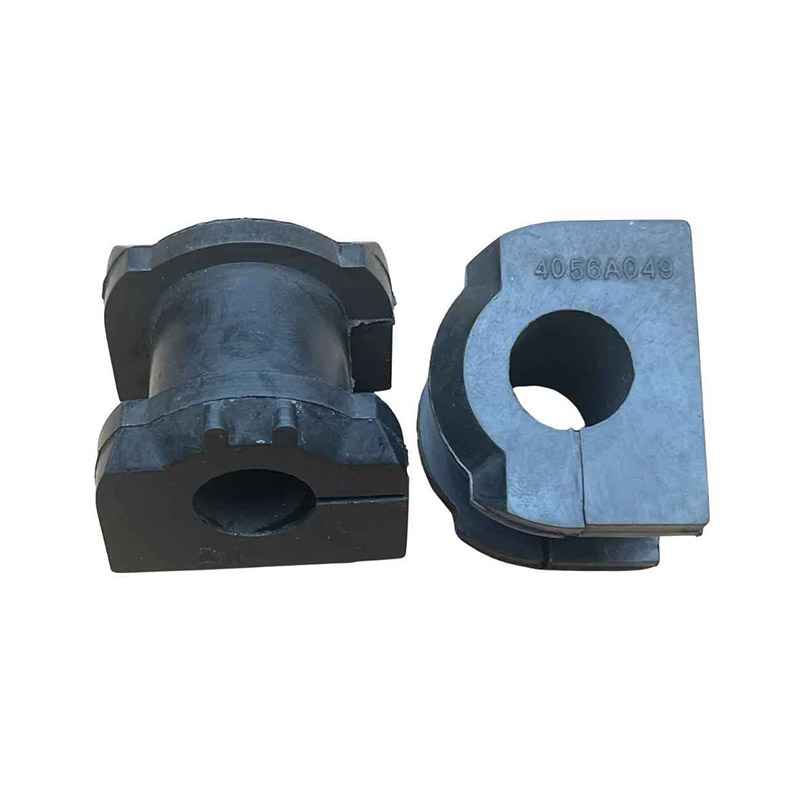
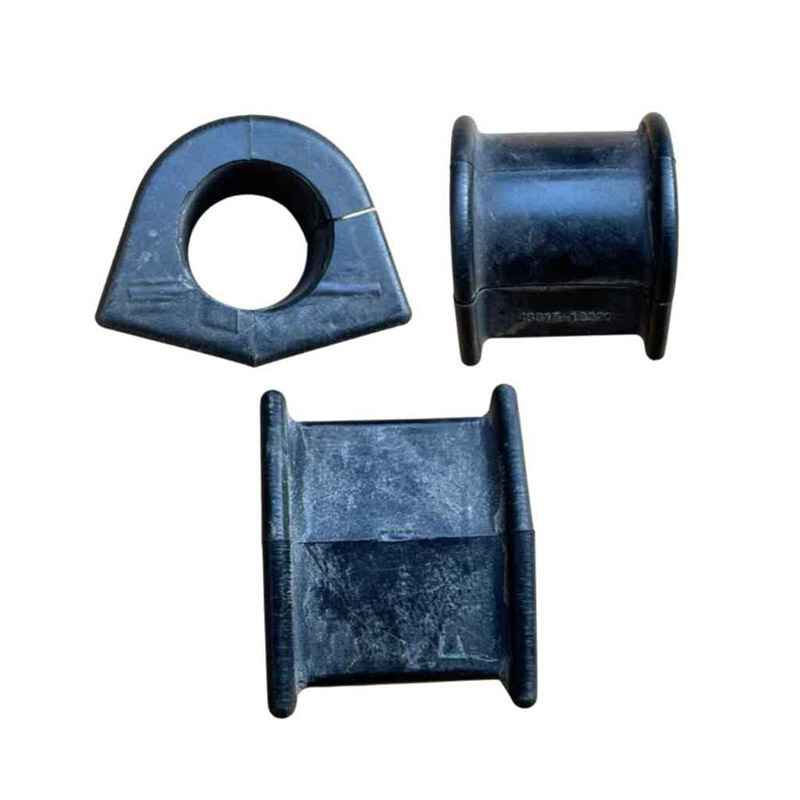
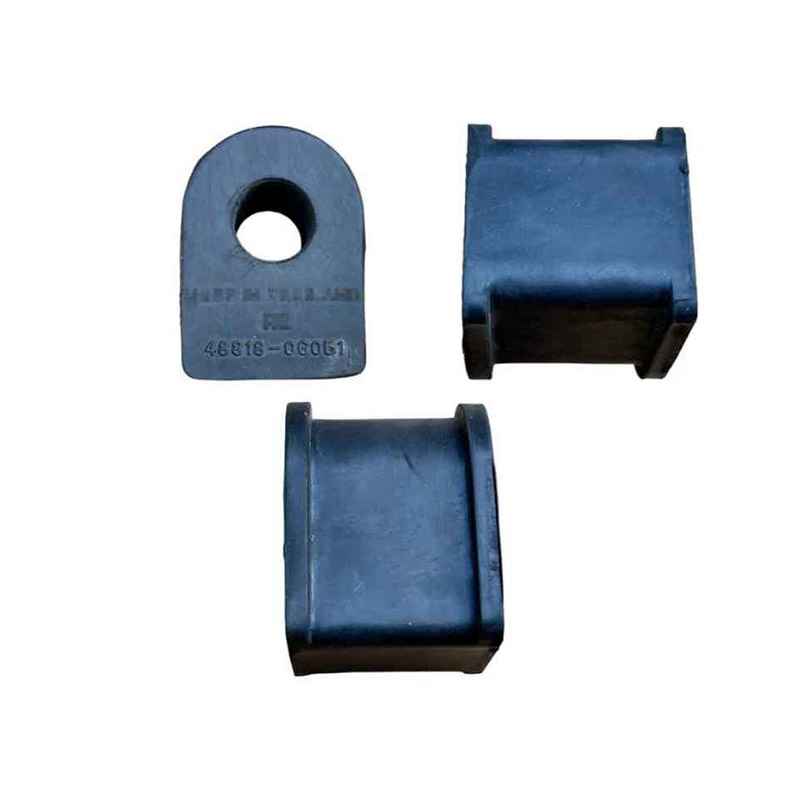
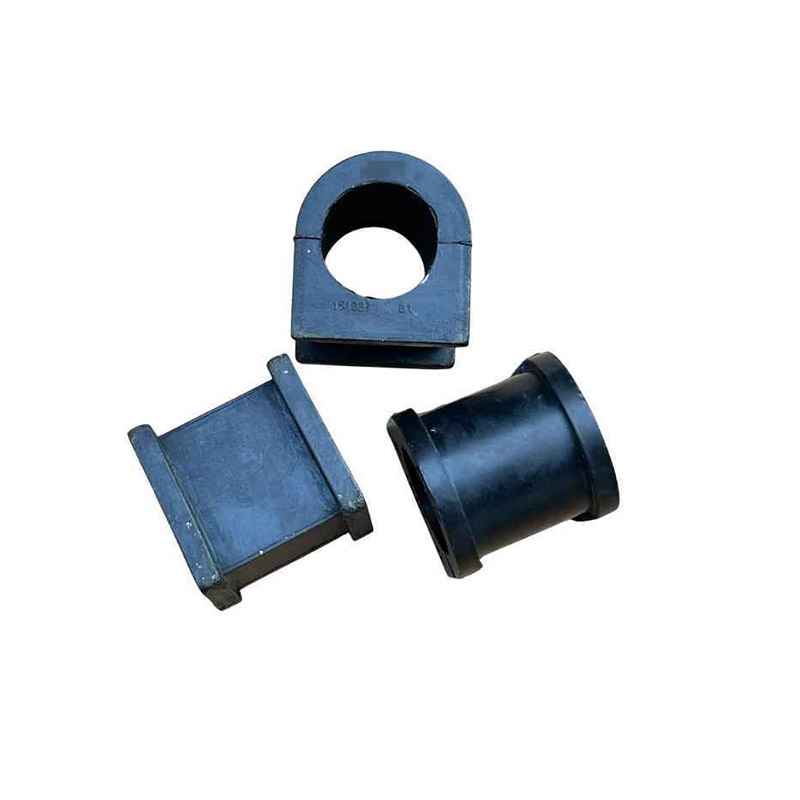
- Stabilizer Bar Bushings: These components help stabilize the vehicle during turns and significantly reduce body roll, thus minimizing noise and vibrations.
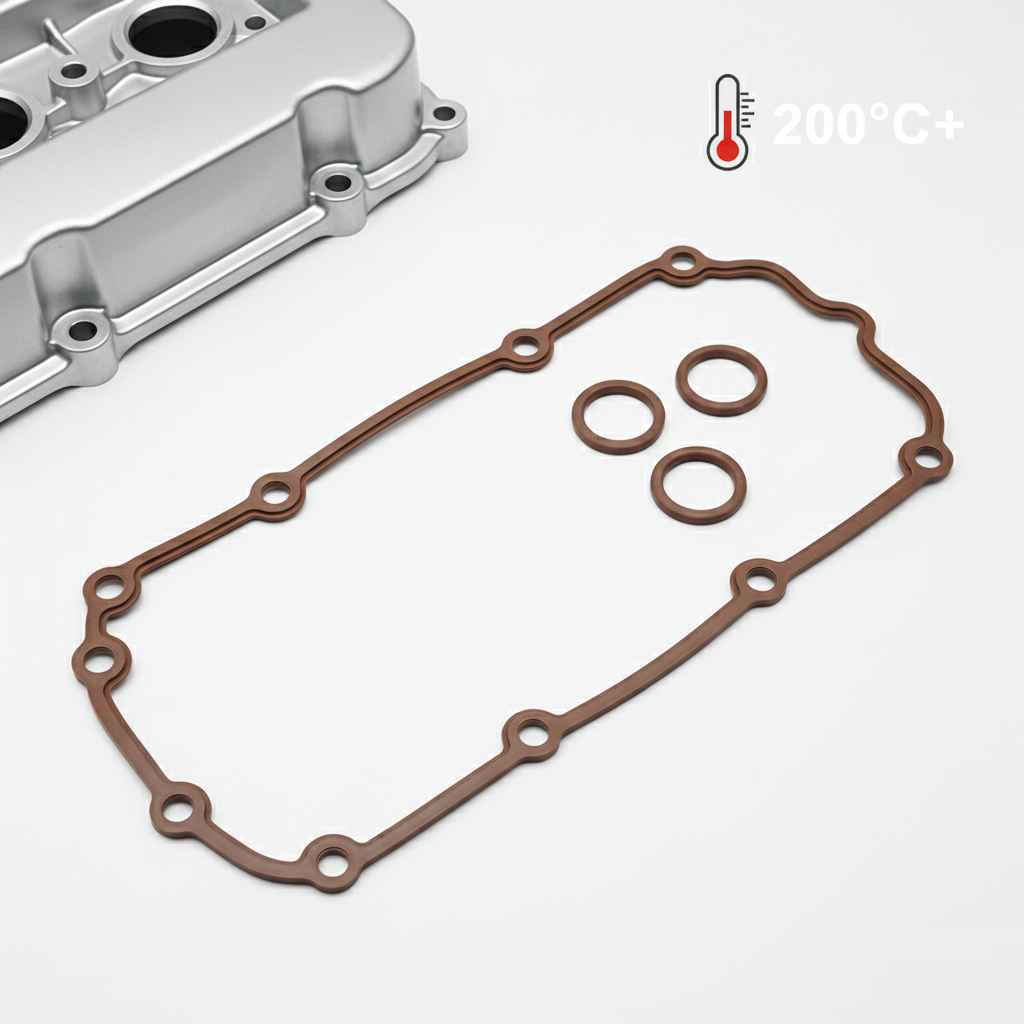
- Valve Cover Gasket: Although primarily for sealing, any leaks could lead to oil spraying onto other components, increasing noise through friction and heat.
Sourcing Quality Parts for NVH Reduction
When sourcing parts for NVH reduction, opting for suppliers who adhere to ISO certified standards is non-negotiable. These standards ensure that every component meets stringent quality benchmarks, leading to superior performance in your vehicle’s driveline and axle systems.
As someone in the industry, I’ve seen firsthand how quality affects performance. For instance, brands like Guanghua have gained recognition for producing rubber components that effectively absorb shocks and reduce noise, making them a go-to choice for many repair shops.
Evaluating Suppliers for ISO Compliance
Not all suppliers maintain the same level of quality. When evaluating potential partners, consider the following:
- Certification Verification: Always ask for proof of ISO certification. This ensures they follow international quality management standards.
- Reputation and Feedback: Research supplier reviews and case studies. A reputable supplier will have positive feedback regarding their products’ NVH performance.
- Product Range: A supplier offering a comprehensive range of NVH reduction components can save you time and ensure compatibility across your repair needs.
Implementing NVH Solutions in Repairs
Once you've sourced high-quality parts, implementing NVH solutions becomes the next critical step. Proper installation techniques must be employed to ensure that each component functions as intended. Here’s what to keep in mind:
- Correct Torquing: Ensure bolts are torqued to manufacturer specifications. Under-tightened or over-tightened bolts can lead to imbalance and increased vibrations.
- Lubrication: Use appropriate lubricants to aid in movement and prevent wear on moving parts. Over time, this can make a significant difference in NVH levels.
- Regular Inspections: After repairs, regular inspections help catch any potential issues before they escalate, ensuring optimal performance.
The Future of NVH Management
As technology advances, so do methods and materials used for NVH reduction. Innovations such as advanced composites and smart materials are being integrated into vehicle designs, which promote not just durability but also enhanced noise and vibration suppression.
Moreover, incorporating simulation technologies allows manufacturers to predict NVH outcomes even before physical prototypes are created. This proactive approach reshapes how we think about sourcing and repairing driveline and axle systems. It aligns perfectly with the continuous drive for quality improvement in the automotive sector.
Conclusion
Navigating the landscape of NVH reduction requires an in-depth understanding of both the components involved and the standards set forth by certifying bodies. By investing in quality parts, like those from trusted brands such as Guanghua, and adhering to ISO certified practices, the automotive industry can ensure that vehicle performance meets the growing expectations of consumers. In this dynamic field, staying informed about best practices and new developments is crucial for success.