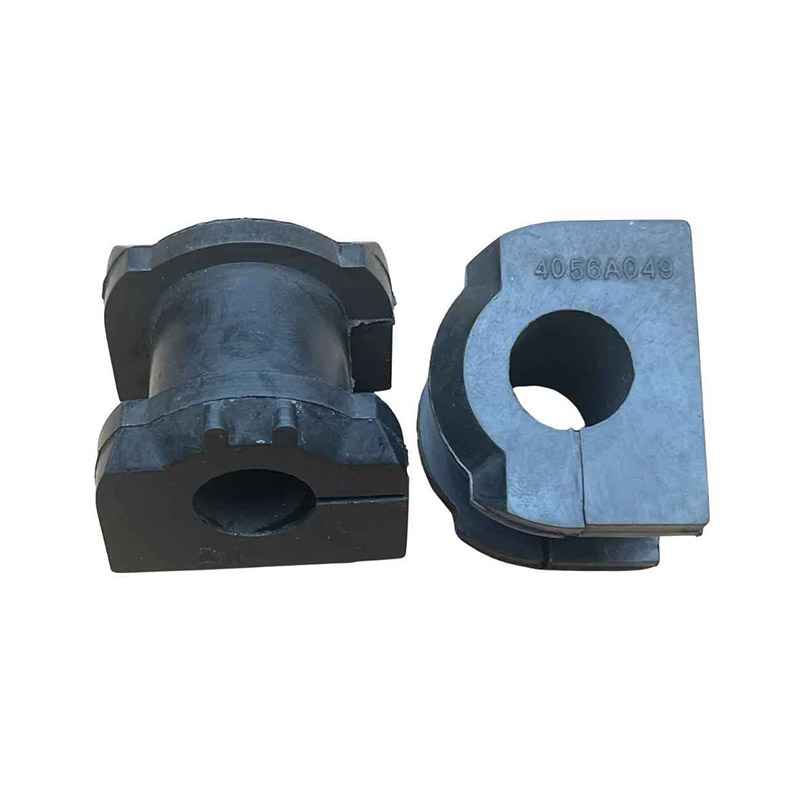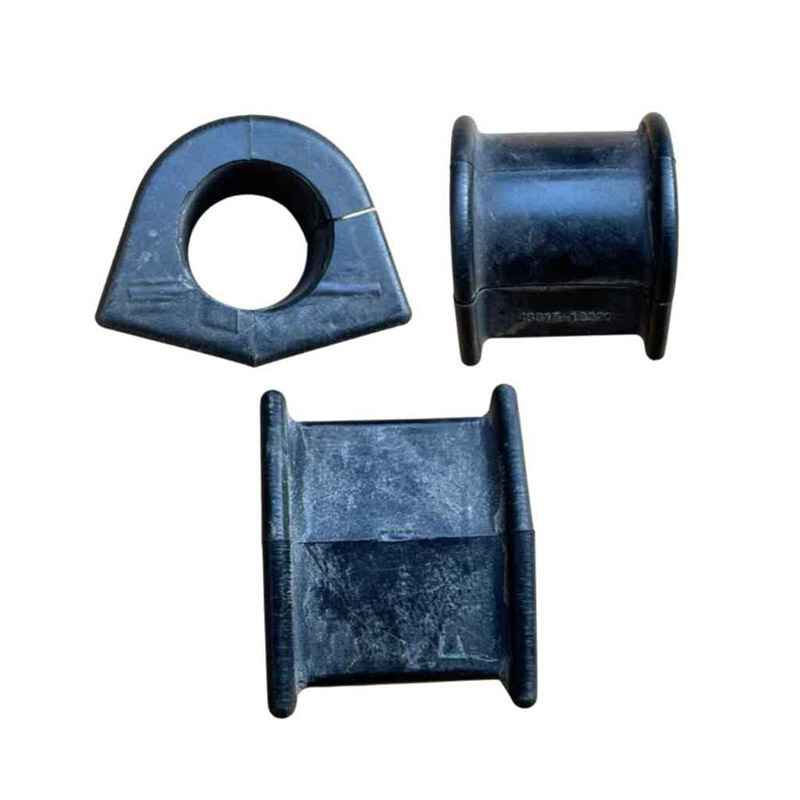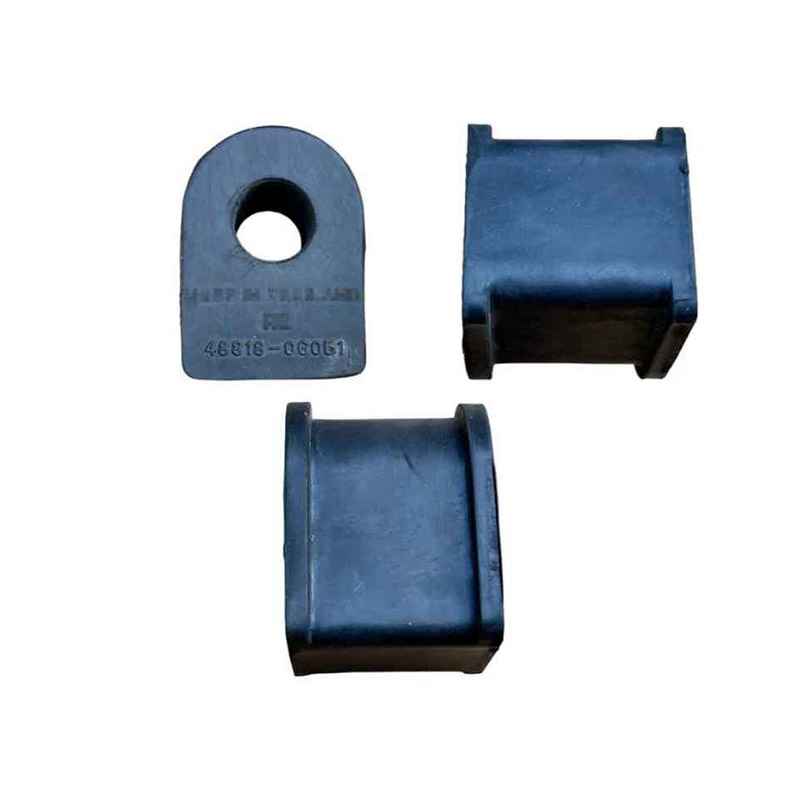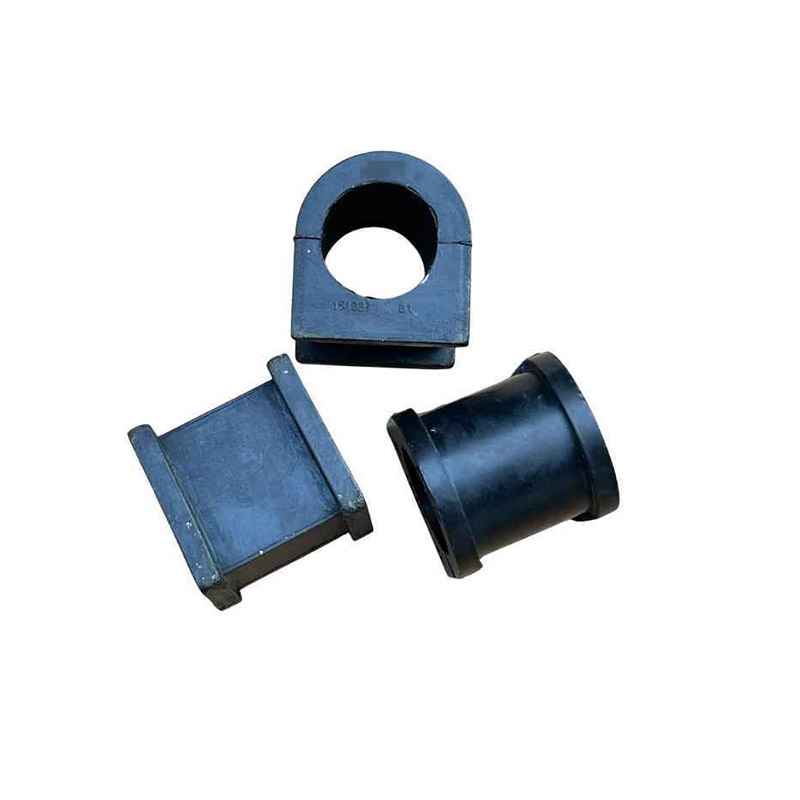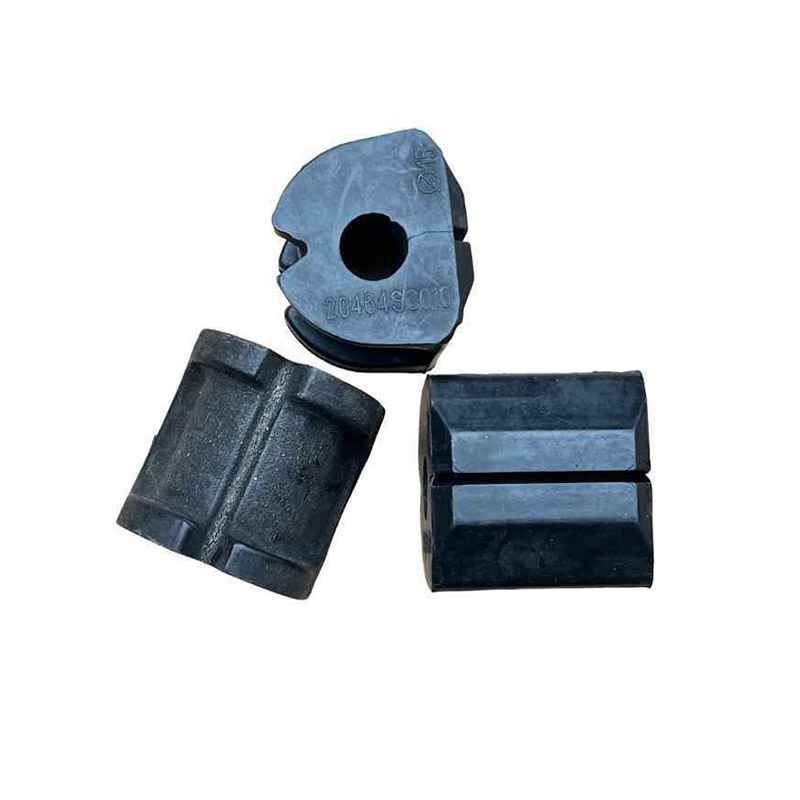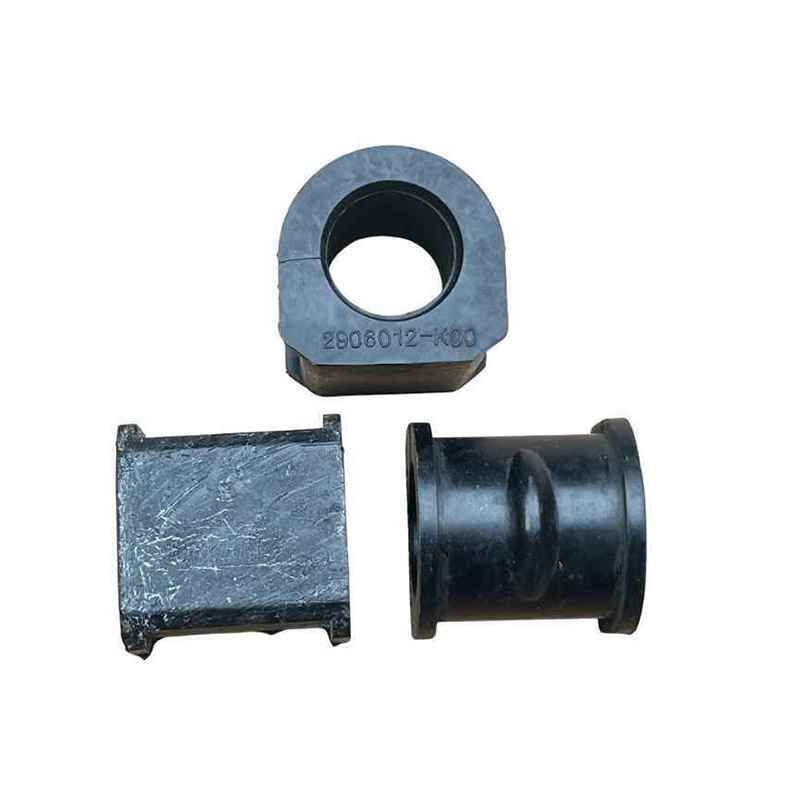
Understanding Sway Bar Bushings
Sway bar bushings, though often overlooked, play a pivotal role in your vehicle's handling. Think of them as the unsung heroes that keep everything stable during those sharp turns or rugged terrains. When you're hitting those off-road trails, you want to ensure that your suspension system is up to par, and that’s where quality sway bar bushings come into play.
Why Upgrade Your Sway Bar Bushings?
If you've ever experienced body roll while cornering or felt like your vehicle was leaning too much on uneven surfaces, it might be time to consider an upgrade. High-performance sway bar bushings can drastically improve your ride’s stiffness and response time. A good set will provide better control and stability, making your off-roading experience not just more enjoyable but also safer.
- Enhanced Handling: Keeps your car from swaying excessively during tight turns.
- Increased Durability: Quality materials can withstand harsh conditions and resist wear.
- Improved Comfort: Reduces noise and vibration transmitted through the chassis.
Sourcing High-Performance Sway Bar Bushings
When it comes to sourcing sway bar bushings, especially for high-performance applications, it’s essential to focus on a few key elements to avoid any pitfalls. Make sure you’re getting parts that are ISO certified; this ensures they meet international standards for quality and consistency.
Key Factors to Consider
- Material: Look for bushings made from durable rubber compounds or polyurethane. Polyurethane tends to offer better performance and longevity, especially in off-road scenarios.
- Compatibility: Not all sway bar bushings fit every vehicle. Be sure to check what type fits your make and model.
- Brand Reputation: Brands like Guanghua have established themselves in the market, known for their reliable and high-quality products.
Installation Tips
Installing sway bar bushings isn’t rocket science, but it does require some mechanical knowledge. Here are a few tips to get you started:
- Gather your tools: You’ll need basic hand tools and possibly a jack to lift your vehicle.
- Remove the old bushings carefully, noting how they are placed.
- Lubricate the new bushings before installation to ease fitting.
- Ensure everything is tightened properly to avoid future issues.
Common Mistakes to Avoid
One mistake many enthusiasts make is ignoring the condition of surrounding components, such as the Steering Rack Boots or Shock Absorber Boots . These parts work in tandem with the sway bar, and if they're worn out, it could negate the benefits of your new bushings.

Maintaining Your Sway Bar Bushings
After you've installed your new bushings, it's crucial to maintain them for longevity. Regular checks can help prevent issues down the road:
- Inspect for cracks or wear every few months.
- Keep an eye on alignment; misalignment can lead to excessive wear.
- Consider re-lubricating them during routine services.
Evaluating Performance Post-Installation
Once your new sway bar bushings are installed, take your rig out for a test drive. Listen for any unusual noises and pay attention to how your vehicle handles. Any signs of excessive noise or instability might mean further adjustments are needed. After all, what's a great set of bushings worth if they aren’t functioning correctly?
The Bottom Line
Sourcing and upgrading your sway bar bushings may seem like a small detail in the grand scheme of off-roading, but trust me, it makes a world of difference. With the right bushings, not only will your ride handle better, but you'll also enjoy a more comfortable experience on and off the pavement. Remember, prioritize quality and always go for ISO-certified products to ensure you get the best performance possible!