Understanding Driveshaft Boots
In the realm of chassis steering and suspension systems, driveshaft boots play a crucial role in maintaining optimal vehicle performance. These components not only protect vital parts from debris and contamination but also ensure that power is effectively transmitted throughout the drivetrain.
What Are Driveshaft Boots?
Driveshaft boots are protective coverings made typically from rubber or thermoplastic materials. They encase the universal joints, CV joints, and other moving parts within the driveshaft assembly. By keeping dirt, moisture, and other contaminants at bay, they help prolong the life of these critical components.

The Importance of Material Quality
When it comes to driveshaft boots, the material quality is of utmost importance. A boot that isn't made from durable, high-quality materials can crack or tear easily, leading to costly repairs. Many professionals recommend brands like Guanghua , which have established themselves as reliable sources for automotive rubber products.
Types of Boots Used in Vehicles
- CV Joint Boots : Crucial for front-wheel drive vehicles, these boots shield the Constant Velocity joints from contaminants.
- Steering Rack Boots : Found in the steering system, they provide protection against debris ingress while ensuring smooth steering action.
- Shock Absorber Boots : These are designed to keep the shock absorbers functioning optimally by preventing dirt accumulation.
- O-Rings & Rubber Sealing Rings: Although not boots, these components are essential for creating airtight seals in hydraulic systems.
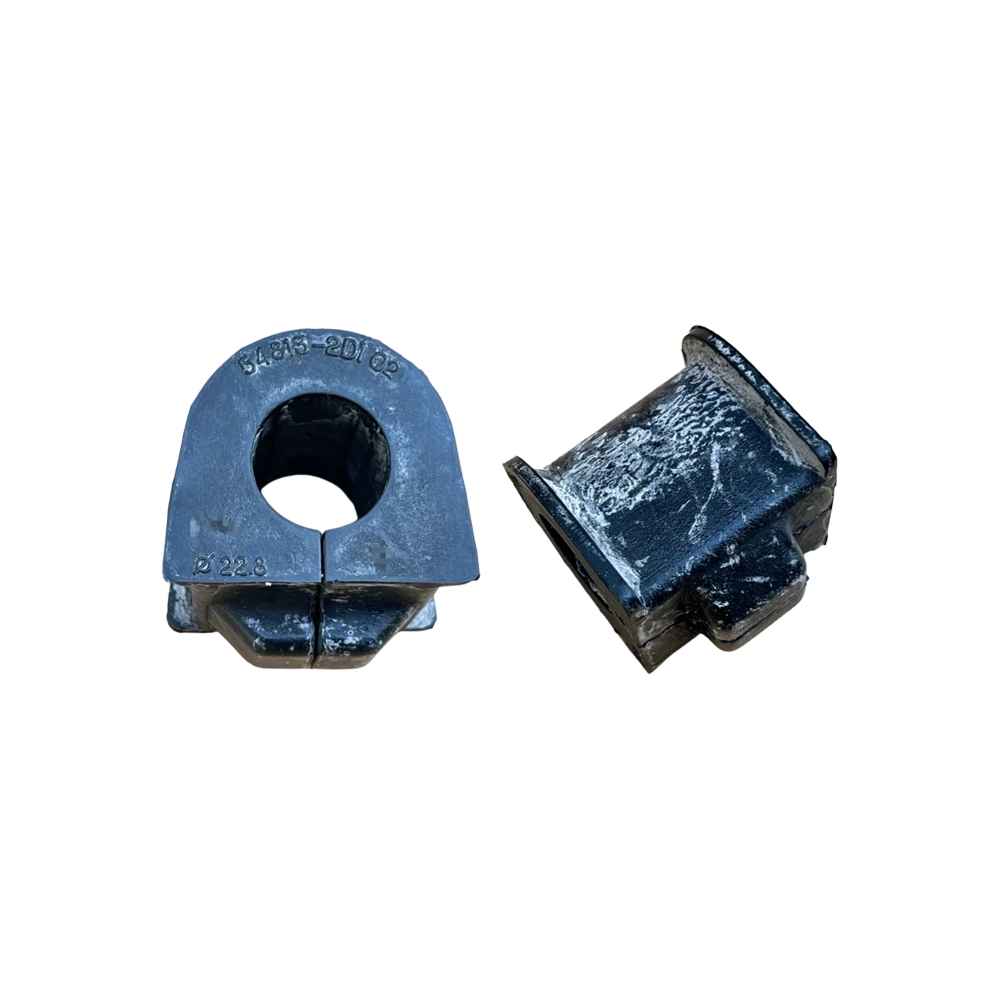
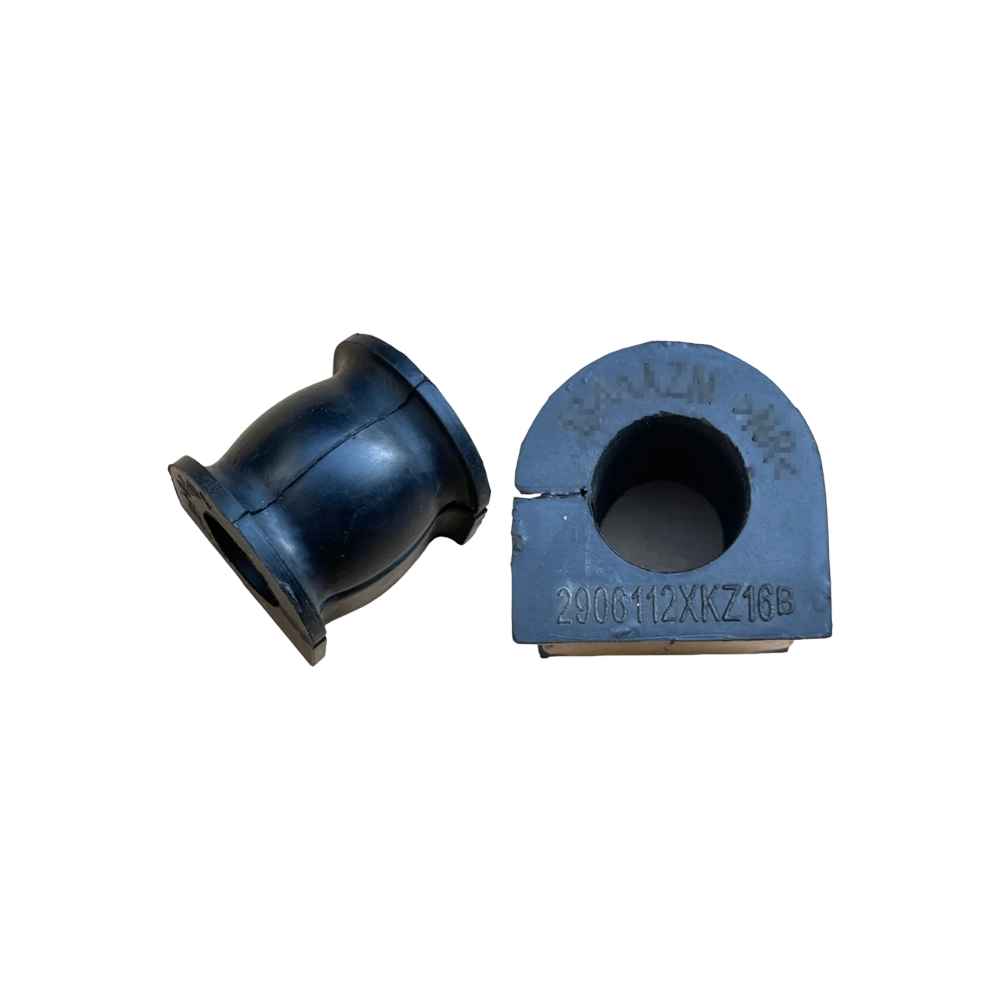
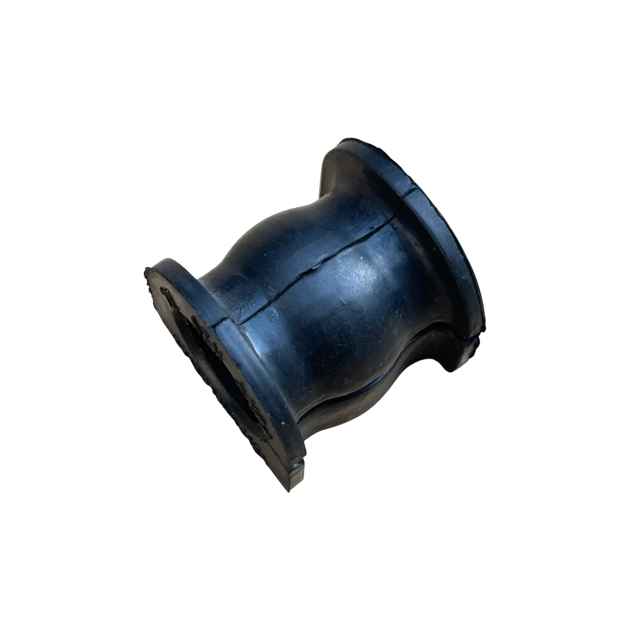
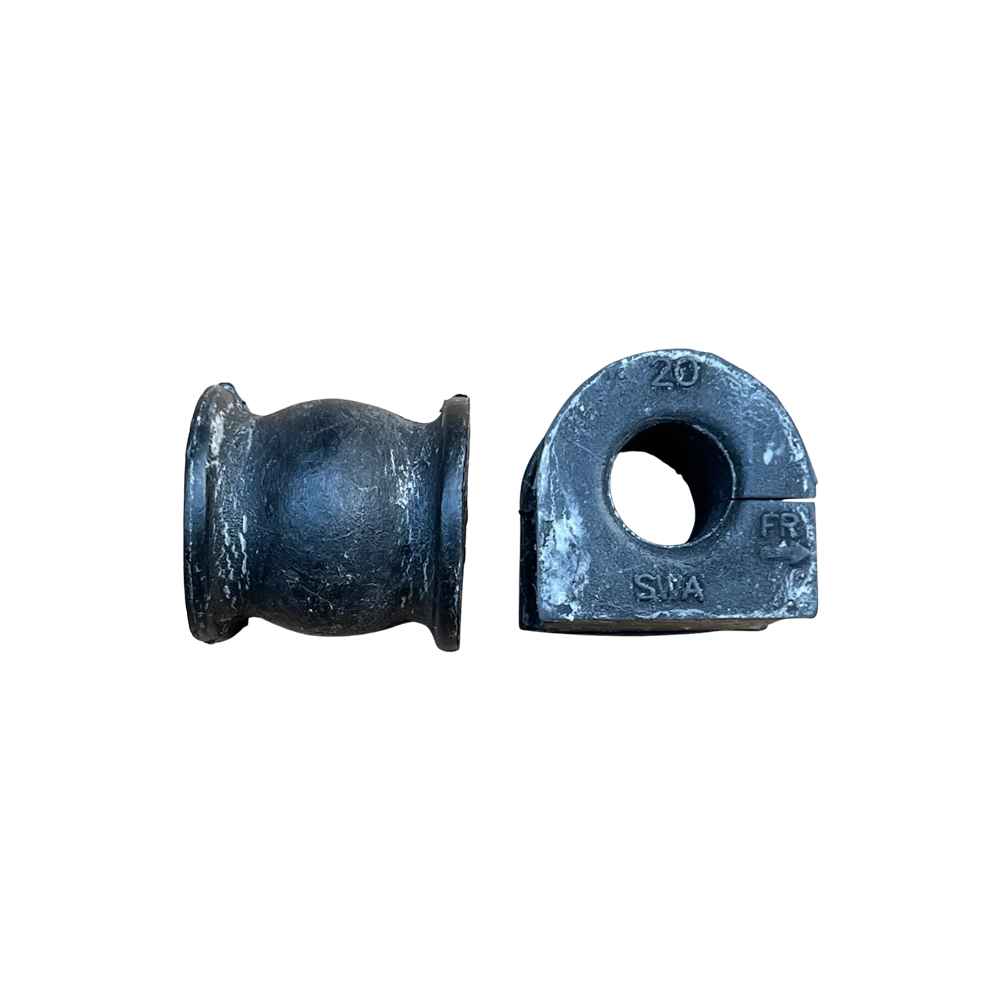
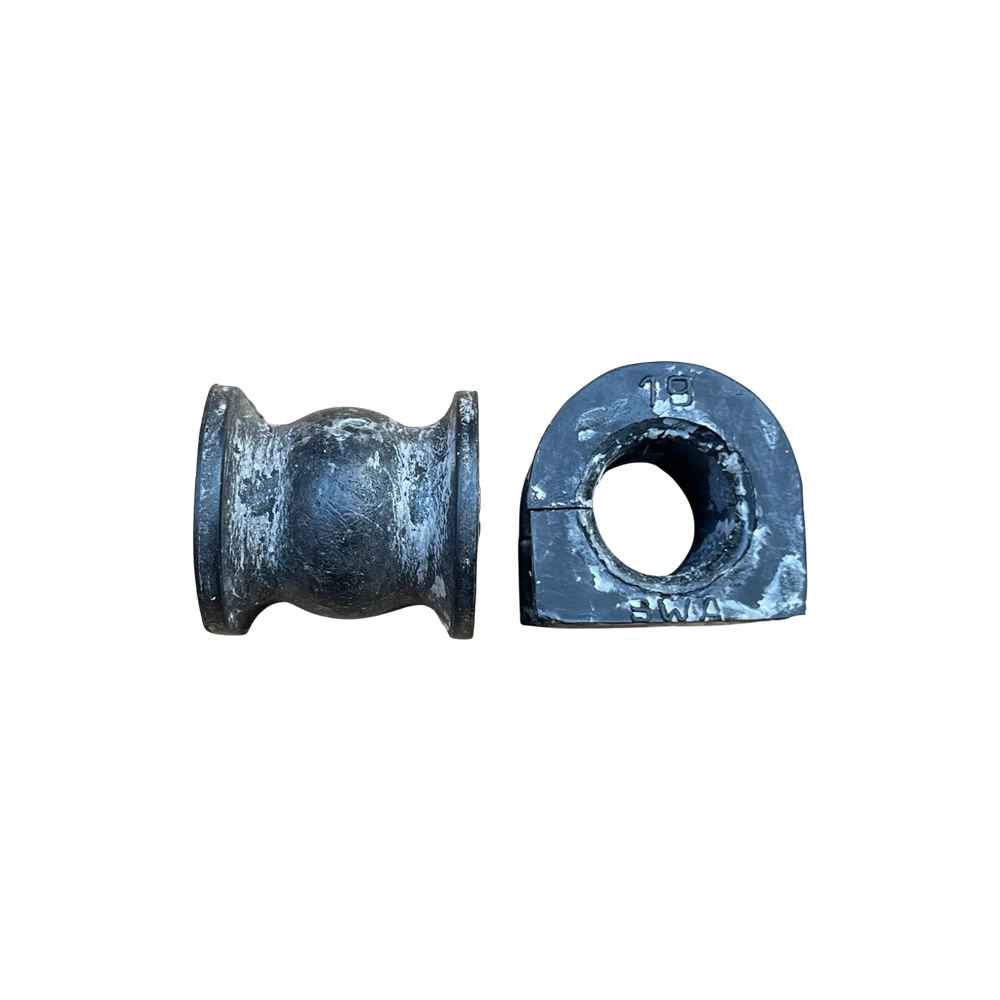
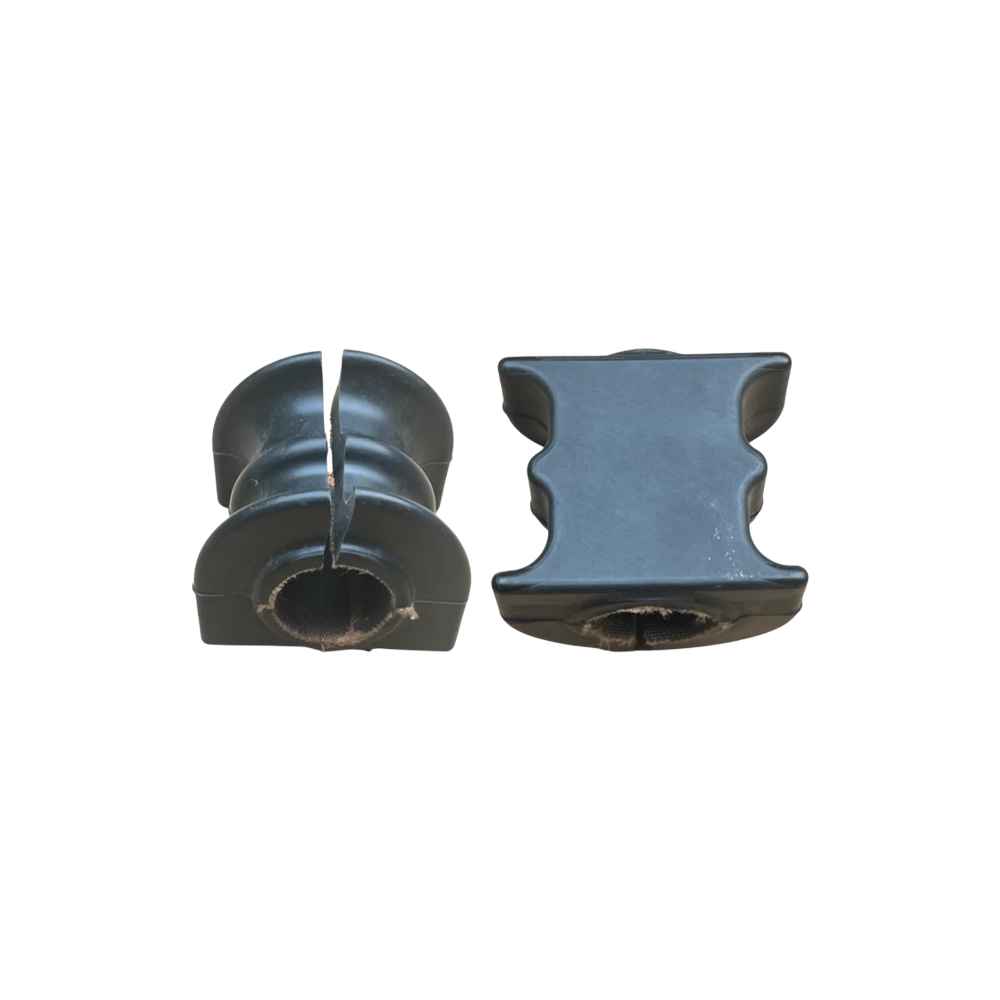
- Stabilizer Bar Bushings: While primarily used for stabilization, they often come with their own protective sleeves that function similar to boots.
- Valve Cover Gasket: This is another sealing component, important for ensuring that oil does not leak from the engine.
Common Issues Associated with Worn-Out Boots
As with any mechanical part, wear and tear is inevitable. Signs of worn-out boots can include:
- Cracks or tears in the rubber material
- Grease leakage around joints
- Unusual noises during operation, signifying that dirt has entered the joint area
Maintenance Tips for Driveshaft Boots
To enhance the longevity of your driveshaft boots, regular inspection and maintenance are key. Here are some practical tips:
- Conduct regular visual checks for cracks or signs of wear.
- Keep the undercarriage clean to prevent premature degradation.
- Address any leaks immediately; don't wait for symptoms to worsen.
- Consider using high-quality replacements like those offered by Guanghua when it's time for a change.
Installation and Replacement Considerations
Replacing driveshaft boots may seem straightforward, but it requires attention to detail. Here’s what to consider during installation:
- Ensure that the new boots are compatible with the specific vehicle model.
- Use appropriate grease for joints to prevent friction damage.
- Follow manufacturer instructions for proper fitting to avoid misalignment.
Conclusion
While this guide serves as a professional overview of driveshaft boots in chassis steering and suspension systems, remember that proactive maintenance is essential for vehicle longevity. Whether you’re a seasoned mechanic or a DIY enthusiast, understanding these components will help you make informed decisions and keep your vehicle running smoothly for years to come.