
Understanding the Role of Dust Covers in Automotive Hydraulic Systems
In automotive hydraulic systems, dust covers play a critical role in maintaining system efficiency and longevity. They serve as protective barriers that prevent particulate contamination from entering sensitive components, thus ensuring optimal performance and reducing wear.
Types of Dust Covers
The diversity of dust covers available on the market reflects the variety of applications they are designed for. Generally, they can be categorized into several types:
- CV Joint Boots : Specifically designed to protect constant velocity joints from dirt and moisture, these boots are essential for maintaining proper joint function.
- Steering Rack Boots : These boots safeguard the steering rack assembly by sealing out contaminants, which could lead to steering difficulties or failures.
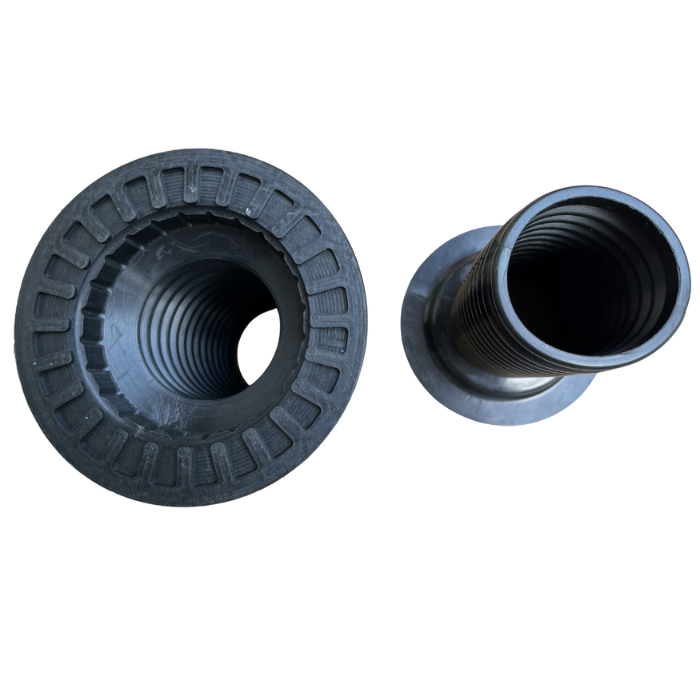
- Shock Absorber Boots : Used primarily for protecting shock absorbers from debris and environmental factors, these boots prolong the life and effectiveness of the suspension system.
- O-Rings & Rubber Sealing Rings: While not typically classified as dust covers, these seals are crucial for preventing leaks in hydraulic systems, thereby indirectly contributing to overall system protection.
Materials Used in Dust Covers
Dust covers are manufactured from various materials, each chosen for specific properties such as flexibility, durability, and resistance to heat and chemicals. Common materials include:
- Rubber: A popular choice due to its excellent elasticity and resilience, rubber is often used in CV joint boots and steering rack boots.
- Polyurethane: This synthetic material offers superior abrasion resistance, making it ideal for applications where exposure to harsh environments is expected.
- Vinyl: Lightweight and flexible, vinyl dust covers are commonly used in less demanding situations.
Installation Considerations
Proper installation of dust covers is paramount to their effectiveness. Any mistakes during installation can compromise their ability to seal out contaminants. Factors to consider include:
- Ensuring the correct size: Dust covers must fit snugly over the component they are meant to protect to prevent any ingress of dirt.
- Using appropriate adhesives: Some dust covers require adhesive for secure attachment, particularly when subjected to movement or vibration.
- Regular inspection: Routine checks should be conducted to ensure dust covers remain intact and functional; any signs of wear or damage should prompt immediate replacement.
Impact of Dust Contamination on Hydraulic Systems
Contaminants such as dust, grit, and moisture can wreak havoc on hydraulic systems, leading to premature wear or catastrophic failure. For instance, contaminated hydraulic fluid can impair the system's ability to transmit force effectively, resulting in sluggish operation or erratic movements. The role of dust covers becomes increasingly important in thwarting such issues.
Common Problems Related to Dust Cover Failure
Failure of dust covers can manifest through various problems within the hydraulic system:
- Leaking Fluids: When a dust cover fails, it may result in fluid leaks, compromising system integrity.
- Entry of Foreign Particles: Dust and debris can infiltrate the system, causing abrasive wear on components such as pistons and cylinders.
- Increased Maintenance Costs: Frequent breakdowns and consequent repairs necessitated by dust cover failure can significantly escalate maintenance expenses.
Brand Insights and Standards
When choosing dust covers, it's prudent to consider reputed brands known for their quality and reliability. Guanghua, for example, offers a range of high-quality dust covers engineered to meet stringent industry standards. Their products undergo rigorous testing to ensure they withstand the rigors of automotive applications.
Conclusion on Selecting the Right Dust Cover
Selecting the appropriate dust cover involves careful consideration of the specific application, environmental conditions, and compatibility with existing components. Regular maintenance and timely replacements will help ensure that hydraulic systems continue to function optimally, minimizing downtime and extending vehicle lifespan. Through informed choices and proactive measures, automotive professionals can safeguard hydraulic systems against the perils of dust contamination.







