Understanding Sway Bars in Off-Road Vehicles
Sway bars, also known as anti-roll bars, play a critical role in enhancing the handling and stability of both front and rear suspensions in vehicles designed for high-performance off-road activities. Their primary function is to reduce body roll during cornering by transferring lateral forces from one side of the vehicle to the other.
Components of Sway Bar Systems
A sway bar system comprises several essential components that work together to deliver optimal performance. These include:
- Sway Bar: The main component that connects the left and right suspension systems, preventing excessive body lean.
- End Links: These connect the sway bar to the vehicle's suspension, facilitating the transfer of forces.
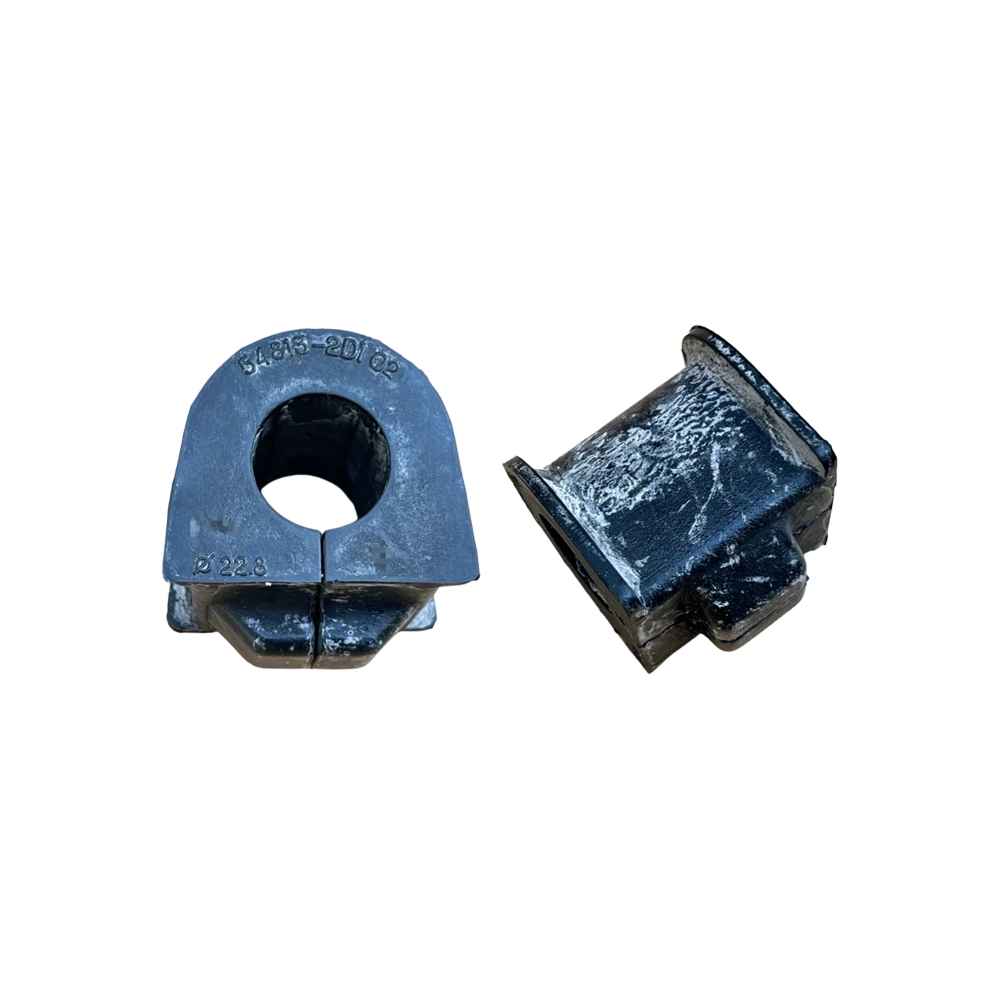
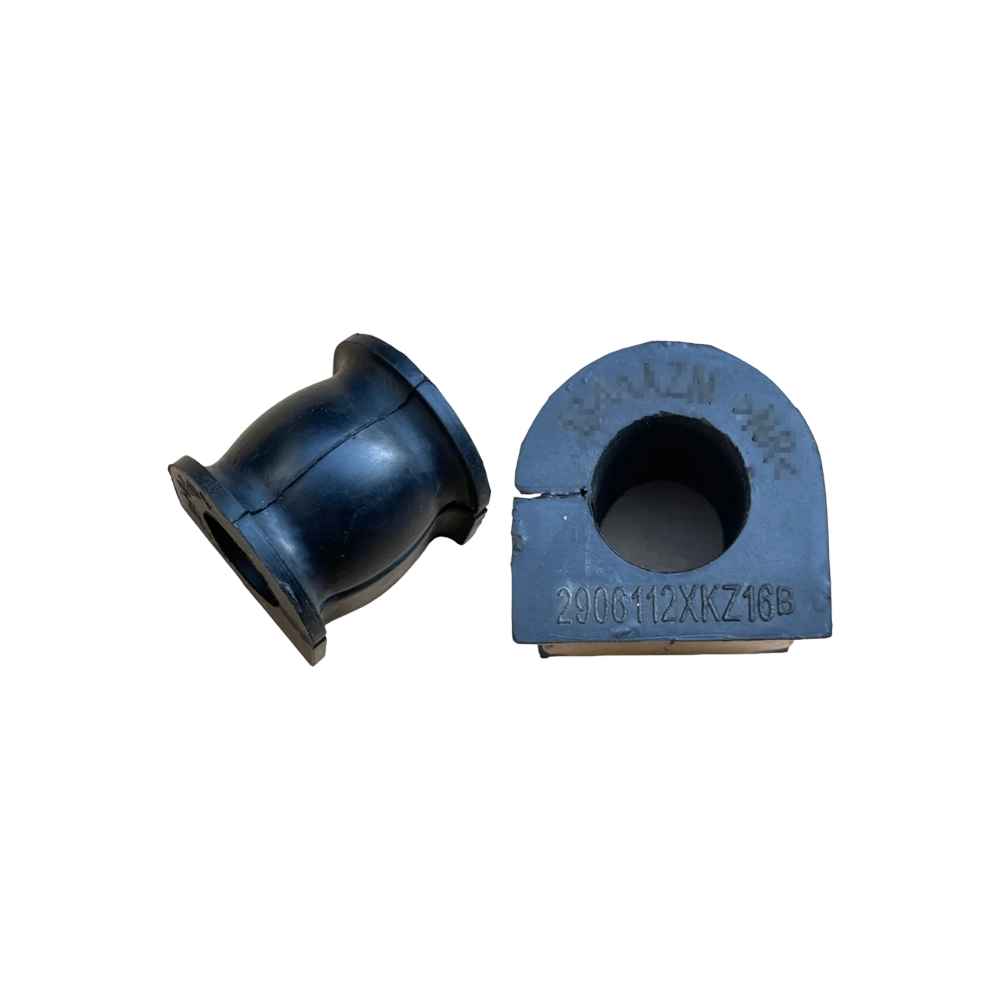
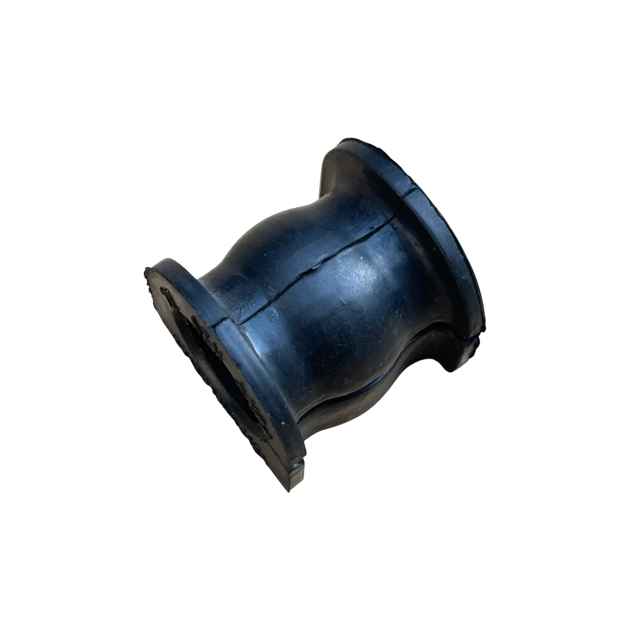
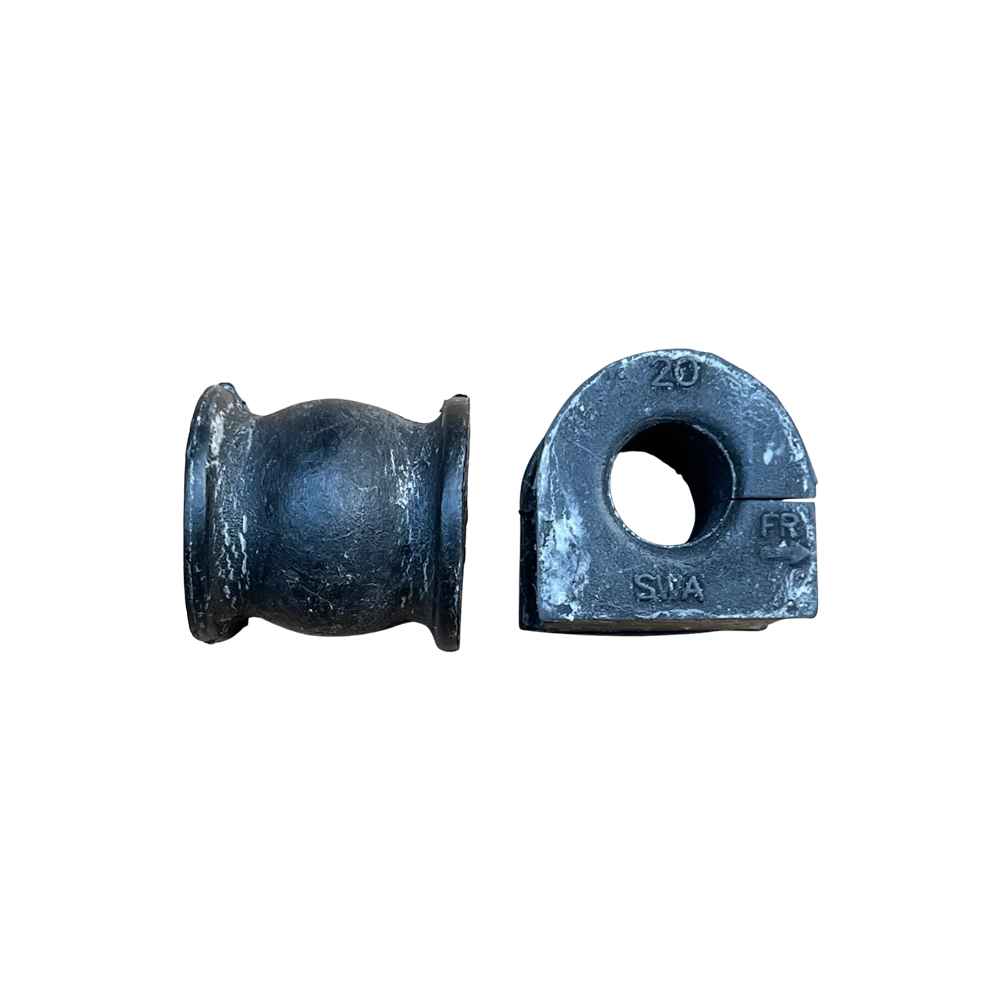
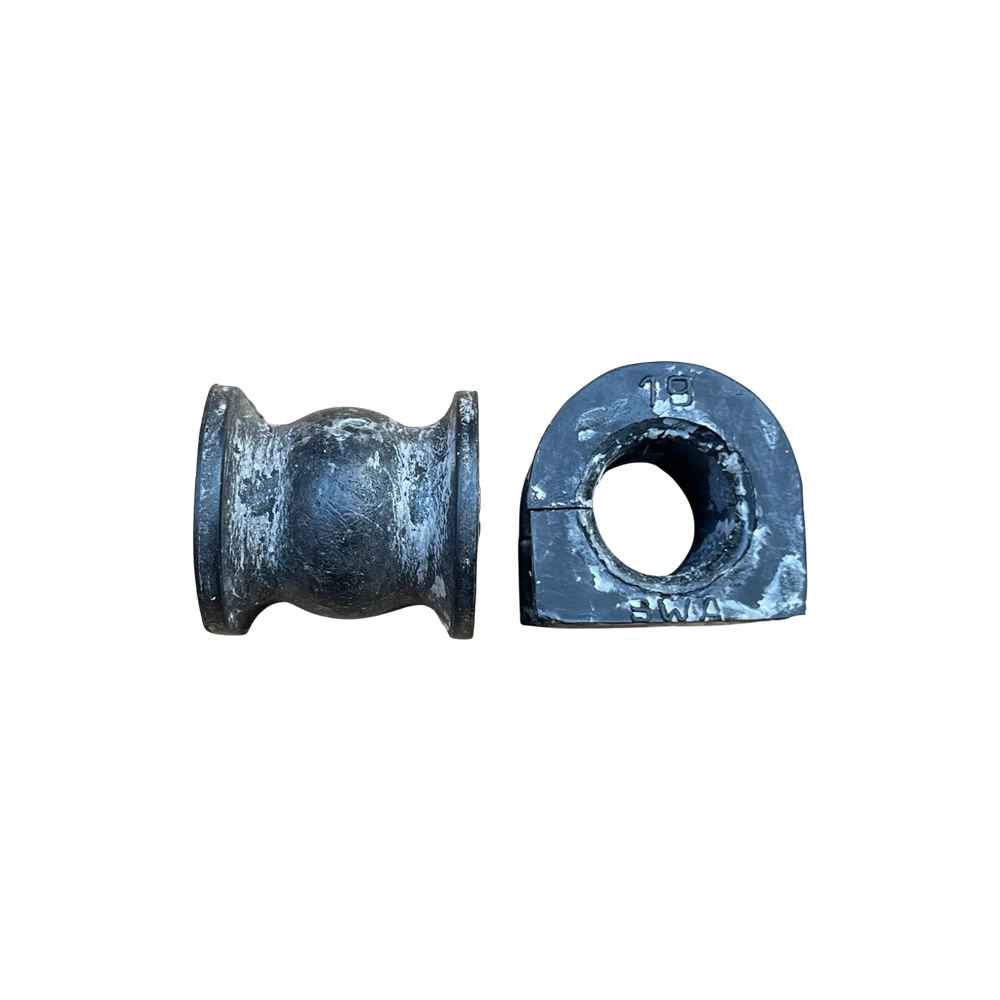
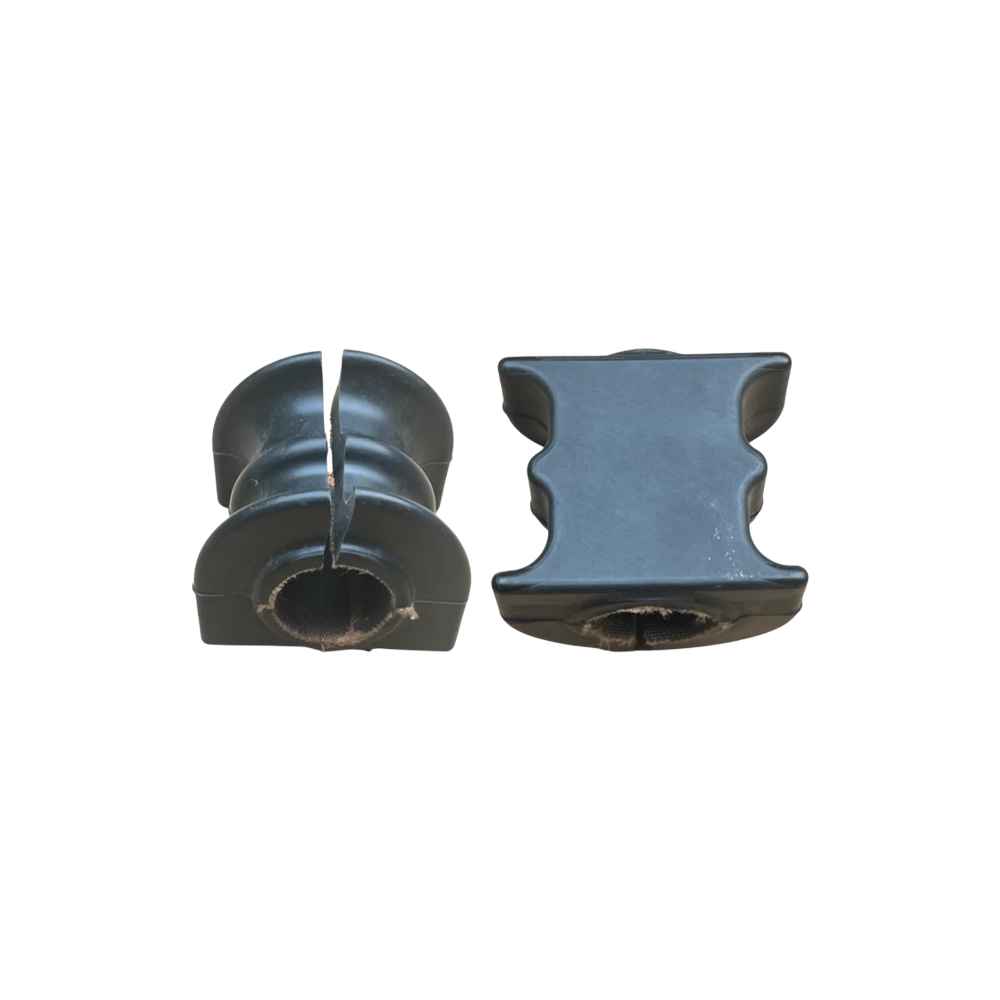
- Bushings: Often made from rubber or polyurethane, they secure the sway bar to the chassis and allow slight movement while minimizing noise and vibrations.
Benefits of Upgrading Sway Bars
Opting for high-performance sway bars can significantly enhance the driving dynamics of off-road vehicles. Some of the key benefits include:
- Improved Handling: A stiffer sway bar reduces body roll, allowing for sharper turns and improved cornering capabilities.
- Increased Stability: Enhanced lateral control leads to greater stability, especially when traversing uneven terrain.
- Better Ride Quality: High-quality bushings and end links can minimize harshness, resulting in a smoother ride over bumps and obstacles.
Choosing Between Front and Rear Sway Bars
Deciding whether to upgrade the front or rear sway bar often depends on the desired handling characteristics of the vehicle. While a stiffer front sway bar generally improves turn-in response and reduces understeer, upgrading the rear sway bar can help mitigate oversteer by making the rear suspension firmer.

Front Sway Bar Upgrades
For vehicles primarily used in competitive off-road racing, enhancing the front sway bar may be advantageous. This is particularly true in scenarios where quick directional changes are essential for maneuvering through tight trails.
Rear Sway Bar Upgrades
Conversely, a rear sway bar upgrade can provide a more balanced feel, which is critical for high-speed desert running or heavy rock crawling conditions, where maintaining traction is paramount.
Installation Considerations
Installing sway bars is a task that can be accomplished with basic mechanical skills; however, certain considerations should not be overlooked:
- Compatibility: Ensure that the chosen sway bar fits the specific make and model of the vehicle.
- Tools Required: Basic hand tools, including wrenches and sockets, are typically all that's needed for installation.
- Professional Assistance: If uncertain about the installation process, seeking help from professionals specializing in off-road upgrades is always a wise choice.
The Role of Supporting Components
While sway bars are vital, their effectiveness can be compromised if other suspension components aren't in prime condition. For instance, worn Steering Rack Boots or damaged Shock Absorber Boots can lead to deterioration in handling performance. Additionally, ensure that O-Rings & Rubber Sealing Rings are intact to maintain a proper seal throughout the suspension system.
Top Brands for Sway Bar Upgrades
When it comes to selecting aftermarket sway bars, several reputable brands stand out. Among these, Guanghua offers a range of robust options designed specifically for harsh off-road environments. Their products are known for durability and superior performance under extreme conditions.
Conclusion
Upgrading sway bars in high-performance off-road vehicles is a strategic choice for enhancing handling, stability, and overall ride quality. Whether opting for a front or rear sway bar upgrade, careful consideration of the associated components, such as bushings and seals, will ensure the best possible results. Maintaining the integrity of all related parts ensures optimal performance and longevity of the vehicle’s suspension system.