Understanding Sway Bars in Vehicle Driveline
Sway bars, also known as anti-roll bars, are essential components that play a significant role in enhancing the stability and handling of vehicles. They connect the left and right sides of the suspension system, preventing excessive body roll during cornering. Whether you’re dealing with a front or rear sway bar, understanding its function is crucial for effective driveline and axle repair.
How Sway Bars Work
When a vehicle turns, centrifugal force causes the body to lean away from the direction of the turn. A sway bar helps counteract this motion by twisting and creating opposing forces on each side of the vehicle. This reduces body roll and improves traction, making your ride smoother and safer.
Signs of Worn Sway Bars
Identifying issues with sway bars can save you from more serious problems down the line. Here are some common signs that indicate wear:
- Unusual Noises: If you hear clunking or rattling noises while driving, it may be time to check your sway bar links.
- Poor Handling: A noticeable decline in your vehicle's handling and stability, especially during turns, suggests that your sway bar might be failing.
- Visible Damage: Inspecting the sway bar for cracks or bending can reveal potential issues.
Front vs. Rear Sway Bars
Understanding the distinction between front and rear sway bars is vital. Each serves a unique purpose based on the vehicle’s design and handling characteristics.
Front Sway Bars
Front sway bars are typically larger and thicker than their rear counterparts. They are designed to minimize understeer, helping the front tires maintain better contact with the road. In high-performance applications, upgrading to a stiffer front sway bar can significantly improve cornering capabilities.
Rear Sway Bars
On the other hand, rear sway bars help control oversteer. Vehicles with rear sway bars often experience improved stability during sharp turns. However, it’s important to achieve a balance; an overly stiff rear sway bar can lead to unpredictable handling behavior.
Choosing the Right Sway Bar
Selecting the appropriate sway bar requires consideration of both driving style and vehicle type. For instance, those who enjoy aggressive driving or track days may prefer a stiffer setup, whereas daily drivers might prioritize comfort.
Material and Design
Most sway bars are made from steel, but some high-end options feature aluminum for reduced weight. When choosing a sway bar, consider the construction quality, as durable materials will provide longevity and reliability.
Installation and Maintenance
Proper installation of sway bars is critical. It’s advisable to have them installed by a professional unless you're experienced in automotive repairs. Maintaining sway bars involves periodic inspections for signs of wear, particularly focusing on bushings and end links.
Tools Needed for Installation
If you decide to do it yourself, here are the essential tools you'll need:
- Socket set
- Wrenches
- Torque wrench
- Jack and jack stands
After removing the old sway bar, ensure the new unit is securely fastened and properly torqued, according to the manufacturer's specifications.
Connections with Other Components
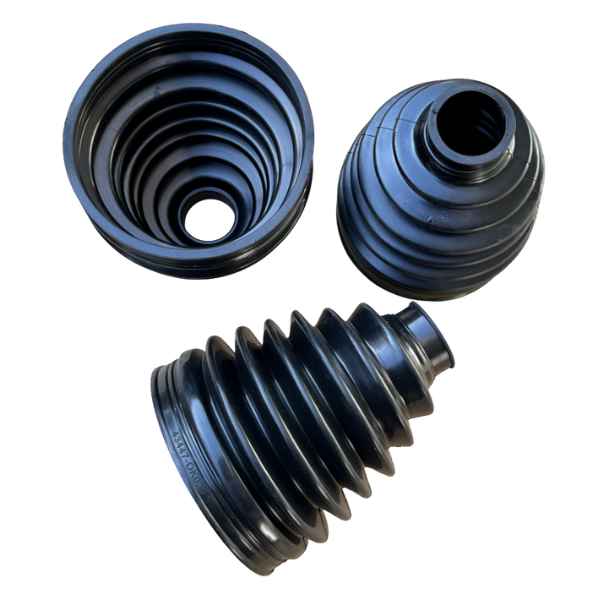
Sway bars work in conjunction with various other vehicle components. For instance, worn out Steering Rack Boots or Shock Absorber Boots can lead to compromised sway bar performance. Regularly inspecting these parts ensures that your sway bar maintains optimal functionality.
Synergy with Stabilizer Bar Bushings
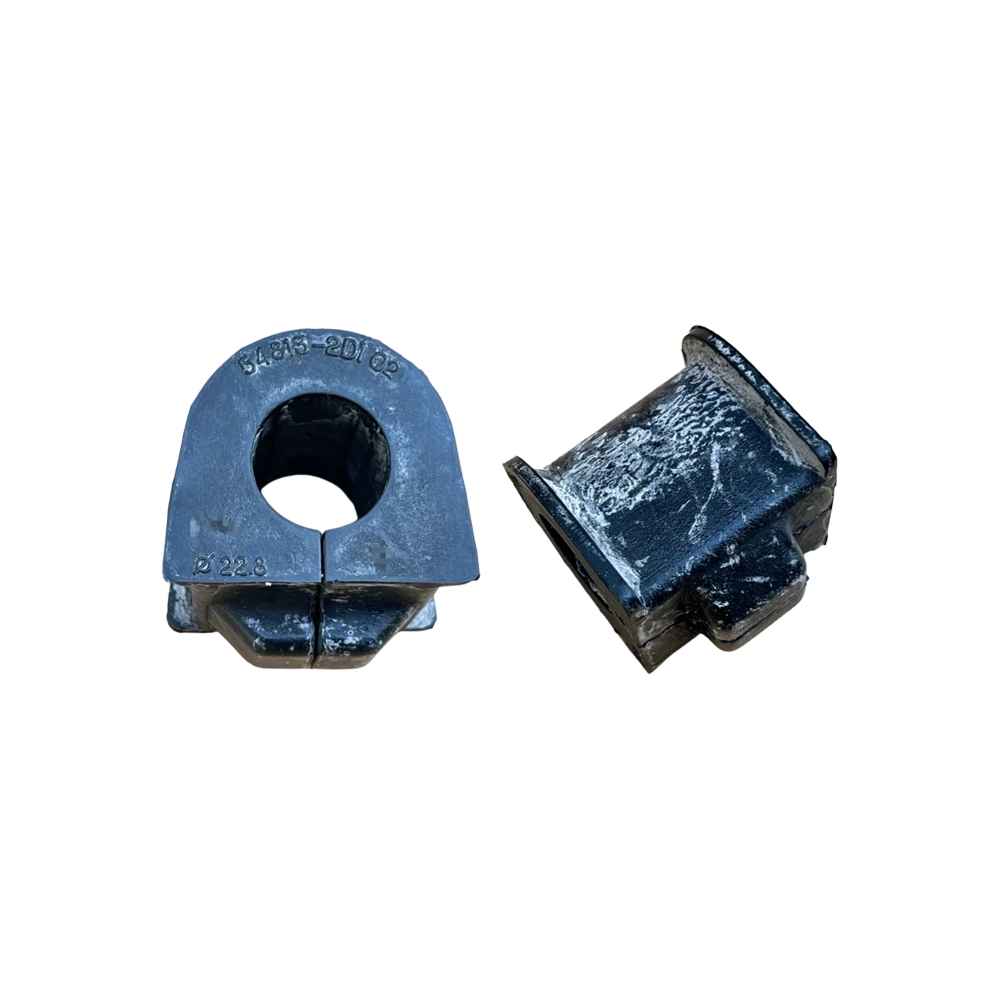
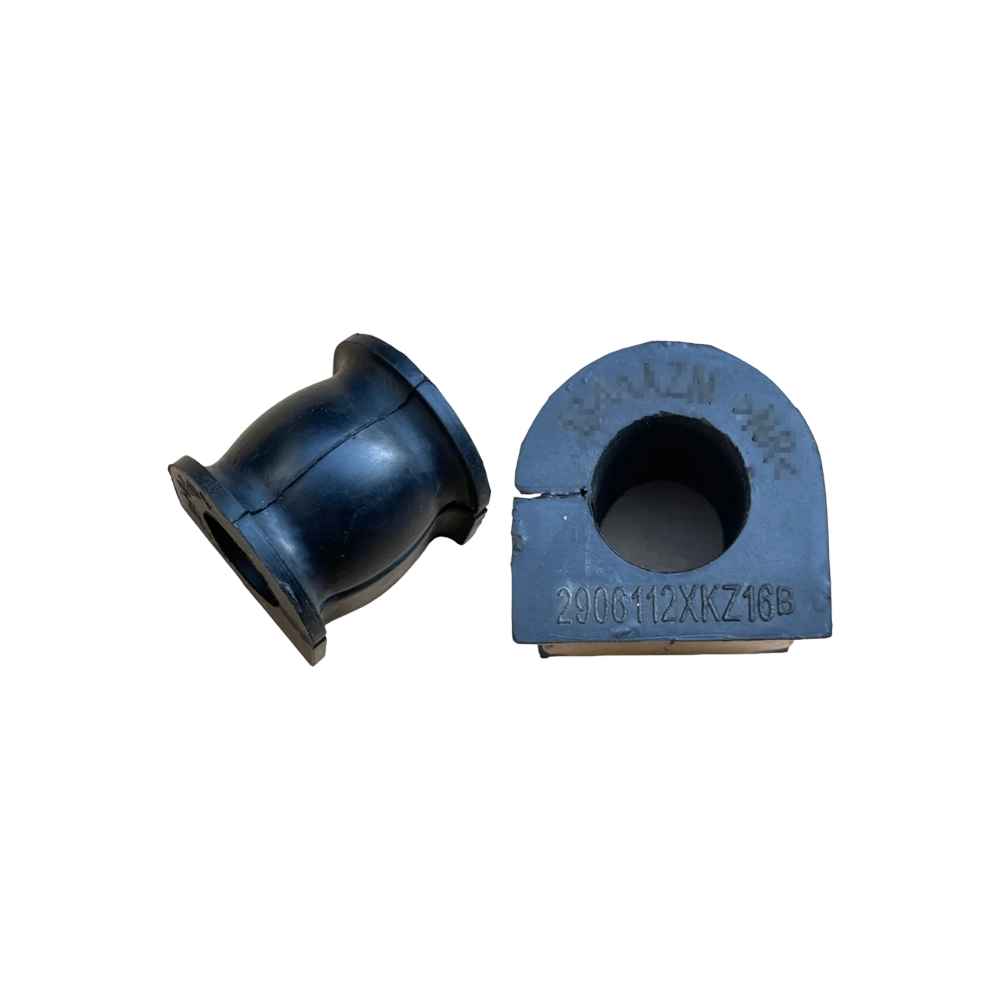
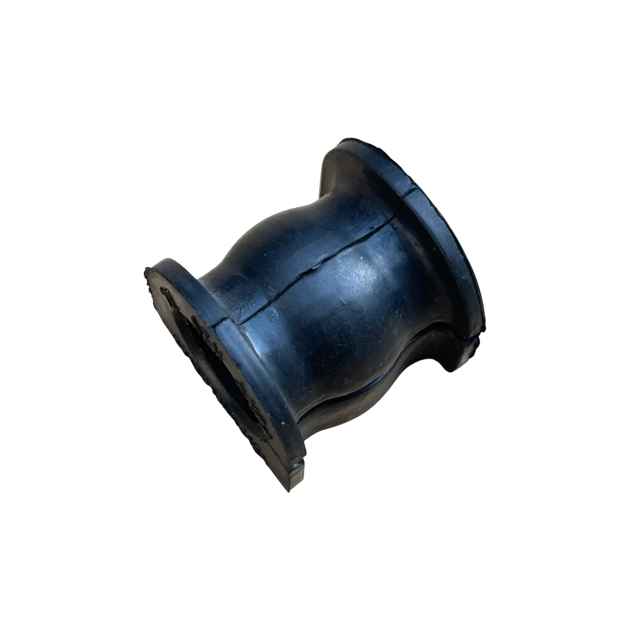
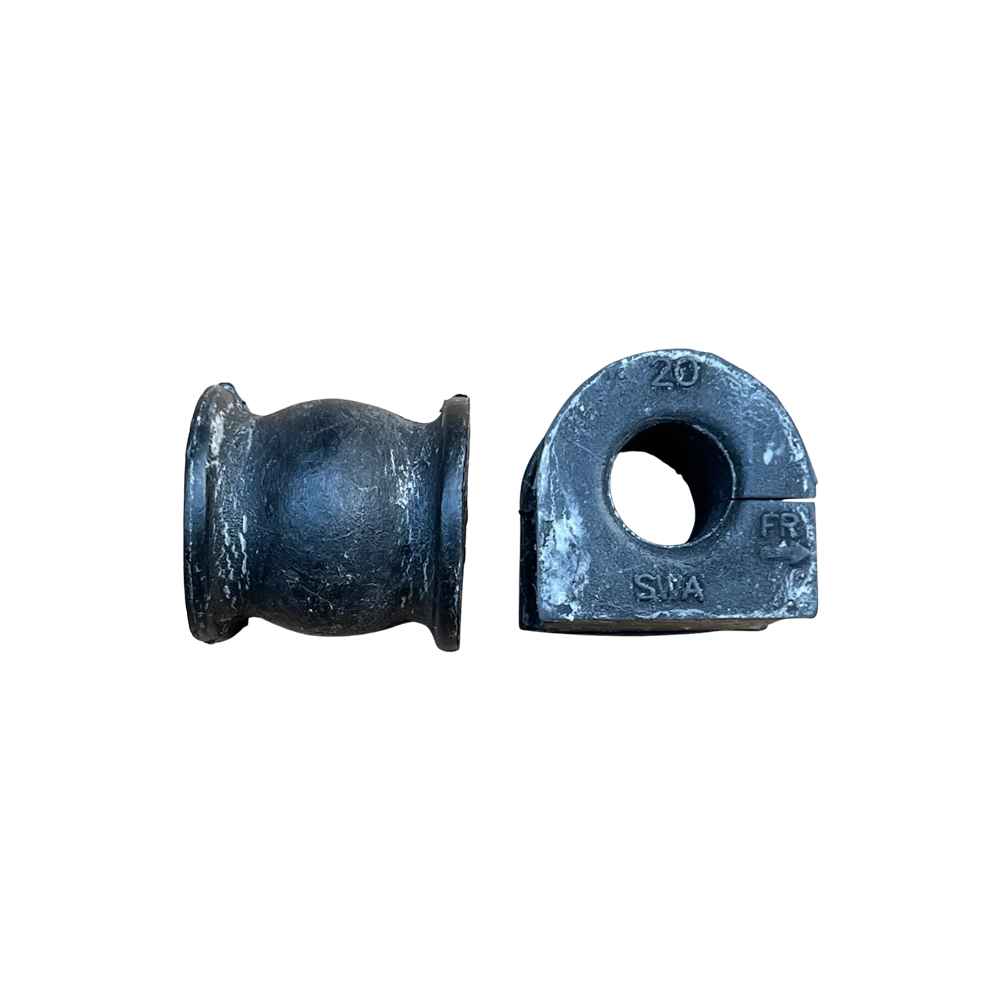
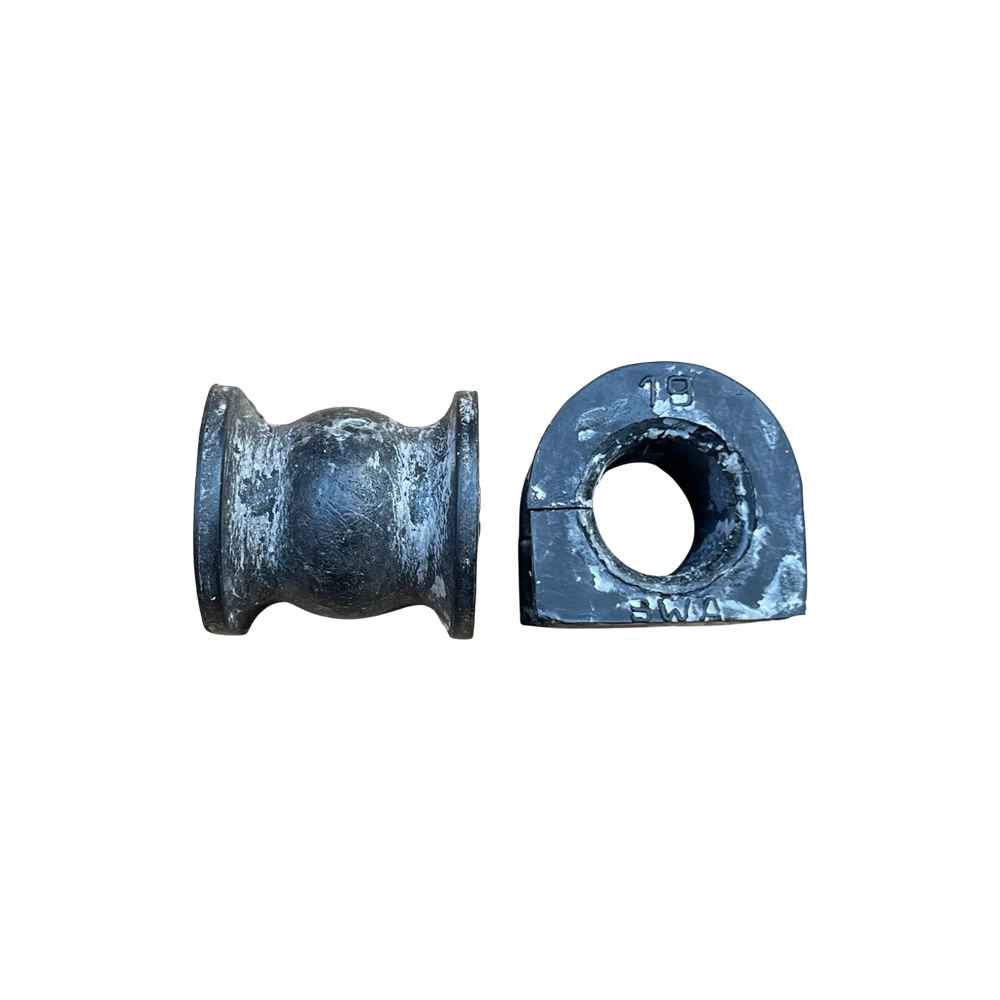
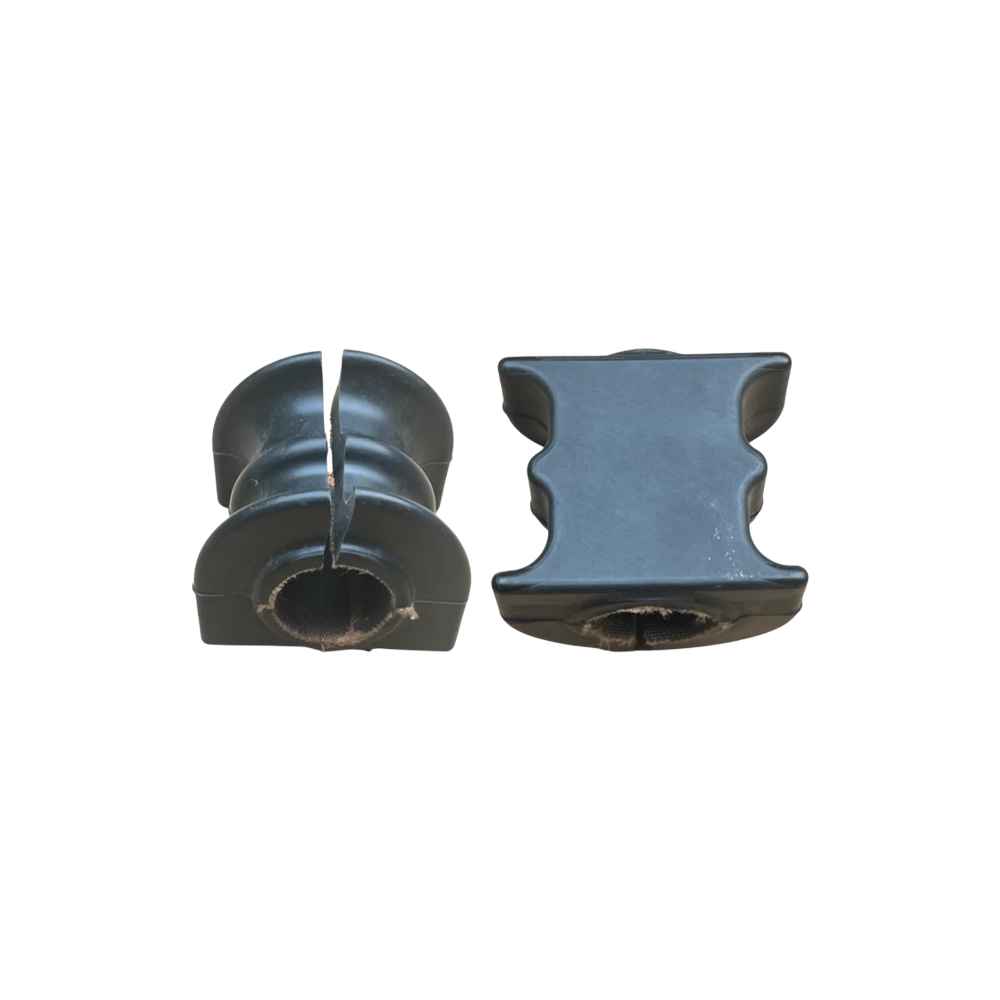
The stabilizer bar bushings play a crucial role in connecting the sway bar to the chassis. Replacing worn bushings is often a straightforward task that can provide immediate improvements in handling.
Conclusion: Enhancing Performance with Quality Parts
Ultimately, whether you opt for a high-performance sway bar or choose to replace worn bushings, ensuring all components work harmoniously is key to optimizing your vehicle's driveline and axle system. Brands like Guanghua offer reliable parts for components like Valve Cover Gaskets and O-Rings & Rubber Sealing Rings , which further enhance overall performance.
Being informed about your sway bar and its related components empowers you to make choices that improve your vehicle's handling and safety. Remember, proper maintenance and timely replacements can go a long way in extending the life of your drivetrain system.