The Hydraulic Steering Mechanism
Hydraulic steering systems are not just an accessory; they are a game-changer. Think about it—what makes your vehicle respond so smoothly? It's that hydraulic force at work, converting effort into motion seamlessly. It’s fascinating! The core of this mechanism is the hydraulic pump, which generates pressure and enables effortless steering.
Components of Hydraulic Steering
- Steering Gear: This is where magic happens. The steering gear translates the rotational motion of the steering wheel into lateral movement of the wheels.
- Hydraulic Pump: Vital for generating pressure. This pump ensures the system operates under optimal conditions, delivering necessary fluid to the system.
- Fluid Reservoir: A storage unit for hydraulic fluid, ensuring a constant supply during operation. Did you know that the quality of fluid can impact performance?
- Hoses and Lines: These carry hydraulic fluid throughout the system. Poor connections or damaged hoses might lead to leaks—a nightmare scenario!
The Role of Chassis in Steering Performance
A strong chassis is imperative. You can't overlook the importance of stability. When a vehicle encounters bumps or turns sharply, the chassis helps maintain control. The relationship between the chassis and hydraulic steering is symbiotic. The chassis provides structure, while the hydraulic system enhances maneuverability. Together, they create a responsive driving experience.
Common Issues with Hydraulic Steering
Imagine you're cruising down the highway when suddenly, the steering feels off. Frightening, right? Problems often stem from:
- Fluid Leaks: A cracked reservoir or worn hoses can lead to low fluid levels.
- Pump Failure: Over time, pumps can wear out. If the pump fails, you’re left with manual steering—yikes!
- Contaminated Fluid: Dirt or debris can compromise fluid integrity. Change it regularly!
Why Choose Quality Components?
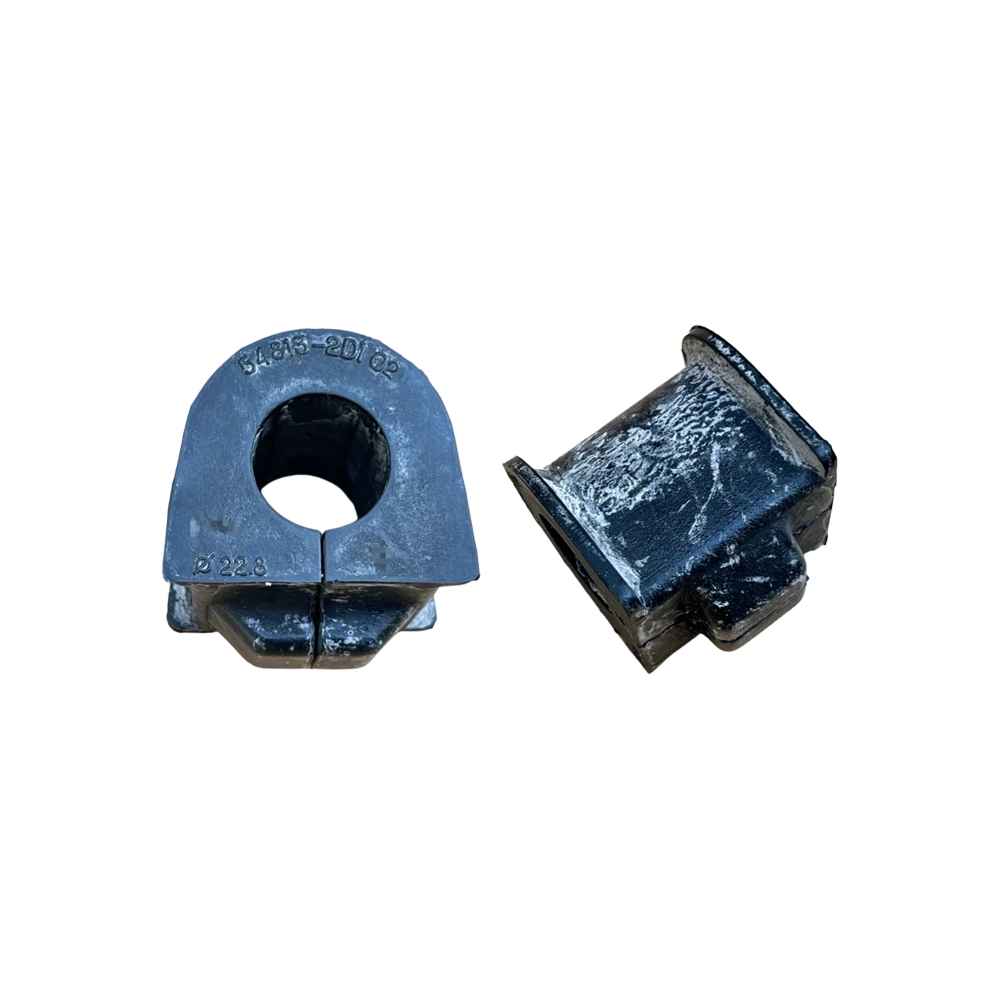
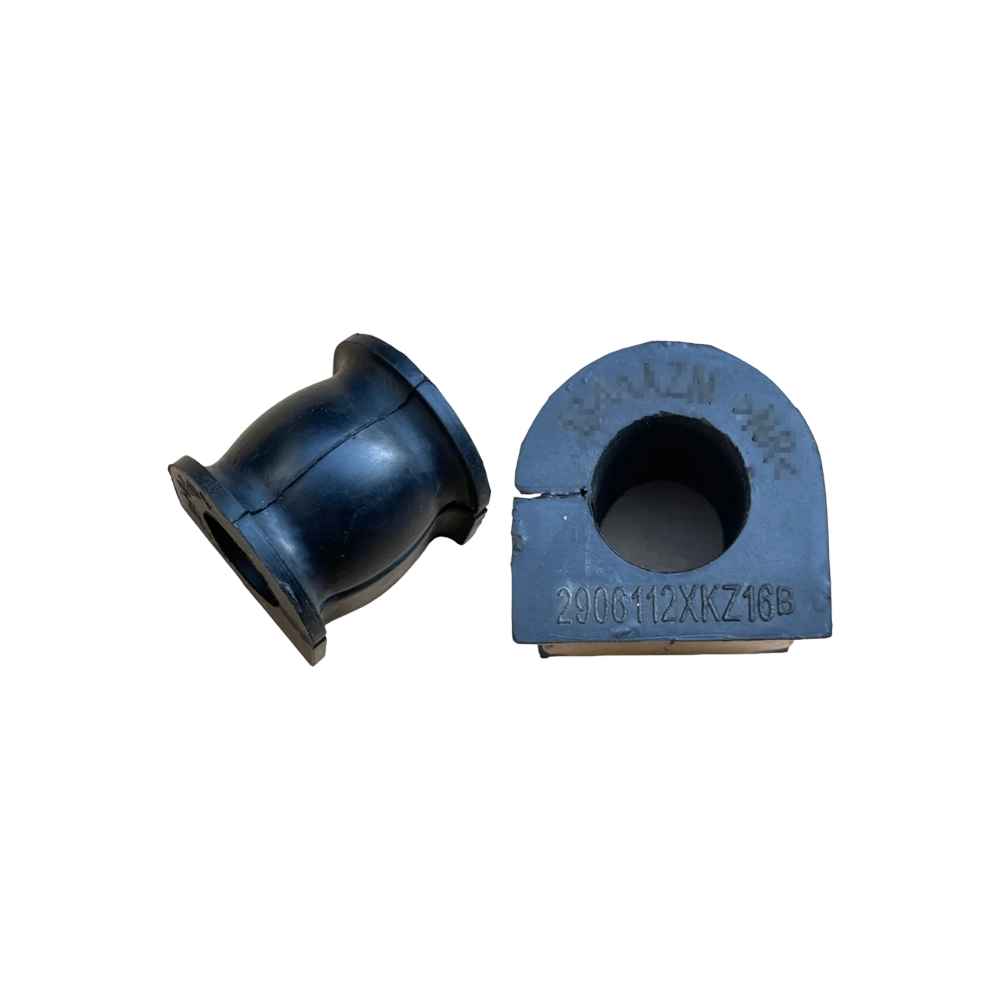
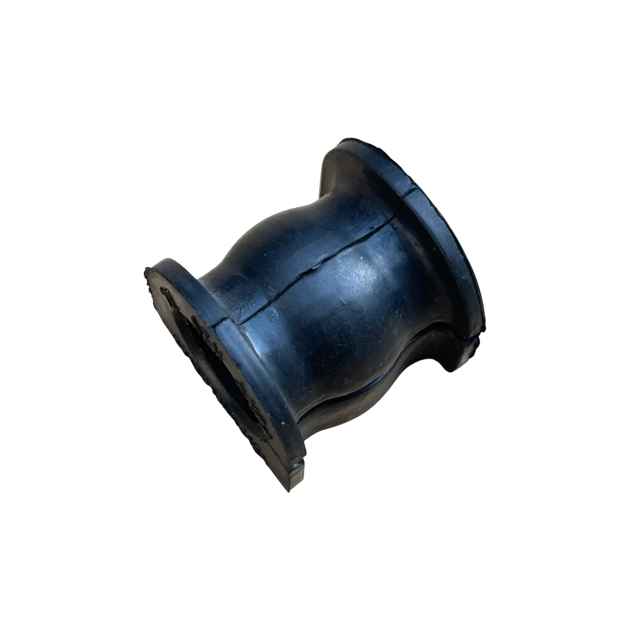
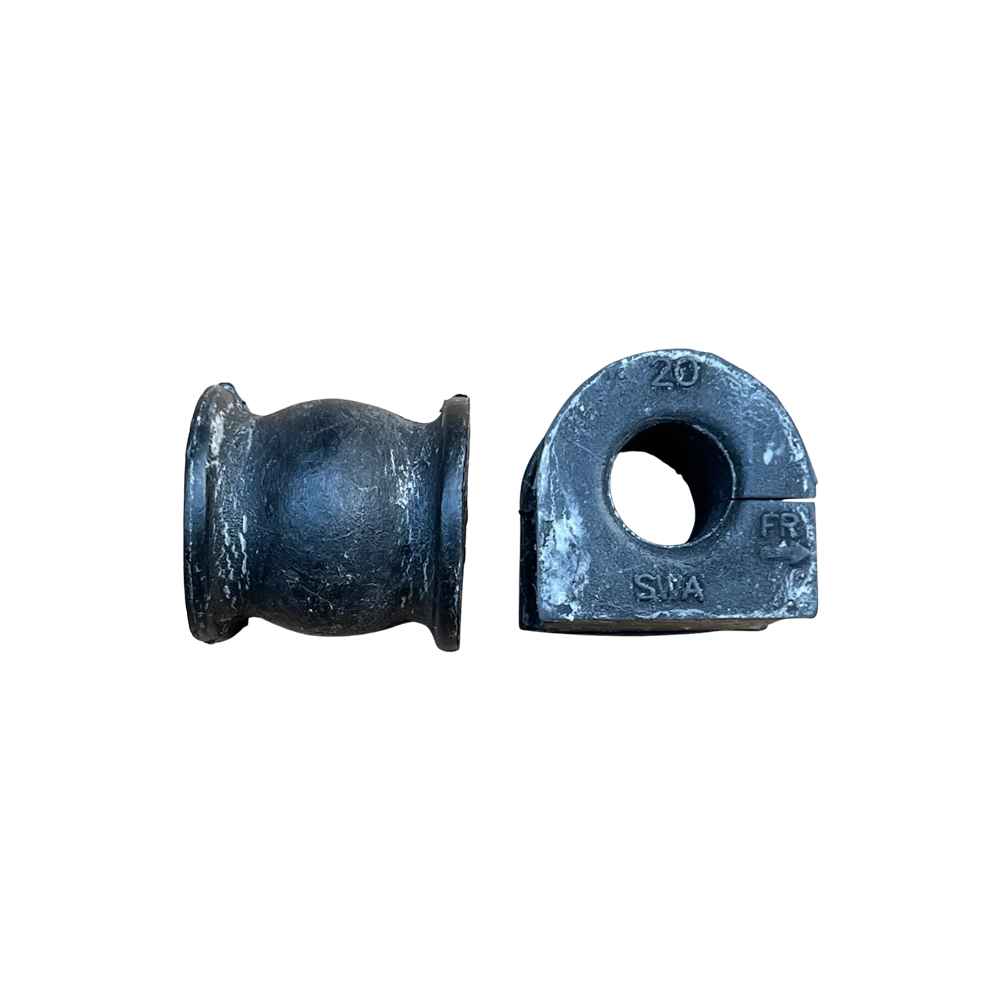
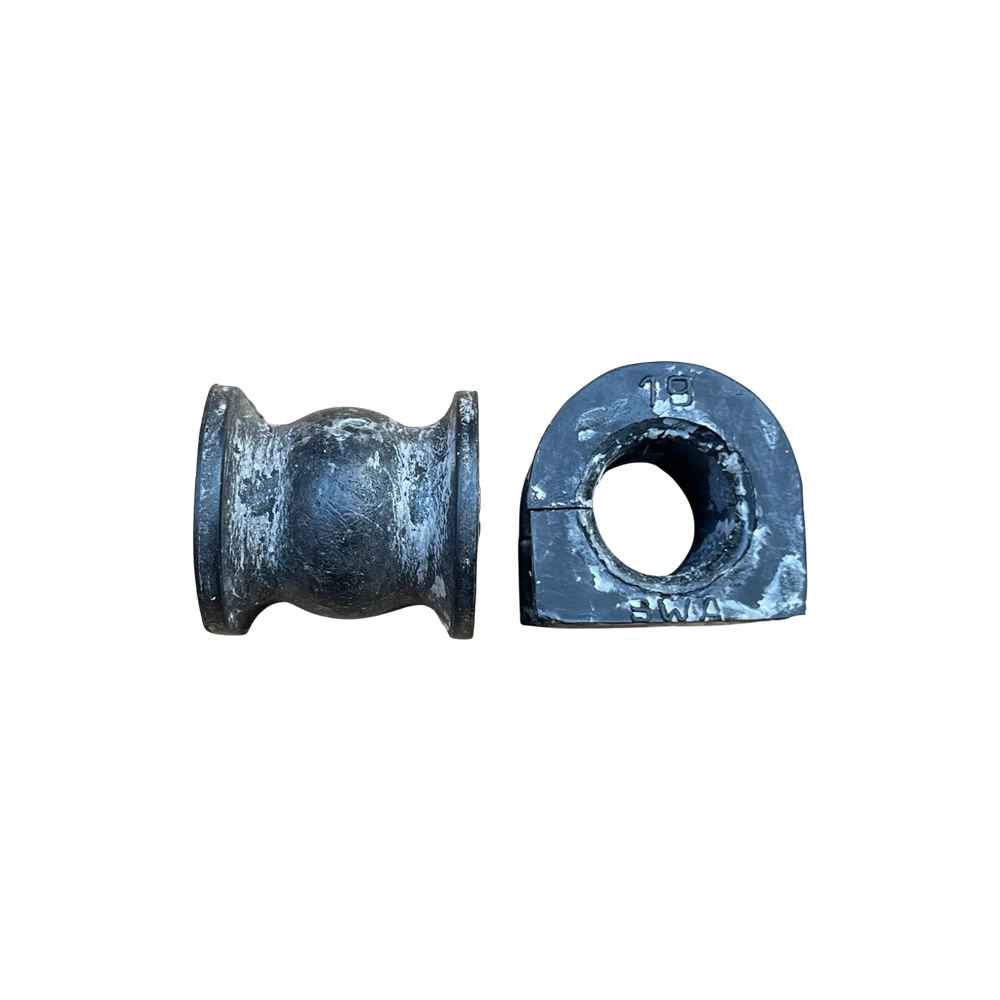
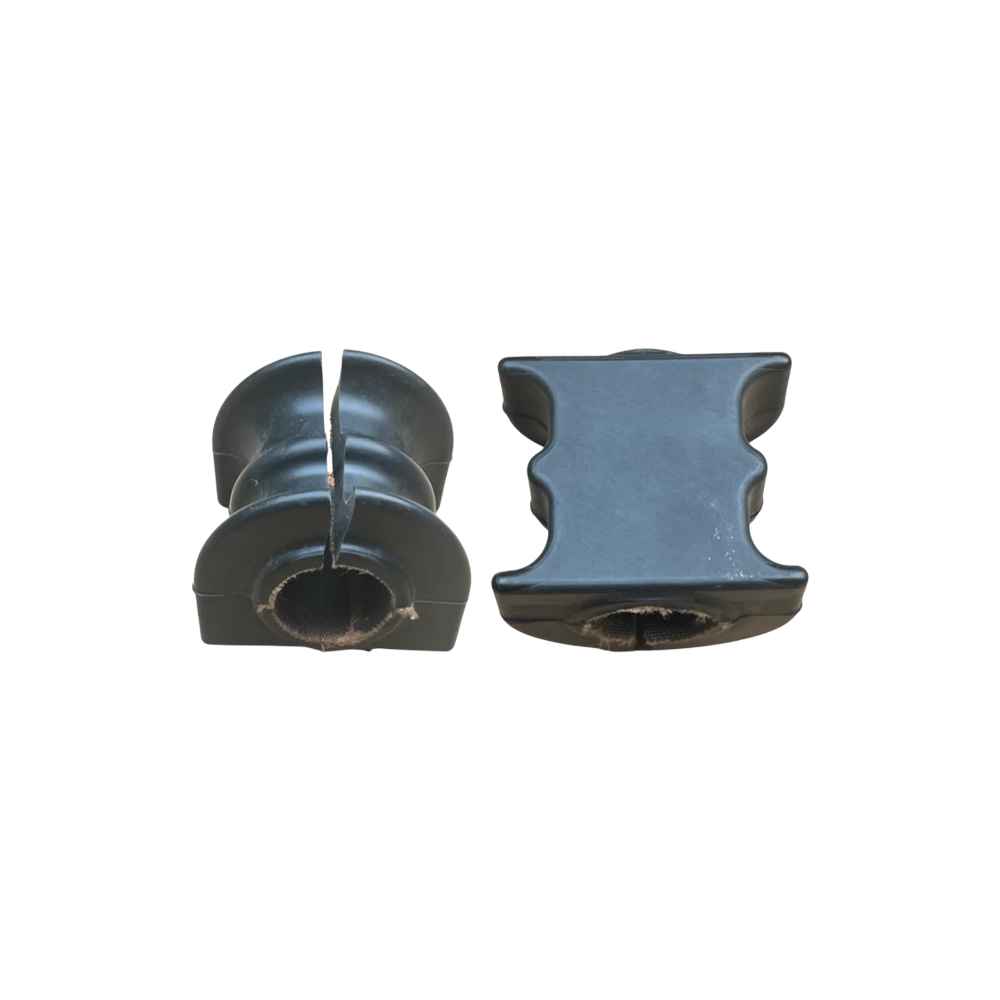
When it comes to hydraulic steering, opting for high-quality components is non-negotiable. Brands like Guanghua offer reliable solutions for steering racks and boots. Using subpar parts may save money in the short term, but the long-term repercussions can be disastrous. Think of CV Joint Boots or Stabilizer Bar Bushings ; these small components play a significant role in overall performance. Ever tried driving with faulty bushings? The experience isn’t pleasant, to say the least.
Case Study: Performance Comparison
Let’s dive into a hypothetical comparison. Vehicle A, equipped with premium parts—like O-Rings & Rubber Sealing Rings —versus Vehicle B, using generic replacements. In a controlled test, Vehicle A exhibited smooth handling even on rough terrain, maintaining consistent steering response. In contrast, Vehicle B struggled, showing signs of instability and increased driver fatigue. Isn't it astonishing how such details impact your daily drive?
Future Trends in Hydraulic Steering
The evolution of technology brings exciting developments. Electric power steering (EPS) is gaining traction, offering benefits such as improved fuel efficiency and reduced weight. However, hydraulic systems remain invaluable, especially in heavy-duty applications. They provide the necessary strength and reliability in challenging conditions.

Maintenance Tips for Longevity
To ensure your hydraulic steering system operates at peak performance, consider these maintenance tips:
- Check fluid levels regularly—avoid running low!
- Inspect hoses for wear and replace them as needed.
- Flush the system periodically to prevent contamination.
The Bottom Line
Hydraulic steering systems represent a fusion of engineering excellence and practical application. With proper care and attention to quality, you can enjoy a smoother, safer ride. So next time you hop in your car, think about the intricate dance of hydraulic forces working behind the scenes. Are you ready to give your steering the upgrade it deserves?