Understanding Automotive Hydraulic Systems
Automotive hydraulic systems are essential components for a wide range of functions, including steering, braking, and transmission. The efficient operation of these systems relies on two main types of components: inner and outer parts. Understanding the nuances of both can significantly enhance the performance and maintenance of any vehicle.
The Basics of Hydraulic Systems
At their core, hydraulic systems utilize the principles of fluid mechanics to transmit power. By controlling the flow of hydraulic fluid through various channels, they provide the force needed to perform tasks such as moving gears or applying brake pressure. With the right inner and outer components, these systems can operate seamlessly under high pressure and demanding conditions.
RubberORings.jpg)
Inner Components Explained
The inner components of hydraulic systems typically refer to the elements housed within the hydraulic cylinder and pump. These include:
- Pistons: Crucial for creating the necessary pressure by converting fluid energy into mechanical force.
- Seals: O-Rings & Rubber Sealing Rings play a vital role in preventing leaks and maintaining system integrity.
- Valves: Control the direction and flow of fluid, ensuring that the system operates efficiently.
In my experience, regularly inspecting these components can reduce wear and tear, ultimately enhancing reliability. For instance, neglecting the condition of seals may lead to fluid leakage, affecting overall performance.
Outer Components Overview
Outer components encompass all the external fittings that connect different parts of the hydraulic system. This includes hoses, connectors, and fittings that ensure fluid is directed where it’s needed. Key outer components are:
- Hoses: These transport hydraulic fluid between the pump and the cylinders. Using high-quality hoses can mitigate risks associated with wear and tears.
- Connectors: They ensure secure links between hoses and other components. Poor connections can lead to significant losses.
- Boots: CV Joint Boots and Steering Rack Boots provide protection against debris and moisture, prolonging the life of the components they shield.
Common Issues in Hydraulic Systems
Maintaining the health of hydraulic systems requires vigilance against common issues such as:
- Fluid Leaks: Often caused by worn-out O-rings or boots. Regular checks can prevent drops in system pressure.
- Contamination: Dirt or debris entering the system can cause significant damage. Ensuring proper filtration and sealing is key.
- Air Trapping: Air bubbles can disrupt fluid dynamics. Purging air from the system is essential for optimal performance.
Choosing Quality Components
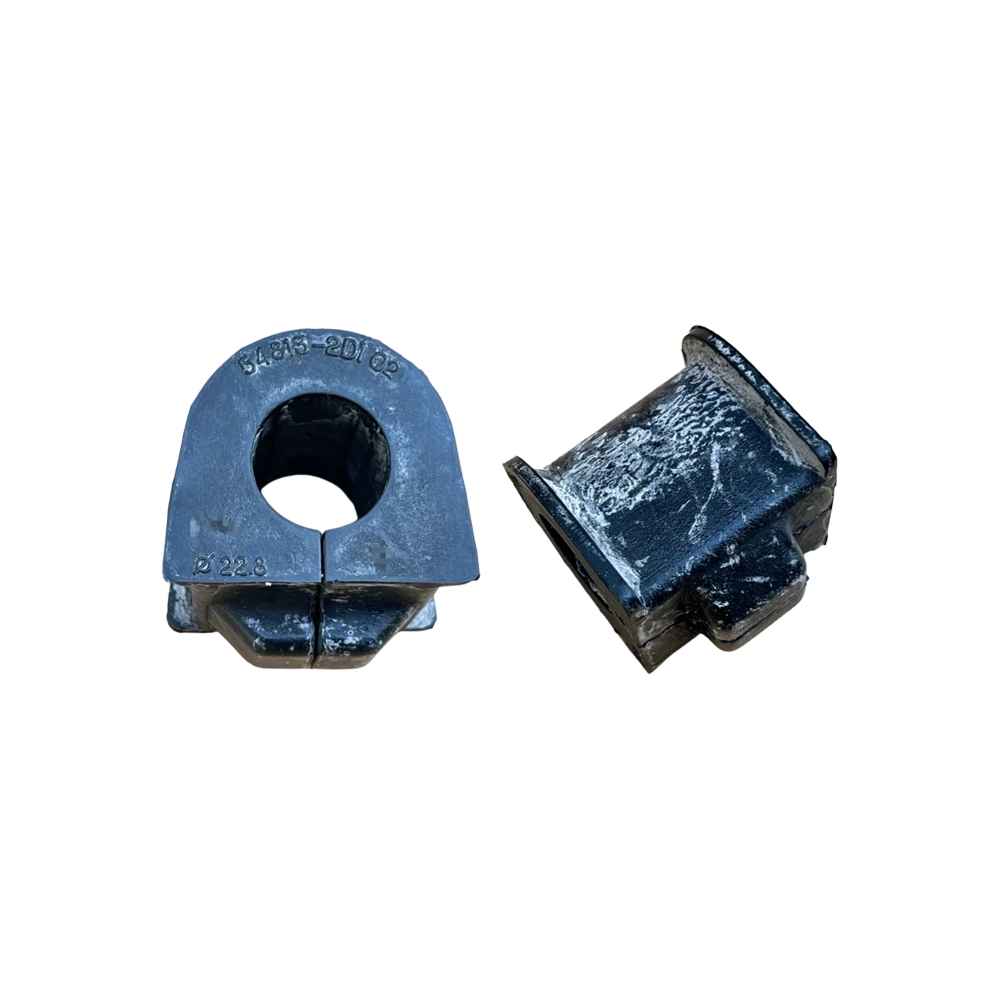
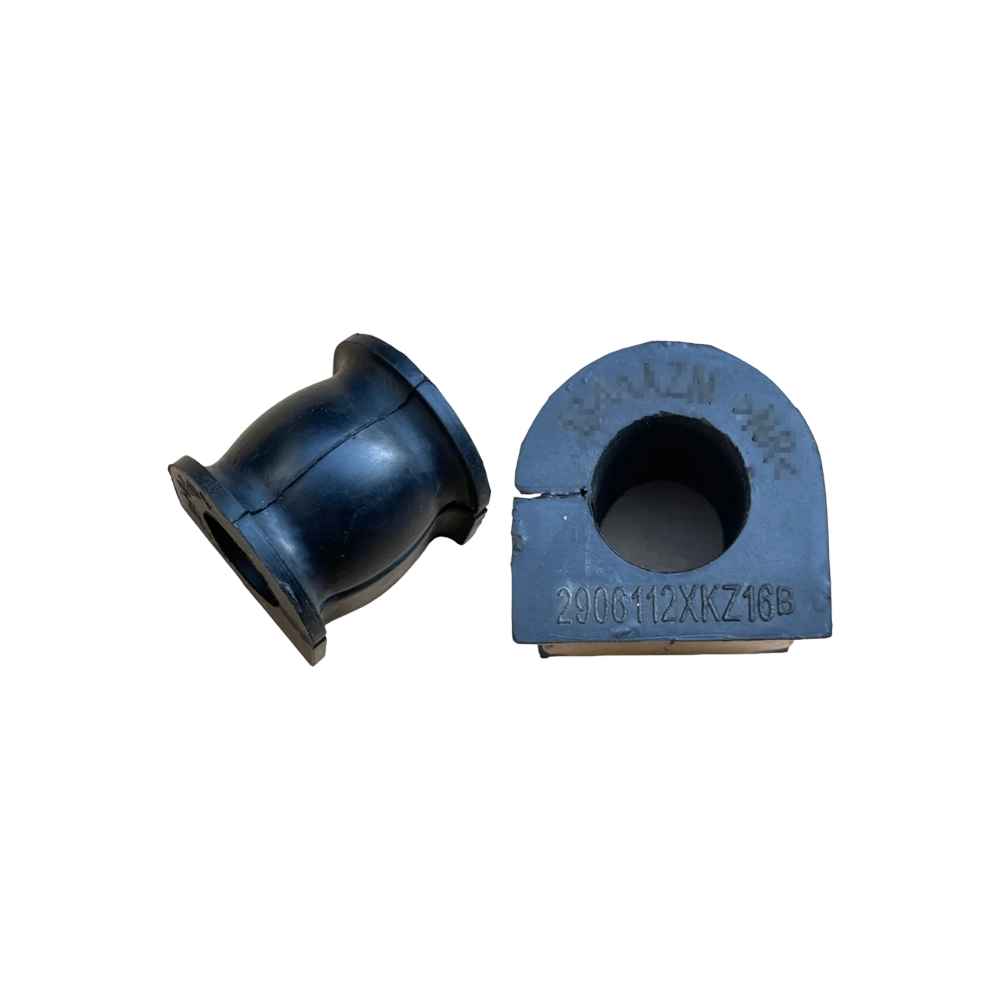
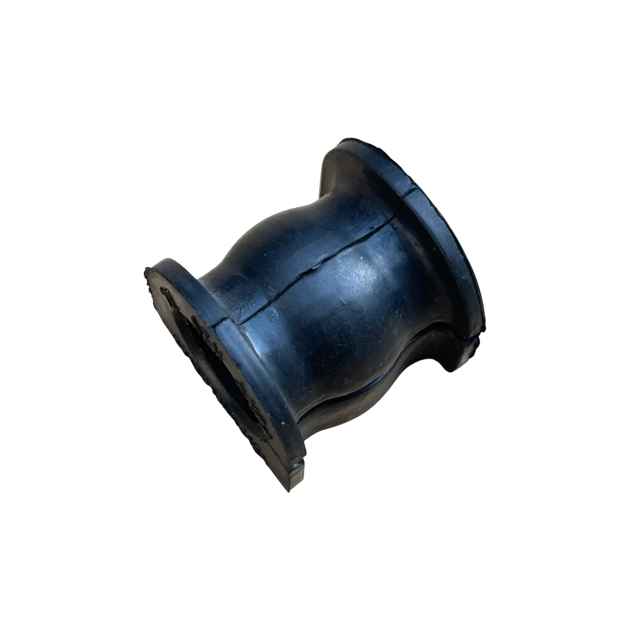
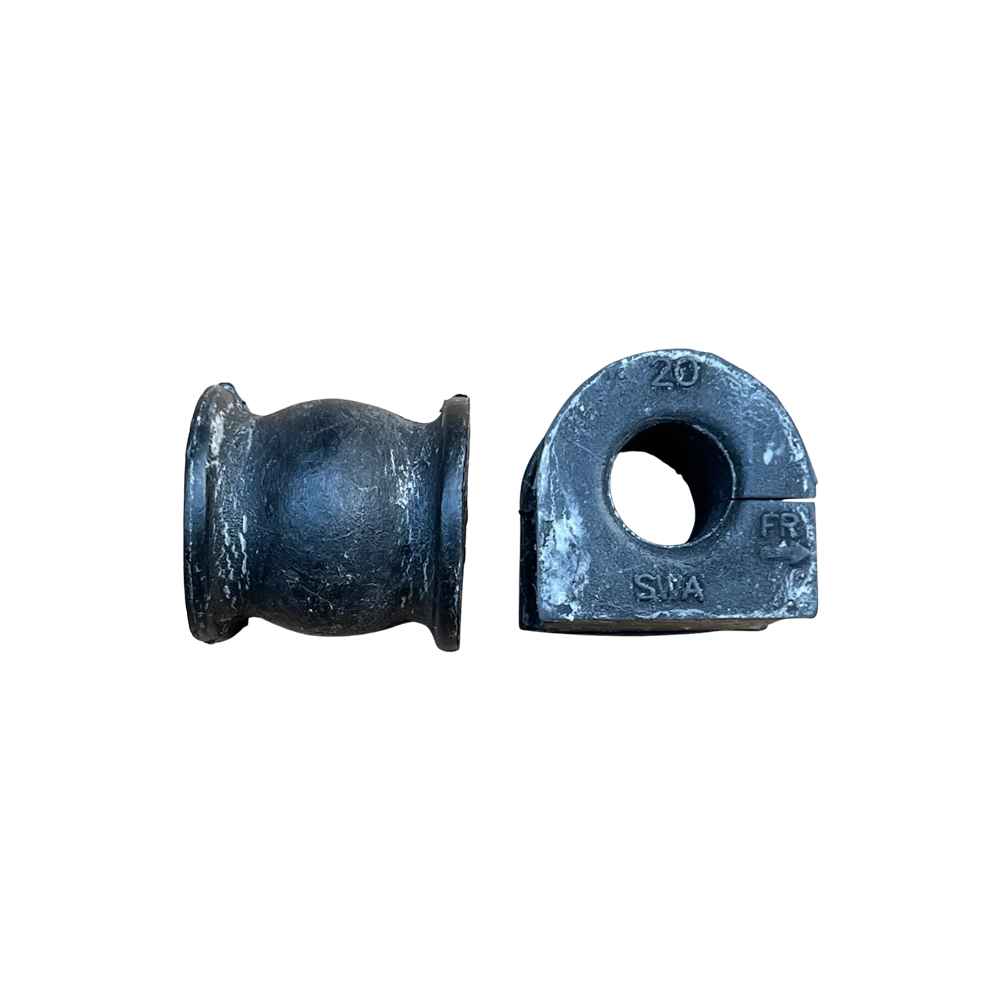
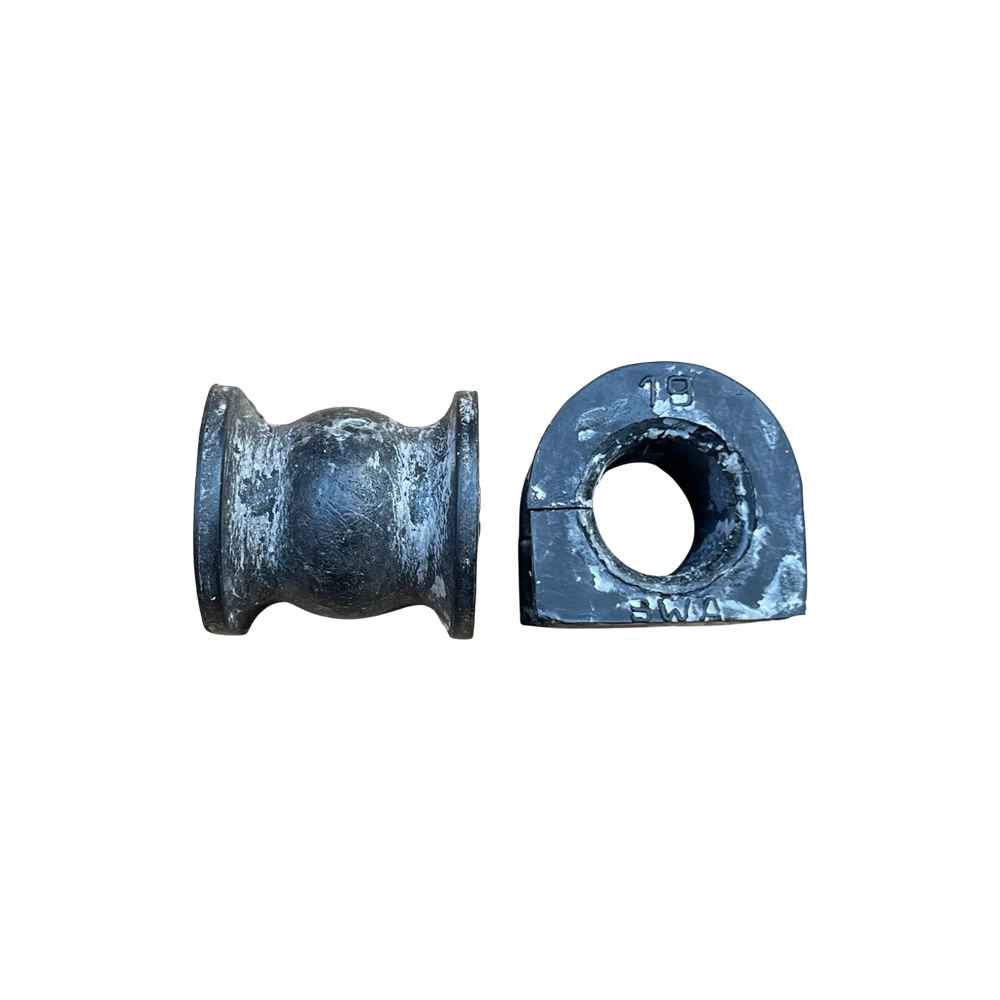
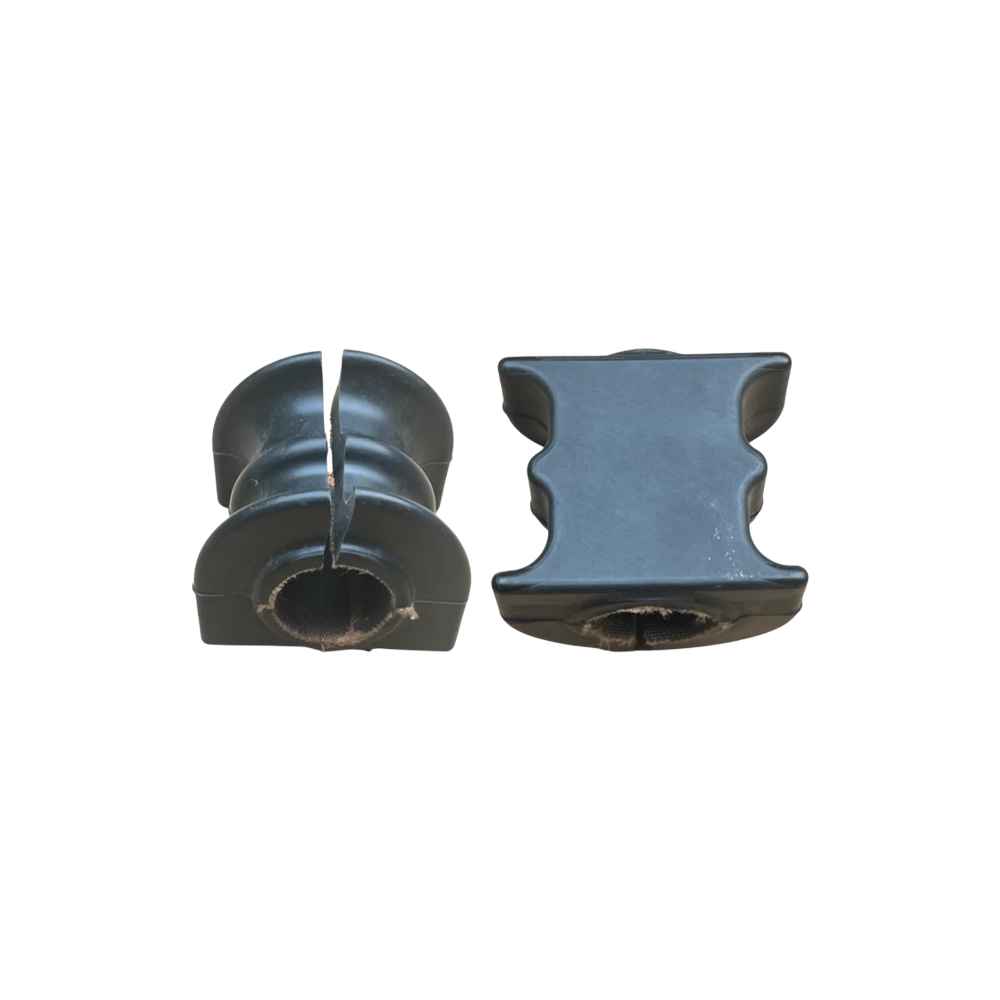
Selecting the right parts for your hydraulic system can be a daunting task. It's not just about finding a replacement; it's about ensuring longevity and reliability. Brands like Guanghua offer a variety of high-quality components that meet industry standards. Whether you need stabilizer bar bushings or shock absorber boots, investing in quality ensures you're minimizing potential failures down the road.
Maintenance Tips for Inner and Outer Components
To keep your hydraulic systems running smoothly, consider these maintenance tips:
- Regular Inspection: Frequently check for signs of wear, especially in O-Rings and connectors, which can show early signs of failure.
- Fluid Changes: Adhere to manufacturer recommendations for fluid changes to minimize contamination risks.
- Environment Control: Protect hydraulic components from extreme conditions. Use appropriate boots to shield against dirt and damage.
Conclusion
Understanding the differences and functionalities of inner and outer components in automotive hydraulic systems is crucial for effective maintenance and performance. Overlooking small details can lead to significant issues down the line. By keeping an eye on aspects like CV Joint Boots and utilizing reliable brands such as Guanghua, you can ensure your vehicle's hydraulic system remains in peak condition.