
Understanding Engine Cylinder Head Sealing
The engine cylinder head plays a pivotal role in sealing the combustion chamber, ensuring optimal performance and efficiency. To achieve this, various materials are utilized in gasket manufacturing, including NBR (Nitrile Butadiene Rubber), Viton (Fluoroelastomer), and silicone. Each of these materials possesses distinct properties that influence their suitability for different applications.
NBR: The Versatile Choice
NBR, or Nitrile Butadiene Rubber, is renowned for its excellent oil resistance and mechanical strength, making it a popular choice for sealing applications in internal combustion engines. This material exhibits excellent resilience against fuel and oil, thereby prolonging the lifespan of gaskets. It can withstand high temperatures—often up to around 120°C (248°F)—which makes it suitable for a variety of engine environments.
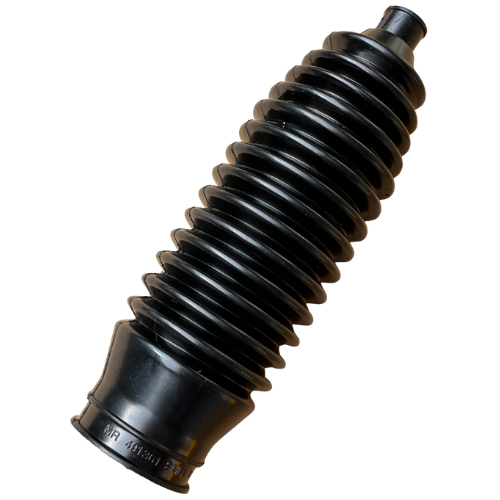
- Applications: Commonly used in valve cover gaskets, O-Rings & Rubber Sealing Rings , and various automotive seals.
- Advantages: High wear resistance, good compressibility, and excellent sealing properties under dynamic conditions.
- Limitations: Not particularly resistant to extreme temperatures or aggressive chemicals beyond typical engine fluids.
Viton: The High-Performance Option
Viton stands out for its exceptional chemical resistance and ability to perform at higher temperatures than most elastomers. With continuous service temperatures reaching as high as 200°C (392°F), Viton’s robust nature makes it suitable for more demanding sealing applications, including those found in turbocharged engines.
- Applications: Often utilized in high-performance seals, including cylinder head gaskets and other critical sealing points where heat and chemical exposure is prevalent.
- Advantages: Superior thermal stability, resistance to various chemicals, and longer service life compared to standard elastomers.
- Limitations: Typically more expensive than alternatives like NBR, which may limit its widespread use in less demanding applications.
Silicone: The Flexible Solution
Silicone seals have gained prominence due to their remarkable flexibility and temperature range. Operating effectively from -60°C to 230°C (-76°F to 446°F), silicone's versatility makes it a favored choice for numerous automotive applications. Its inherent ability to resist aging and degradation assures longevity even under fluctuating environmental conditions.
- Applications: Widely used in valve covers, intake manifolds, and transmission pan gaskets.
- Advantages: Excellent low and high-temperature resistance, good adhesion properties, and a wide range of color options for aesthetic purposes.
- Limitations: Generally weaker in terms of tensile strength compared to NBR and Viton, making it less suitable for high-stress applications.
Comparative Analysis of Properties
When comparing NBR, Viton, and silicone, several factors come into play, each influencing their performance in engine cylinder head sealing applications. The choice between these materials often boils down to specific application requirements, including temperature thresholds, chemical exposure, and mechanical stress levels.
| Material | Temperature Range | Chemical Resistance | Mechanical Strength |
|---|---|---|---|
| NBR | -40°C to +120°C | Good | Moderate |
| Viton | -20°C to +200°C | Excellent | High |
| Silicone | -60°C to +230°C | Good | Low |
Impact on Engine Performance
Choosing the appropriate sealing material affects overall engine performance significantly. A well-sealed cylinder head ensures efficient combustion, minimizes the risk of leaks, and ultimately leads to better fuel economy and lower emissions. For instance, using high-quality gaskets made from Viton in high-performance applications can enhance not only durability but also engine output.
Brand Insights: Guanghua
Among the manufacturers specializing in sealing solutions, Guanghua has established itself by producing top-tier gaskets that leverage the strengths of these elastomers. Their commitment to quality ensures that whether employing NBR, Viton, or silicone, the resulting products meet stringent industry standards, thus providing reliability and peace of mind for automotive engineers and enthusiasts alike.
Maintenance and Replacement Considerations
Regular inspection and timely replacement of engine seals are paramount. Over time, gaskets can degrade due to factors such as thermal cycling, chemical exposure, and mechanical stress. Signs of failure may include visible leaks, a drop in engine performance, or warnings from onboard diagnostic systems. Utilizing high-quality materials, be it NBR, Viton, or silicone, in replacement parts can significantly reduce the likelihood of premature failure.
In conclusion, understanding the properties and applications of NBR, Viton, and silicone in engine cylinder head sealing is essential for optimizing vehicle performance and longevity. Each material brings its unique advantages and limitations to the table, influencing both design choices and maintenance strategies in modern automotive engineering.







